
New 2026 Commercial Trucks For Sale in Alabama
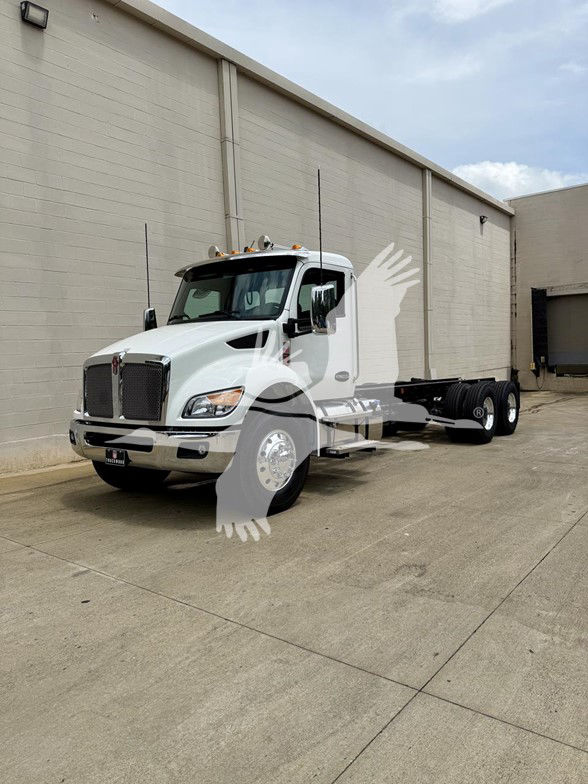
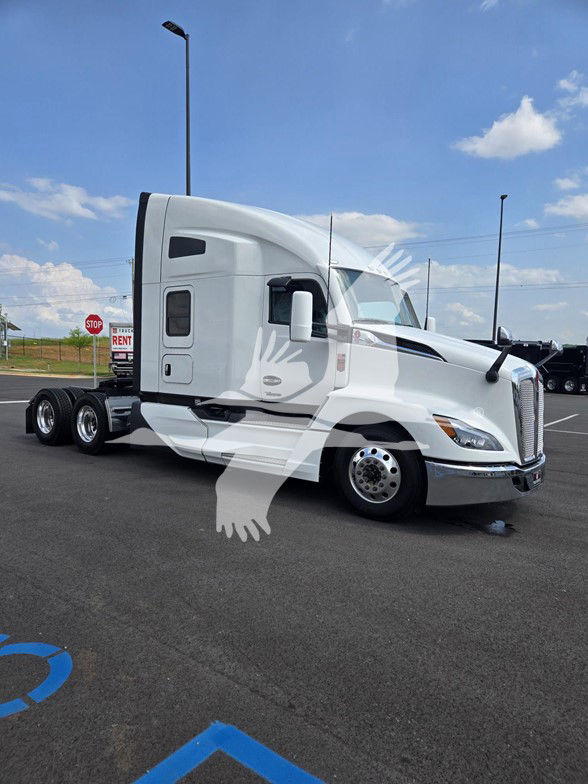
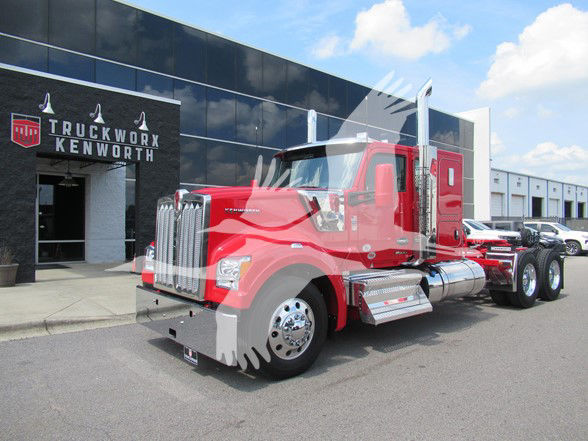
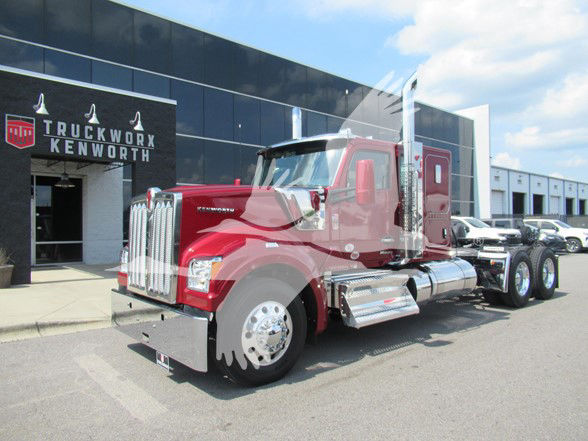
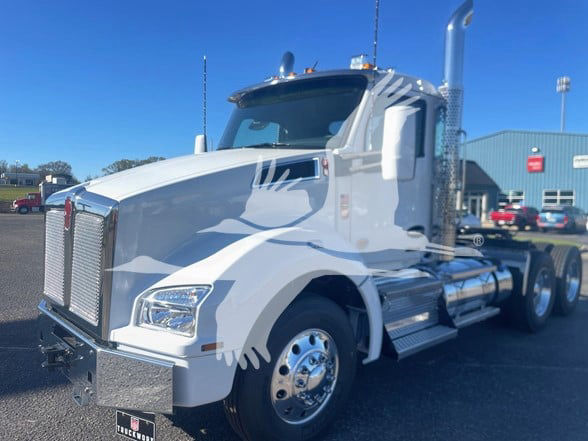
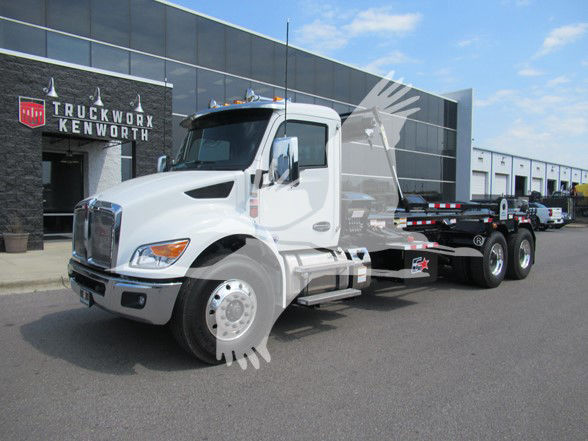
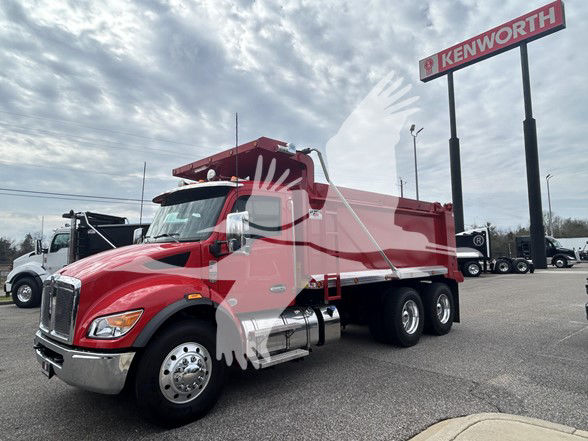
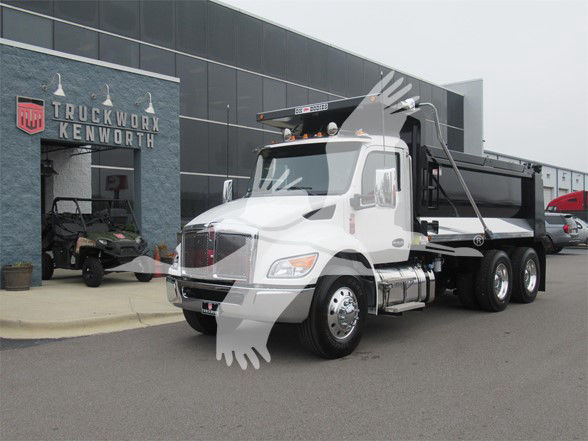
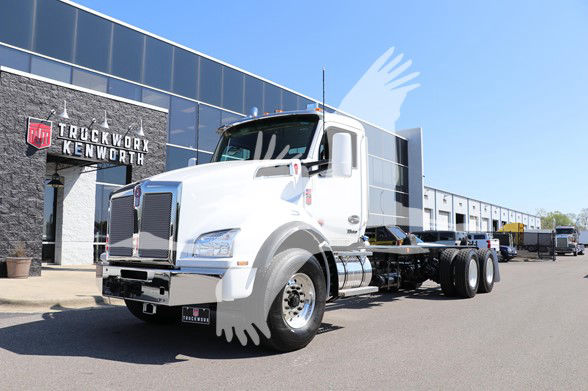
2026 Kenworth W990
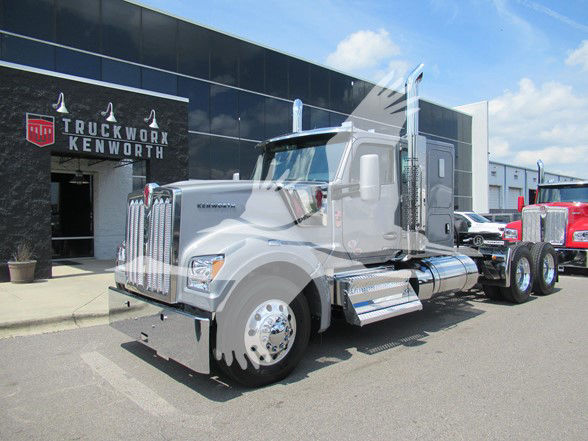
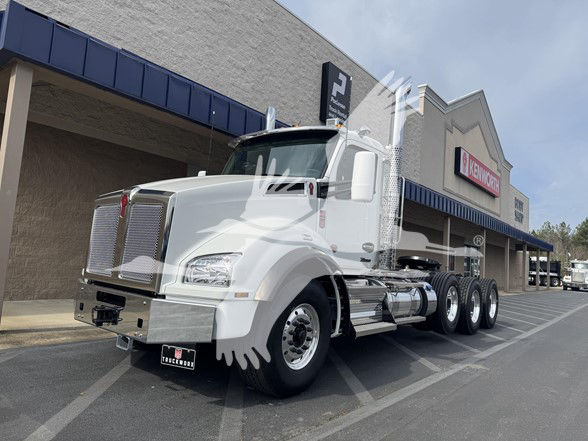
2026 Kenworth W990
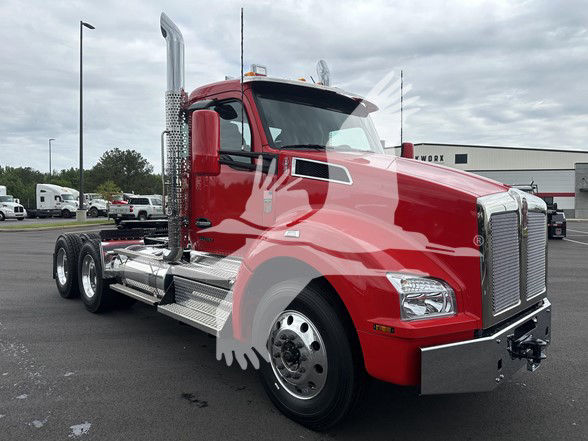
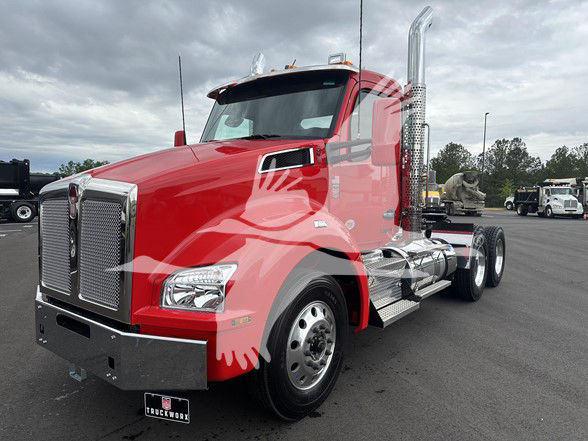
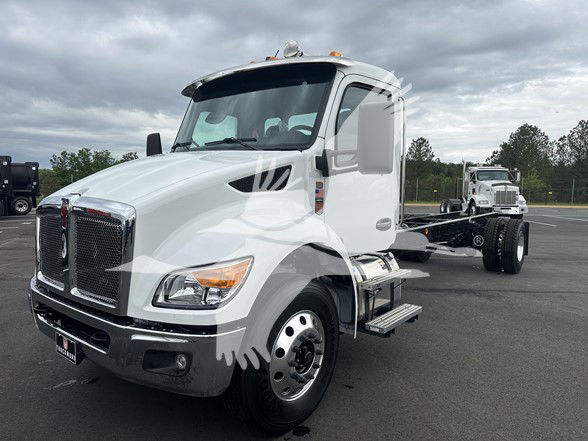
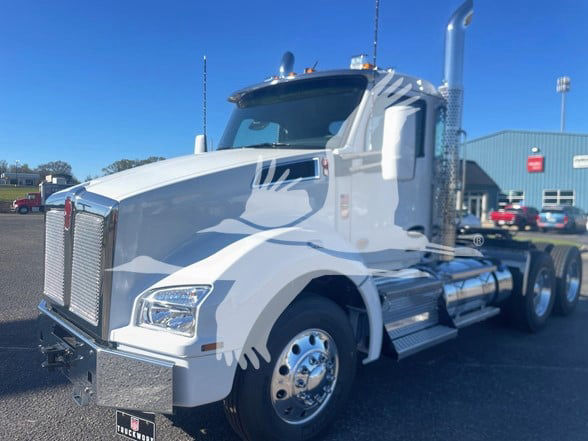
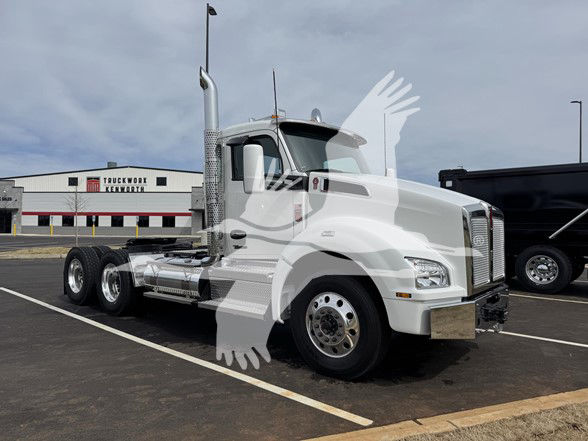
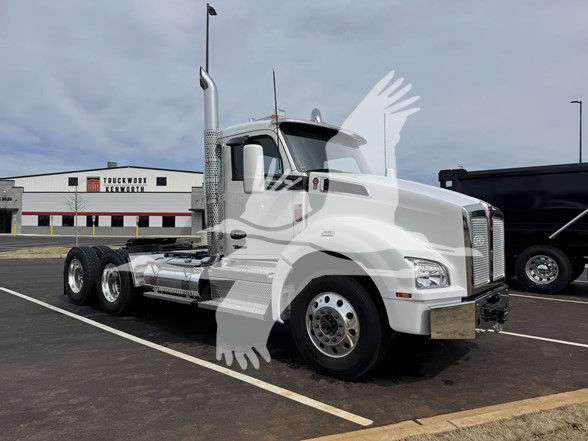
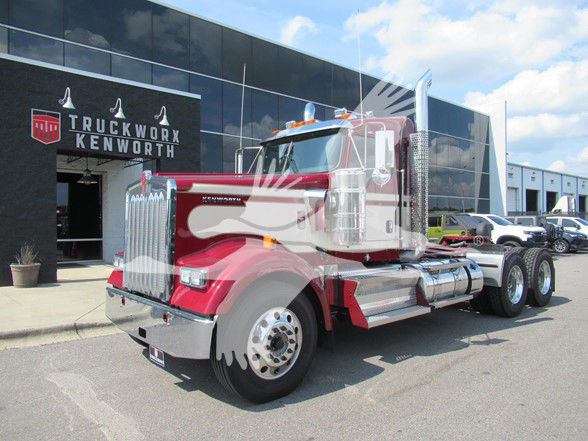
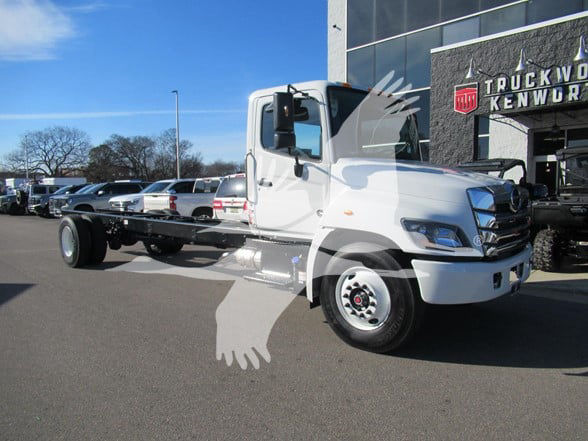
Showing 25 to 48 of 51 results
Have new 2026 commercial truck to sell? List it here to reach thousands of buyers.
New 2026 Commercial Trucks in Alabama
In the heavy-duty segment, common 2026 configurations include 6x4 conventional daycabs and vocational trucks built around proven platforms such as the Kenworth T880, T480, and W900L. Buyers comparing these trucks usually look at engine family, rear ratio, frame setup, and wheelbase first. A 3.55 ratio is better suited to highway and regional pulling where cruise rpm and fuel economy matter. A 4.10, 4.78, or 5.57 ratio is more common in dump, lowboy, and off-road work where startability, gradeability, and low-speed control are priorities. Suspension choice also tells you what the truck is built to do. AG 460 air ride favors road manners and general freight-style operation, while Chalmers and Neway setups are often selected for heavier vocational service, stability, and durability under shifting loads.
For buyers shopping new 2026 Alabama trucks for construction, site work, or aggregate hauling, dump spec details deserve close attention. Tri-axle and tandem dump trucks are commonly spec'd with higher horsepower ratings, heavier rear suspensions, 22.5 or 24.5 rubber, and wheelbases tailored to body length and local bridge or weight rules. If the truck will see lowboy or equipment moving duty, look closely at frame reinforcement, pusher or tag axle configuration, and whether the driveline is matched to the intended gross combination weight. In Alabama, heat, mixed terrain, and jobsite conditions make cooling capacity, vocational transmission programming, and easy service access practical buying points, not minor options.
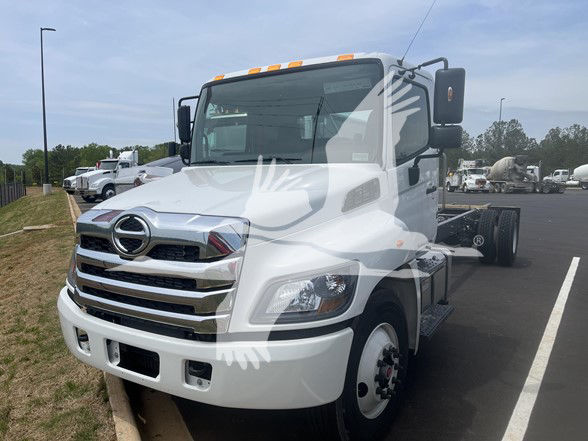
Medium-duty 2026 trucks also play a major role in this market, especially for landscape, delivery, and municipal use. Models in the NPR HD class are often chosen for maneuverability, lower cab height, easier body upfit, and urban or suburban route work. These trucks are typically evaluated on wheelbase, cab-to-axle measurement, GVWR, transmission type, and body compatibility rather than raw horsepower alone. Across all new 2026 truck categories, buyers should compare emissions system packaging, warranty coverage, driver-assist technology, and upfit readiness alongside the published drivetrain specs. The best truck is the one whose axle rating, gearing, suspension, and frame match the job from day one, because correcting a bad original spec is usually far more expensive than buying the right configuration upfront.
Frequently Asked Questions about New 2026 Commercial Trucks in Alabama
What should I compare first when shopping for new 2026 trucks in Alabama?
Start with the job the truck will perform, then compare axle configuration, engine rating, rear ratio, wheelbase, suspension, and transmission. Those core specs determine how the truck will start under load, cruise on the highway, handle off-road conditions, and accept a body or trailer assignment. Brand, trim, and appearance matter, but the wrong gearing or axle setup can limit productivity and increase operating cost long after purchase.
What rear axle ratio is best for a new 2026 truck?
The best rear ratio depends on application. Ratios like 3.36 or 3.55 are common for highway and regional daycab work because they help reduce engine rpm at road speed. Ratios such as 4.10, 4.56, 4.78, or 5.57 are more common in dump, heavy haul, and severe-duty vocational service where launch performance, jobsite control, and gradeability are more important than top-end cruise efficiency. The ratio should be matched to tire size, transmission gearing, and expected gross weight.
Are new 2026 dump trucks different from new 2026 daycabs in more than just the body style?
Yes. A dump truck is usually built with vocational priorities throughout the chassis, including heavier suspension, different frame specifications, deeper rear gearing, PTO and hydraulic compatibility, and wheelbase dimensions matched to body length and load distribution. A daycab intended for on-road tractor duty may share a cab and engine family with a dump model, but the frame, driveline, suspension, and axle spec can be completely different.
Why does wheelbase matter on a new truck purchase?
Wheelbase affects turning radius, bridge-law compliance, body fitment, weight distribution, ride quality, and trailer or equipment compatibility. A shorter wheelbase can improve maneuverability on jobsites or in tight urban areas, while a longer wheelbase may be needed for bridge formula requirements, heavier front-end equipment, larger bodies, or specialized hauling setups. It is one of the most important dimensions to verify before ordering or comparing trucks.
What matters most on a new 2026 medium-duty truck for landscape or municipal work?
Body fit is usually the top priority, so buyers should confirm cab-to-axle, frame length, GVWR, axle ratings, and transmission choice before focusing on cosmetic options. Medium-duty trucks used for landscape, service, or municipal applications also benefit from easy ingress and egress, tight turning capability, and an engine and transmission package suited to stop-and-go operation. A truck that is easy to upfit and properly sized for payload will usually deliver better long-term value than a higher-horsepower chassis that is mismatched to the route or body.