
Commercial Trucks For Sale in Mississippi
Browse trucks for sale in Mississippi, including day cabs, sleepers, and cab & chassis models for highway, vocational, and heavy-haul work.
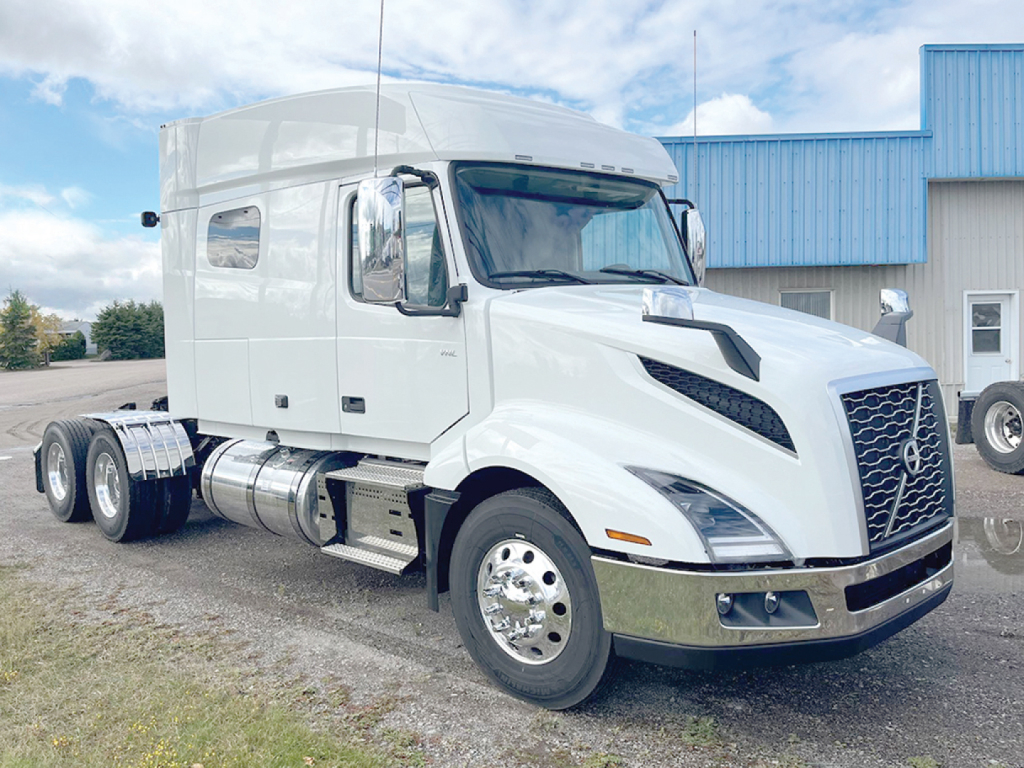
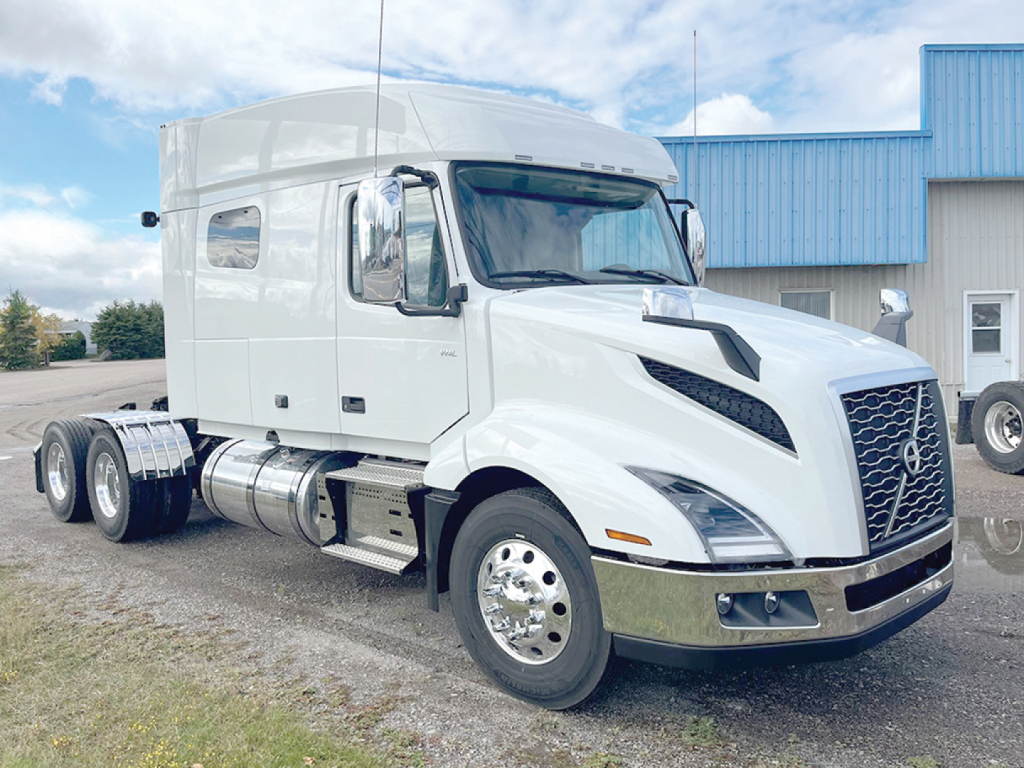
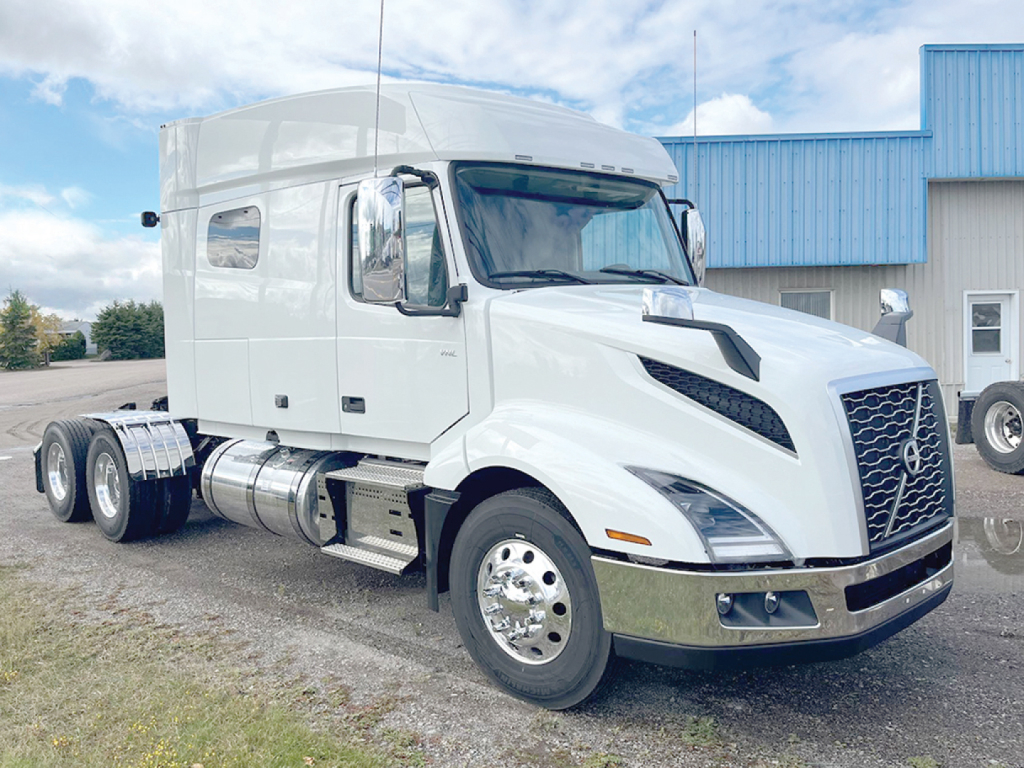
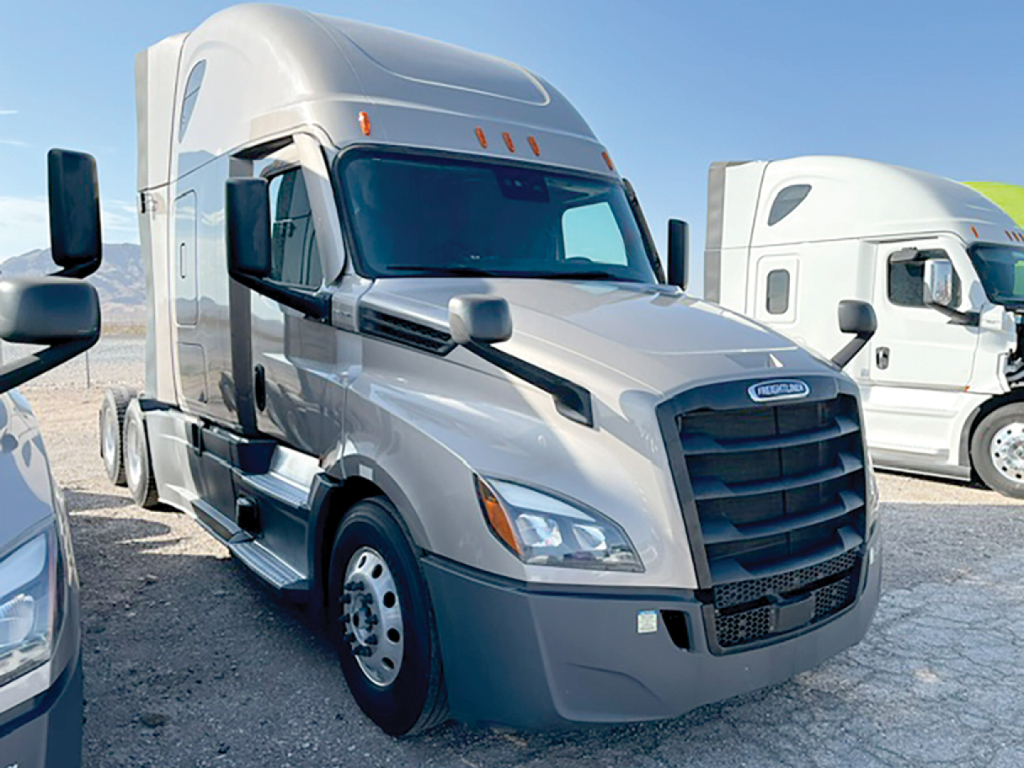
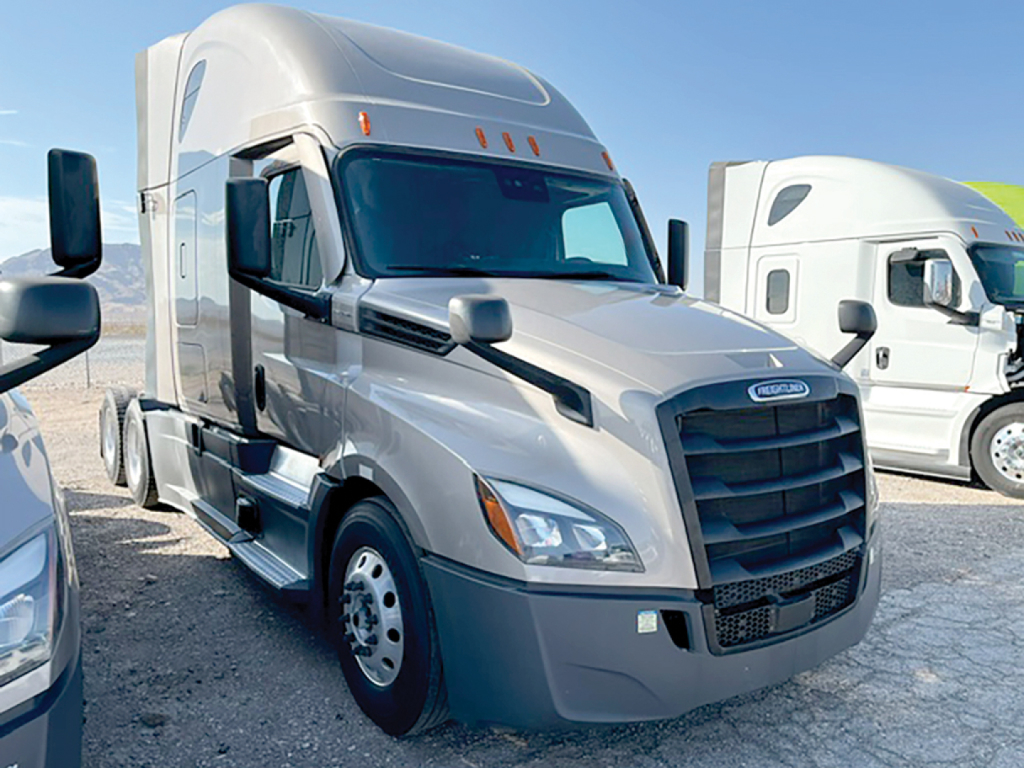
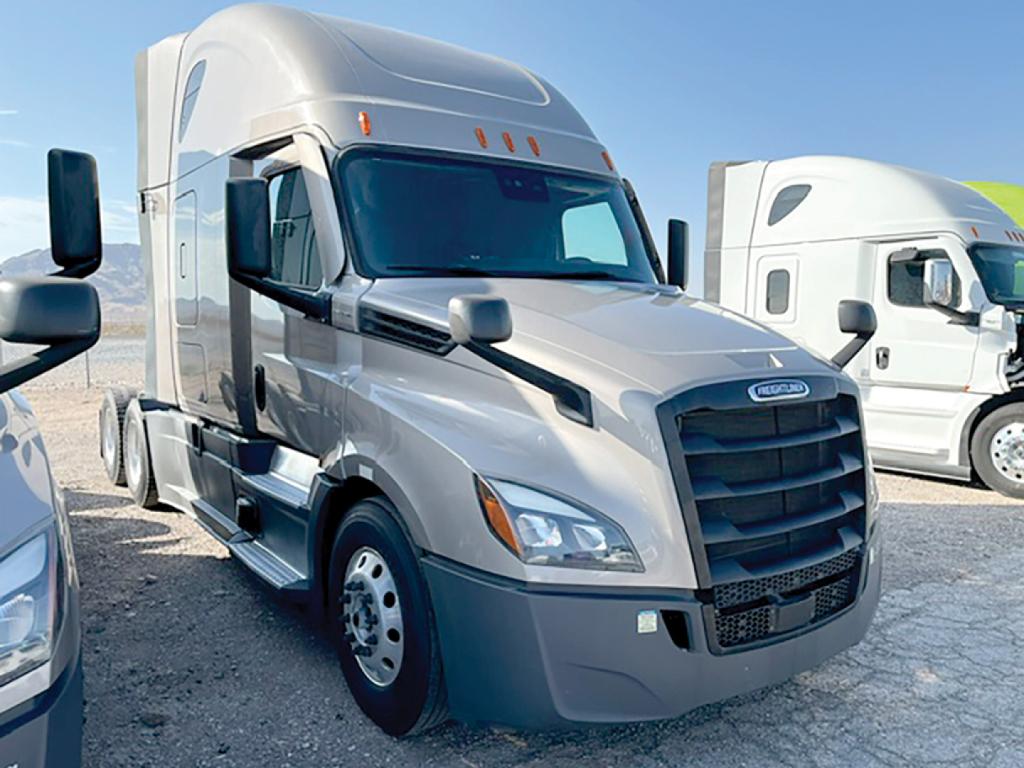
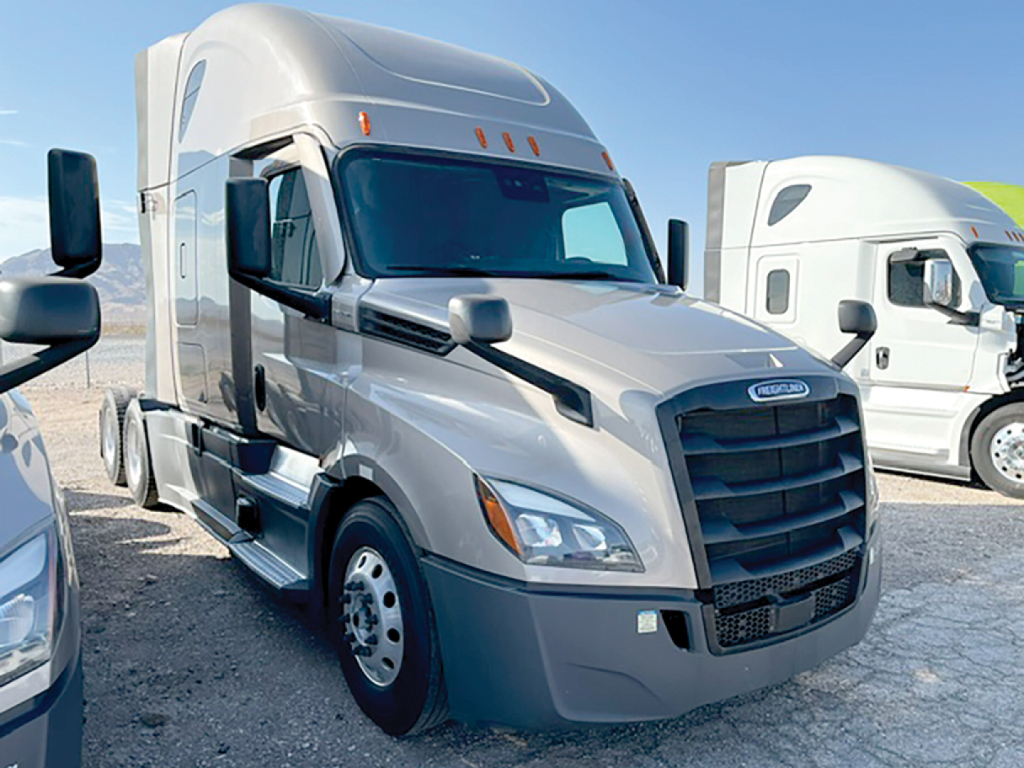
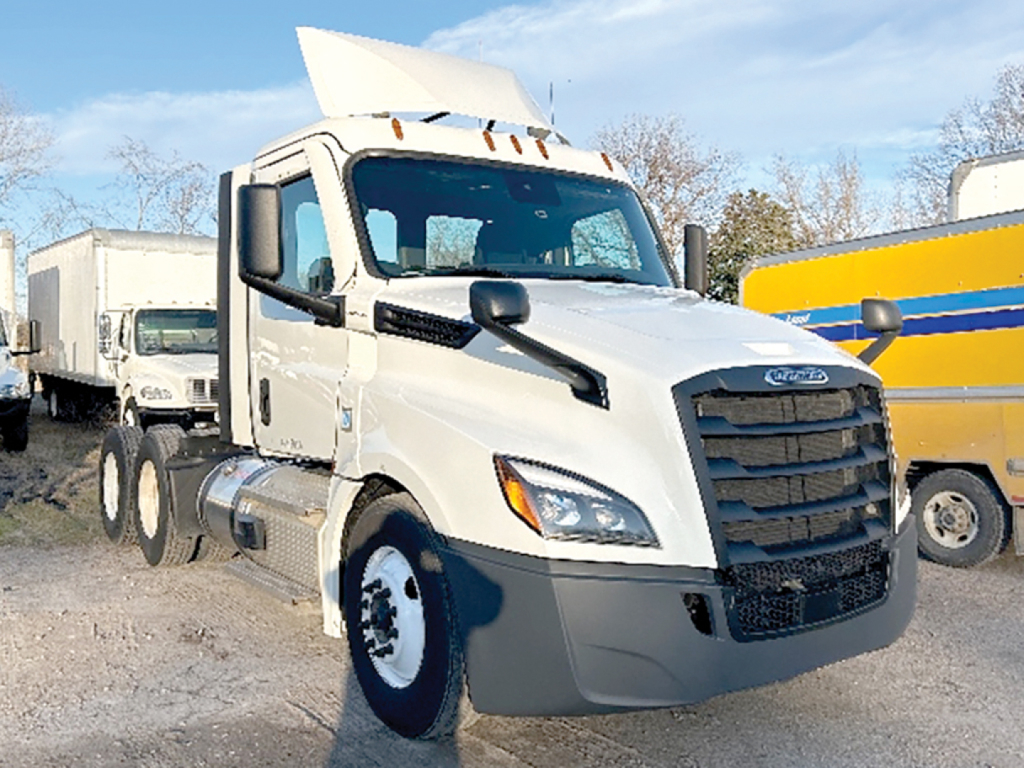
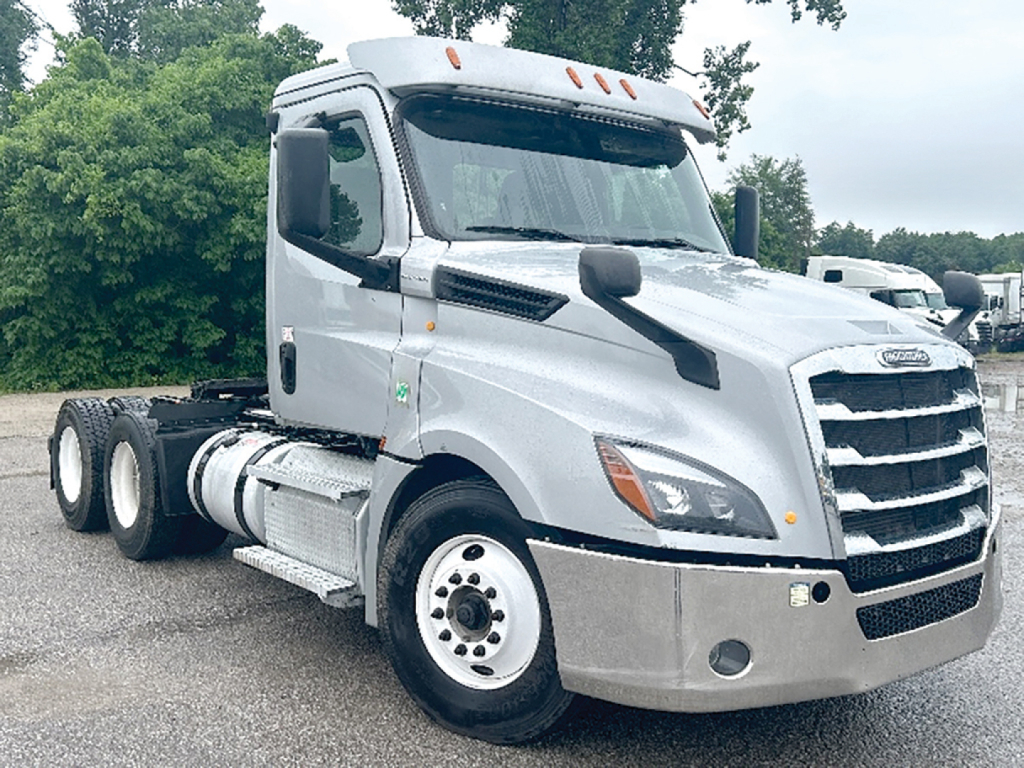
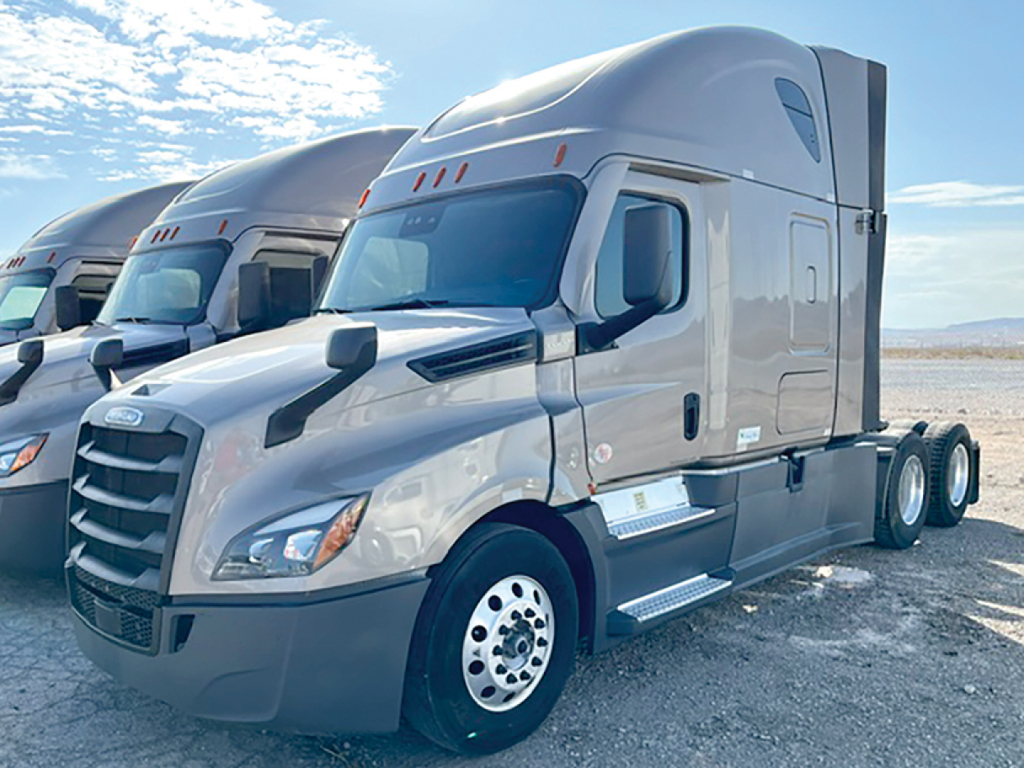
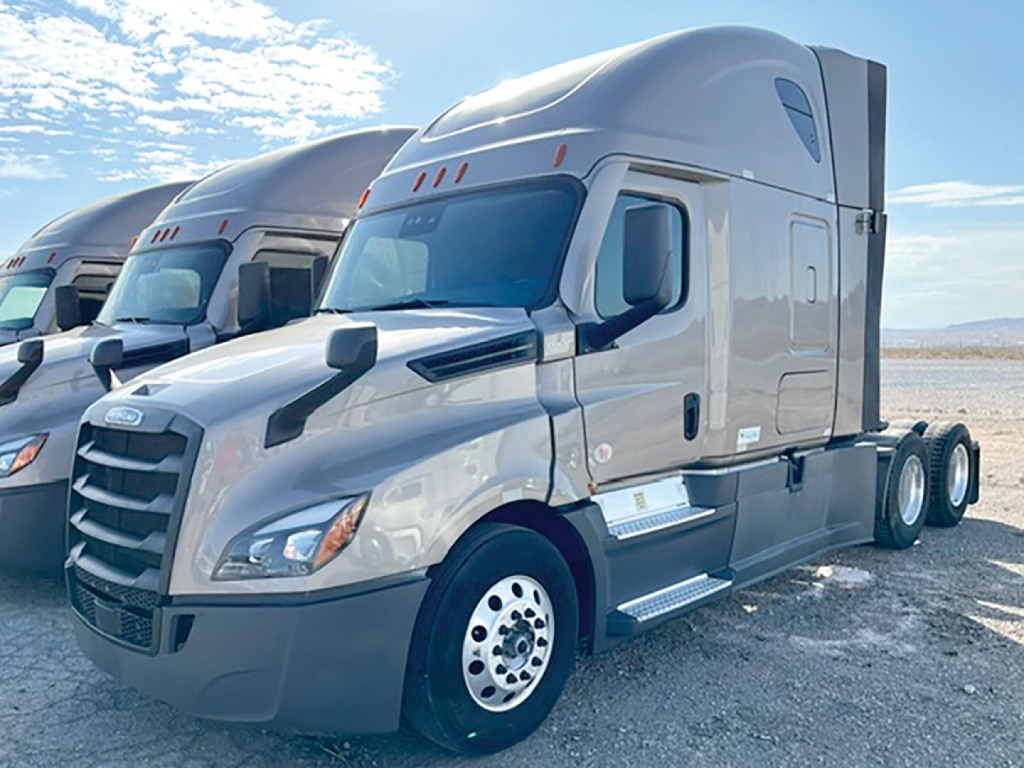
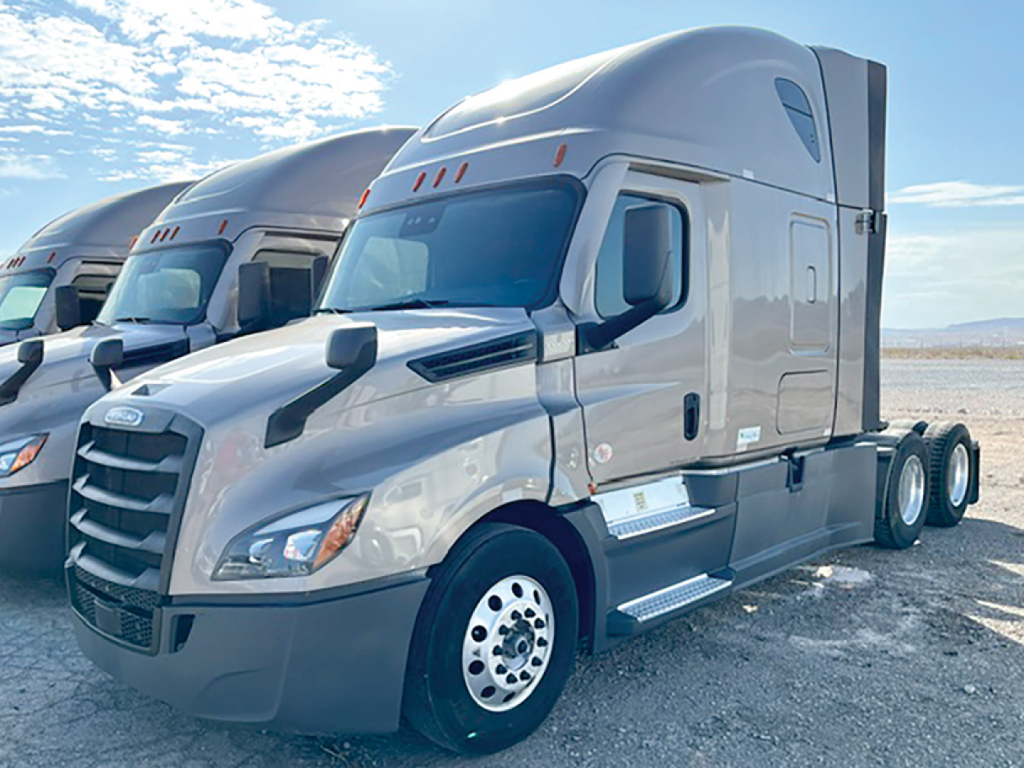
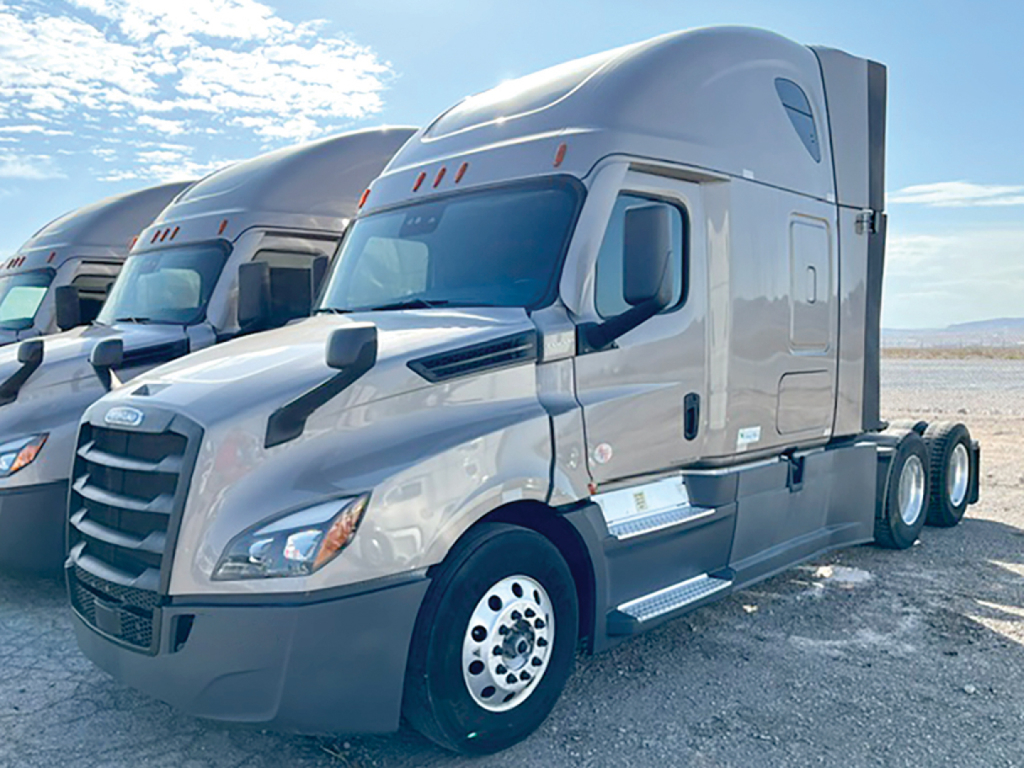
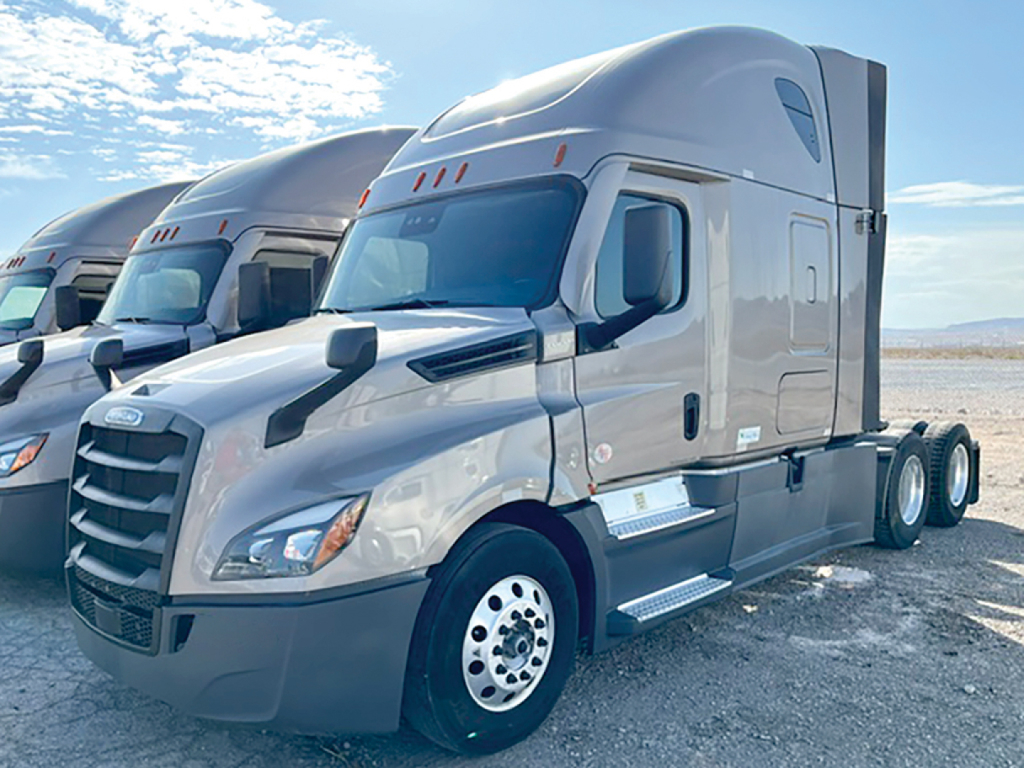
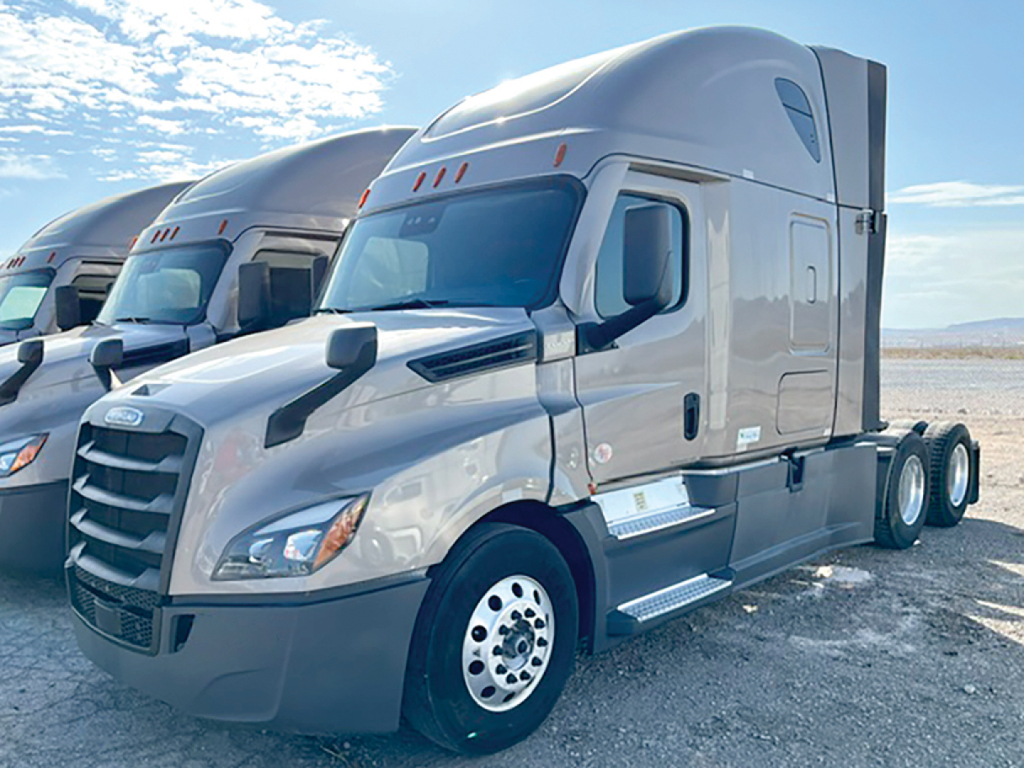
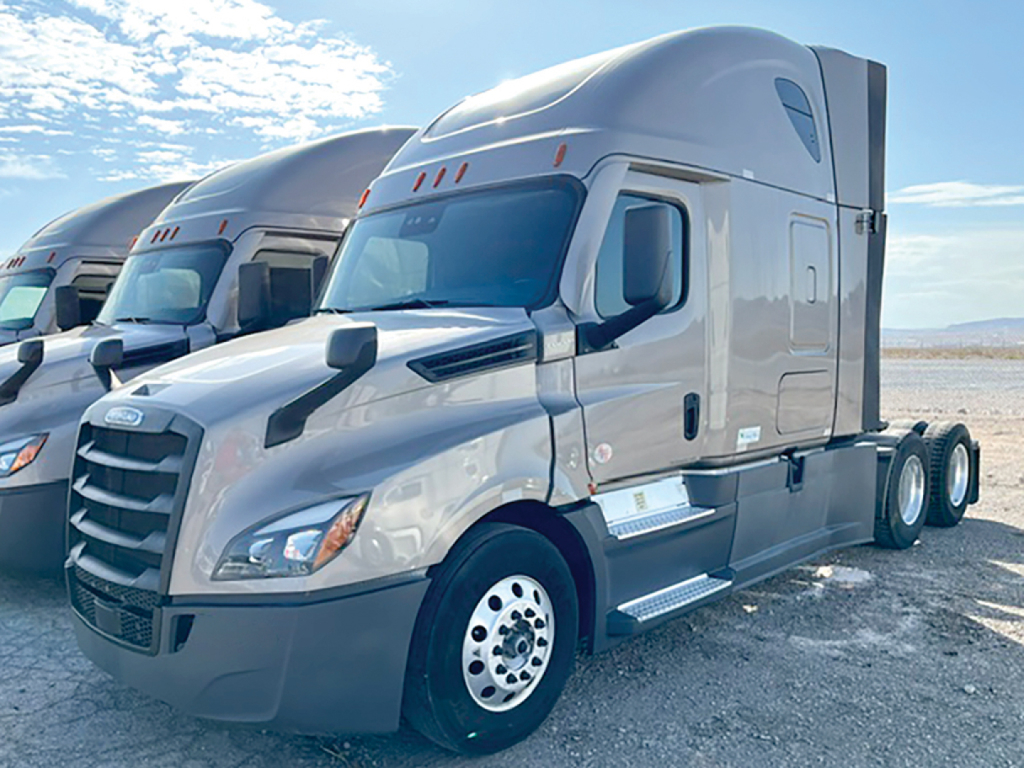
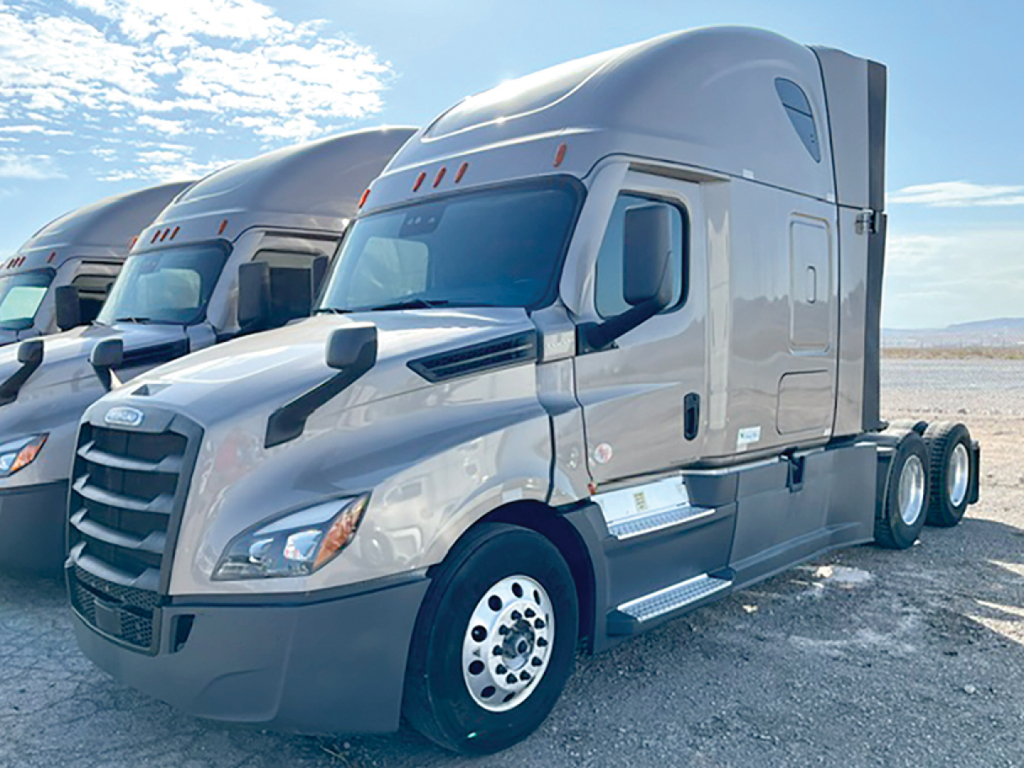
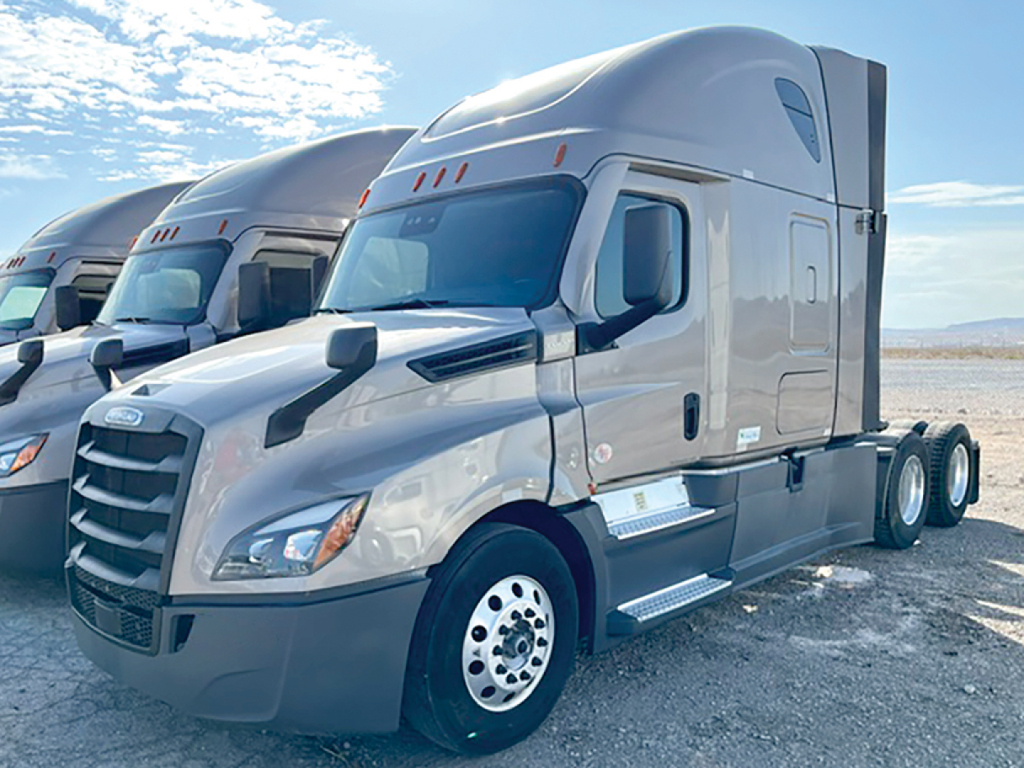
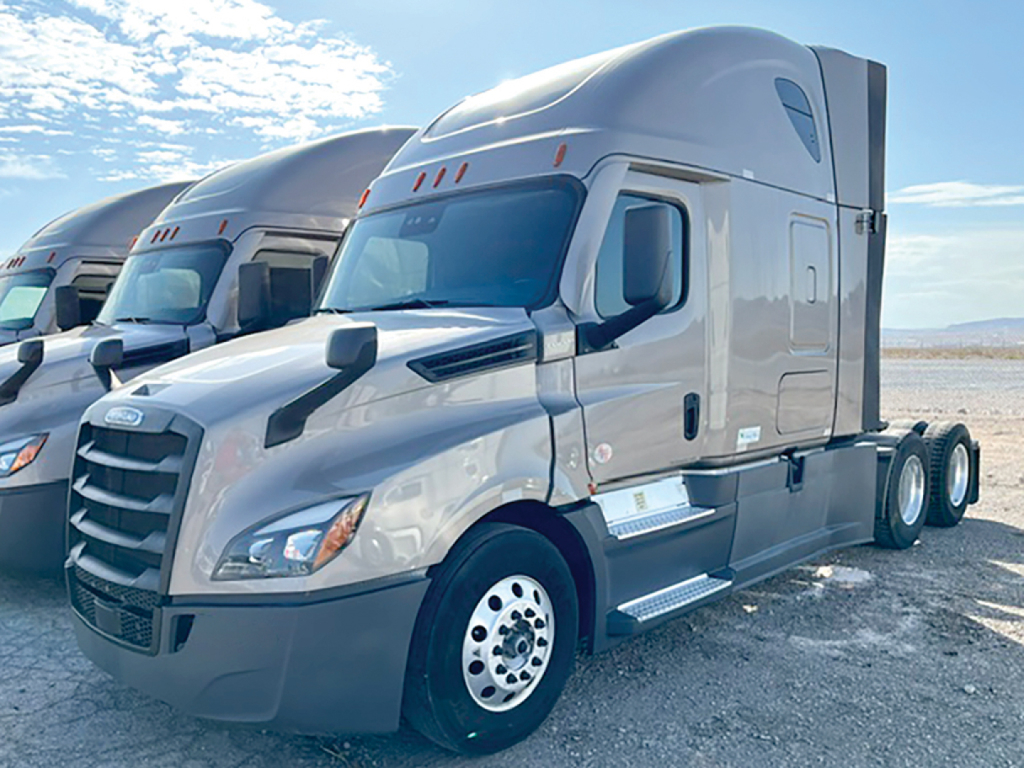
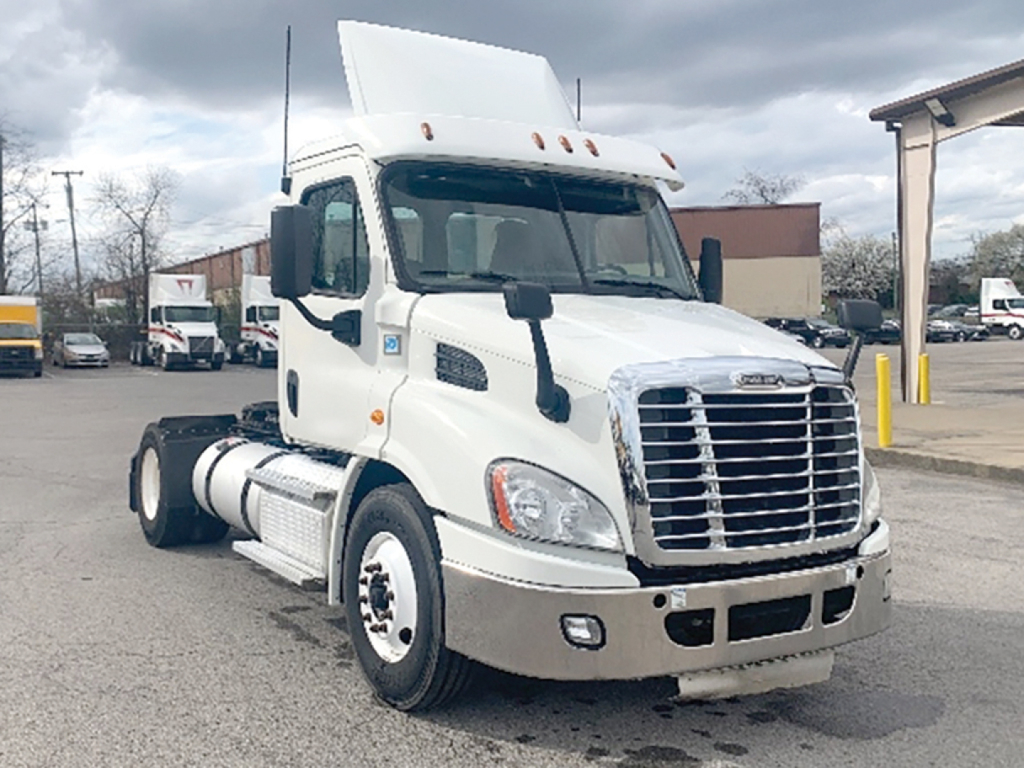
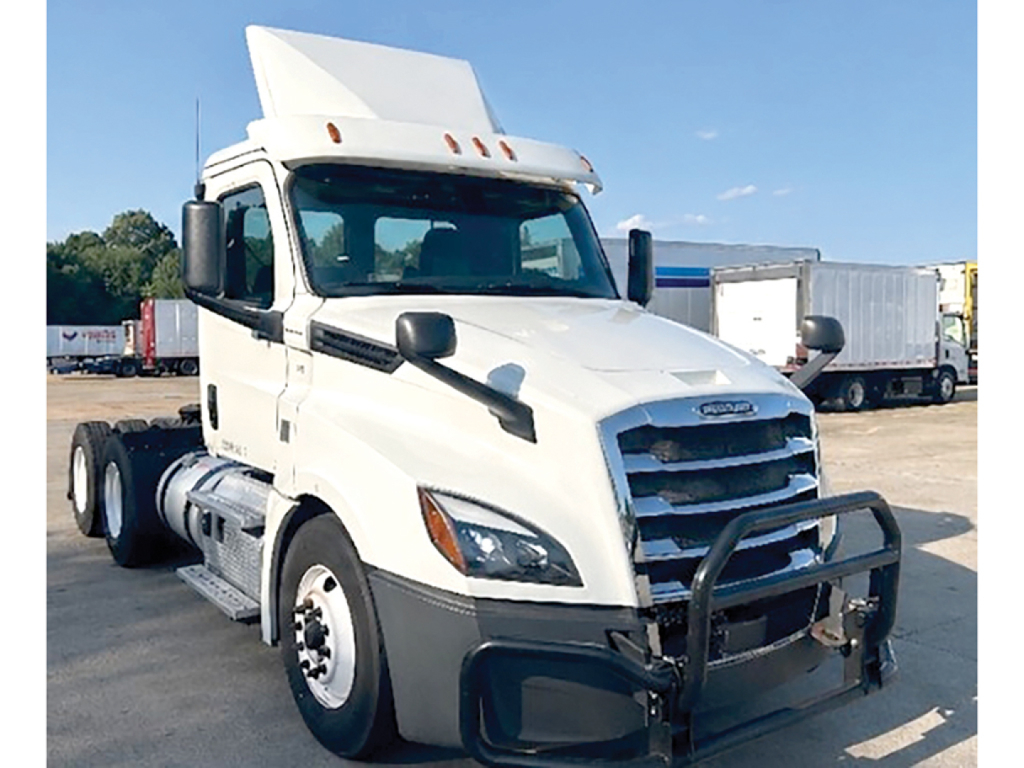
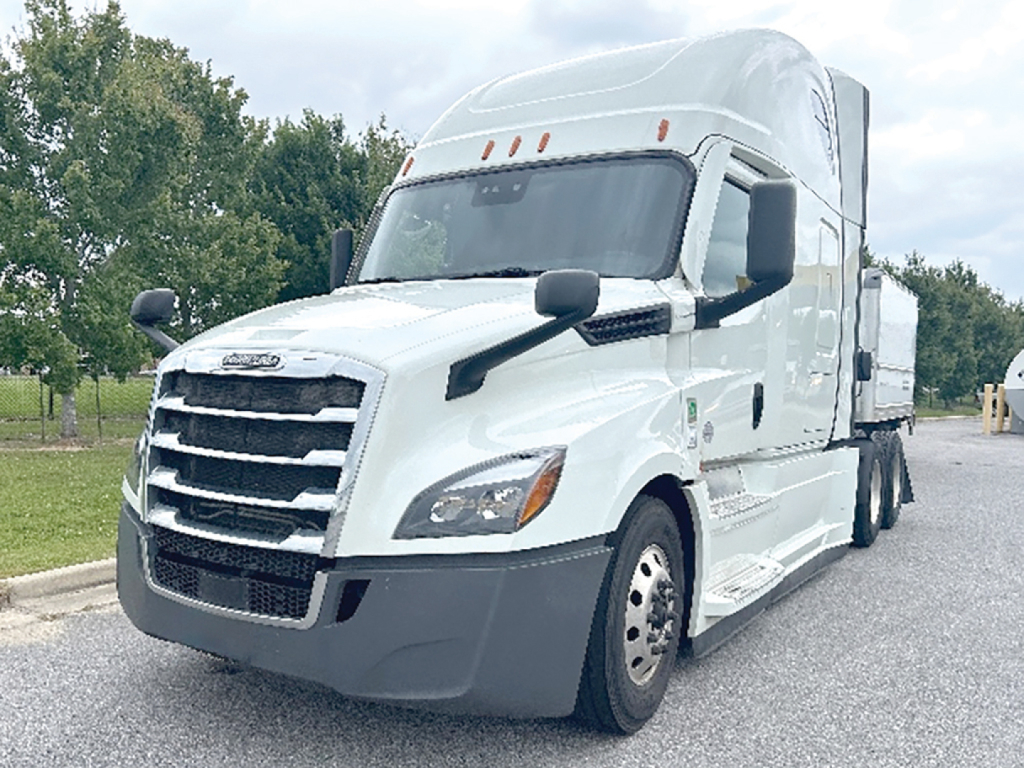
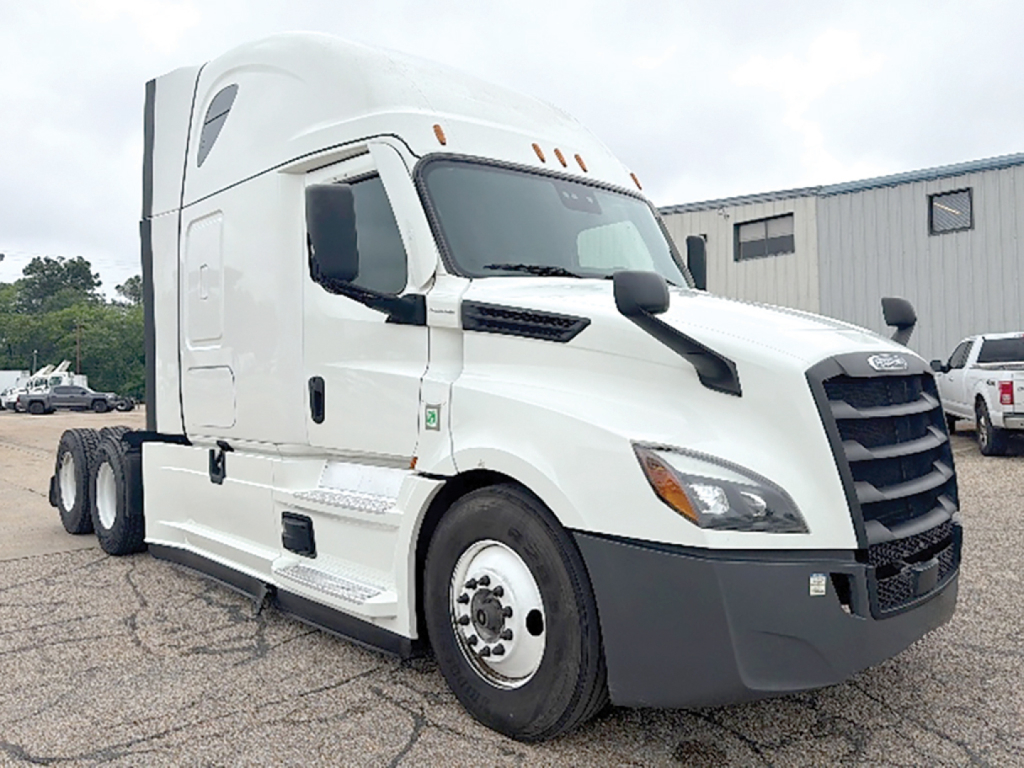
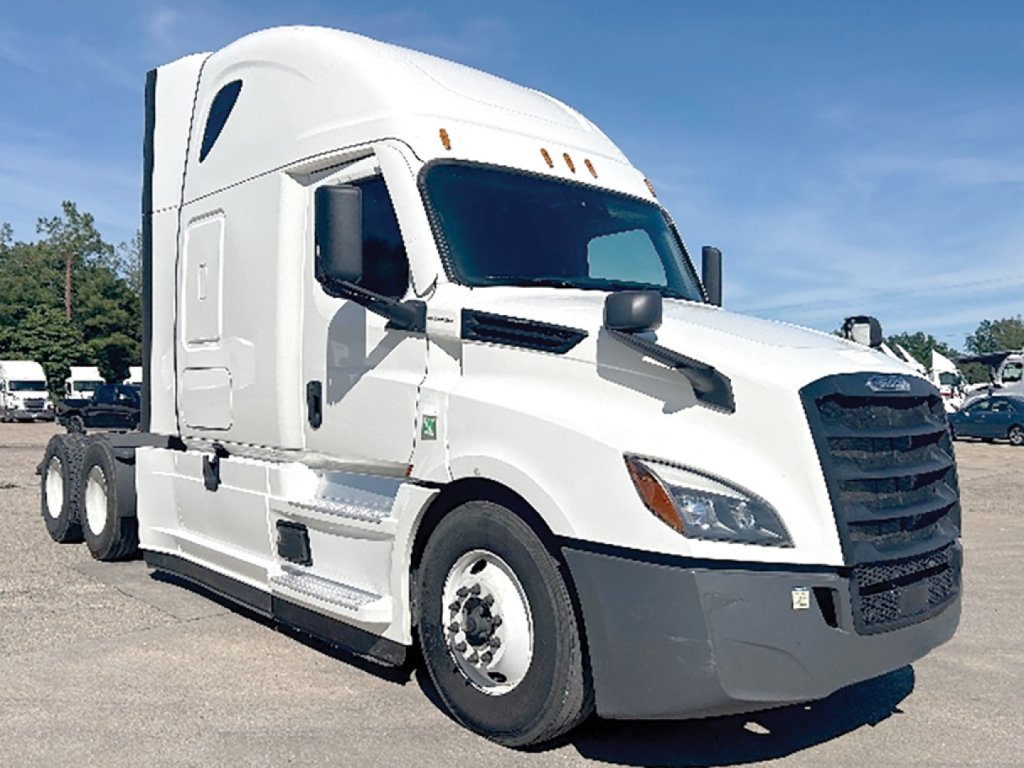
Showing 25 to 48 of 74 results
Have commercial truck to sell? List it here to reach thousands of buyers.
Commercial Trucks in Mississippi
For linehaul and regional freight, conventional sleeper trucks remain the standard. Buyers should look closely at sleeper size, rear axle ratio, engine family, and transmission type, especially if the truck will spend time on I-10, I-20, I-22, I-55, or I-59 moving long miles across the Gulf South. A long-hood platform such as a W900-style conventional sleeper is often chosen for owner-operator appeal, heavier power ratings, and specialized hauling, while more aerodynamic platforms may make better sense for fuel-sensitive fleets. If the truck is intended for heavy-haul or lowboy work, pay attention to wheelbase, frame specs, suspension rating, PTO provisions, and whether the tractor is configured for multi-axle applications.
Day cabs are a strong fit for local haul, port-related moves, dump, equipment transport, and dedicated industrial work around Jackson, Gulfport, Hattiesburg, Meridian, and the Delta. Here, visibility, turning radius, bridge law compliance, and ease of driver entry matter as much as peak horsepower. Buyers comparing day cabs should review front axle capacity, suspension type, fifth wheel placement, and kingpin settings to make sure the tractor matches the trailer spread and legal weight targets. For lowboy and vocational tractor use, heavier front ends, double-frame construction, and higher GCWR capability can matter more than sleeper amenities or highway aerodynamics.
Cab and chassis trucks are the most flexible option when the body has not been installed yet. They are commonly ordered for dump bodies, service bodies, roll-offs, vacuum equipment, tank applications, and other vocational upfits. The critical buying points are usable cab-to-axle, axle-back measurement, frame rail dimensions, transmission PTO compatibility, and suspension capacity. In Mississippi, where trucks may split time between paved highway, jobsite access roads, timber routes, and municipal service, a well-matched chassis specification is what determines long-term uptime. A truck that is correctly spec'd for body length, payload, and terrain will usually outperform a higher-horsepower truck that was built for the wrong job.
Frequently Asked Questions about Commercial Trucks in Mississippi
What types of trucks are most common for sale in Mississippi?
The most common heavy-duty truck categories in Mississippi are conventional day cabs, conventional sleepers, and cab & chassis trucks. Day cabs are widely used for local hauling, port work, dump and equipment transport. Sleeper trucks are more common in regional and over-the-road service. Cab & chassis models are purchased when the buyer plans to install a dump body, service body, roll-off, tanker, or another vocational upfit.
What should I check first when comparing a sleeper truck to a day cab?
Start with route length and duty cycle. A sleeper truck makes sense when the truck will regularly run overnight or long regional lanes, while a day cab is usually better for local and return-to-home operations. After that, compare wheelbase, axle ratio, horsepower, transmission, and gross combination weight rating. Those factors affect fuel economy, maneuverability, trailer compatibility, and how well the truck fits the work.
Why does wheelbase matter so much on heavy-duty trucks?
Wheelbase affects turning radius, bridge law positioning, body fitment, fifth wheel location, and how the truck balances weight across the axles. A longer wheelbase may be needed for certain heavy-haul or body-builder applications, but it can reduce maneuverability in tighter yards or urban delivery points. On a cab & chassis, wheelbase also determines whether the planned body length and cab-to-axle dimensions will work without major modification.
Is a cab and chassis truck better than a factory-built vocational truck?
A cab and chassis truck is better when the buyer needs flexibility in body choice or a more exact chassis specification. It allows the body builder to match frame length, PTO setup, suspension, and axle spacing to the intended application. A factory-built vocational truck can be faster to deploy if the body and chassis are already matched, but a cab & chassis often provides more control over the final build.
What specs matter most for lowboy or heavy-haul truck buyers?
Heavy-haul buyers should focus on engine torque, transmission type and ratio spread, front axle capacity, rear suspension rating, frame reinforcement, wheelbase, and multi-axle compatibility. Fifth wheel placement and kingpin settings also matter because they affect steer axle loading and trailer balance. A truck built for lowboy work should be evaluated on structural spec and legal weight capability, not just horsepower.