
Day Cab Trucks For Sale in Mississippi
Browse Mississippi day cab trucks for sale. Compare specs, axle setups, sleeper-delete configurations, and heavy-haul options.
Learn moreBrowse Day Cab Trucks by Make
Have day cab truck to sell? List it here to reach thousands of buyers.
About Day Cab Trucks in Mississippi
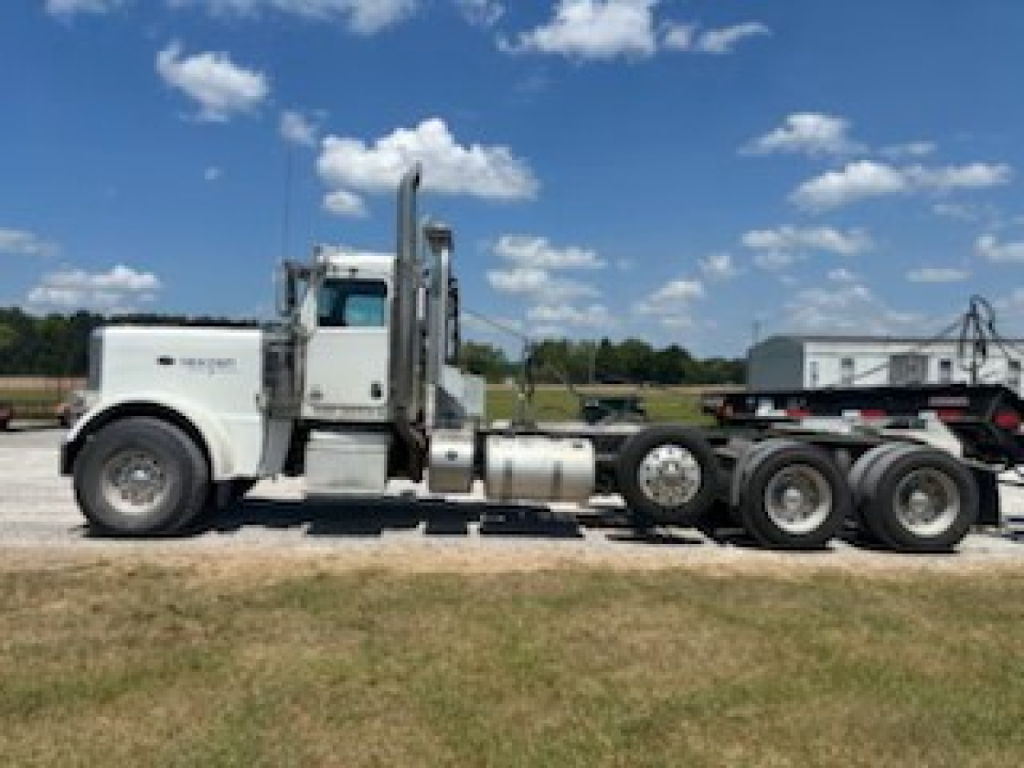
The most important buying decision is usually the chassis and drivetrain configuration, not the badge on the hood. Buyers should look closely at wheelbase, front axle rating, rear axle ratio, suspension type, and whether the truck is a tandem, tri-axle, or pusher-equipped configuration. A day cab used for general freight may prioritize fuel economy and a lighter spec, while a truck set up for lowboy, dump, or vocational pulling may need higher horsepower, heavier rear suspensions, locking differentials, dual frame rails, and steerable lift axles. Common engine ranges run from mid-400 HP into 500-plus HP depending on application, with automated manuals and traditional manual transmissions both still common in this category.
Cab layout and driver environment matter more than many buyers expect because day cabs spend their lives in repeated entry-exit cycles and urban or regional traffic. Visibility, door opening angle, seat durability, switch layout, and HVAC performance all affect driver comfort and uptime. In Mississippi service, a strong cooling system, clean aftertreatment history, and good A/C performance deserve extra attention. Many buyers also check PTO provisions, wet kit compatibility, frame spacing, fifth wheel travel, and air and electrical routing to make sure the tractor matches the trailer or body work it will handle.
Used day cab trucks can vary widely from fleet highway tractors converted from sleeper configurations to purpose-built heavy-spec units ordered from the factory. That makes application fit critical. Look at GCWR, maintenance records, idle hours if available, brake and tire condition, kingpin-to-back-of-cab clearance, and signs of frame modification or prior vocational use. A well-matched day cab can deliver excellent productivity for regional freight, container work, construction support, and specialized hauling while keeping acquisition cost and empty weight under control.
Frequently Asked Questions
What is a day cab truck used for?
A day cab truck is used for local and regional hauling where the driver returns home daily and does not need a sleeper berth. Common applications include container drayage, dedicated route freight, dump trailer work, flatbed, tanker, pneumatic bulk, and heavy-haul. The shorter cab and reduced weight can improve maneuverability and leave more capacity for payload or vocational equipment.
What should I look for when buying a used day cab in Mississippi?
Focus on the truck's intended application first, then confirm the spec supports it. Key items include axle ratings, wheelbase, suspension, rear axle ratio, transmission type, PTO capability, and fifth wheel position. In Mississippi, cooling system condition, air conditioning performance, rust or corrosion, aftertreatment service history, and tire condition are especially important because regional heat, humidity, and mixed on-road and jobsite use can expose weak points quickly.
Are day cab trucks good for heavy-haul or vocational work?
Yes, but only if they are properly spec'd. A heavy-haul day cab may have a high-horsepower engine, heavier front axle, double frame, locking rears, lift axle or pusher axle, and a transmission suited for starting heavy loads. Many day cabs are built for standard highway freight, so buyers should verify the truck's axle capacity, frame configuration, and suspension before assuming it can handle lowboy, construction, or specialized trailer duty.
What is the difference between a day cab and a sleeper truck?
A day cab does not have a sleeper compartment behind the seats, while a sleeper truck includes a berth for overnight operation. The day cab is usually lighter, shorter, and easier to maneuver in tight yards, city routes, and regional lanes. A sleeper truck is better suited for long-haul operation where the driver needs onboard living space and extended time away from the terminal.
Can a sleeper truck be converted into a day cab?
Yes, some trucks are converted by removing the sleeper and installing a day cab rear wall or cab extension. A converted truck can still be a solid option, but buyers should inspect the quality of the conversion, frame condition, wiring and airline routing, cab finish, and fifth wheel placement. Factory-built day cabs and converted units can both perform well, but the details of the work matter for durability and serviceability.