
Peterbilt Day Cab Trucks For Sale in Mississippi
Browse Peterbilt day cab trucks in Mississippi. Compare vocational and regional spec options, wheelbases, axle setups, and cab configurations.
Learn more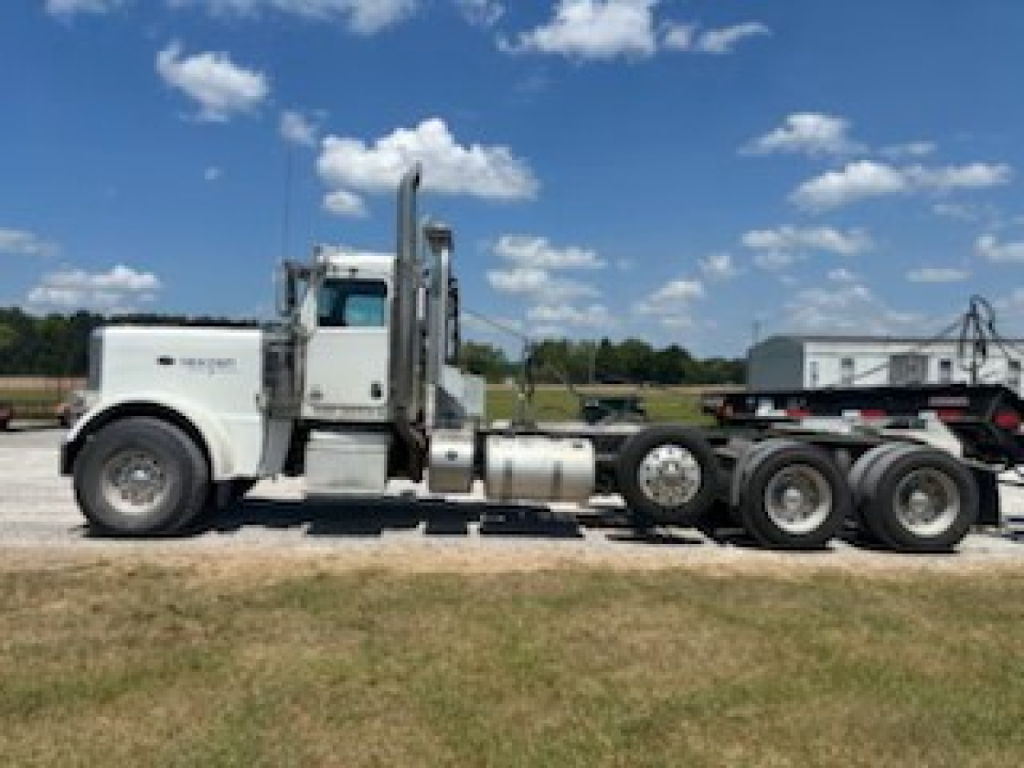
Have peterbilt day cab truck to sell? List it here to reach thousands of buyers.
About Peterbilt Day Cab Trucks in Mississippi
Within the Peterbilt lineup, day cab configurations are commonly found on models like the 389, 567, and 579, depending on whether the truck is spec'd for owner-operator appeal, vocational durability, or fleet-oriented regional service. Mississippi buyers may see tandem axle, tri-axle, and pusher-equipped setups, especially on trucks intended for heavier payloads or specialized applications. A steerable pusher can improve legal payload distribution while helping preserve maneuverability in tighter yards and urban delivery points. Engine and transmission choices vary widely, but many buyers look for proven combinations from PACCAR or Cummins paired with automated manual or traditional manual transmissions, depending on driver preference and duty cycle.
Cab and chassis details deserve close attention on any Peterbilt day cab. Hood length, setback or set-forward axle layout, suspension rating, frame specification, rear axle ratio, and fifth wheel position all affect how the truck performs once it is put to work. If the truck will stay on regional lanes with frequent stops, a lighter spec and fuel-efficient drivetrain may make more sense than a long-wheelbase highway setup. If it will handle lowboy, end dump, or equipment transport, heavier suspensions, higher horsepower, double frame sections, and PTO readiness may be more important. Interior condition also matters more than many buyers expect, since a day cab truck sees constant entry and exit and usually spends its life in high-cycle service.
Peterbilt remains a strong choice in the day cab market because the brand is known for driver acceptance, parts support, and broad vocational flexibility. On used trucks, service history, emissions system condition, front axle wear, suspension bushing condition, and evidence of prior body or frame modifications should all be reviewed carefully. Buyers in Mississippi should also consider corrosion exposure, prior off-road use, and cooling system performance in hot, humid conditions. A well-matched Peterbilt day cab can serve for many years in local and regional work if the chassis spec aligns with the load, body, and route requirements.
Frequently Asked Questions
What is a Peterbilt day cab truck used for?
A Peterbilt day cab is used for local and regional jobs that do not require sleeper accommodations. Common applications include container haul, dump service, equipment hauling, regional dry van and flatbed work, tanker service, and dedicated industrial routes. The main advantage is a shorter overall truck length, easier cab access, and better maneuverability compared with a sleeper truck.
Which Peterbilt models are commonly available as day cabs?
Peterbilt day cabs are commonly built on models such as the 389, 567, and 579. The 389 is often chosen for owner-operator and heavy spec applications, the 567 is common in vocational service, and the 579 is frequently used in regional and fleet work where fuel economy and aerodynamics are priorities. Actual chassis specifications can vary significantly even within the same model.
What should I check on a used Peterbilt day cab?
Key inspection points include engine hours, service records, DPF and SCR maintenance history, clutch or automated transmission performance, suspension wear, steering play, frame condition, and axle ratings. Buyers should also verify wheelbase, rear axle ratio, fifth wheel placement, and PTO provisions to make sure the truck fits the intended trailer or body application. On vocational units, look closely for signs of overloading, off-road stress, and prior frame alterations.
Is a tri-axle or pusher axle Peterbilt day cab a good fit for Mississippi work?
A tri-axle or pusher-equipped Peterbilt day cab can be a strong fit for Mississippi operations that need added payload capacity or better axle weight distribution. These setups are common in dump, aggregate, refuse, and certain heavy regional applications. The tradeoff is added complexity, more components to maintain, and possible limits in certain routes or yard environments, so the axle configuration should match the legal and operational demands of the job.