
Used Garbage Trucks For Sale
Browse used garbage trucks for sale, including rear loaders, front loaders, and side loaders with PTO-driven bodies for municipal and refuse routes.
Learn moreBrowse Garbage Trucks by Make

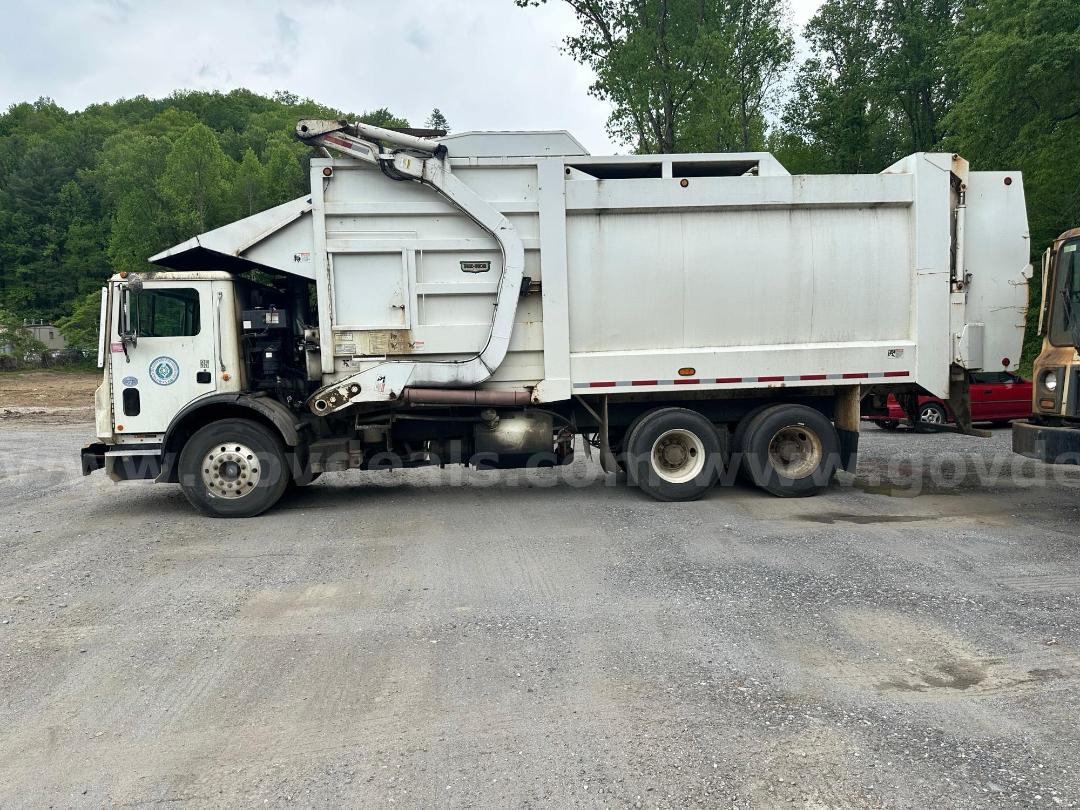
Showing 13 to 20 of 20 results
Have used garbage truck to sell? List it here to reach thousands of buyers.
About Used Garbage Trucks
Frequently Asked Questions
What should I check first on a used garbage truck?
Start with the body and hydraulic system, not just the engine and transmission. Refuse trucks work through constant stop-and-go service, PTO operation, and packer cycling, so packer cylinders, ejector systems, pumps, hoses, valves, body floors, tailgate seals, and hopper structure deserve close inspection. Rust-through in the body, cracked welds, leaking cylinders, and a worn floor can turn a low purchase price into a major repair bill. Confirm that the packer cycles correctly, the tailgate seals and locks properly, and the PTO engages without abnormal noise or delay.
What are the main types of garbage trucks and how do they differ?
Rear loaders are designed for loading refuse through a rear hopper and are widely used for residential and smaller commercial accounts. Front loaders lift commercial dumpsters over the cab and dump material into the top of the body, making them a standard choice for commercial waste collection. Side loaders pick up containers from the side of the truck, and automated side loaders use hydraulic arms to service carts with minimal labor. The right choice depends on route density, labor model, container type, and local collection contracts.
Are low-entry cab garbage trucks better for refuse routes?
Low-entry cabs are often preferred for refuse service because they improve driver visibility, reduce step height, and make repeated entry and exit easier during dense collection routes. Models such as the Mack LR, Autocar ACX, and Crane Carrier low-entry chassis are built specifically for vocational duty cycles with tight turning and frequent stops. They are especially useful in urban and suburban residential work where safety, maneuverability, and operator comfort directly affect route productivity.
What engine and fuel options are common on used garbage trucks?
Diesel remains common in older and mixed-fleet refuse trucks, but CNG is also widely seen in municipal and contracted sanitation fleets. Cummins and other vocational engine platforms are common, paired with Allison automatic transmissions because automatic operation suits heavy stop-start collection work. Buyers considering CNG should inspect tank age, certification status, fuel system service records, and local fueling access. Fuel choice should match the fleet's maintenance capability and route economics, not just the initial purchase price.
How do I match body size and GVWR to the route?
Refuse trucks are typically spec'd around body capacity in cubic yards, axle ratings, and legal loaded weight. A rear loader in the 20 to 25 yard range is common for residential collection, while front loaders may be spec'd around commercial container volume and payload needs. The correct setup depends on route density, material type, transfer distance, and local bridge and axle regulations. Buyers should verify body manufacturer, body model, yard rating, front and rear axle capacities, and total GVWR so the truck fits both the route and compliance requirements.