
Freightliner Trucks For Sale
Freightliner trucks for sale, including Cascadia sleepers and M2 box trucks, focusing on tare weight, corrosion protection, floor rating, insulation.
Learn moreBrowse Freightliner Trucks by Category
555 Listings
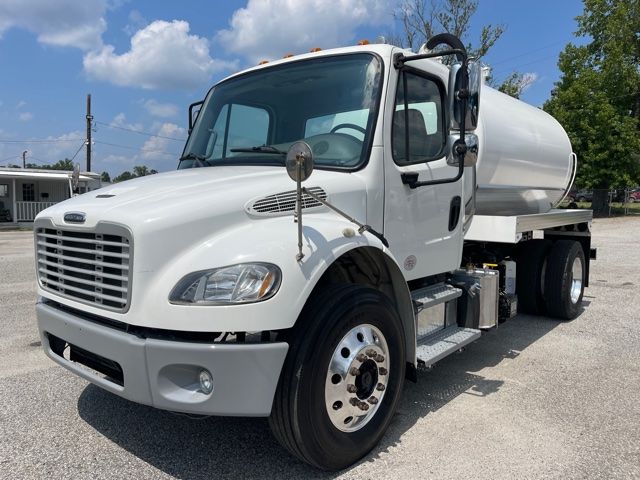
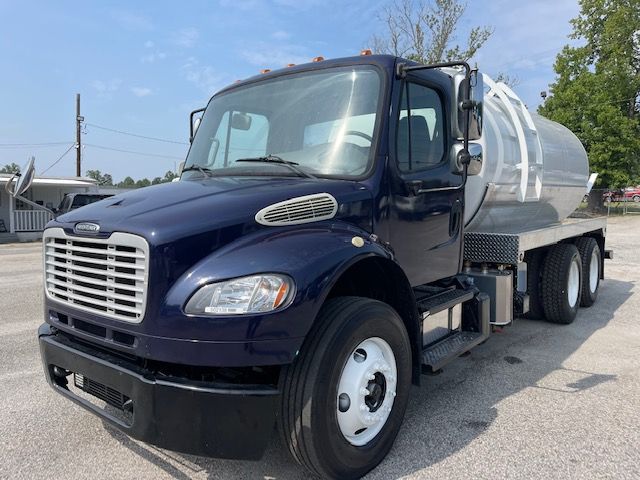
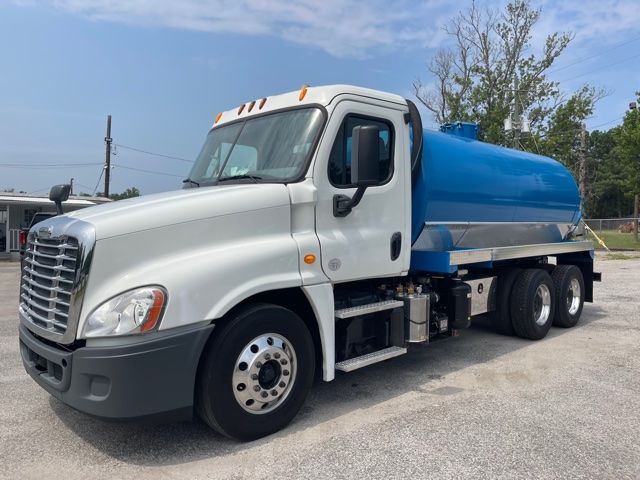
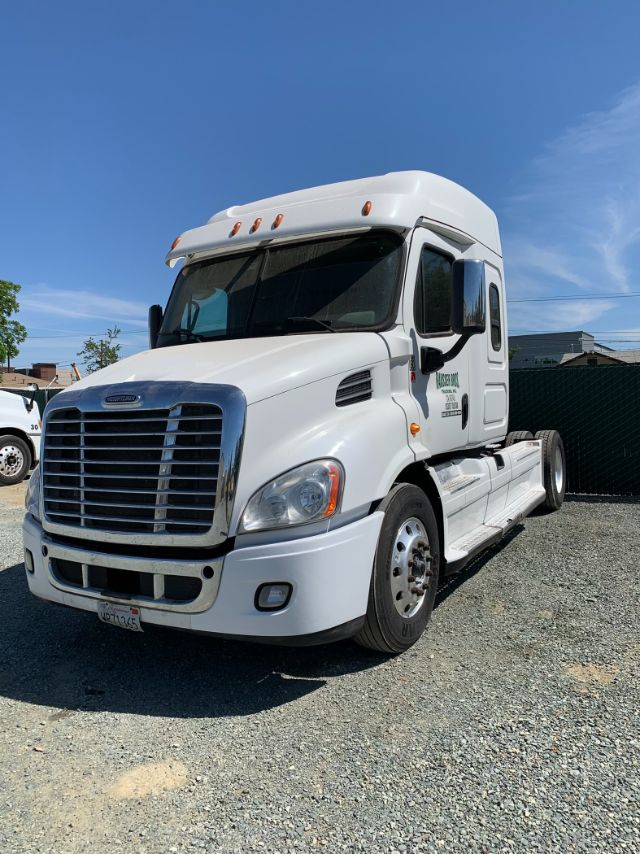
Showing 505 to 516 of 555 results
Have freightliner truck to sell? List it here to reach thousands of buyers.
About Freightliner Trucks
Freightliner trucks span Class 6 through Class 8, including Cascadia highway tractors, M2 106 and 112 medium duty, and 108SD, 114SD, and 122SD vocational platforms. The brand is recognized for aerodynamic efficiency, strong frame RBM ratings, broad parts support, and driver focused cabs. Buyers comparing Freightliner trucks for sale should weigh tare weight, corrosion protection on frame rails and crossmembers, and the match between wheelbase, axle spacing, and intended body length or trailer swing clearance.
Powertrain integration with Detroit DD13, DD15, and the DT12 automated manual delivers low cruise rpm and consistent fuel economy, while Cummins B6.7, L9, and X12 with Allison 3000 or 4000 are common in regional and vocational builds. Tare weight can be trimmed with aluminum wheels, optimized fuel and DEF capacity, air disc brakes when paired with aluminum hubs, and lighter fifth wheel assemblies, but balance savings against payload, heat rejection, and brake serviceability. Look for deep RBM frame rails with or without inner liners as the job demands, galvanized or e coated brackets, sealed electrical connectors, and stainless or composite hardware in salt exposed zones to curb corrosion.
On straight trucks with dry van or reefer bodies, floor strength and thermal integrity drive uptime and resale. A hardwood or laminated floor with steel or aluminum crossmembers on 12 inch or 10 inch centers resists point loads, and a documented forklift rating such as 12K, 16K, or 18K defines what the deck can handle without excessive deflection. Heavy scuff liners at 12 inch or 24 inch, full height wearbands, and recessed logistics track limit wall damage. For reefers, foam in place insulation with thermal breaks at posts, a sealed return air bulkhead, tight rear door seals, and an insulated ducted floor help maintain setpoint, reduce unit run hours, and protect fuel consumption. Air ride suspensions and wide base or low rolling resistance tires can further protect cargo while improving efficiency.
Corrosion resistance is critical in snowbelt and coastal work, so inspect cab mounts, frame paint adhesion, battery box trays, aftertreatment hangers, and aluminum cab edges for blistering. Verify Detroit Assurance or Bendix collision mitigation, axle ratios for your target cruise at 65 to 70 mph, and PTO provisions if wet kits or hydraulic drives are required. For tractors, confirm fifth wheel height and slider travel to match trailer kingpin setting and maintain swing clearance, and for box trucks check body to cab seal integrity, roof seams, and liftgate capacity relative to floor rating. Balance low tare weight against durability and thermal performance, since shaving pounds with thinner floors or lighter doors can raise damage rates and temperature leakage over time. eCascadia and eM2 add zero tailpipe emissions and reduced maintenance, but route lengths, charger access, and battery payload impact must be evaluated carefully.
Powertrain integration with Detroit DD13, DD15, and the DT12 automated manual delivers low cruise rpm and consistent fuel economy, while Cummins B6.7, L9, and X12 with Allison 3000 or 4000 are common in regional and vocational builds. Tare weight can be trimmed with aluminum wheels, optimized fuel and DEF capacity, air disc brakes when paired with aluminum hubs, and lighter fifth wheel assemblies, but balance savings against payload, heat rejection, and brake serviceability. Look for deep RBM frame rails with or without inner liners as the job demands, galvanized or e coated brackets, sealed electrical connectors, and stainless or composite hardware in salt exposed zones to curb corrosion.
On straight trucks with dry van or reefer bodies, floor strength and thermal integrity drive uptime and resale. A hardwood or laminated floor with steel or aluminum crossmembers on 12 inch or 10 inch centers resists point loads, and a documented forklift rating such as 12K, 16K, or 18K defines what the deck can handle without excessive deflection. Heavy scuff liners at 12 inch or 24 inch, full height wearbands, and recessed logistics track limit wall damage. For reefers, foam in place insulation with thermal breaks at posts, a sealed return air bulkhead, tight rear door seals, and an insulated ducted floor help maintain setpoint, reduce unit run hours, and protect fuel consumption. Air ride suspensions and wide base or low rolling resistance tires can further protect cargo while improving efficiency.
Corrosion resistance is critical in snowbelt and coastal work, so inspect cab mounts, frame paint adhesion, battery box trays, aftertreatment hangers, and aluminum cab edges for blistering. Verify Detroit Assurance or Bendix collision mitigation, axle ratios for your target cruise at 65 to 70 mph, and PTO provisions if wet kits or hydraulic drives are required. For tractors, confirm fifth wheel height and slider travel to match trailer kingpin setting and maintain swing clearance, and for box trucks check body to cab seal integrity, roof seams, and liftgate capacity relative to floor rating. Balance low tare weight against durability and thermal performance, since shaving pounds with thinner floors or lighter doors can raise damage rates and temperature leakage over time. eCascadia and eM2 add zero tailpipe emissions and reduced maintenance, but route lengths, charger access, and battery payload impact must be evaluated carefully.