
Chevrolet Trucks For Sale
Chevrolet trucks for sale, from Silverado 2500HD and 3500HD to 4500HD to 6500HD chassis cabs, Duramax or gas power, Allison autos, box, dump, flatbed, reefer.
Learn moreBrowse Chevrolet Trucks by Category
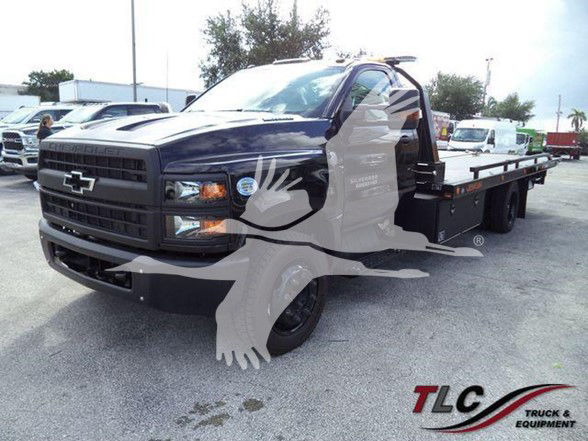
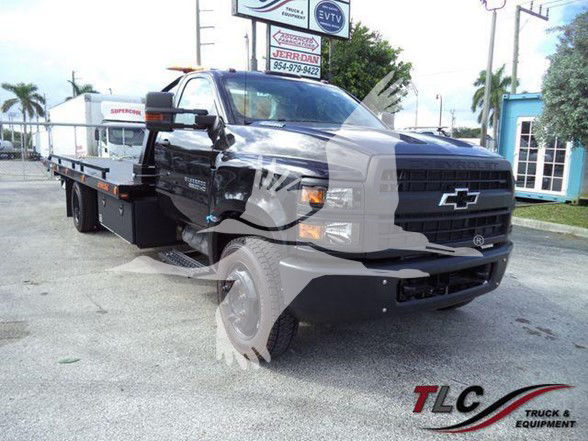
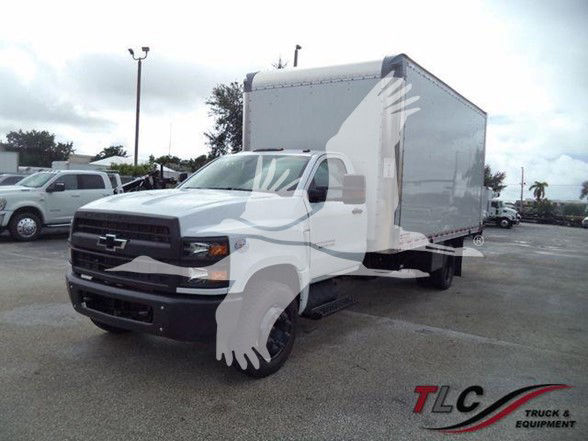
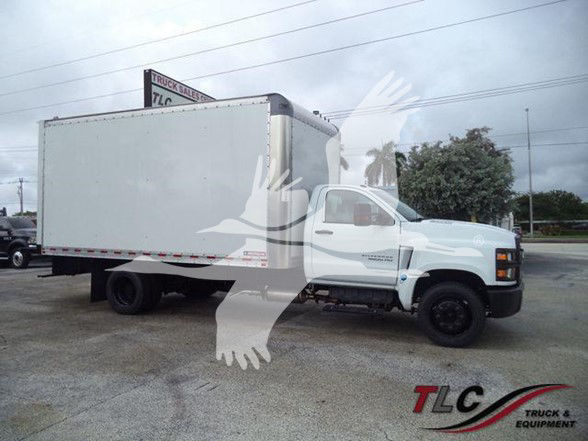
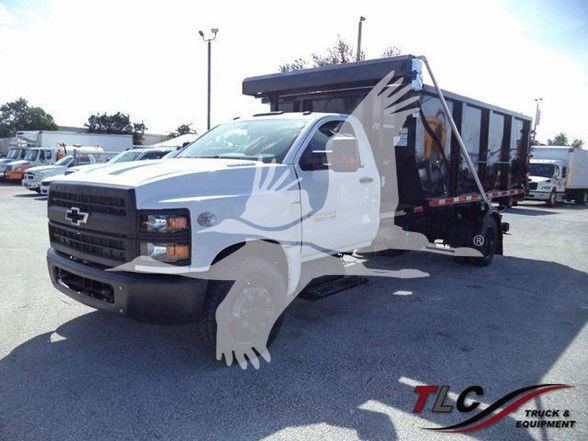
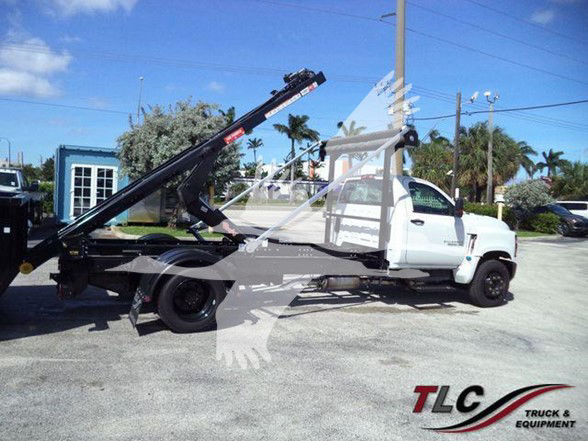
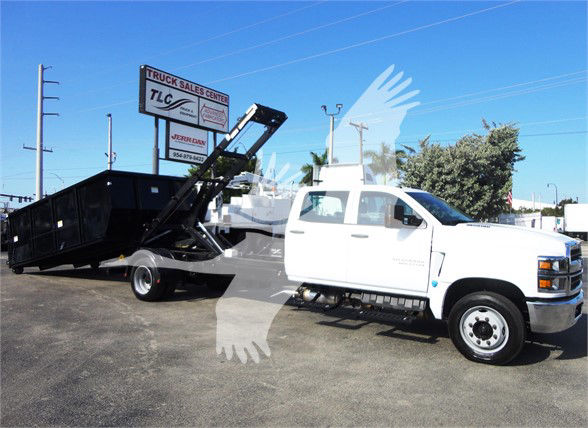
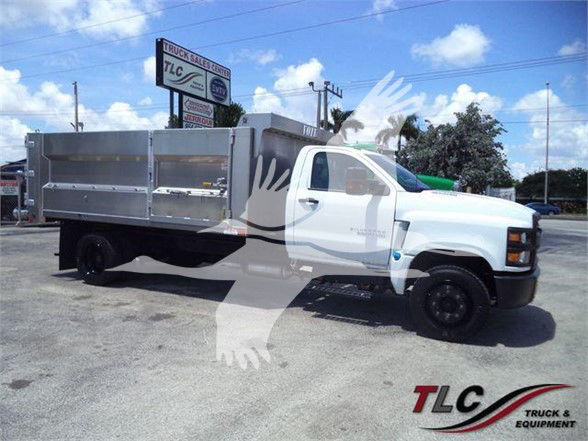
![[Vehicle] 2023 Chevrolet Silverado 6500HD dump truck with bed raised showing hydraulic system and chassis.](https://cdn.truckertotrucker.com/large/a1775d58-6c91-43e4-99c5844caa3d7d49.jpg)
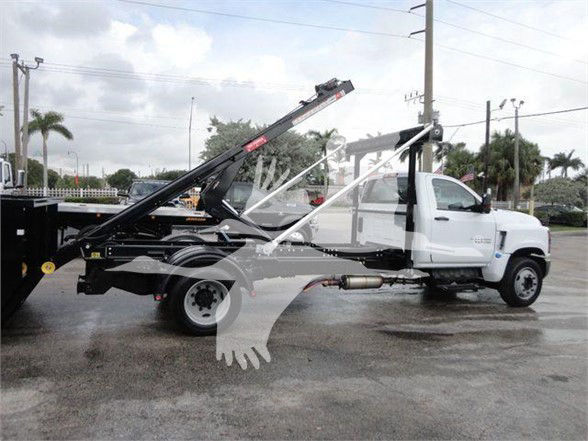
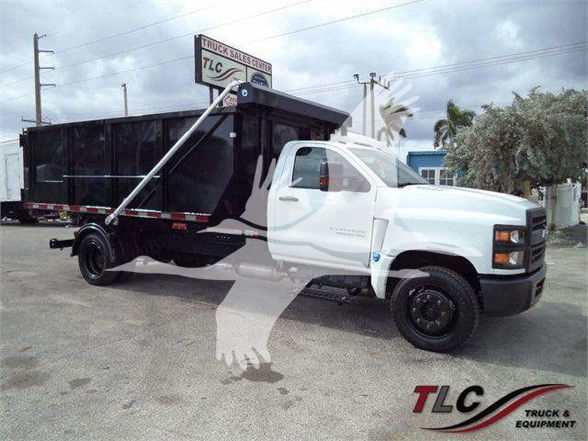

Showing 49 to 60 of 75 results
Have chevrolet truck to sell? List it here to reach thousands of buyers.
About Chevrolet Trucks
Floor strength depends on the body you choose and the rail it is mounted to. Silverado HD beds use high strength steel floors, boxed cross sills, and integrated tie downs, and benefit from spray in liners or bed mats when loads point load on small footprints. On chassis cabs, look for van bodies with 1 to 1 1/8 inch hardwood or laminated plank floors, 12 inch on center crossmember spacing, and 10 to 16 inch scuff liners to prevent wall and floor crush from pallets. Flatbeds should list deck material and thickness, stake pockets, and forklift rating. Dump bodies with 3/16 to 1/4 inch steel floors, full length longitudinal sills, and properly gusseted hoists better resist denting and torsional twist when off road. Confirm frame reinforcement plates if you run heavy center of floor loads or cranes.
Tare weight drives payload and fuel burn. Gas HD pickups and lighter aluminum or composite service bodies reduce curb weight, improving payload and braking margin, while diesels, 4x4, crew cabs, dual rear wheels, liftgates, and reefer units add significant weight. Medium duty Chevrolet frames handle heavy equipment, but body material and component choices still swing hundreds of pounds, so request certified weight tickets when possible. Balance axle ratios to duty cycle, lower numerically for highway linehaul and higher numerically for stop and go or grades, and size springs or air ride conversions to keep ride height, pinion angle, and brake balance correct under load.
Corrosion resistance is strong on late model Chevrolet trucks, with e coat frame treatments, galvanized or galvanneal panels, sealed connectors, and optional underbody wax. In salt states, stainless hardware, periodic chassis washing, and aluminum or composite bodies extend service life, and watch older Kodiak era units for frame scaling and steel brake or fuel line corrosion. Thermal integrity matters for both powertrain and cargo, heavy duty cooling stacks and transmission coolers maintain temps under tow or PTO idle, and refrigerated box builds should show foam in place insulation with proper density, thermal breaks at door frames, tight rear door seals, and a protected T floor so the insulation is not crushed. The medium duty one piece tilt hood improves service access, shortening PM times and protecting uptime.
Frequently Asked Questions
Which engines and transmissions are most common on Chevrolet commercial trucks?
Most late model Chevrolet HD pickups offer a 6.6L gas V8 and a 6.6L Duramax diesel, paired with heavy duty automatics. Medium duty 4500HD to 6500HD chassis cabs commonly pair the Duramax with Allison automatic transmissions that offer PTO provisions and robust cooling. Gas is lighter and simpler for short routes, diesel provides higher torque, engine braking assistance via transmission programming, and better performance under sustained grades or heavy PTO loads.
How do I choose between gas and diesel for a Silverado HD or 4500HD to 6500HD chassis cab?
Match the engine to duty cycle. Gas lowers purchase price and tare weight, works well for shorter routes, lower annual miles, and minimal idling. Diesel carries a higher curb weight and cost, but delivers more torque for towing and heavier payloads, better fuel efficiency at load, stronger resale, and better PTO performance. If you idle for PTO or run steep grades, diesel often pencils out, if you run light loads and local routes, gas can reduce total cost.
What should I check to ensure adequate floor strength on a Chevrolet based box, flatbed, or dump truck?
Review body specs, not just the chassis. For box bodies, look for 1 to 1 1/8 inch hardwood or laminated floors, crossmembers 12 inches on center, forklift floor ratings, and 10 to 16 inch scuff liners. For flatbeds, confirm deck material and thickness, stake pocket layout, headboard strength, and crane or hoist subframe reinforcements. For dumps, a 3/16 to 1/4 inch steel floor with long sills and proper hoist geometry resists denting and twist. Verify the Chevrolet frame RBM and any reinforcement plates align with the intended load concentration.
How do Chevrolet trucks address corrosion for rust belt or coastal operations?
Late model Chevrolet trucks use e coat baths on frames, galvanized or galvanneal body panels, sealed electrical connectors, and available underbody wax coatings. For harsh environments, specify aluminum or composite service bodies where possible, add stainless fasteners, apply quality undercoating after upfit, and schedule regular washdowns of frame rails, spring hangers, brake backing plates, and crossmembers. On older Kodiak based units, inspect frame flanges, brake and fuel lines, and cab steps for scaling or pitting before purchase.
What affects tare weight and payload most on Chevrolet HD and Medium Duty trucks?
Curb weight swings come from engine choice, cab size, drivetrain, and body materials. Diesels, 4x4, crew cabs, dual rear wheels, liftgates, and reefers add weight, while gas engines, regular cabs, single rear wheels, and aluminum or composite bodies reduce it. Wheelbase and CA length also matter, longer frames and larger fuel tanks add pounds. Request a recent scale ticket and compare against axle ratings to ensure legal payload with your specific upfit and typical load.