
2026 Trucks For Sale in Alabama
Shop 2026 trucks for sale in Alabama, including day cabs, sleepers, and box trucks with current specs for heavy haul, regional, and delivery work.
Learn morePopular Trucks Categories
Showing 49 to 51 of 51 results
Have 2026 truck to sell? List it here to reach thousands of buyers.
About 2026 Trucks in Alabama
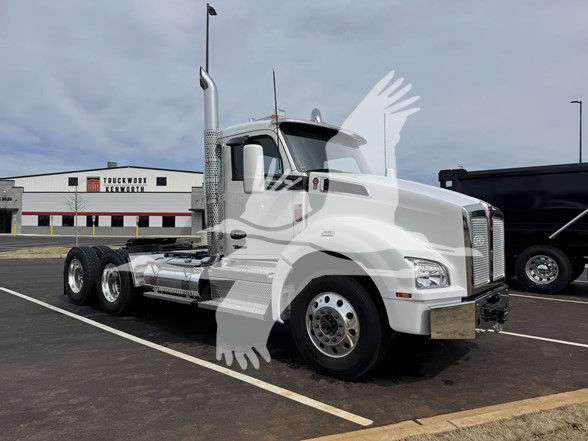
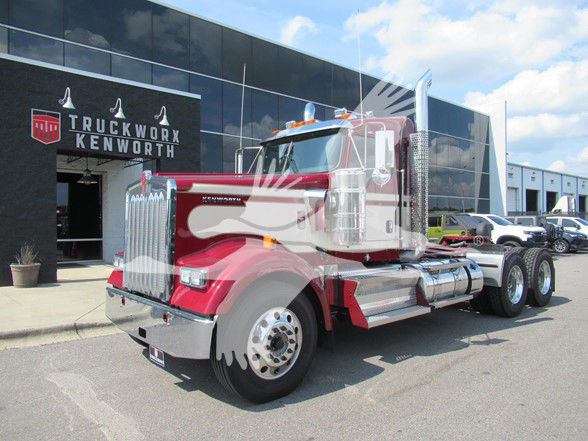
On the Class 8 side, 2026 conventional trucks commonly include day cabs and sleepers built around proven platforms like the Kenworth T880 and W900L. Buyers comparing these trucks should pay close attention to engine rating, transmission type, axle setup, suspension, and wheelbase. A Cummins X15 in the 500 to 565 horsepower range is a common fit for heavy haul, lowboy, and severe-service applications, especially when matched with ratios like 4.10 or 4.30 and tandem or tri-axle configurations. Shorter wheelbases around 200 inches tend to suit maneuverability and vocational work, while longer wheelbases closer to 250 to 300 inches are more common on specialized haul setups or sleeper trucks. Suspensions such as AG460 or Neway remain popular because they balance durability, ride quality, and load stability.
For on-highway and regional operations, a 2026 sleeper truck can make sense when driver retention, overnight comfort, and multi-day routing matter. A long-hood conventional sleeper, also known as a highway tractor, is often chosen for owner-operator appeal, larger cooling packages, and heavy-spec driveline options. Buyers should look beyond the cab style and focus on real operating costs such as rear axle ratio, tire size, transmission gearing, and expected cruise RPM. An automated manual transmission like the Endurant can reduce driver fatigue and improve consistency, while a manual gearbox may still be preferred in specialized hauling or by drivers with strong gear-splitting habits.
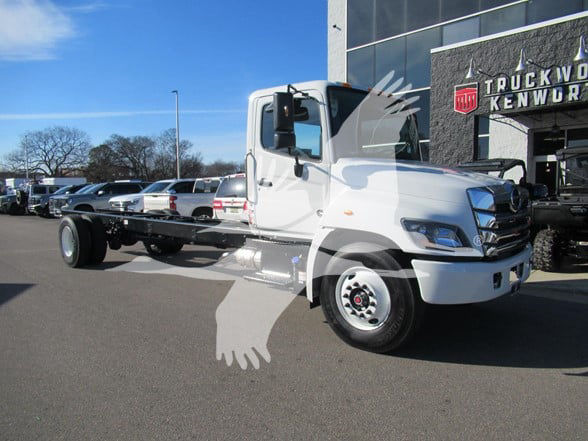
Medium-duty 2026 trucks are equally important in Alabama, especially box trucks used in retail distribution, route delivery, and moving applications. A Class 7 box truck with a Cummins B6.7, Allison automatic, liftgate, rear roll-up door, and E-track is a practical setup for fleets that need cargo control and easy loading at docks or curbside stops. When comparing 2026 trucks in this category, buyers should match GVWR, body length, wheelbase, and door or liftgate configuration to the freight they move every day. The best truck is the one whose chassis, cab, driveline, and body spec fit the job without adding unnecessary weight, complexity, or maintenance exposure.
Frequently Asked Questions
What should I look at first when comparing 2026 trucks for sale in Alabama?
Start with the truck’s intended application, then compare axle configuration, horsepower, transmission, wheelbase, and suspension. A heavy-haul or lowboy tractor in Alabama often needs more horsepower, deeper rear ratios, and possibly a tri-axle setup, while a regional day cab or box truck may benefit more from a lighter spec, automated transmission, and lower operating cost. The right spec depends on payload, terrain, route length, and how often the truck will run loaded versus empty.
Are 2026 day cabs or sleeper trucks better for Alabama operations?
A 2026 day cab is usually the better choice for local haul, vocational work, construction support, port drayage, and short regional routes because it reduces weight and keeps the truck simpler. A 2026 sleeper truck is a better fit for longer lanes, overnight runs, and fleets focused on driver comfort or retention. The decision comes down to route structure, idle time, storage needs, and how often the driver is away from home.
What engine and transmission combinations are common in 2026 heavy trucks?
Current 2026 heavy truck specs commonly include Cummins X15 engines paired with either automated manual transmissions such as the Endurant or traditional manual gearboxes in specialized applications. Higher horsepower ratings around 500 to 565 horsepower are common in severe-service, heavy-haul, and lowboy specs. Buyers should pair engine output with the correct rear axle ratio and suspension instead of looking at horsepower alone, because gearing and driveline setup have a major effect on launch, gradeability, and fuel economy.
Why does wheelbase matter on a 2026 truck?
Wheelbase affects maneuverability, bridge law compliance, body fitment, ride quality, and how the truck handles its intended load. A shorter wheelbase is generally easier to turn in tight jobsites, city streets, and crowded yards. A longer wheelbase may be required for a sleeper, a specialized tractor layout, or a box truck body, but it can reduce maneuverability if it is longer than the job requires. Buyers should match wheelbase to trailer length, body length, axle layout, and operating environment.
What features matter most on a 2026 box truck?
For a 2026 box truck, the most important features are GVWR, engine and transmission pairing, body length, liftgate capacity, cargo securement, and rear door style. In delivery service, practical items like E-track, a roll-up rear door, and a reliable liftgate often matter more than appearance. A medium-duty chassis with a Cummins diesel and Allison automatic remains a common choice because it is familiar to many fleets and well suited to stop-and-go work.