
Wheel Loaders For Sale in New York
Browse wheel loaders for sale in New York. Compare bucket size, operating weight, horsepower, tire setup, hydraulics, and attachment options.
Learn moreBrowse Wheel Loaders Trucking Equipment by Make
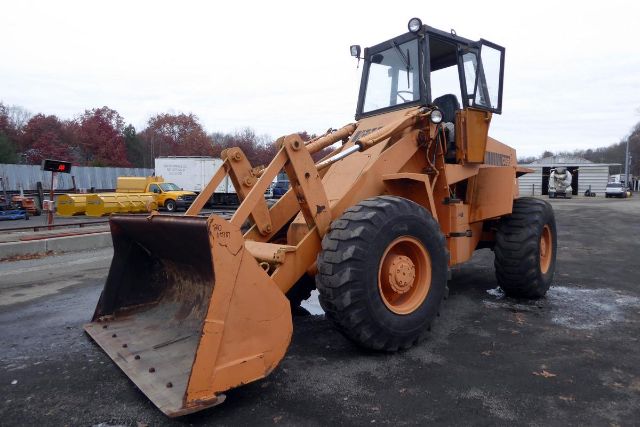
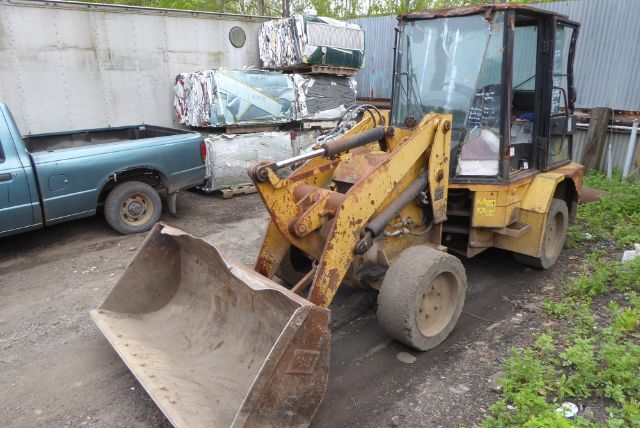
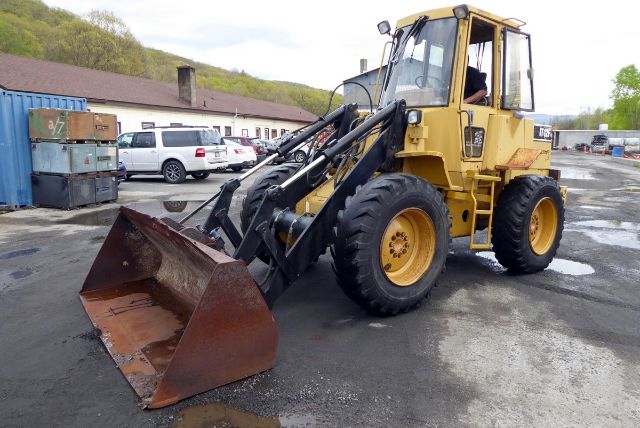
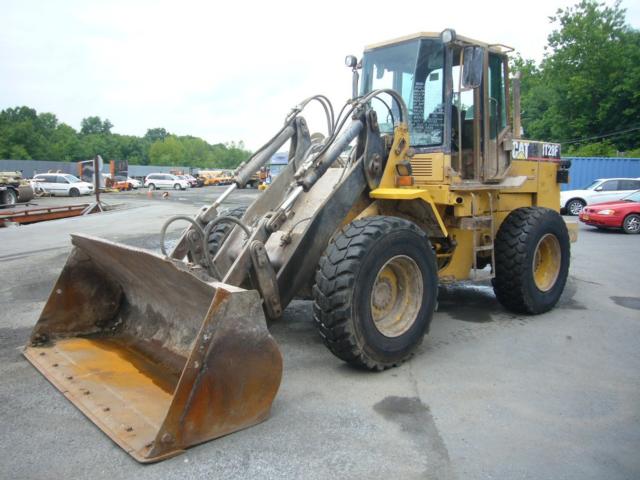
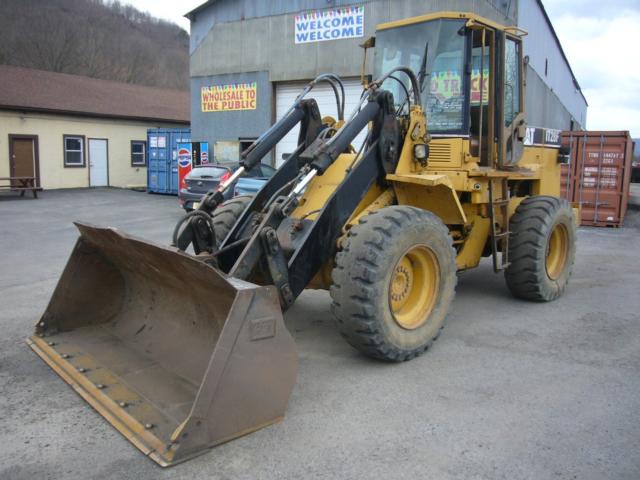
Showing 13 to 19 of 19 results
Have wheel loaders trucking equipment to sell? List it here to reach thousands of buyers.
About Wheel Loaders in New York
Frequently Asked Questions
What size wheel loader is best for truck loading and yard work?
A mid-size wheel loader is often the most practical choice for truck loading, feed yard work, landscape supply, and municipal material handling. Machines in the roughly 2.0 to 3.5 cubic yard bucket range balance reach, breakout force, maneuverability, and transportability. If the work is mostly palletized material, attachment use, or mixed handling, an integrated tool carrier or quick coupler setup can add flexibility. If the material is dense aggregate or demolition debris, buyers should confirm payload, tipping load, and bucket capacity rather than relying on bucket width alone.
What should I check first on a used wheel loader?
Hours matter, but condition matters more. The first areas to inspect are articulation center wear, boom and bucket pin play, hydraulic cylinder leaks, transmission engagement, brake response, tire condition, and any slop in the linkage. The bucket edge, cutting edge, and floor condition also tell you a lot about prior use. On higher-hour machines, watch for seepage around steer cylinders, lift cylinders, and transmission housings, and verify that all gears shift cleanly under load. A machine that starts easily, tracks straight, lifts smoothly, and shows consistent hydraulic response is usually a better indicator than the hour meter alone.
Are quick couplers and third-function hydraulics important on a wheel loader?
Yes, especially if the loader will do more than bucket work. A hydraulic quick coupler reduces downtime when switching between a general-purpose bucket, forks, grapple, snow pusher, or other attachment. Third-function hydraulics are important when the attachment needs its own hydraulic circuit, such as a grapple or specialty tool. For mixed-use fleets, attachment flexibility can improve utilization and reduce the need for multiple dedicated machines. Buyers should still confirm coupler type, attachment compatibility, auxiliary flow, and pin dimensions before assuming attachments will interchange easily.
How do tire size and tire type affect wheel loader performance?
Tire size affects ground clearance, stability, and overall stance, while tread and fill type affect traction, ride quality, and puncture resistance. Common sizes in this category include 17.5-25, 20.5-25, and 23.5R25, depending on machine size. Foam-filled or loaded tires can improve durability in scrap, demolition, and rough yard conditions, but they add weight and can change ride characteristics. Air-filled radials may offer a better ride and traction profile for general yard and road-crossing use. Tire replacement cost is significant on a wheel loader, so remaining tread and sidewall condition should be part of any value comparison.
What features matter most for winter and municipal wheel loader work in New York?
For New York snow and municipal applications, buyers often prioritize enclosed cabs with heat, good visibility, reliable cold-weather starting, and attachment compatibility for buckets, forks, or snow tools. Traction setup is important because loaders may work on packed snow, slush, gravel, and paved lots in the same shift. Brake performance, articulation joint condition, and lighting also deserve close attention in winter service. Machines used for salt, sand, and snow should be checked for corrosion, cab sealing, and heater function, since those details affect operator uptime as much as engine and hydraulic performance.