
Case Wheel Loaders For Sale in New York
Browse Case wheel loaders for sale in New York. Compare bucket size, operating weight, cab features, tires, and loader performance.
Learn more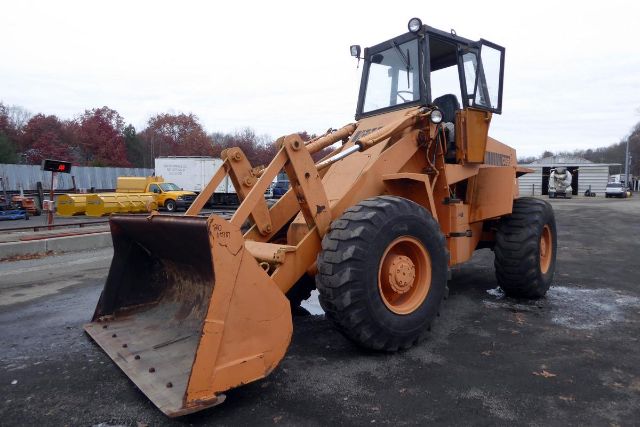
Have case wheel loaders trucking equipment to sell? List it here to reach thousands of buyers.
About Case Wheel Loaders in New York
Older Case wheel loaders and newer models can differ significantly in controls, hydraulics, visibility, and serviceability. Earlier machines often use simpler mechanical engines and more basic transmissions, which can appeal to buyers who want straightforward maintenance and lower electronics complexity. Newer Case loaders typically offer better operator comfort, quicker hydraulic cycle times, improved articulation design, and stronger fuel efficiency. Common buyer checkpoints include articulation joint wear, pin and bushing play, bucket edge condition, center pin integrity, axle seals, brake function, and any seepage at boom or bucket cylinders. On a used loader, those wear areas often tell you more than paint or hour meter readings.
Tires and bucket setup have a major effect on real-world value. A wheel loader fitted with good 20.5-25 or similar-size tires, solid rims, and a straight bucket with usable cutting edge can save substantial reconditioning cost. Buyers should also compare general purpose buckets, high-capacity material buckets, quick coupler setups, fork attachments, and auxiliary hydraulics if the machine may handle palletized loads or seasonal attachments. Enclosed cabs are common and important for Northeast work, especially when the machine is used for winter municipal or contractor applications. Visibility to the bucket corners, steering response, and smooth shifting under load are all important during inspection and test operation.
Case wheel loaders are also known simply as front end loaders or loading shovels, depending on the application and region. For trucking-related operations, the best fit usually comes down to matching the loader's lift capacity and bucket size to the trucks being loaded and the density of the material being moved. A loader that is too small slows production, while one that is oversized can increase fuel burn and tire cost without adding useful efficiency. The right machine should load cleanly, steer tightly, hold stable hydraulic power through the lift range, and offer parts and service support that make sense for the age of the unit.
Frequently Asked Questions
What should I inspect first on a used Case wheel loader?
Start with the articulation joint, center pin, boom pins, bucket pins, hydraulic cylinders, transmission engagement, brake performance, and tire condition. These areas directly affect operating cost and safety. Also inspect for axle leaks, uneven tire wear, bucket edge wear, and excessive play in the loader linkage. A machine that starts easily, shifts smoothly, and lifts strongly under load is usually a better indicator of condition than appearance alone.
Are older Case wheel loaders still practical for yard and truck loading work?
Yes, many older Case wheel loaders remain practical if they have been maintained and matched to the job. Older machines often use simpler mechanical diesel engines and less complex electrical systems, which some owners prefer for ease of repair. The tradeoff is typically lower operator comfort, slower cycle times, and fewer modern features. For light to moderate loading, snow work, and property maintenance, an older loader can still be cost-effective if the drivetrain, hydraulics, and structure are sound.
How do I choose the right bucket size on a Case wheel loader?
Bucket size should be matched to material density, truck body size, and the loader's rated operating characteristics. A larger bucket helps with light material such as snow, mulch, or light aggregate, but dense material like wet gravel or stone can overload the machine if the bucket is too large. Buyers should consider bucket width, struck capacity, heaped capacity, cutting edge condition, and whether the machine maintains stability and lift performance with a full bucket. The goal is efficient passes without overloading the loader or the truck.
Why do tires matter so much on a wheel loader?
Tires are a major cost item and they affect traction, ride quality, stability, and productivity. Loader tires in sizes such as 20.5-25 are expensive to replace, so remaining tread, sidewall condition, matching wear, and rim condition all matter during evaluation. In applications like snow removal, yard work, or aggregate loading, the right tread and inflation condition help the loader push, climb piles, and carry loads more predictably. Poor tires can also mask steering or driveline issues during a test drive.
What features matter most for wheel loaders used in New York?
For New York buyers, enclosed cabs, effective heat and defrost, reliable cold-weather starting, strong brakes, and good lighting are especially important. Snow removal and winter yard service place extra value on traction, cab comfort, visibility, and hydraulic performance in low temperatures. If the loader will work on mixed surfaces or in municipal-type applications, buyers should also pay attention to tire type, ease of entry and exit, and the availability of attachments such as snow buckets or forks.