
Case Wheel Loaders For Sale
Browse Case wheel loaders for sale. Compare bucket size, operating weight, lift capacity, tires, cab setup, and jobsite-ready loader specs.
Learn more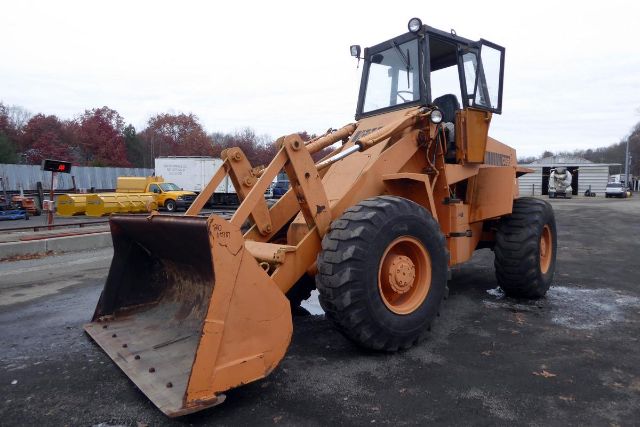
Have case wheel loaders trucking equipment to sell? List it here to reach thousands of buyers.
About Case Wheel Loaders
A buyer should start with operating weight, bucket width, and lift geometry. Those three factors tell you a lot about where the machine fits. A mid-size to larger Case wheel loader may run on 20.5-25 tires, carry a bucket wide enough to load tri-axle dump bodies efficiently, and still remain compact enough for plant yards or transfer stations. Pay attention to bucket condition, cutting edge wear, center pin play, and looseness in boom pins and bushings. Hydraulic seepage at boom or bucket cylinders is common on older machines, and it matters because cylinder reseal costs can add up fast if the machine is used daily. Cab style also affects value. An enclosed cab is a plus for cold-weather work, road department use, and dusty aggregate applications.
Drivetrain and brake design deserve a close look on used Case wheel loaders. Many older units use simple diesel engines with mechanical fuel systems and powershift or automatic transmissions that are easier to evaluate in the field than newer electronically managed machines. A loader should engage forward and reverse cleanly, steer smoothly through articulation, and stop straight under load. Tire size and condition can change the real acquisition cost more than buyers expect, especially on air-filled construction tires where replacement is expensive. Check for rim damage, axle seal leaks, articulation joint wear, and frame cracking around high-stress areas. On a working loader, steady hydraulic response and good cold-start behavior usually tell you more than fresh paint ever will.
Case wheel loaders are also known as front-end loaders or bucket loaders, though the exact setup can vary by bucket type, coupler arrangement, and job application. Some buyers want a basic dirt and aggregate machine. Others need forks for pipe, lumber, or bulk freight yard work. The best fit depends on material density, required reach, truck loading height, and daily cycle count. For fleets supporting dump trucks, lowboys, or onsite processing equipment, the right Case wheel loader is one that matches bucket capacity to truck body size, has enough operating weight for traction and stability, and still remains economical to maintain over the long haul.
Frequently Asked Questions
What should I inspect first on a used Case wheel loader?
Start with the articulation joint, loader arm pins and bushings, bucket cutting edge, hydraulic cylinders, tires, and transmission response. Excess movement at the center pin or loader linkage can indicate long-term wear. Hydraulic leaks or seeping boom cylinders are common on older loaders and may be manageable, but they should be priced into the machine. A field test should include cold start, steering through full articulation, forward and reverse engagement, brake function, and a full hydraulic cycle under load.
How do I choose the right bucket size on a Case wheel loader?
Bucket size should match both material type and the trucks or hoppers being loaded. Light material like mulch or snow can use more bucket volume, while dense aggregate, wet soil, or scrap requires a smaller bucket to stay within the machine's lift and stability limits. Bucket width also matters in tight yards and on narrow haul roads. For trucking support, buyers often compare bucket capacity against dump body size so the loader can fill trucks efficiently without excessive passes or overloading.
Are older Case wheel loaders a practical choice for small fleets?
Yes, many older Case wheel loaders remain practical because they use simpler diesel engines, mechanical systems, and durable driveline components that are familiar to independent mechanics. That simplicity can lower diagnostic complexity and make them attractive for farms, gravel yards, demolition support, and local trucking operations. The tradeoff is that age-related wear in hydraulics, pins, brakes, and tires becomes a major part of the buying decision, so condition usually matters more than model year alone.
What tire and brake issues matter most on a wheel loader?
Tires are a major ownership cost because construction-size loader tires are expensive to replace and uneven wear can point to alignment, axle, or application issues. Buyers should inspect tread depth, sidewall cuts, bead area condition, and rim integrity. Brake performance is equally important because a loader spends its life in repeated shuttle cycles. The machine should stop predictably, hold on grade, and show no signs of weak pedal feel, hydraulic issues, or contaminated brake components.
Can a Case wheel loader be used in a trucking yard instead of just on a construction site?
Yes. Case wheel loaders are commonly used in trucking yards for loading bulk material, moving pallets with fork attachments, cleaning lots, feeding conveyors, and supporting dump truck or transfer operations. The key is choosing a machine with the right turning radius, cab visibility, attachment compatibility, and bucket or fork setup for the yard's daily workload. In a confined yard, maneuverability and visibility can be just as important as raw bucket capacity.