
Jcb Wheel Loaders For Sale in New York
Browse JCB wheel loaders for sale in New York. Compare bucket size, operating weight, lift capacity, hydraulics, tires, and attachment setup.
Learn more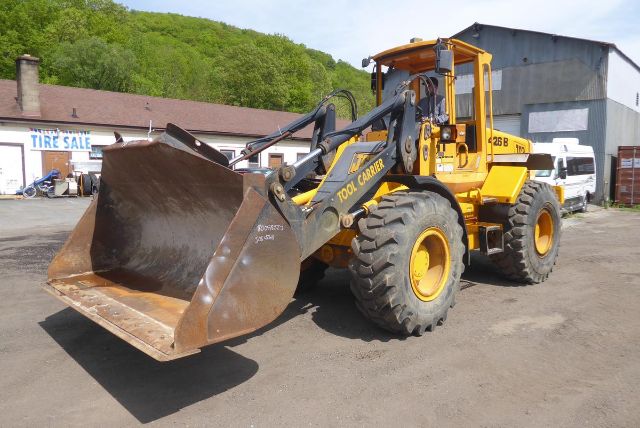
Have jcb wheel loaders trucking equipment to sell? List it here to reach thousands of buyers.
About Jcb Wheel Loaders in New York
A mid-size JCB wheel loader typically gives buyers a practical balance between mobility and production. Common specs in this category include diesel power, powershift or automatic transmissions, articulated steering, 4-wheel drive, and general-purpose buckets sized for aggregate, topsoil, mulch, salt, or debris. Many units are equipped with quick couplers and auxiliary hydraulics so they can switch from bucket work to pallet forks, grapple buckets, snow pushers, and other attachments. Tire size, tread type, axle condition, and center pin wear matter because they affect stability, ride quality, and long-term operating cost as much as the engine and transmission do.
For buyers comparing older JCB loaders, inspection points should include pin and bushing wear, hydraulic cylinder seepage, loader arm cracks or repairs, transmission shift quality, brake response, and articulation joint condition. Cab configuration is another major factor. An enclosed cab with heat is a practical advantage for New York winter work, especially for snow and bulk salt handling, while an open station may suit seasonal or farm use. If the machine will spend time loading trucks, check dump clearance, bucket rollback, cycle times, and visibility to the cutting edge. If it will handle pallets or pipe, look closely at fork carriage setup, third-function hydraulics, and rated operating capacity.
JCB wheel loaders appeal to buyers who need one machine to cover several jobs without stepping up to a much larger production loader. They are commonly used in recycling yards, municipal work, nurseries, feed lots, contractor yards, and material supply operations where frequent direction changes and attachment changes are part of the day. A well-matched wheel loader should fit the material being handled, the truck height being loaded, the ground conditions on site, and the maintenance skill level available to keep it productive.
Frequently Asked Questions
What should I look for first when buying a used JCB wheel loader?
Start with the machine’s structural and hydraulic condition. Check the articulation joint, center pins, loader arm pins and bushings, bucket linkage, hydraulic hoses, cylinder rods, and frame for wear, weld repairs, or cracks. Then evaluate engine starting, exhaust smoke, transmission engagement, brake performance, steering response, and axle noise. On a wheel loader, wear in the front end and articulation area can be just as important as engine hours because those components directly affect stability, bucket control, and repair cost.
What size JCB wheel loader is best for loading trucks and handling pallets?
The right size depends on the material, truck side height, and how often the machine will switch tasks. For truck loading, buyers should compare bucket capacity, hinge pin height, dump clearance, and cycle time. For pallet handling, fork visibility, rated lift capacity, counterweight balance, and auxiliary hydraulic setup matter more. A mid-size wheel loader is often the best fit for mixed yard work because it can load bulk material efficiently while still remaining maneuverable enough for fork work and tighter site access.
Are quick couplers and third-function hydraulics worth having on a wheel loader?
Yes, especially if the machine is expected to do more than bucket work. A hydraulic quick coupler reduces downtime when switching between a bucket, forks, grapple, or snow attachment. Third-function hydraulics are important for attachments that require additional hydraulic control, such as grapples and some specialty buckets. These features improve utilization because one loader can cover more tasks in the same shift.
How important is cab configuration for a wheel loader in New York?
Cab configuration matters a great deal because climate and season directly affect operator productivity. In New York, an enclosed cab with heat is usually preferred for winter material handling, municipal work, and snow removal. Better sealing, defrost performance, and visibility in cold weather can make a major difference in uptime. Open-station machines can still be useful for light-duty, seasonal, or farm applications, but they are generally less comfortable for year-round commercial use.
What ongoing maintenance items are most important on a JCB wheel loader?
Regular greasing, axle and transmission service, tire inspection, hydraulic oil and filter changes, cooling system maintenance, and brake checks are core service items. Buyers should also watch for looseness in the articulation joint, wear in bucket linkage, and contamination in hydraulic systems. On older loaders, small issues like pin wear, seepage at cylinders, or uneven tire wear can quickly turn into larger repair bills if they are ignored.