
Jcb Wheel Loaders For Sale
Browse JCB wheel loaders for sale. Compare operating weight, bucket capacity, lift specs, hydraulics, tires, and attachment options.
Learn more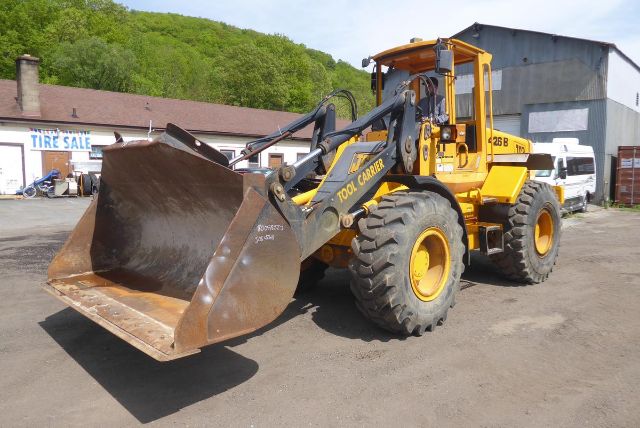
Have jcb wheel loaders trucking equipment to sell? List it here to reach thousands of buyers.
About Jcb Wheel Loaders
A good buying decision often comes down to matching the loader to the application instead of chasing the biggest bucket. For truck loading, pay close attention to hinge pin height, dump clearance, reach at full lift, and cycle times. For pallet forks and yard handling, look at hydraulic quick couplers, third valve plumbing, fork carriage setup, and front-end stability with the intended load. Tire size, axle configuration, articulation design, and machine width also matter if the loader will work in tight yards, on uneven surfaces, or around trailers and bins. Common features buyers compare include enclosed or open cab, heat and air conditioning, ride control, limited slip or differential options, and joystick versus lever controls.
On older JCB wheel loaders, condition is everything. Check center articulation play, loader arm pins and bushings, bucket edge wear, hydraulic hose condition, cylinder leakage, brake response, transmission shift quality, and cooling system performance under load. Engine make and parts support are important, especially on legacy units with mechanical diesel engines that appeal to buyers who want simpler maintenance. Tire condition can heavily affect total cost because loader tires are expensive and directly impact traction, stability, and ride. If the machine includes forks, a general-purpose bucket, or other attachments, verify coupler compatibility and inspect the third function hydraulics if equipped.
JCB wheel loaders are also known as front-end loaders or pay loaders in many fleets, and they are commonly used alongside dump trucks, hoppers, conveyors, and screening equipment. A loader that looks right on paper still needs to fit the worksite and the haul units it will support. Compare operating weight against trailer capacity if the machine will be moved often, and confirm transport width and height before purchase. For buyers focused on uptime, the best value usually comes from a machine with documented service history, tight linkage, strong hydraulics, clean axle and transmission operation, and the right attachment setup for the material being handled.
Frequently Asked Questions
What should I look at first when buying a used JCB wheel loader?
Start with operating weight, horsepower, bucket capacity, lift geometry, and overall mechanical condition. Then inspect the articulation joint, pins and bushings, hydraulic cylinders, transmission operation, brake performance, and tire condition. On a used wheel loader, wear in the center joint and loader linkage can tell you a lot about how the machine was maintained. Service records, attachment history, and signs of overheating or hydraulic leaks are also important because they affect both uptime and repair cost.
Are JCB wheel loaders good for loading trucks and handling pallets?
Yes, but the right configuration matters. For loading trucks, buyers should compare hinge pin height, dump clearance, reach, and cycle time to the side height of the trucks being loaded. For pallet work, fork carriage setup, third valve plumbing, quick coupler type, and rated lifting performance are key. A machine used for both bulk material and forks needs enough hydraulic control and front-end stability to switch tasks without sacrificing safety or productivity.
How important are tires on a wheel loader?
Tires are one of the biggest operating costs on a wheel loader and have a major effect on traction, ride quality, and machine stability. Buyers should check tire size, tread depth, sidewall damage, matching wear across all positions, and whether the tread pattern fits the application. Hard-surface yard work, aggregate handling, and muddy site conditions can each call for a different tire approach. Worn or mismatched tires can lead to extra cost quickly, especially on an articulated machine.
What attachments are commonly used on JCB wheel loaders?
The most common attachments are general-purpose buckets, material buckets, pallet forks, and occasionally snow or specialty attachments depending on the industry. Buyers should verify coupler style, bucket width, cutting edge condition, and whether the machine has auxiliary hydraulics or a third valve if additional functions are needed. Attachment compatibility matters because an included fork set or bucket only adds value if it matches the coupler and intended work.
Do older JCB wheel loaders still make sense for a fleet or yard operation?
They can, especially for buyers who want simpler mechanical systems and lower acquisition cost. Older machines are often attractive for secondary yards, farm use, recycling, and light to moderate loading work where absolute production speed is less critical than dependable operation. The key is to buy on condition, not just age. A well-maintained older loader with tight linkage, strong hydraulics, and solid drivetrain performance can be a better value than a newer neglected unit.