
Truck Parts For Sale
Expert buyer guide to heavy duty truck parts, covering OEM vs aftermarket, fitment, emissions components, cores, warranties, and install tips.
Learn morePopular Truck Parts Categories
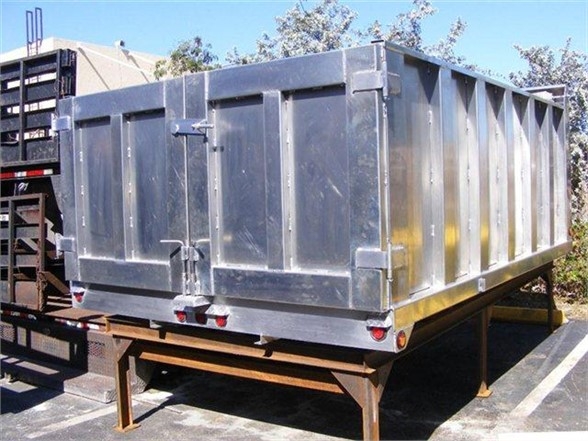
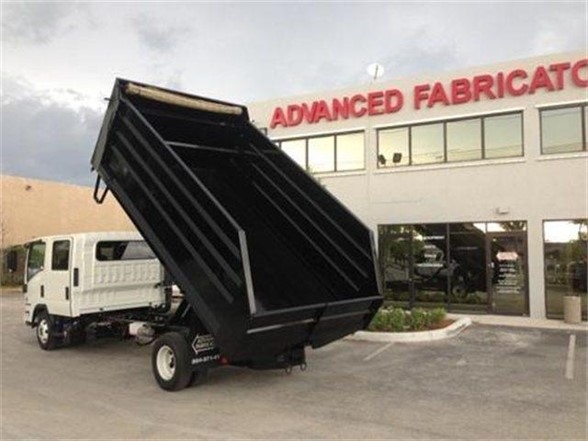
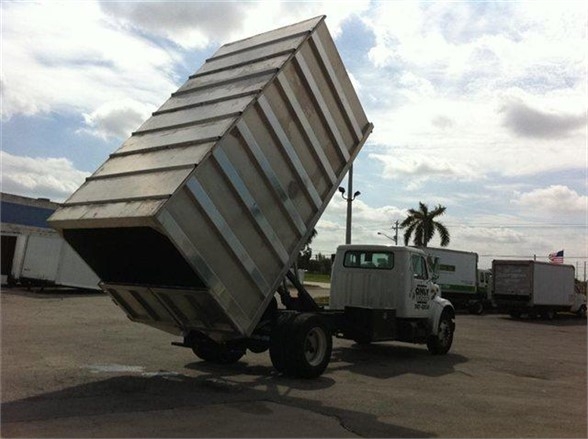
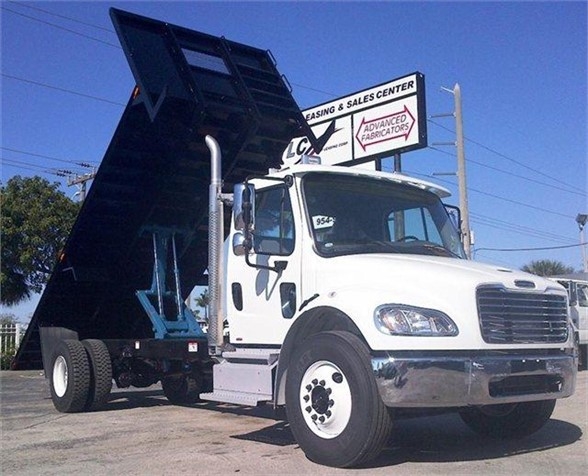
Showing 13 to 20 of 20 results
Have truck part to sell? List it here to reach thousands of buyers.
About Truck Parts
Fitment verification prevents expensive do overs. Use the truck VIN, engine serial number, transmission model and ratio, and axle model or housing number to match parts. Note hub pilot vs stud pilot wheels, brake size and configuration (for example 16.5x7 S cam), automatic vs manual slack adjusters, and long stroke chamber requirements. For steering and suspension, verify kingpin kit diameters, spring width and leaf count, air spring part codes, and torque rod lengths and bushing styles. Electrical parts hinge on connector style, harness length, and CAN J1939 compatibility. Lighting should match voltage and pin configuration. Body and cab parts such as hoods, grilles, bumpers, sleepers, and fairings are model year sensitive, especially on Freightliner, Peterbilt, Kenworth, International, Volvo, Mack, and Western Star.
Emissions and electronic components require closer attention to calibration. DPF, DOC, SCR catalysts, NOx sensors, DEF dosers, ammonia sensors, delta P sensors, EGR valves and coolers, and VGT turbo actuators must align with the engine family, rating, and build date. After installation, many systems need a regen, sensor reset, or software update. Automated manuals often need clutch and transmission learn procedures. ABS ECUs and modulators may require wheel speed, tire size, and configuration programming. Plan for shop time, needed tooling, gaskets and clamps, and fresh fluids so the vehicle returns to service cleanly on the first attempt.
Condition and documentation matter on high dollar items. New and OEM reman usually include clear warranty terms and installation notes. Quality used or take off parts can be a smart buy when supported by dyno sheets, gear pattern or backlash readings, compression numbers, runout measurements, or leak-down tests. Inspect cores for windowed blocks, cracked housings, broken mounting ears, and stripped threads to avoid deductions. For shipping, confirm weight and dimensions for palletizing, dock or forklift availability, and any hazmat rules for batteries or airbags. Cap open ports, drain fluids, and keep packaging for core returns. A careful approach to specifications, programming, and logistics keeps parts spend under control and trucks earning.
Frequently Asked Questions
How do I confirm a truck part will fit my make and model?
Start with the VIN and pull the build sheet, then match the engine serial, transmission model and ratio, and axle model or housing number. Check critical dimensions such as brake size, hub style, and bushing or kingpin diameters. For electrical and sensors, verify connector type, harness length, and J1939 compatibility. Body parts often change with trims and mid year updates, so confirm by model year and OEM part number or a trusted cross reference.
What is the difference between OEM, aftermarket, and remanufactured parts?
OEM parts deliver factory fit, finish, and software alignment, usually at a higher price. Aftermarket parts range from value lines to premium upgrades and are strong choices for wear items like brakes, filtration, and lighting. Remanufactured parts are rebuilt to spec with new wear components and tested, offering major savings on engines, turbos, injectors, gearboxes, and diffs. Compare warranty coverage, required core returns, and total installed cost, not just the shelf price.
Do aftertreatment and electronic parts require programming after install?
Often yes. Items like NOx sensors, DEF dosers, DPF differentials, turbo actuators, ABS ECUs, and automated manual clutch components may need resets, calibrations, or software updates. Many engines benefit from a parked regen or learned data reset after sensor or catalyst replacement. Plan for the appropriate service tool, calibration files, and procedures to clear faults and validate system performance.
How do core charges and returns work for engines, turbos, and injectors?
A core charge is a deposit that is refunded when your rebuildable core is returned within the stated window. To receive full credit, the core must be like for like and free of catastrophic damage such as cracked blocks or housings, broken ears, or excessive corrosion. Drain all fluids, cap ports, and use sturdy packaging. Keep paperwork and tracking to document timelines and condition.
What should I consider for shipping heavy truck parts?
Confirm weight and dimensions for pallet or crate, note if a dock or forklift is available, and arrange liftgate service if needed. Batteries and some airbag components can have hazmat rules. Drain and cap fluids on driveline and hydraulic parts, protect threads and sealing surfaces, and photograph the shipment before pickup. Proper packaging reduces damage risk and speeds claims or returns if needed.