
Engine Core Truck Parts For Sale
Browse engine core truck parts including blocks, heads, cranks, and complete cores for rebuildable diesel engine applications.
Learn more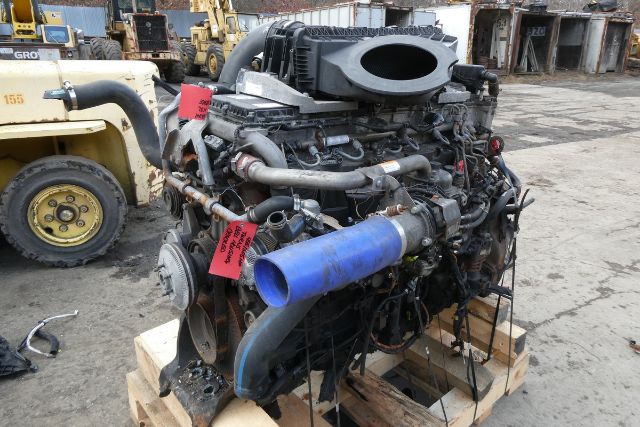
Have engine core truck part to sell? List it here to reach thousands of buyers.
About Engine Core Truck Parts
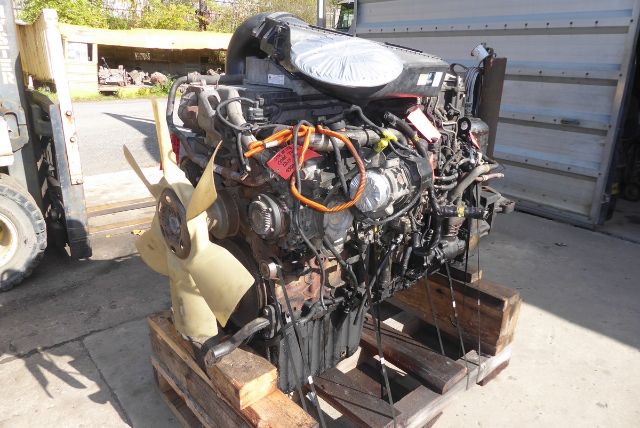
The first buying decision is how complete the core needs to be. A complete core engine can simplify sourcing because it may include the block, head, rotating assembly, gear train, pan, and accessory mounts, but completeness does not guarantee reuse. A stripped block or bare head can be the better buy if you already have usable internals or want to control machining and parts selection from the start. Check casting numbers, CPL or engine family data, serial number tags, emissions generation, and critical dimensions before buying. On late-model diesel platforms, compatibility can change with EGR, DPF, SCR, sensor provisions, cam profiles, fuel system layout, and ECM strategy, so matching by model alone is rarely enough.
Condition matters most in the areas that determine rebuild cost. On blocks, buyers should watch for windowed crankcases, main saddle damage, deck erosion, liner counterbore wear, freeze cracks, and damaged threads in high-stress locations. On heads, focus on pressure-test results, valve seat condition, injector bore wear, cam journal damage, and cracking between valves or around coolant passages. Crankshafts need to be checked for journal scoring, taper, out-of-round, heat discoloration, and previous undersize machining. If the core is being purchased for exchange, confirm the seller's standard for acceptable return condition, since broken housings, non-standard machining, or missing major pieces can reduce core credit substantially.
Engine cores are bought for several different reasons. Some fleets buy them to shorten downtime by building spare long blocks in advance. Rebuilders and machine shops buy cores for salvageable castings and rotating assemblies. Owner-operators may buy a complete core to support an in-frame gone bad, a glider project, or a lower-cost overhaul path on a truck with otherwise solid specs. The best listings in this category usually provide serial data, teardown notes, failure details if known, and enough photos to assess external damage points. For a serious buyer, that information is often more useful than a generic statement about condition because it helps estimate machining, parts replacement, and total rebuild economics before the core ever reaches the shop.
Frequently Asked Questions
What is an engine core in the truck parts market?
An engine core is a used diesel engine or major engine component being sold primarily for rebuilding, remanufacturing, or parts recovery rather than immediate run-ready service. It may be a complete take-out engine, a long block, or an individual hard part such as a block, head, or crankshaft. The key issue is whether the casting and major structures are salvageable enough to justify machining and reassembly costs.
How do I know if an engine core is rebuildable?
A rebuildable core should have intact castings, no catastrophic structural damage in critical areas, and enough remaining material to machine back to spec. Buyers typically verify casting numbers, inspect for freeze cracks or thrown-rod damage, and look for machine shop indicators such as liner counterbore condition, main bore integrity, deck flatness, and head pressure-test potential. A core can still need substantial work and remain rebuildable, but severe block damage or prior improper machining can make it uneconomical.
Is a complete core engine better than buying individual engine core parts?
A complete core engine can reduce sourcing time and improve parts compatibility because related components stay together from the same engine family. That said, it is not automatically the better value. If you already have usable internals, accessories, or a known-good head or crank, buying individual engine core parts can lower total cost and let you avoid paying for unusable pieces. The right choice depends on what your machine shop can save and what parts you already control.
What information should I verify before buying an engine core?
Verify the engine serial number, model family, CPL or build data where applicable, emissions generation, and casting numbers on the major components. You should also confirm what is included, what damage is known, whether the core has been disassembled, and if any parts were already machined undersize or modified. On newer diesel engines, sensor locations, fuel system differences, and emissions-related hardware provisions can affect fitment even within the same engine model line.
Why do engine core prices vary so much?
Price changes based on completeness, brand demand, known damage, salvageable hard-part value, and how desirable the platform is in the rebuild market. A popular heavy-duty diesel core with a usable block, standard crank, and matching major components will usually bring more than an incomplete or visibly damaged assembly. Freight cost, rarity of the engine family, and whether the core qualifies for exchange credit also influence pricing.