
Truck Body Only - Flatbed Truck Parts For Sale
Shop truck body only flatbed truck parts with steel deck options, common lengths, mounting considerations, and work-ready upfit features.
Learn moreBrowse Truck Body Only - Flatbed Truck Parts by Make
Have truck body only - flatbed truck part to sell? List it here to reach thousands of buyers.
About Truck Body Only - Flatbed Truck Parts
Steel flatbed bodies are common in construction, municipal work, equipment transport, landscaping, and material delivery because they tolerate concentrated loads, forklift traffic, and hard daily use. Typical specs include 96-inch overall width, lengths from about 9 feet on lighter chassis up to 20 feet or more on medium-duty trucks, structural channel or tube crossmembers, and either smooth or tread plate flooring. Buyers should look closely at longsill design, bulkhead strength, rub rails, stake pockets, winch track or weld-on winches, ICC bumper placement, mud flap brackets, lighting layout, and access steps or grab handles. If the body will be used for machinery, palletized freight, pipe, or building materials, deck height and tie-down flexibility matter as much as raw deck size.
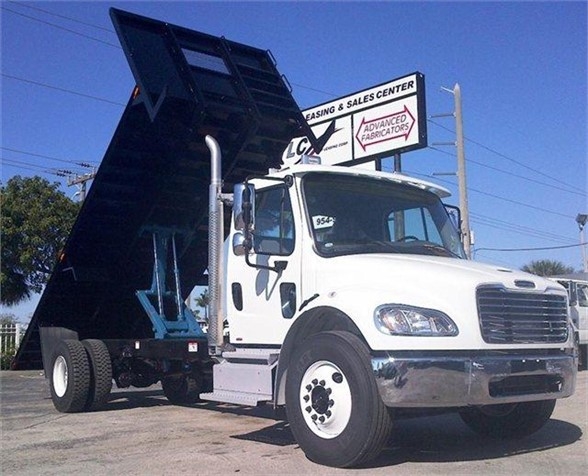
Mounting and integration details are just as important as the body itself. A flatbed body has to fit the frame width, cab-to-axle measurement, and any rear suspension travel or PTO-driven equipment. Some bodies are built as fixed flatbeds, while others are configured as flatbed dump bodies with hinge points, hoists, subframes, and rear hardware that change both payload dynamics and installation requirements. Buyers should confirm rear overhang, bulkhead clearance behind the cab, taillight protection, and whether underbody toolboxes, baskets, rear tow hooks, or trailer plugs are part of the design. On automatic-transmission trucks, PTO compatibility can also become part of the body selection if a hoist or hydraulic accessories are involved.
Durability comes down to fabrication quality and serviceability. Heavier floor plate, closer crossmember spacing, boxed longsills in high-stress areas, and reinforced headboards all add useful life on severe-duty applications. A good flatbed body should give clear access for securement, resist twist under uneven loads, and keep lighting and rear structure protected from jobsite damage. For buyers comparing truck body only flatbed listings, the best value is usually the body that matches the chassis correctly, supports the actual cargo profile, and includes the right work features from the start instead of requiring major rework after installation.
Frequently Asked Questions
What should I measure before buying a truck body only flatbed?
The most important measurements are cab-to-axle, frame width, overall wheelbase, and the usable body length the chassis can accept without creating improper rear overhang. Buyers should also verify axle ratings, desired deck height, and any clearance needed behind the cab for a bulkhead, headache rack, or accessories. If the body will include a hoist or subframe, those dimensions and installation points need to be confirmed before purchase.
What is the difference between a standard flatbed body and a flatbed dump body?
A standard flatbed body is a fixed platform designed for loading and hauling cargo from the sides or rear. A flatbed dump body adds a hinge system, hoist, and hydraulic components so the deck can raise and dump material or equipment. Dump-capable flatbeds require more installation planning, add weight, and change the body structure, but they offer more versatility for contractors, municipalities, and material handling applications.
Is steel or aluminum better for a flatbed truck body?
Steel is generally preferred when the body will see hard use, point loading, abrasion, or regular forklift traffic because it offers strength and repairability. Aluminum reduces body weight and can improve payload capacity, but it may not be the first choice for severe-duty applications with frequent impact or concentrated loads. The better material depends on the chassis class, cargo type, and how rough the operating environment will be.
What flatbed features matter most for cargo securement?
Rub rails, stake pockets, D-rings, chain tie-downs, and winch systems are the main securement features buyers should compare. The right setup depends on whether the truck will haul equipment, pallets, pipe, steel, lumber, or mixed construction materials. Buyers should also consider bulkhead strength, side rail design, and how easy it is to access tie-down points from ground level and from the deck.
Can any flatbed body be installed on any cab chassis?
No. A flatbed body has to be matched to the truck’s frame dimensions, cab-to-axle measurement, axle placement, suspension travel, and intended load distribution. Electrical connections, rear lighting, fuel tank clearance, exhaust routing, and PTO or hydraulic requirements can also affect fitment. Proper body-to-chassis matching is critical for safe handling, legal weight distribution, and long-term durability.