
Advanced Fabricators Truck Body Only - Flatbed Truck Parts For Sale
Advanced Fabricators flatbed truck bodies for sale. Compare steel flatbed body specs, lengths, floors, bulkheads, hoists, and work-truck fitment.
Learn more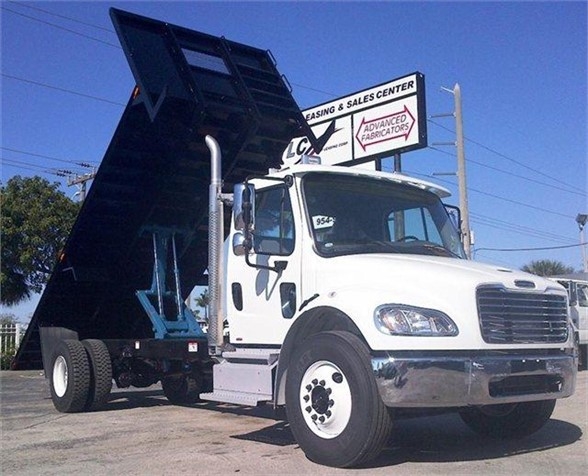
Have advanced fabricators truck body only - flatbed truck part to sell? List it here to reach thousands of buyers.
About Advanced Fabricators Truck Body Only - Flatbed Truck Parts
Steel construction is common in Advanced Fabricators bodies because it delivers rigidity and impact resistance in hard daily service. A typical build may include structural channel longsills, closely spaced crossmembers, smooth or tread plate flooring, stake pockets or side rails, and a reinforced bulkhead or headboard to protect the cab. Buyers should pay close attention to floor thickness, crossmember spacing, bulkhead height, and rail design. Those details affect how the body handles concentrated loads like pallets, jobsite equipment, or steel stock. If the body will be used with tie-down gear, check for welded winches, rub rails, chain slots, and strap storage. If fork loading is routine, deck height and rail layout matter just as much as overall length.
For buyers considering a flatbed dump configuration, the hoist package is just as important as the deck itself. Scissor hoists and telescopic hoists each have their place depending on body length, lifting angle, and expected payload. PTO compatibility with the transmission, hinge placement, rear apron design, and safety props should all be reviewed before installation. A dump-style flatbed body can be a strong choice for crews hauling gravel, debris, or bulk material one day and pallets or equipment the next. Lighting layout, ICC bumper position, mud flap brackets, tool or basket storage, steps, and grab handles also matter because they affect compliance, safety, and day-to-day usability.
A body-only purchase should be evaluated like a chassis upfit, not just a deck sale. Confirm inside and outside width, overall length, material thickness, finish, mounting requirements, and any frame modifications needed for install. It is also smart to verify how far the body sits behind the cab, whether a walk-through bulkhead or cab shield is needed, and how accessories such as tow hooks, backup alarms, or chassis-mounted boxes are integrated. Advanced Fabricators bodies tend to appeal to buyers who want a purpose-built vocational platform instead of a one-size-fits-all body, so the best choice usually comes down to application, payload style, and how much customization the truck will need from day one.
Frequently Asked Questions
What should I verify before buying a flatbed truck body only?
Start with chassis compatibility. The body length, width, cab-to-axle dimension, frame rail spacing, axle placement, and intended rear overhang all need to match the truck it will be installed on. You should also confirm mounting hardware requirements, bulkhead clearance behind the cab, lighting and bumper compliance, and whether the body is designed for standard flatbed service or a dump-body hoist setup.
Are Advanced Fabricators flatbed bodies typically steel or aluminum?
Many Advanced Fabricators vocational flatbed bodies are steel, which is preferred for heavy jobsite use, concentrated loads, and applications where impact resistance matters more than tare weight. Steel bodies usually offer strong bulkheads, robust crossmembers, and durable rails, but they add weight compared with aluminum. The right choice depends on payload priorities, corrosion exposure, and how rough the truck's daily work cycle will be.
What is the difference between a standard flatbed body and a flatbed dump body?
A standard flatbed body is fixed in place and built mainly for hauling palletized goods, equipment, pipe, or building materials. A flatbed dump body adds a hoist, PTO, hinge assembly, and related hydraulic components so the deck can raise and dump bulk material or debris. A dump-capable flatbed gives a truck more versatility, but it also adds complexity, weight, and installation considerations.
Which specs matter most on a flatbed body?
The most important specs are deck length, overall width, floor thickness, crossmember spacing, longsill construction, and bulkhead design. Buyers should also review tie-down provisions such as rub rails, winches, chain slots, and stake pockets, plus practical details like deck height, steps, lighting, mud flap mounts, and storage baskets. These features determine how safely and efficiently the body handles the cargo it was built to carry.
Can a body-only flatbed be customized for a specific job?
Yes. Body-only flatbeds are often ordered with application-specific features such as reinforced headboards, welded winches, custom rail layouts, tool storage, tarping provisions, tow hooks, special lighting, and hoist systems for dump use. That flexibility is one of the main advantages of buying a truck body only. The body can be built around the truck's chassis dimensions and the exact type of work the operator needs it to perform.