
Cab Truck Parts For Sale
Browse cab truck parts including cab shells, doors, panels, interiors, glass, trim, and mounts for popular heavy-duty truck makes.
Learn moreBrowse Cab Truck Parts by Make
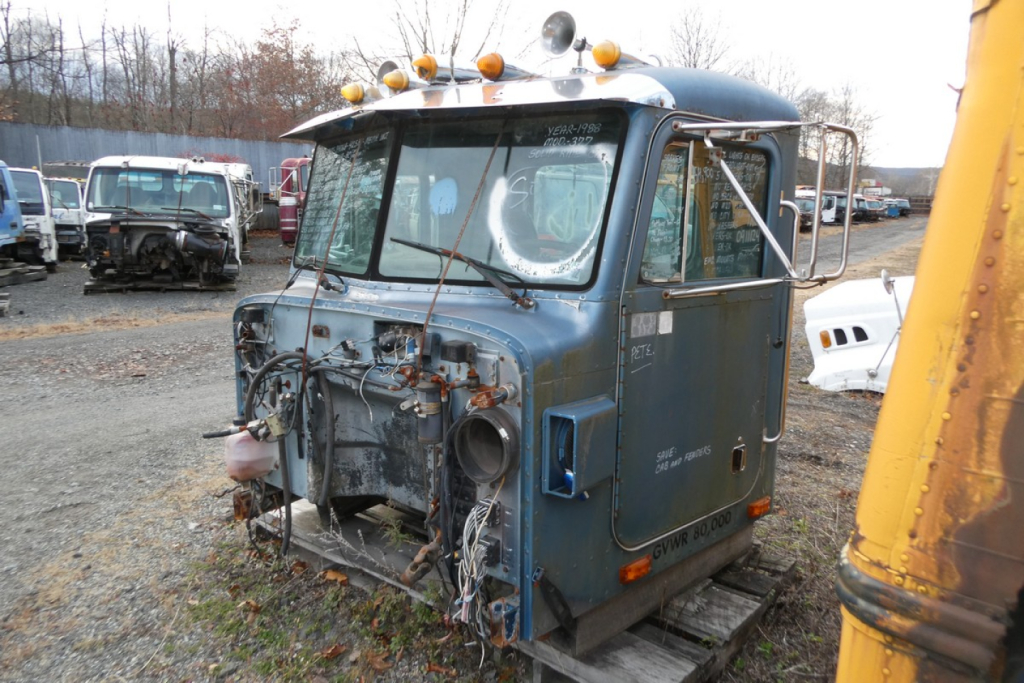
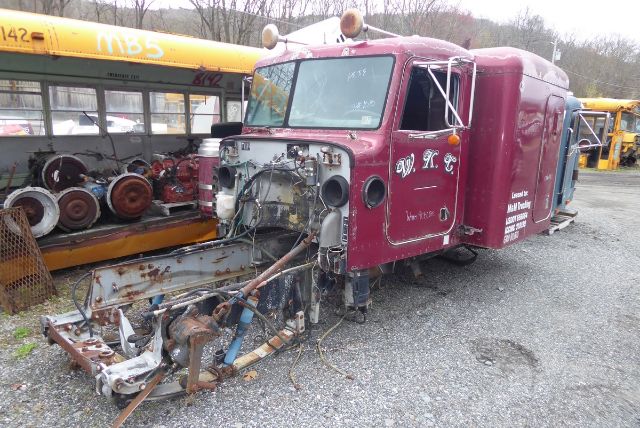
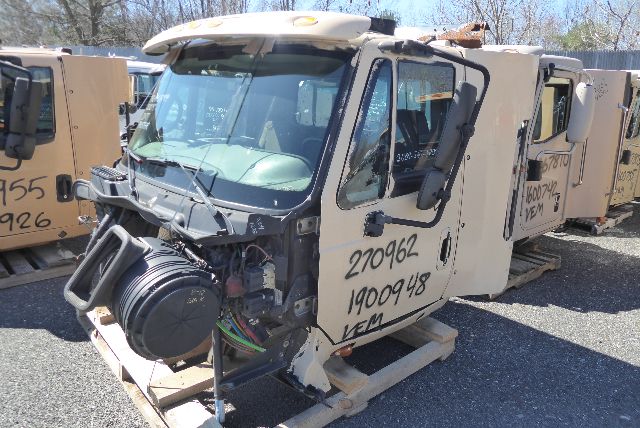
Have cab truck part to sell? List it here to reach thousands of buyers.
About Cab Truck Parts
For structural cab parts, condition matters as much as interchange. Check for corrosion in cab corners, floor pans, windshield frames, and lower door seams. Look closely at hinge areas, mount points, and any previous repairs around the A-pillars, roof skin, or rear wall. On a complete or partial cab, confirm whether it is set up for air-ride or solid cab mounts and inspect the bushings, brackets, and crossmember attachment points. If you are replacing a damaged cab on a highway tractor, details such as sleeper compatibility, firewall openings, pedal assembly layout, and steering column mounting can affect labor time and total cost more than the purchase price of the cab itself.
Interior and electrical cab parts deserve the same level of attention. Instrument panels, switch banks, gauge clusters, steering columns, HVAC controls, and harness sections often vary by engine family, transmission type, and factory option package. Power window systems, mirror heat, cab lights, and multiplex wiring can introduce compatibility issues that are easy to miss. Seats, seat bases, and restraint components should be checked for rail width, air supply connections, occupancy sensors, and mounting bolt pattern. Glass, mirrors, and door assemblies should be inspected for seal condition, regulator operation, and signs of hidden damage from rollover, side impact, or prolonged exposure.
Cab parts are often purchased to shorten downtime after collision damage, rust repair, or interior refurbishment, so buyers benefit from focusing on completeness. A bare shell may be the right value for a rebuild, but a door sold with glass, regulator, latch, and trim panel can save substantial labor. The same is true for dash assemblies, HVAC boxes, and cab mount kits. Also known simply as truck cab parts or semi truck cab parts, this category is broad, but the best buying decisions come down to interchange accuracy, structural integrity, and how much of the needed hardware and wiring is included with the part.
Frequently Asked Questions
What should I verify before buying used cab truck parts?
Start with exact fitment. Confirm the truck make, model, year, cab configuration, and any VIN-break production changes. For electrical and interior parts, verify connector style, option package, and whether the truck uses multiplex wiring or specific engine and transmission-related controls. For structural parts, inspect mount points, hinge areas, corrosion zones, and signs of prior repairs. A part that is physically similar is not always interchangeable without extra fabrication or wiring work.
Are cab parts interchangeable between different truck years or models?
Some are, but interchange is rarely universal. Heavy-duty truck manufacturers often carry the same cab design across multiple years while changing dash layouts, wiring, brackets, glass tint, latch hardware, or emissions-era electronics. Doors, mirrors, seats, and trim may swap across a range, while harnesses, gauge clusters, and HVAC controls may not. Buyers should compare part numbers when possible and confirm the donor truck specifications before purchase.
Is it better to buy a complete cab or individual cab parts?
That depends on the damage and labor plan. A complete cab can make sense when there is major collision damage, severe rust, or widespread interior wear because it reduces the number of separate components that need to be sourced. Individual cab parts are often more cost-effective when the repair is limited to doors, glass, dash pieces, seats, or a localized structural section. The right choice usually comes down to total installed cost, not just the initial price of the part.
What are the most common problem areas on used truck cabs?
Common issues include rust in cab corners, lower door seams, floor pans, and windshield frames, along with fatigue or damage around hinge mounts, cab mount brackets, and roof seams. On interior parts, wear shows up in seat suspensions, switch panels, HVAC controls, and plastic dash components. Electrical issues often involve cut harnesses, damaged connectors, and missing modules. A careful inspection of both the visible surface and the hidden mounting or wiring areas helps prevent expensive surprises.