
Double Eagle Cab Truck Parts For Sale
Shop Double Eagle cab truck parts including cab shells, doors, dash components, glass, trim, and mounting hardware for repairs and rebuilds.
Learn more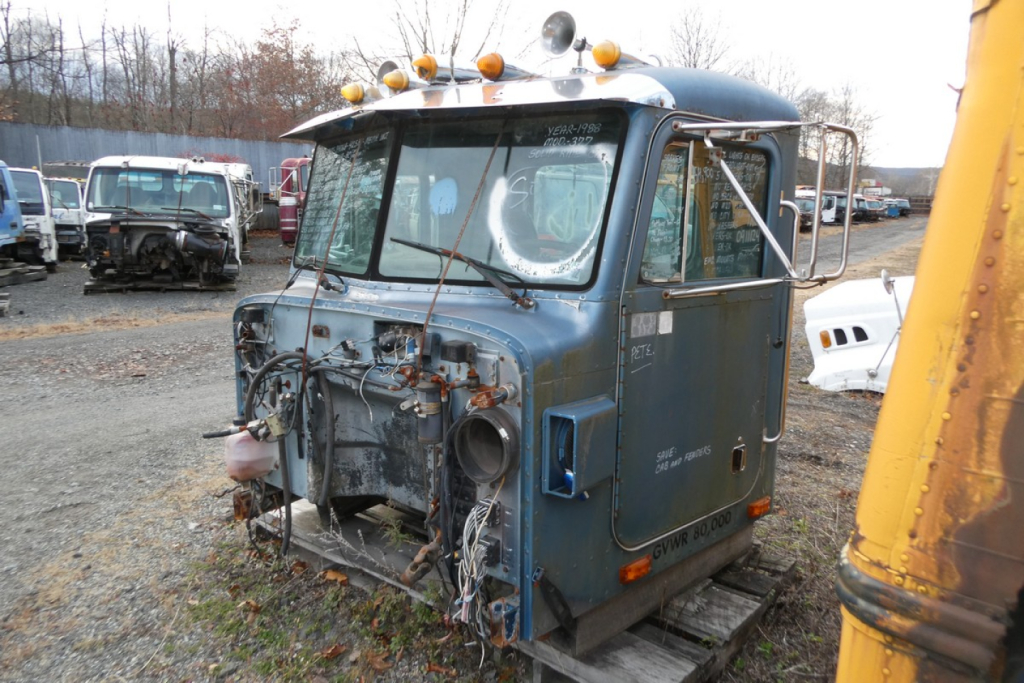
Have double eagle cab truck part to sell? List it here to reach thousands of buyers.
About Double Eagle Cab Truck Parts
The first decision is usually how complete the replacement needs to be. A complete cab assembly can save labor when the original cab has extensive rust, rollover damage, or multiple damaged panels. Individual components make more sense when the repair is limited to a door, dash, windshield frame area, or a few interior items. Buyers should confirm mounting points, hinge locations, firewall configuration, sleeper or day cab layout, steering column cutouts, pedal openings, and wiring pass-throughs. On older Double Eagle applications, cross-checking the underlying truck platform is especially important because compatibility may depend on the original chassis and cab design rather than the brand badge alone.
Condition matters as much as fit. Used cab parts should be checked for rust in the floor, cab corners, drip rails, windshield channel, and lower door seams. Look closely for prior repairs, cracked inner structure, distorted hinge pillars, and damage around cab mount locations. Interior pieces should be inspected for broken tabs, worn mounting holes, sun damage, and missing switches or trim. If the cab is being used for a working truck instead of a cosmetic restoration, buyers often focus on structural integrity, door closure, glass fitment, and the ability to transfer existing wiring, HVAC components, seats, and gauges without extensive fabrication.
Double Eagle cab parts are often sourced for older trucks where OEM support is limited and replacement sheet metal is not always easy to find new. That makes completeness, interchange, and shipping practicality major buying factors. A bare cab may require significant parts transfer, while a more complete takeoff can reduce downtime if it includes dash structure, doors, glass, and mount-related hardware. For buyers comparing listings, the most useful details are the donor truck year and model, what is included, whether the cab is a solid-ride or air-ride setup, and the exact condition of the shell and attachment points.
Frequently Asked Questions
What parts are typically included in Double Eagle cab truck parts listings?
Listings in this category may include anything attached to or forming the cab structure, such as complete cab shells, doors, roof panels, rear wall sections, dash assemblies, glass, interior trim, cab mounts, and related hardware. Some listings are for a bare shell, while others include partial interiors, dash structure, or attached components. Buyers should verify exactly what stays with the cab, especially seats, mirrors, wiring, HVAC parts, and mounting brackets.
How do I confirm a Double Eagle cab part will fit my truck?
Start with the donor truck year, model, and cab configuration, then compare mounting points, hinge placement, firewall layout, windshield opening, and cab mount style to your truck. Fitment on older trucks often depends on the underlying chassis or original cab design, so part interchange is not always obvious from the brand name alone. VIN-based cross-checking and visual comparison of the damaged cab to the replacement component are the safest approach.
Is it better to buy a complete cab or individual cab parts?
A complete cab usually makes sense when there is major structural damage, severe rust, or multiple damaged panels because it can reduce labor hours and simplify alignment. Individual parts are more cost-effective for limited repairs such as replacing a door, dash section, glass, or interior trim piece. The right choice depends on the total repair scope, labor rate, paint requirements, and how much of the existing wiring and interior can be reused.
What should I inspect on a used truck cab before buying?
Inspect the floor, cab corners, door bottoms, windshield frame, drip rails, hinge pillars, and cab mount areas for rust, cracks, and distortion. Check doors for sagging, uneven gaps, and latch alignment. On interior components, look for broken mounting tabs, missing trim, cut wiring, and sun-damaged plastics. Structural condition matters more than appearance on a working truck, because cosmetic defects are easier to correct than a twisted shell or rotted mounting area.