
Traveling Axle Trailers For Sale
Traveling axle trailers for hauling low-clearance equipment, with sliding axles, low load angles, air ride suspensions, and 40-55 ton ratings.
Learn moreBrowse Traveling Axle Trailers by Make
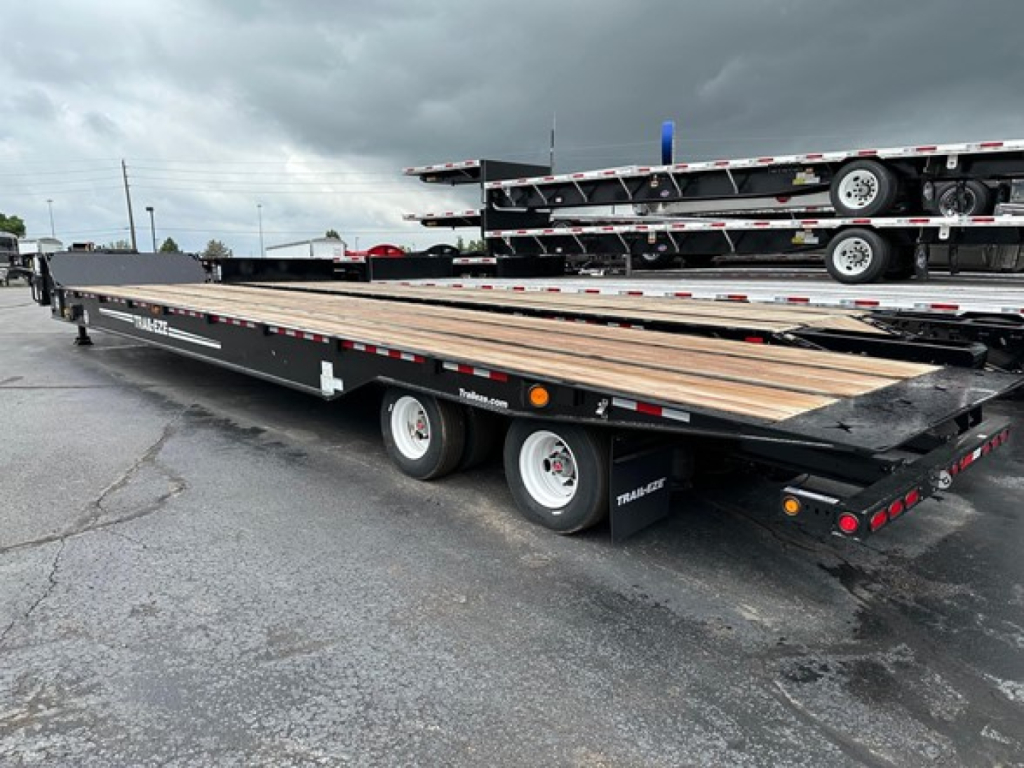
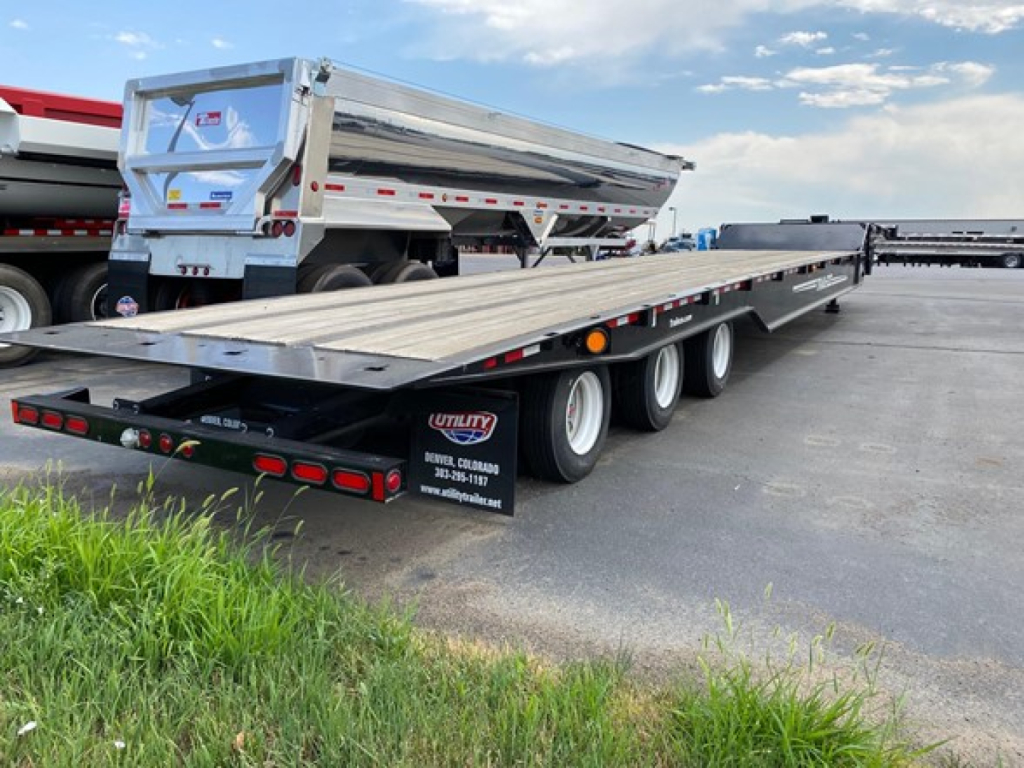
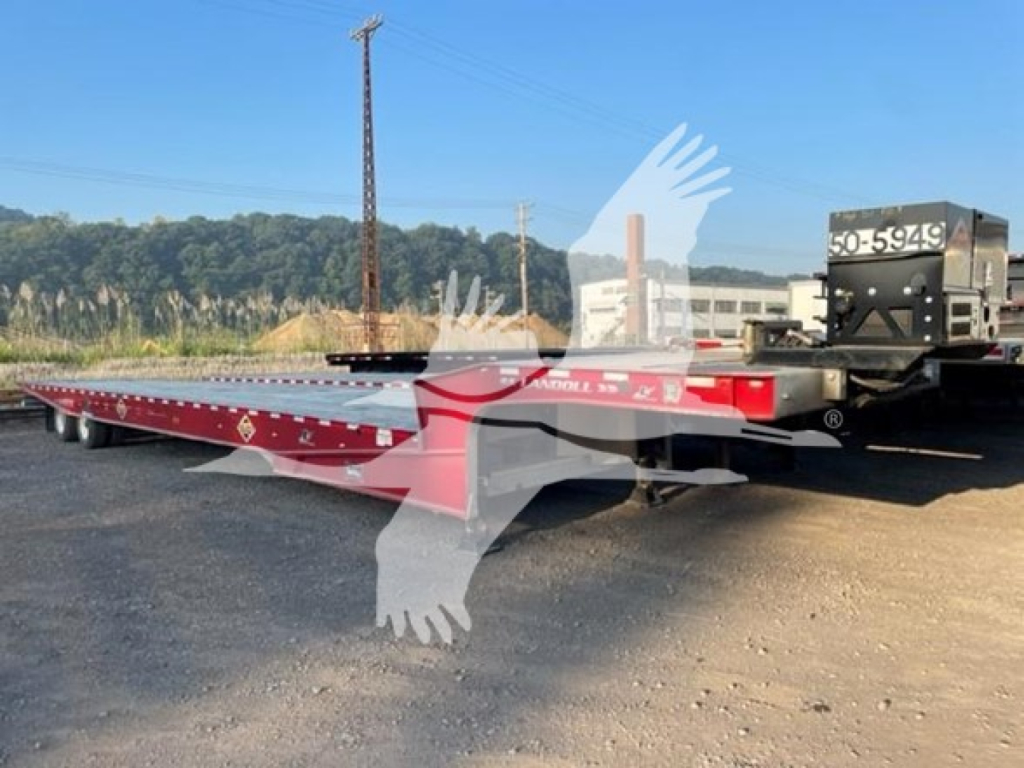
Showing 13 to 15 of 15 results
Have traveling axle trailer to sell? List it here to reach thousands of buyers.
About Traveling Axle Trailers
The first buying decision is usually slide axle versus hydraulic tail configuration. A slide axle design moves the tandem or tri-axle assembly forward, lowering the rear deck for loading. A hydraulic tail trailer uses hydraulic cylinders to create a gentle approach angle and fast loading cycle. Common lengths run from about 48 to 53 feet, with 102-inch width standard, top decks around 9 to 10 feet, and main deck lengths in the low-40-foot range. Main deck height is often around 37 to 38 inches, which helps with machine stability and keeps total loaded height manageable. Capacity is commonly 40 ton to 55 ton overall, with concentrated load ratings such as 50,000 pounds in 10 feet being an important number for equipment buyers.
Construction and deck setup matter because these trailers see concentrated track and tire loads every day. Steel perimeter frame construction is common, with 1-3/8 inch Apitong flooring, junior I-beam crossmembers on close centers, chain slots, stake pockets, J-hooks, and keyhole tie-downs. Air ride suspension is popular for ride quality and cargo protection, and 17.5-inch tires are common on lower deck models because they help keep deck height down. Some units move to 22.5 rubber depending on capacity and configuration. Buyers should pay attention to kingpin setting, axle spacing, swing clearance, loaded deck height, and how the trailer is spec'd for local bridge laws or California legal operation. Closed tandem and tri-axle layouts are common in this category, and a tri-axle can be a better fit when the work regularly pushes into higher payload ranges.
Hydraulic system details are worth checking closely because they affect daily usability. Many traveling axle trailers are set up for a tractor wet kit in the 15 to 20 GPM range, with quick couplers, wireless six-function remotes, dump valves, deck rollers, and 20,000-pound winches with 100-foot cable. UHMW slider pads, centralized grease systems, LED lighting, strobes, galvanized finishes, and toolbox storage all add value in hard service. For buyers comparing listings, the key is matching the trailer to the equipment mix. Look at the actual machine weight, track width, ground clearance, loading frequency, and route restrictions rather than shopping by ton rating alone. A well-matched traveling axle trailer can speed up loading, reduce ramp breakover issues, and handle a broad range of construction and rental fleet moves with less complexity than a detachable gooseneck trailer.
Frequently Asked Questions
What is a traveling axle trailer used for?
A traveling axle trailer is used to haul heavy equipment that benefits from a low load angle and easy rear loading. Common applications include skid steers, compact track loaders, aerial lifts, rollers, pavers, small dozers, and agricultural equipment. It fills the gap between a standard equipment trailer and a detachable lowboy by offering lower deck height and easier loading without the extra steps of removing a neck.
What is the difference between a slide axle trailer and a hydraulic tail trailer?
A slide axle trailer lowers the rear loading angle by moving the axle group forward along the frame, while a hydraulic tail trailer uses a powered tail section to create the approach angle. Slide axle designs are valued for simple heavy-haul functionality and strong concentrated load capability. Hydraulic tail models are often faster and easier to cycle during repeated pickups and deliveries. The better choice depends on how often the trailer is loaded, the ground clearance of the machines, and how much hydraulic support equipment is available on the tractor.
What capacity should I look for in a traveling axle trailer?
Many trailers in this category are rated around 40 to 55 tons, but the headline ton rating is only part of the decision. Buyers should also check the concentrated load rating, often stated as pounds in 10 feet, because that number better reflects how the trailer handles a machine's axle load or track load. Deck length, axle count, and bridge spacing also matter. A trailer that matches the actual weight distribution of your equipment is more useful than one with a higher published gross rating that does not fit the load correctly.
Why do many traveling axle trailers use 17.5-inch tires?
Seventeen-and-a-half-inch tires are common because they help keep the loaded deck height lower than comparable setups on 22.5-inch rubber. Lower deck height improves loading angle, helps manage overall loaded height, and can make the trailer more suitable for taller equipment. The tradeoff is that tire size, wheel end specs, and axle ratings must all be considered together, especially for fleets running heavy miles, rough jobsites, or higher-capacity tri-axle configurations.
What specs matter most when comparing traveling axle trailers for sale?
The most important specs are overall capacity, concentrated load rating, deck height, load angle, deck length, axle configuration, suspension type, tire size, and hydraulic requirements. Tie-down layout is also important, including chain slots, stake pockets, and keyhole slots. Buyers should also review kingpin setting, swing clearance, tool storage, winch setup, and whether the trailer has features like dump valves, wireless remote controls, UHMW slider pads, or centralized grease. These details affect daily loading speed, tractor compatibility, maintenance needs, and legal payload distribution.