
Trail King Trailers For Sale
Shop Trail King trailers for heavy haul, construction, paving, and bulk material work, including lowboy, traveling axle, and belt trailer types.
Learn moreBrowse Trail King Trailers by Category
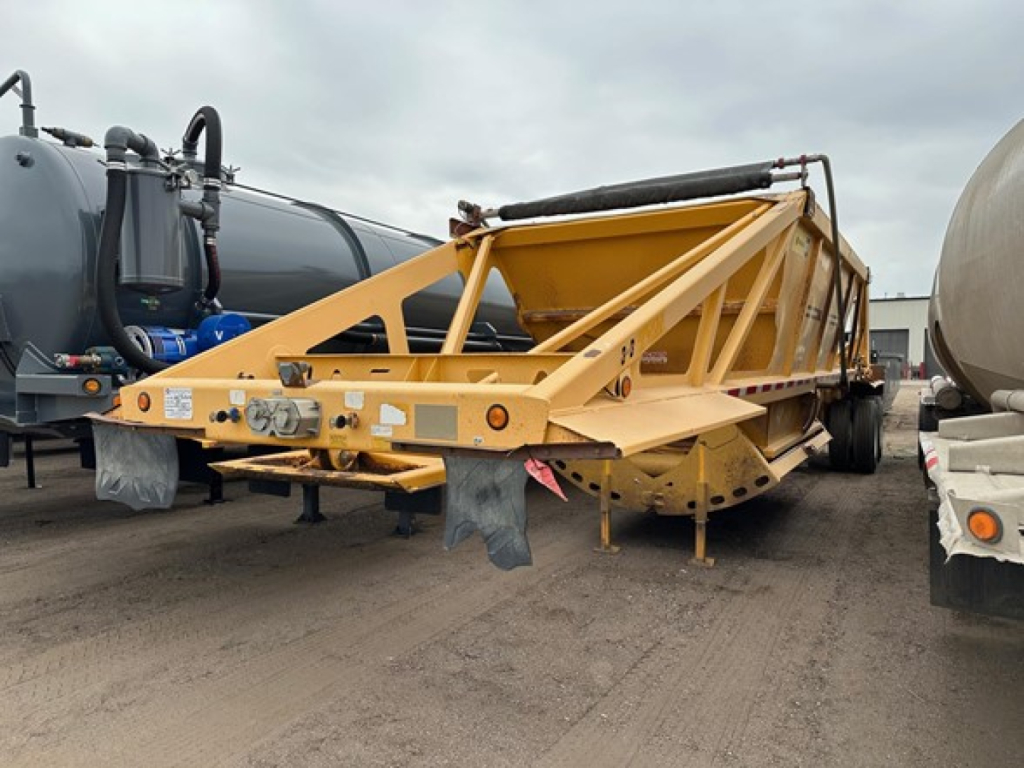

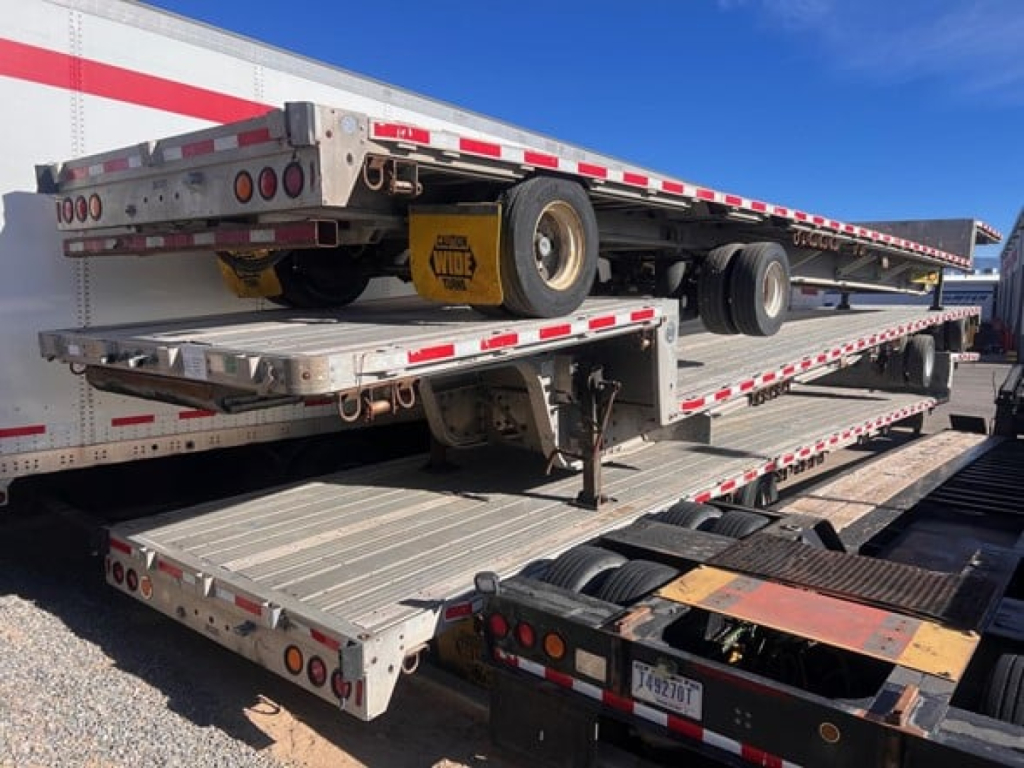

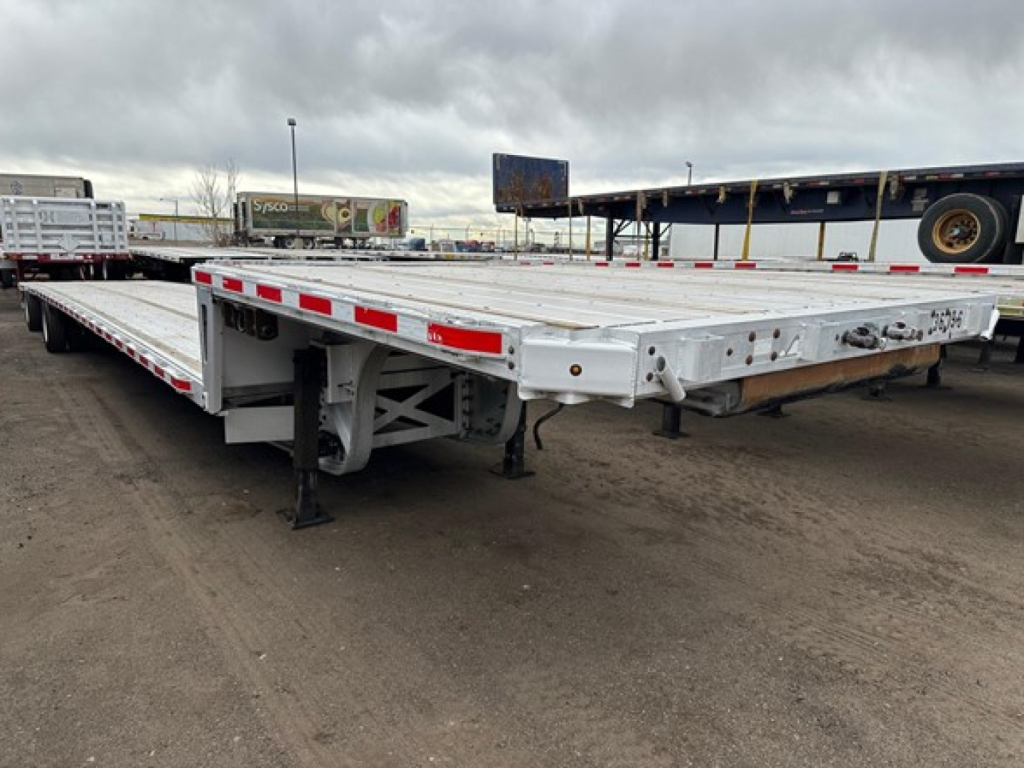
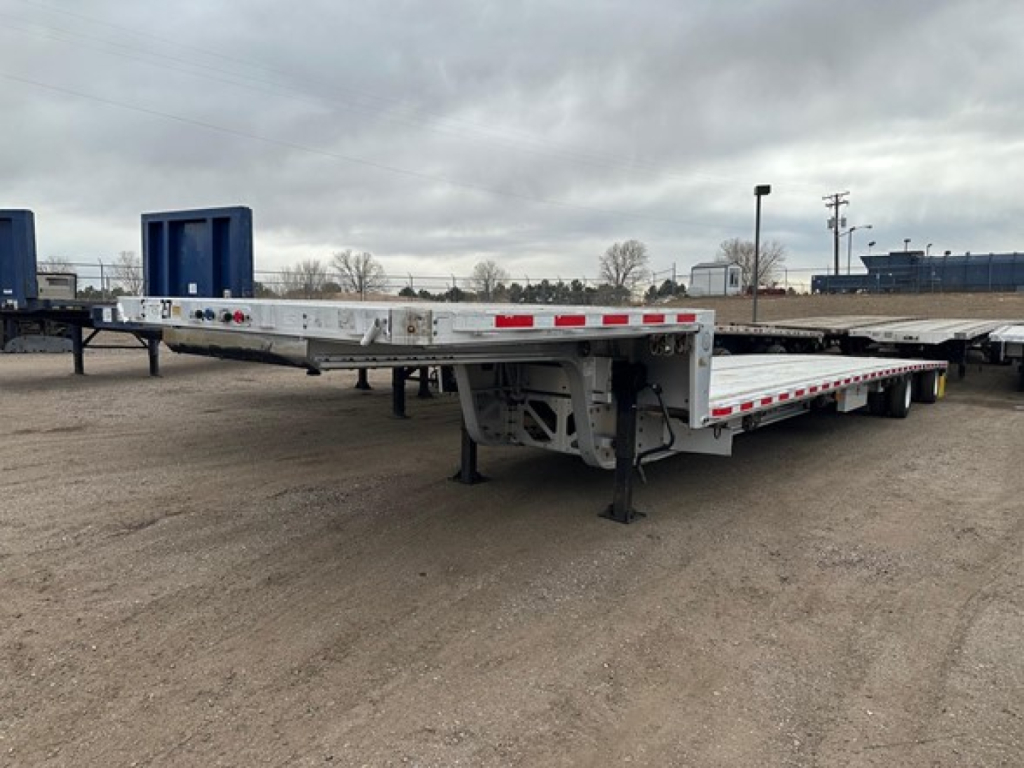
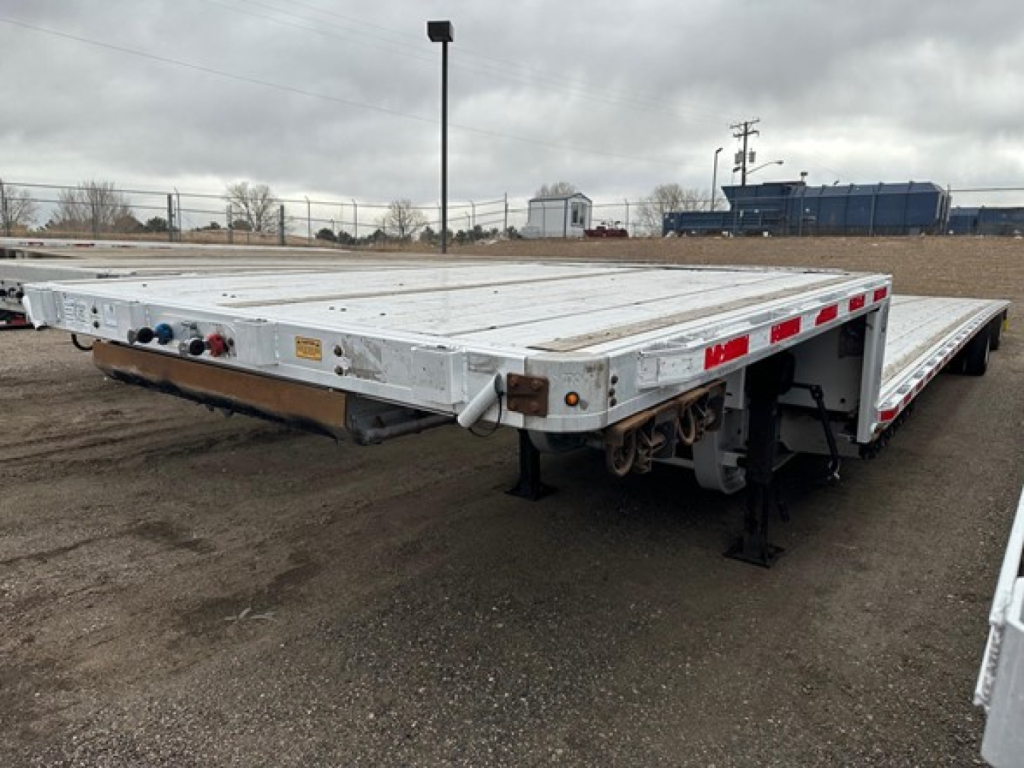
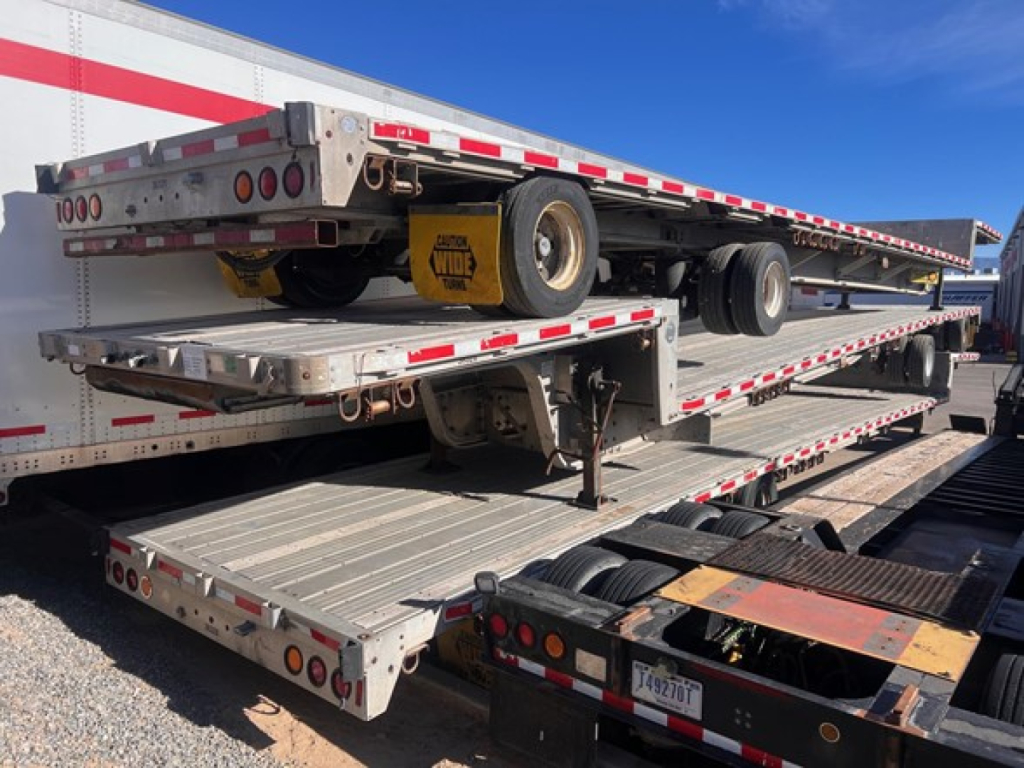
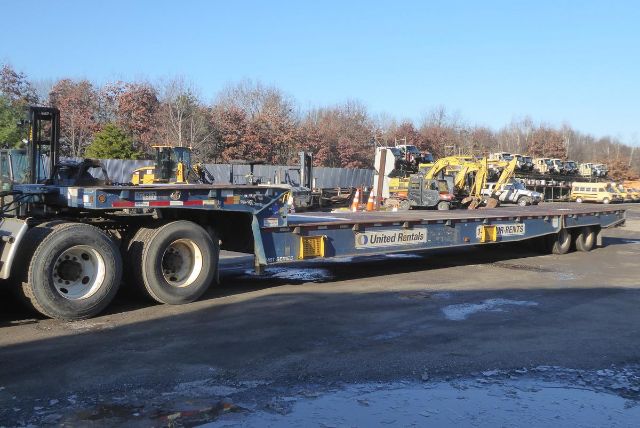
Showing 1 to 12 of 13 results
Have trail king trailer to sell? List it here to reach thousands of buyers.
About Trail King Trailers
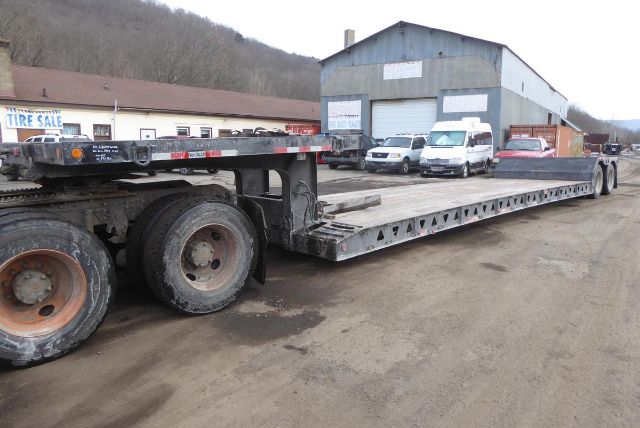
On the heavy haul side, Trail King lowboy trailers are often spec'd in 35-ton, 55-ton, and higher-capacity classes with removable goosenecks, flip axle connections, boom troughs, bucket wells, outriggers, and adjustable ride height. Well length, loaded deck height, and kingpin settings are key details because they directly affect machine fit, axle spacing, and permit flexibility. A 26-foot well, rear lift axle, and 4th axle connections can make a major difference for contractors moving excavators, dozers, crushers, or other concentrated loads. Many buyers also look for front flip ramps, load-bearing fenders, swing-out outriggers, and multiple tie-down points to improve versatility across mixed fleets.
Trail King traveling axle trailers serve a different job profile but attract the same type of buyer who values practical loading angles and jobsite durability. These trailers are commonly used for paving, compact equipment, and rental fleet transport where a low load angle, strong deck, and frequent loading cycles matter. Specs like swing clearance, deck height, crossmember spacing, stake pockets, keyhole tie-downs, and integrated winches should be reviewed closely. Suspension type, tire size, and brake condition are especially important on used units because these trailers tend to see repetitive local or regional work with a lot of loading and unloading.
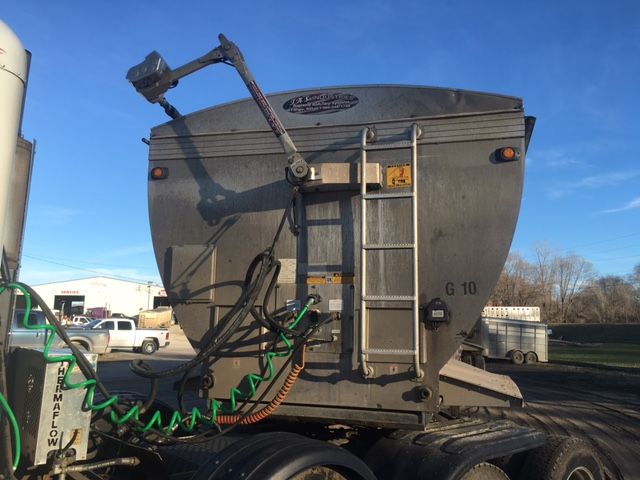
The belt trailer side of the Trail King lineup is aimed at bulk material handling where controlled unloading and reduced rollover risk are priorities. Live bottom belt trailers are commonly used for asphalt, aggregate, mulch, and other materials that need steady discharge without raising the body. Capacity is often measured in cubic yards, and buyers should pay attention to belt width, liner condition, cross tube design, tarp system, axle rating, and suspension spec. Across the full Trail King trailer category, the best buying decision usually comes down to matching deck design, axle package, and hydraulic setup to the exact freight and permit environment the trailer will work in.
Frequently Asked Questions
What types of Trail King trailers are most common on the used market?
The most common Trail King trailers on the used market are lowboy trailers, hydraulic detachable gooseneck trailers, traveling axle trailers, and live bottom belt trailers. Lowboys and RGNs are widely used in heavy haul and construction equipment transport, while traveling axle models are common in paving and equipment rental fleets. Belt trailers are typically used in aggregate, asphalt, and other bulk material applications where unloading control is important.
What should I check first on a used Trail King lowboy trailer?
Start with capacity rating, well length, loaded deck height, axle configuration, and neck type because those specs determine whether the trailer actually fits your freight and permit needs. After that, inspect the frame, neck connection points, outriggers, deck condition, suspension, brakes, tires, and any flip axle or 4th axle hookups. On hydraulic RGNs, confirm whether the trailer runs from a pony motor, truck wet kit, or both, and make sure the hydraulic system operates smoothly under load.
Why do kingpin settings and axle connections matter on a Trail King heavy haul trailer?
Kingpin settings and axle connections affect bridge compliance, tractor compatibility, weight distribution, and how easily the trailer can be adapted for different loads. A trailer with multiple kingpin settings or provisions for a jeep, booster, or flip axle can be more flexible in states with stricter axle spacing rules. These details matter most when hauling concentrated construction equipment or oversize loads that require permits.
Are Trail King belt trailers a good choice for asphalt and aggregate work?
Trail King belt trailers are a strong fit for asphalt and aggregate work because live bottom unloading provides a controlled discharge without the high center of gravity of a dump trailer. That makes them useful in paving operations, under overhead obstructions, and on uneven ground where tip-over risk is a concern. Buyers should verify belt condition, liner wear, drive system components, tarp function, and suspension health before purchase.
What features add the most value on a used Trail King trailer?
The highest-value features depend on trailer type, but on heavy haul models buyers usually place the most value on hydraulic detachable necks, pony motors, adjustable ride height, outriggers, boom troughs, bucket wells, rear lift axles, and flip axle connections. On traveling axle trailers, winches, low load angles, durable deck construction, and strong tie-down systems are important. On belt trailers, belt condition, liner quality, tarp operation, axle spec, and overall structural condition tend to drive value.