
Reefer Trailers For Sale
Browse reefer trailers for sale, including 53-foot refrigerated trailers with Thermo King or Carrier units, duct floors, air ride, and sliders.
Learn moreBrowse Reefer Trailers by Make
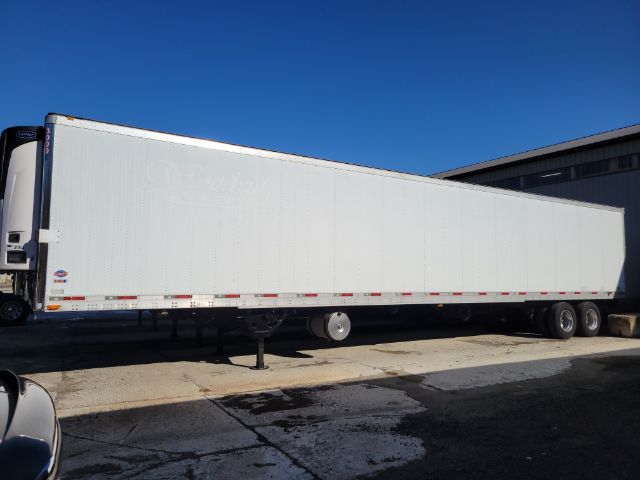
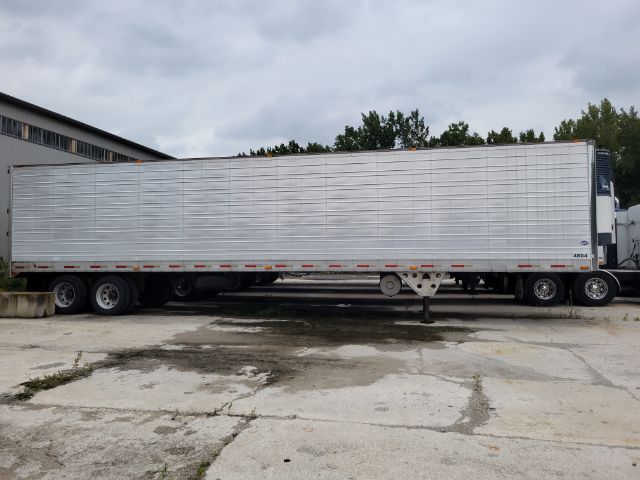
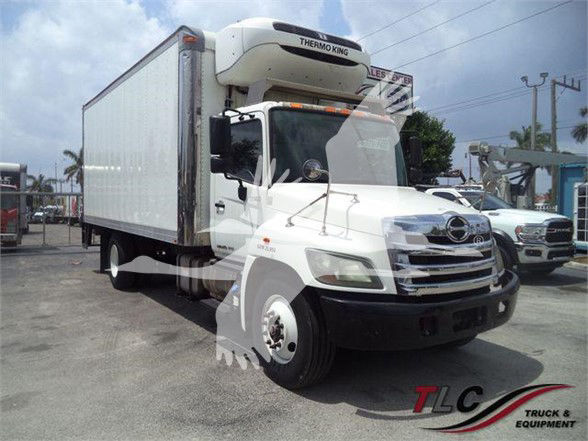
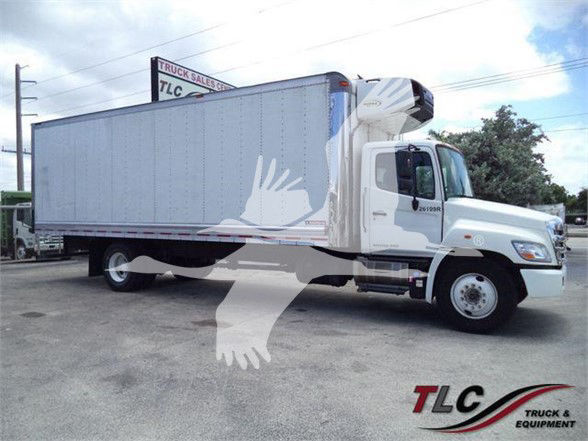
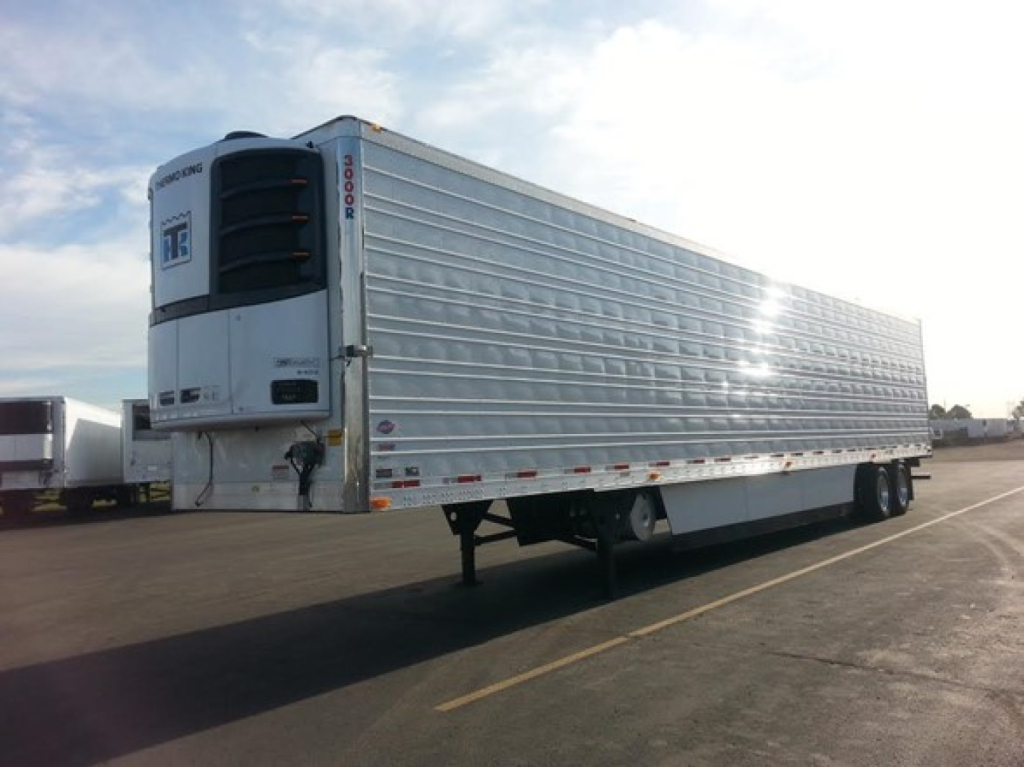
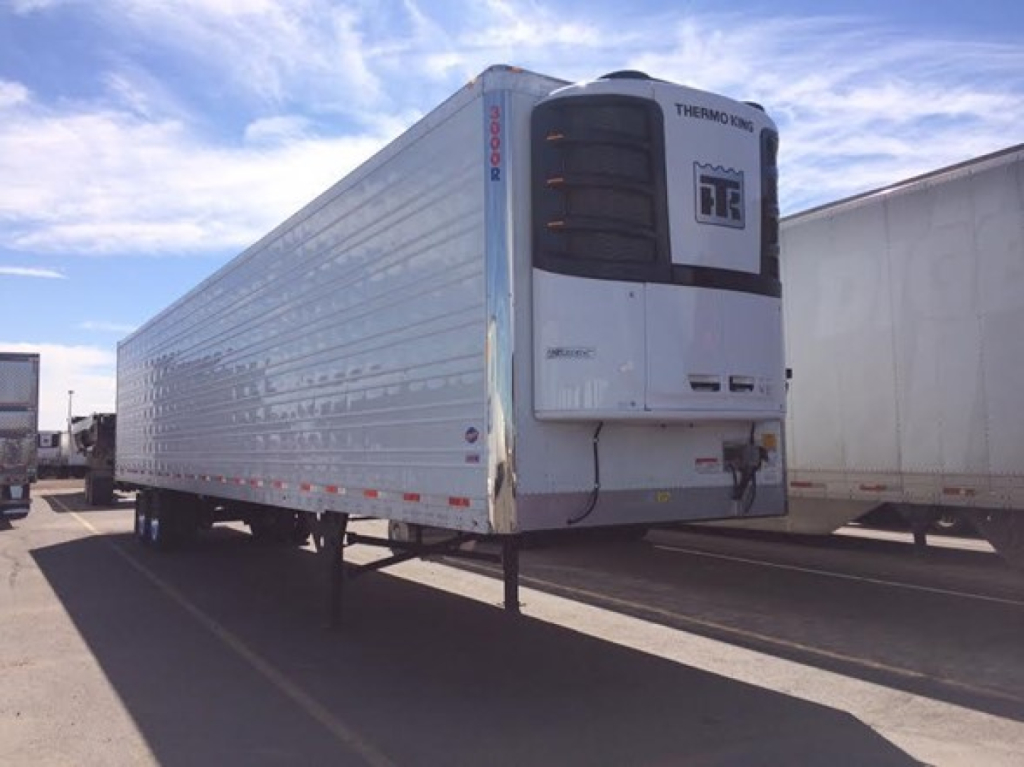
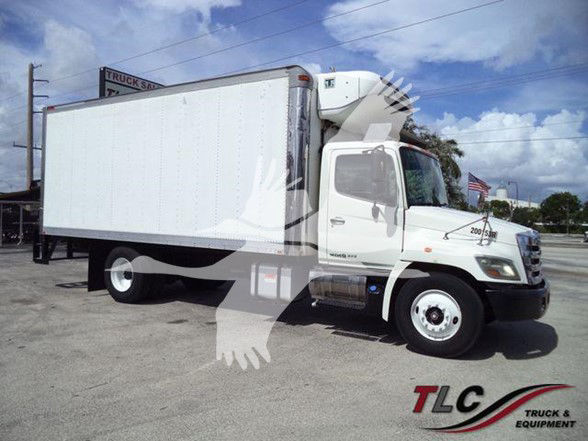
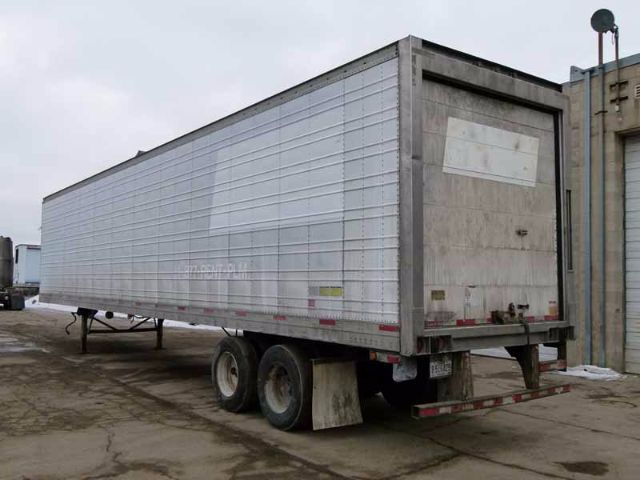
Showing 109 to 120 of 121 results
Have reefer trailer to sell? List it here to reach thousands of buyers.
About Reefer Trailers
Floor and airflow design matter just as much as the reefer unit. Many refrigerated trailers use a heavy-duty aluminum duct floor paired with an air chute or cold chute and an air return bulkhead to maintain even temperature from nose to doors. If you are hauling produce, frozen foods, dairy, pharmaceuticals, or mixed-temp freight, pay close attention to insulation thickness, interior lining, and door seal condition. Inside height and door opening dimensions also affect cube and pallet loading, especially on high-volume grocery and distribution work. Scuff liners, wearbands, stainless front corners, stainless rear frames, and quilted or insulated rear swing doors all help a reefer hold up better under repeated dock contact and forklift traffic.
The running gear deserves close inspection because reefers tend to stay in harder service than many dry vans. Common specs include 22.5 low-profile tires, steel or aluminum disc wheels, air ride suspensions, and slider settings around 49 inches. Tire inflation systems such as MTIS, disc brakes, galvanized or corrosion-resistant subcomponents, and quality side skirts can reduce operating costs over time. Kingpin setting, landing gear type, crossmember spacing, and axle slider condition all affect dock compatibility, weight distribution, and ease of use in a mixed fleet. On used reefer trailers, buyers should evaluate reefer engine hours, start-run status, fuel tank size, evaporator condition, floor wear, and any signs of moisture intrusion around the nose, roof, or rear frame.
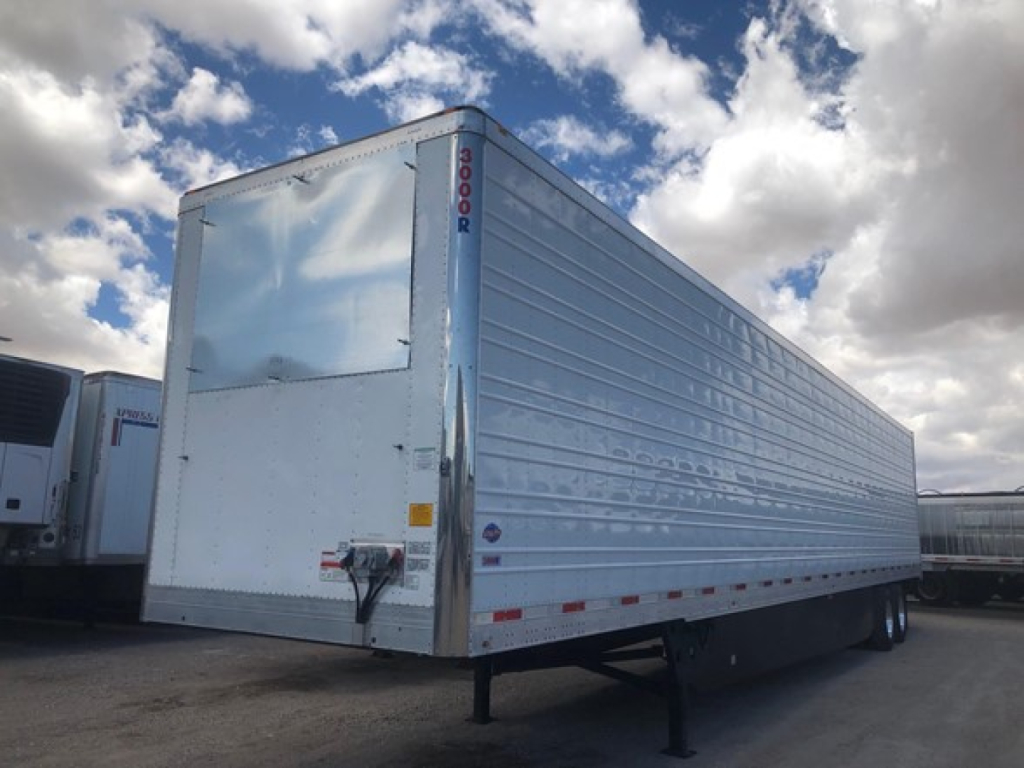
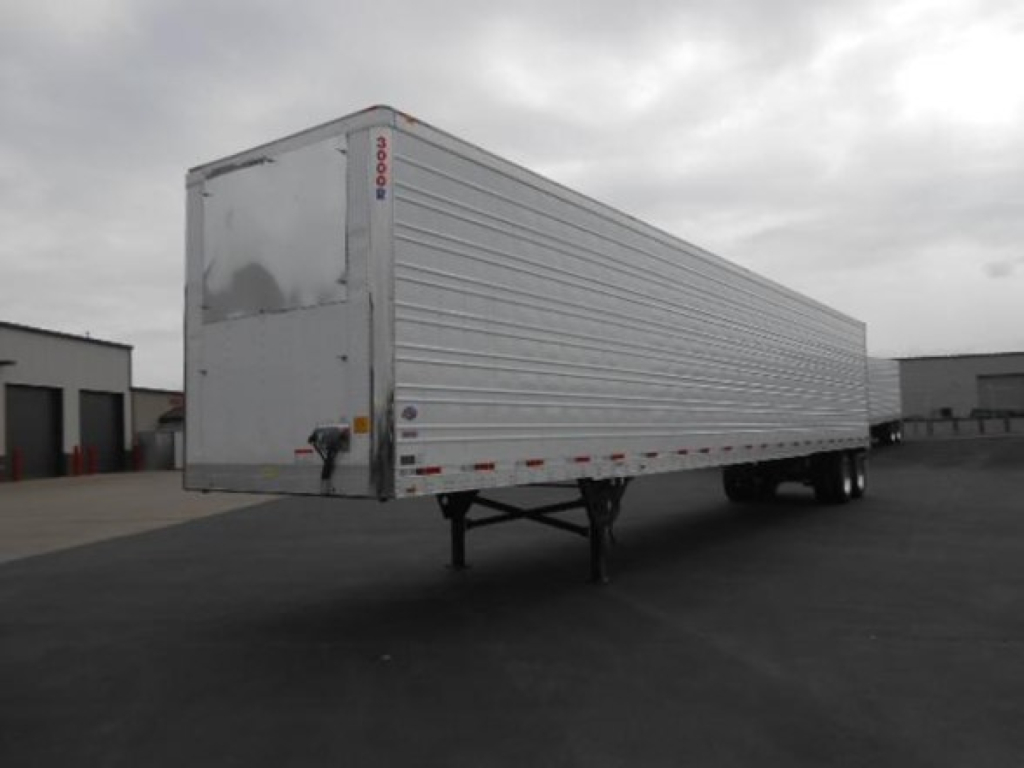
A good reefer trailer is not just a cold box. It is a temperature-control asset that has to balance refrigeration performance, trailer durability, and compliance with the demands of food safety and time-sensitive freight. Utility 3000R, Great Dane Everest, Vanguard, and similar platforms are common in fleet service because they combine proven body construction with familiar refrigeration packages. When comparing reefer trailers for sale, the best value usually comes from matching the trailer's insulation package, unit capacity, interior dimensions, and maintenance history to the lane you actually run, not just the initial purchase price.
Frequently Asked Questions
What should I look at first when buying a used reefer trailer?
Start with the refrigeration unit brand, model, hours, and maintenance records. A reefer trailer can look clean and still become expensive if the unit has high hours, weak cooling performance, or deferred service. After that, inspect the duct floor, chute, bulkhead, door seals, insulation integrity, and any evidence of water intrusion or patchwork repairs. The most important question is whether the trailer can reliably hold the temperatures your freight requires under real operating conditions.
What is the most common reefer trailer size?
The most common reefer trailer in over-the-road service is a 53-foot by 102-inch tandem-axle trailer with 13-foot 6-inch overall height. Many also have air ride suspension, a sliding tandem, rear swing doors, and an aluminum duct floor. This configuration fits standard dock operations, maximizes pallet capacity, and works well for grocery, foodservice, and general refrigerated freight.
Are Thermo King and Carrier reefer units both good choices?
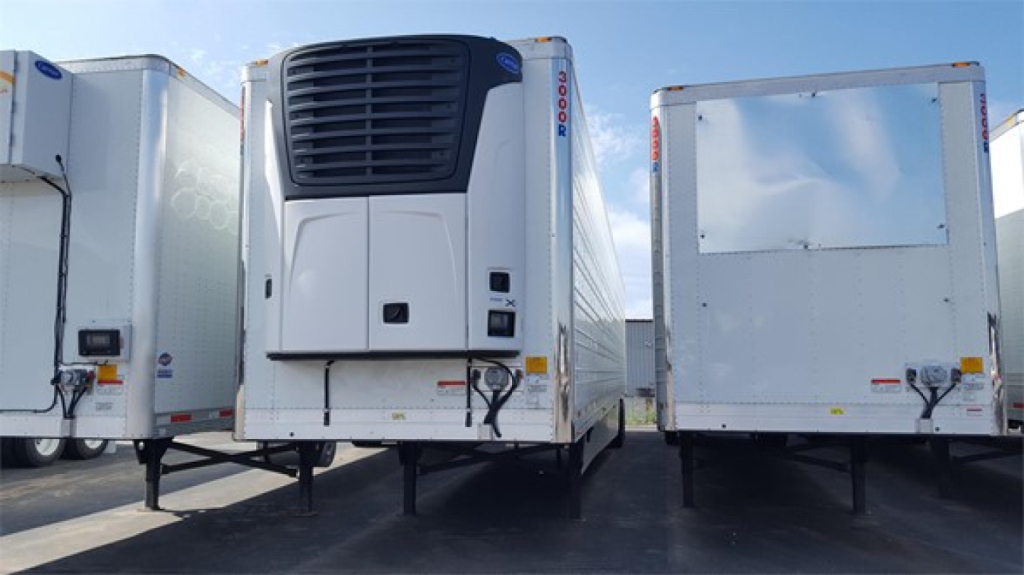
Yes. Thermo King and Carrier are the two dominant refrigeration unit brands in this market, and both have strong support networks. The better choice often depends on service access in your operating region, technician familiarity, and the specific unit model installed on the trailer. Buyers should compare not just the brand name, but also hours, maintenance history, fuel consumption, parts availability, and how well the unit matches the temperature profile of the freight.
Why are duct floors, air chutes, and bulkheads important on a reefer trailer?
These components control airflow, which is essential for stable temperature from front to rear. A duct floor allows conditioned air to move under the load, while an air chute helps distribute cold air along the ceiling and a bulkhead supports proper air return to the unit. Without good airflow management, a trailer may develop hot spots or struggle to pull product temperature evenly, especially with dense pallet patterns or frozen freight.
What features help lower reefer trailer operating costs?
Air ride suspension, tire inflation systems, disc brakes, side skirts, corrosion-resistant components, and a well-maintained refrigeration unit can all improve cost control. Tire wear, brake life, fuel consumption, and downtime matter as much as purchase price over the life of the trailer. Buyers should also consider reefer hours, door seal condition, floor durability, and the availability of parts and service because unplanned temperature-control repairs can be far more expensive than routine maintenance.