
Used Flatbed Trailers For Sale
Browse used flatbed trailers with specs that matter, including length, axle spread, deck material, suspension, securement, and weight capacity.
Learn moreBrowse Flatbed Trailers by Make
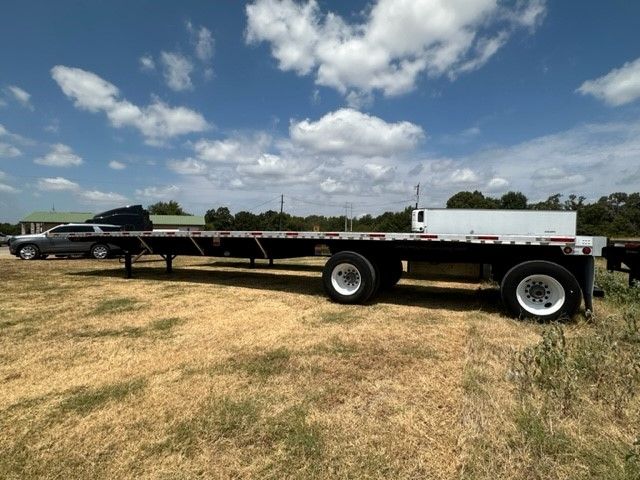
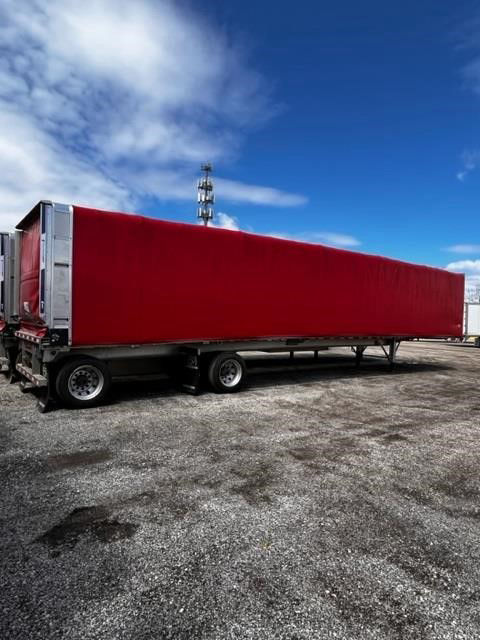
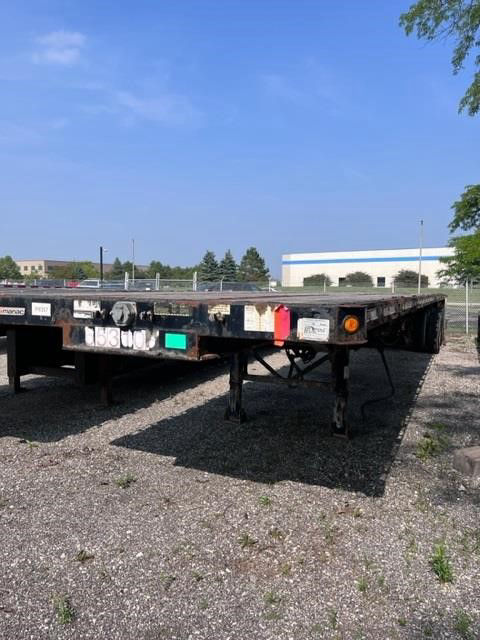
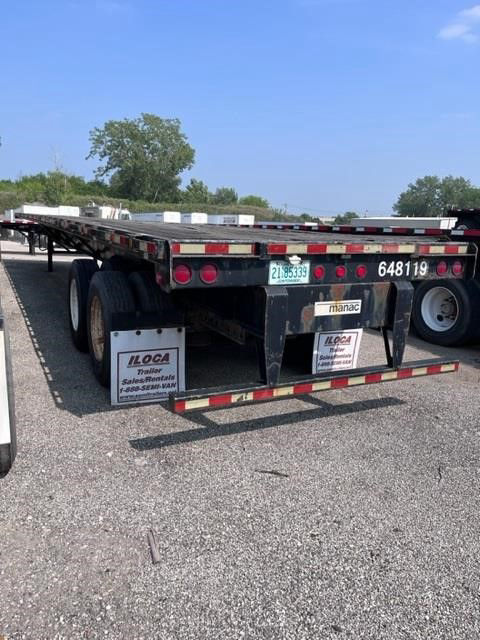
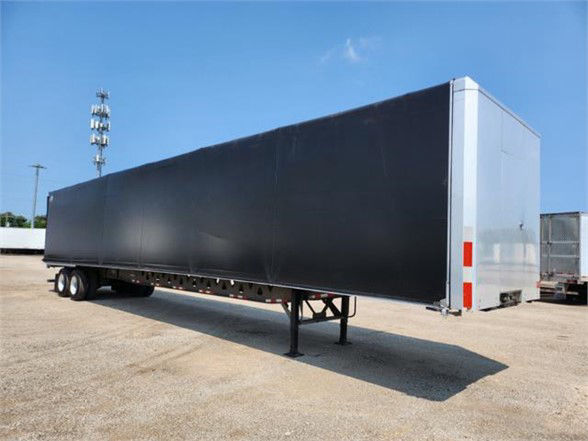
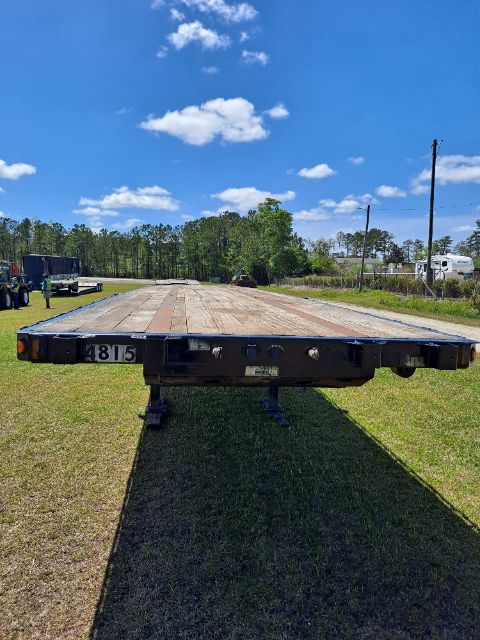
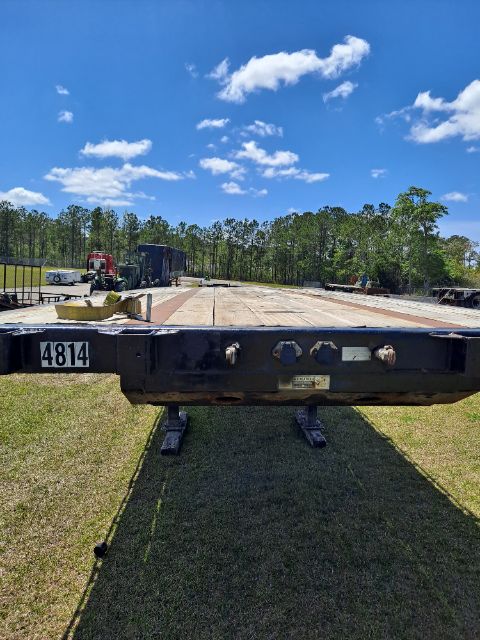
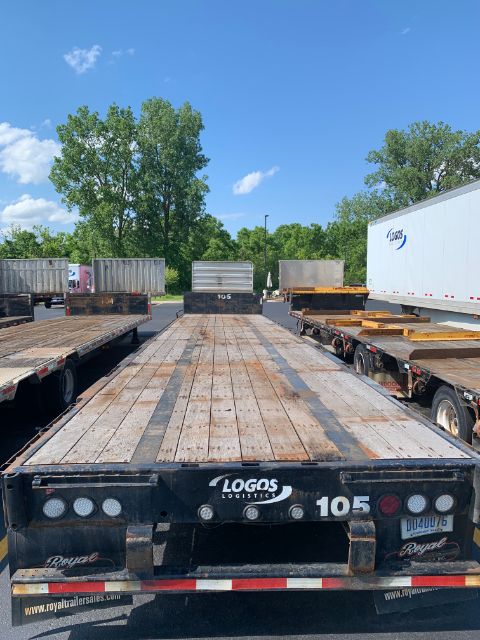
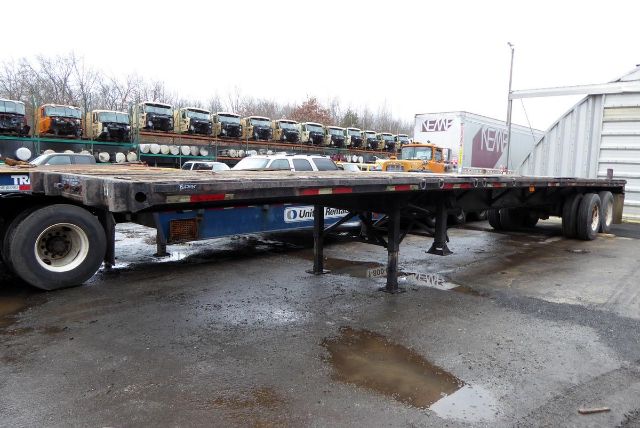
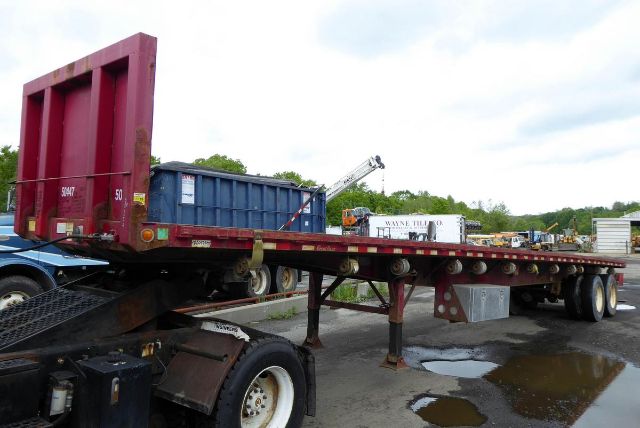
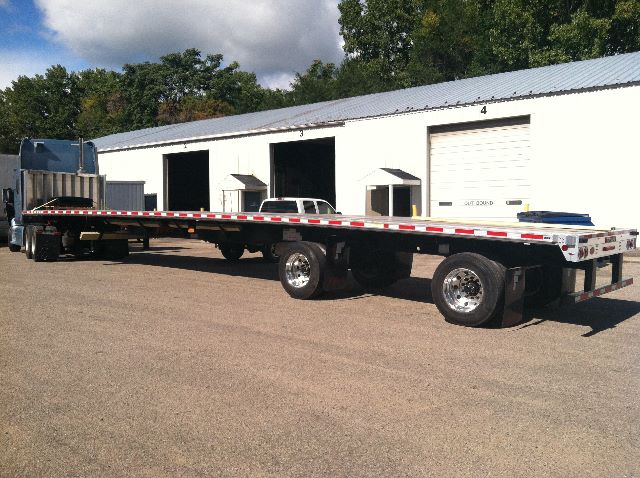
Showing 265 to 275 of 275 results
Have used flatbed trailer to sell? List it here to reach thousands of buyers.
About Used Flatbed Trailers
Material choice is a major decision in this category. Aluminum flatbed trailers generally offer lower tare weight and better corrosion resistance, which helps maximize payload and reduce long-term upkeep. Steel trailers are typically favored for severe-duty applications where impact resistance matters more than empty weight. Combination trailers split the difference, often using a steel frame with aluminum components. Flooring matters too. Aluminum floors are common on highway flatbeds, while wood or apitong decking can be a better fit for operators hauling steel, equipment, or freight that benefits from extra deck friction and easier repair. If you haul concentrated loads such as coils or machinery, look closely at crossmember spacing, coil package reinforcement, rated load concentration, and main beam condition.
Axle configuration affects both legality and day-to-day usability. Fixed spread, sliding spread, and tandem setups all show up in used flatbed inventory. Spread axles can improve weight distribution and deck stability, but they may reduce maneuverability in tight yards and can trigger bridge-law limitations in some states when empty or lightly loaded. Sliding rear axle arrangements add flexibility for scaling and adapting to different freight. Air ride suspension is the most common spec because it protects freight and improves ride quality, but suspension brand, bushing wear, ride height, and axle alignment deserve a close inspection on any used unit. Buyers should also evaluate kingpin setting, landing gear condition, tire size and age, wheel type, brake condition, and evidence of frame or side rail repairs.
Securement equipment often separates a basic flatbed from a more productive one. Full-length winch tracks, sliding winches, stake pockets, chain tie-downs, pipe spools, dunnage racks, bulkheads, and toolboxes all change how quickly a trailer can be loaded and how many freight types it can cover. A 48-foot flatbed may be the better choice for regional work, dense freight, or jobsite access, while a 53-foot aluminum flatbed is often preferred for maximizing deck space in long-haul operations. On a used trailer, inspect the deck surface, rub rail, scuff damage around stake pockets, cracked welds near suspension hangers, rear impact guard condition, and signs of overloading around the concentrated load area. A clean used flatbed trailer with the right axle spread, securement package, and deck construction can be a highly efficient platform for general commodity hauling.
Frequently Asked Questions
What is the most common size for a used flatbed trailer?
The most common used flatbed trailer sizes are 48 feet and 53 feet long, typically at 102 inches wide. A 48-foot flatbed is still popular for regional hauling, steel, and freight that does not require maximum deck length. A 53-foot flatbed is often chosen for long-haul operations and lighter commodities where extra deck space improves load planning and revenue potential.
Is an aluminum flatbed better than a steel flatbed?
An aluminum flatbed is usually preferred when payload matters because it weighs less and resists corrosion well. A steel flatbed can make sense in harsher applications where durability and impact resistance are more important than tare weight. Many buyers also consider combination flatbeds, which balance weight savings with structural toughness. The better choice depends on the freight mix, operating environment, and maintenance priorities.
What should I inspect first on a used flatbed trailer?
Start with the frame, main beams, crossmembers, suspension, brakes, tires, and deck condition. Pay close attention to cracked welds, bent rails, deck wear around forklift traffic areas, loose or damaged winch tracks, and signs of overloading near coil areas or concentrated load points. It is also important to check axle alignment, landing gear operation, kingpin wear, and the condition of the rub rail, stake pockets, and rear impact guard.
What axle setup is best on a flatbed trailer?
The best axle setup depends on where and how the trailer will run. Tandem axles are simpler and often easier to maneuver. Fixed spread axles are common on highway flatbeds and can help with weight distribution, but they can be less forgiving in tight turns. Sliding spread axles offer more flexibility for scaling different loads and adapting to varying state requirements. Buyers should match axle layout to freight type, route density, and bridge-law considerations.
What features make a used flatbed trailer more versatile?
Versatility usually comes from securement and deck configuration. A full-length winch track, sliding winches, stake pockets, chain tie-downs, pipe spools, dunnage storage, and a reinforced coil package all expand the trailer’s usable freight range. Flooring choice also matters. Wood decking can be useful for traction and repairability, while aluminum decking helps keep tare weight down. A well-equipped used flatbed can handle general freight, building materials, steel products, machinery, and specialty loads more efficiently.