
Dump Trailers For Sale in Kansas
Shop dump trailers for sale in Kansas, including frameless steel and aluminum models for aggregate, asphalt, scrap, grain, and demolition work.
Learn moreBrowse Dump Trailers by Make
Showing 13 to 13 of 13 results
Have dump trailer to sell? List it here to reach thousands of buyers.
About Dump Trailers in Kansas
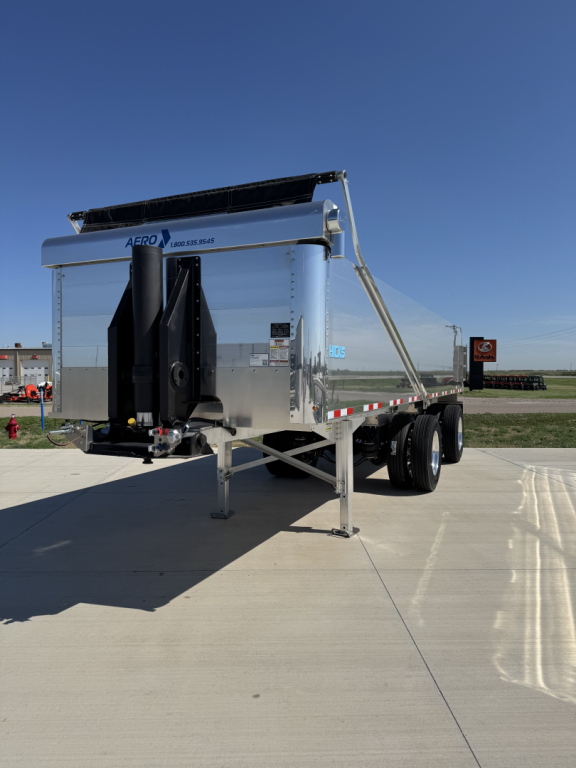
Body style, length, and suspension setup tell you a lot about how a dump trailer will perform. Common lengths in this category include 28-foot and 32-foot bodies, usually in tandem axle configurations with either single point or air ride suspension. Half-round tubs are popular because they reduce material hang-up and improve cleanout, especially with wet or sticky loads. Spread axle dump trailers can improve bridge compliance and road manners, while axle lift setups add flexibility when running empty or maneuvering in tighter spaces. Buyers should also pay attention to gate configuration, since high-lift gates, top-hinge gates, and combination gates affect unloading speed, backing to pavers, and versatility across different commodities.
Material spec matters more than the paint color. A 1/4-inch Hardox or AR450 steel tub is a common choice for severe-duty use, and liners such as UHMW or additional steel wear surfaces can extend body life when hauling abrasive material. Aluminum bodies can cut tare weight and boost legal payload, but they should be matched carefully to the commodity and loading method. Drum brakes remain common in this segment, along with 11R24.5 rubber on steel or aluminum wheels. Electric flip tarps, manual or air-operated gate controls, front 6-way wiring, ladders, rear fenders, and weather-protected valve boxes are the kinds of details that affect daily uptime more than many first-time buyers expect.
A dump trailer buyer should look beyond age and focus on structural condition, prior application, and spec alignment with the route and commodity. Check the tub, crossmember areas, suspension mounts, hoist cradle, hinge points, gate hardware, and liner wear. Tire and brake percentage, recent federal inspection status, and signs of frame twist or floor distortion are especially important on used units. For Kansas operations, it also makes sense to think about seasonal conditions, including muddy access roads, wind exposure, and the need to tarp consistently. The best dump trailer is the one sized correctly for the material, built for the abuse level, and stable enough to unload safely day after day.
Frequently Asked Questions
What is the difference between a steel dump trailer and an aluminum dump trailer?
Steel dump trailers are generally preferred for severe-duty applications such as rock, riprap, demolition debris, and other abrasive or impact-heavy materials because the body can take more punishment over time. Aluminum dump trailers are usually selected when payload is the priority, especially for lighter bulk commodities or operations where every pound of tare weight matters. The right choice depends on the material being hauled, the loading method, and how much body life you expect before repair work becomes part of normal operating cost.
Is a frameless dump trailer better than a frame-type dump trailer?
A frameless dump trailer is often favored for higher payload potential and efficient unloading, especially in half-round configurations that help material slide out cleanly. That makes frameless designs common in aggregate, asphalt, and scrap applications. A frame-type dump trailer can offer different durability characteristics and may be preferred in some severe-duty or specialized applications. The better design is the one that matches your commodity, road conditions, and loading environment rather than a universal rule.
What body length is most common for dump trailers?
Twenty-eight foot and 32-foot dump trailers are both common, and each serves a different balance of capacity, maneuverability, and weight distribution. A 28-foot body can be easier to place on tighter job sites and may suit heavier materials where cubic volume is not the limiting factor. A 32-foot body gives more capacity for lower-density material and is widely used when maximizing yardage matters. Buyers should compare cubic capacity, legal weight targets, and the typical dump locations before deciding.
What suspension should I look for on a dump trailer?
Single point suspension is common on heavy-haul dump trailer specs because it is simple, durable, and well suited for punishing applications. Air ride suspension can improve ride quality and may be preferred when cargo protection, road manners, or spread axle configuration is part of the operation. Lift axles or auto-lift front axles add flexibility for empty travel and tighter maneuvering. Suspension choice should reflect haul distance, road quality, maintenance preference, and how the trailer is loaded and unloaded.
What should I inspect first on a used dump trailer?
Start with the tub, floor, sidewalls, rear hinge area, suspension mounts, and hoist-related structure because those areas reveal how hard the trailer has really worked. Look for cracks, patches, stretched metal, liner wear, gate damage, and signs of uneven dumping or twisting. Then review brakes, tires, wheel ends, tarp system, wiring, and air system condition. A used dump trailer can still be a strong value, but structural integrity matters more than cosmetic appearance.