
HICKS Dump Trailers For Sale in Kansas
Shop HICKS dump trailers for hauling aggregate, asphalt, and construction material with durable bodies, proven specs, and buyer-focused options.
Learn more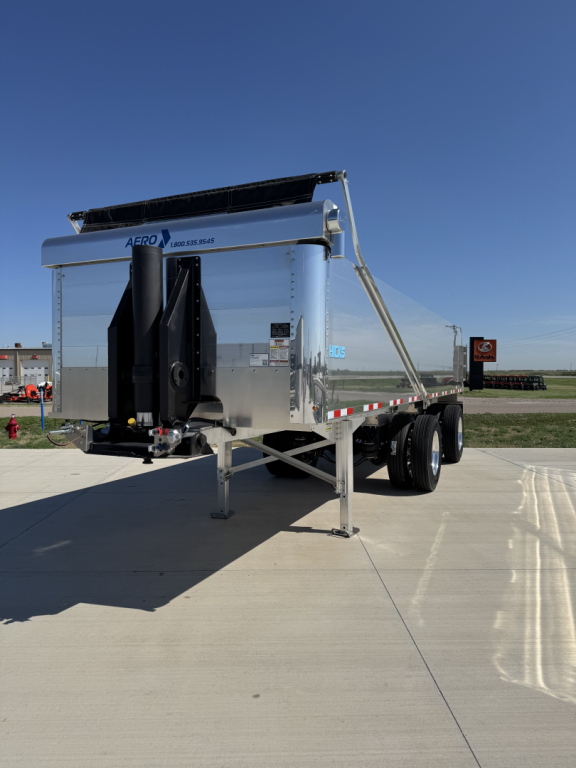
Have hicks dump trailer to sell? List it here to reach thousands of buyers.
About HICKS Dump Trailers in Kansas
One of the main decisions in this class is body construction and wear protection. Aluminum dump trailers help keep empty weight down and maximize legal payload, but the liner spec often determines how well the trailer handles abrasive material and repeated dumping. Heavy UHMW liners are a common choice for sticking material and impact resistance, with thicker material typically concentrated at the rear where wear is highest. Buyers should also pay attention to side height, gate design, tarp system, and how the trailer is expected to unload in varying weather. Electric flip tarps are popular because they speed up load securement and reduce driver effort, especially in operations with frequent short turns.
Suspension and running gear deserve close review because they affect tire life, maintenance cost, and ride quality. Air ride suspension is a strong fit for dump applications that mix paved road travel with rough entrances, and an auto lift front axle can reduce scrub and save tires when running empty or lightly loaded. Hub and drum package, wheel material, and tire size all factor into long-term operating cost. Many buyers also look for weather-protected air controls, durable landing gear, and components that are easy to service in the field. On a dump trailer, the details around valves, airlines, bushings, and brake components often separate a trailer that stays productive from one that spends too much time in the shop.
For a buyer comparing HICKS dump trailers, the right spec usually comes down to the material being hauled, the legal weight environment, and how aggressively the trailer will be used. A 28-foot body with around 27 cubic yards is a versatile setup for many regional fleets and owner-operators because it balances capacity with maneuverability. If the work includes asphalt or demolition, inspect liner thickness, body reinforcement, and rear wear areas carefully. If the priority is aggregate volume and low tare weight, focus on body material, axle spacing, and suspension spec. A well-matched dump trailer should dump cleanly, stay stable under load, and hold up to repeated cycles without excessive maintenance.
Frequently Asked Questions
What should I look for first when buying a HICKS dump trailer?
Start with the trailer's intended material and operating environment. Body length, cubic yard capacity, axle configuration, suspension type, and liner thickness have the biggest impact on payload, stability, and service life. If the trailer will haul abrasive aggregate or demolition debris, rear floor wear protection and side reinforcement are especially important. If the work is more volume-driven, tare weight and legal axle spacing move higher on the list.
Is a spread axle HICKS dump trailer a good choice for Kansas hauling?
A spread axle dump trailer is often a strong fit for Kansas because many operators run a mix of highway miles, rural routes, and jobsite access. Spread axles can improve stability during loading and dumping, help with bridge-law considerations, and often distribute weight more effectively. The tradeoff is increased tire scrub in tight turns, which is why features like an auto lift axle can be valuable for reducing wear.
Why does liner thickness matter on a dump trailer?
Liner thickness affects both unloading performance and resistance to wear. UHMW liners help material release more cleanly and protect the trailer body from abrasion and impact, especially with gravel, riprap, asphalt millings, and demolition material. Many dump trailers use thicker liner sections toward the rear because that area sees the most concentrated wear during loading and discharge. A properly spec'd liner can extend body life and reduce repair costs.
What suspension is most common on a dump trailer like this?
Air ride suspension is a common premium spec because it improves ride quality, helps protect the trailer structure, and can reduce shock transferred to the body and running gear. In dump service, it also helps with handling on rough approaches and mixed road conditions. Buyers should still review the full suspension package, including axle rating, lift axle controls, and bushing and brake component quality, because those details drive maintenance intervals and tire life.
How much capacity do most HICKS dump trailers have?
Capacity varies by body length, side height, and material type, but many general-purpose dump trailer specs fall in the mid-20-cubic-yard range. A setup around 28 feet and roughly 27 cubic yards is common because it offers a practical balance of maneuverability, payload opportunity, and versatility across aggregate and construction work. Actual legal payload always depends on trailer tare weight, tractor spec, axle spacing, and local weight limits.