
2021 Trailers For Sale
Shop 2021 trailers for sale, including van, reefer, flatbed, and dump trailers with the specs, dimensions, and features buyers compare most.
Learn morePopular Trailers Categories
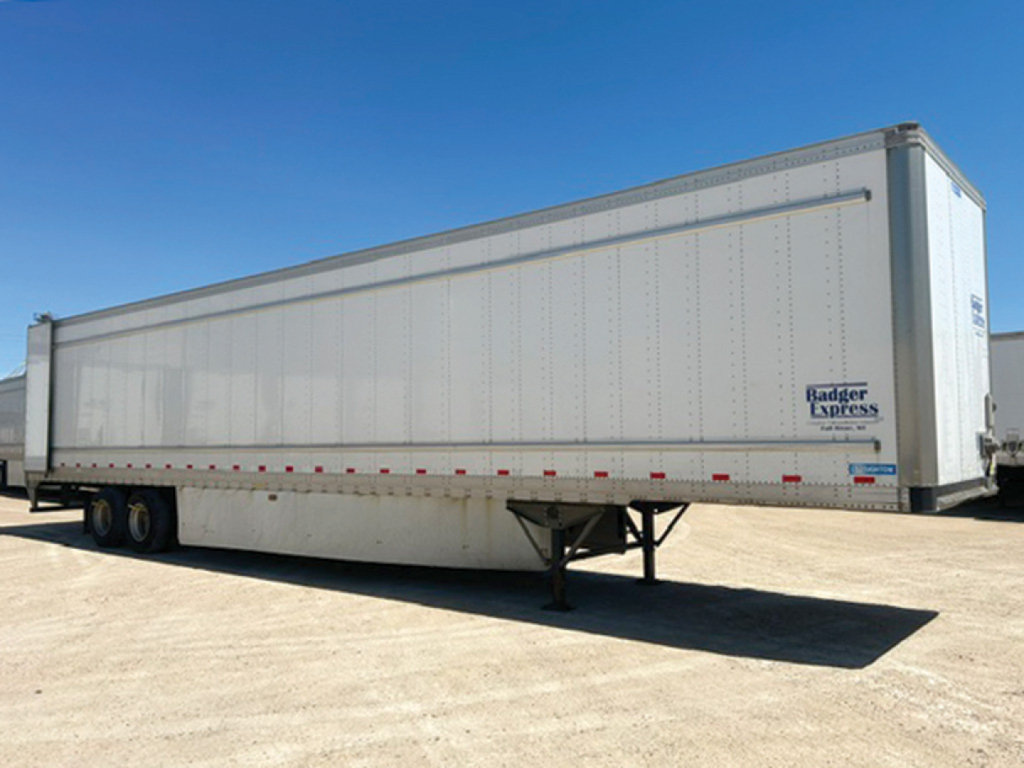
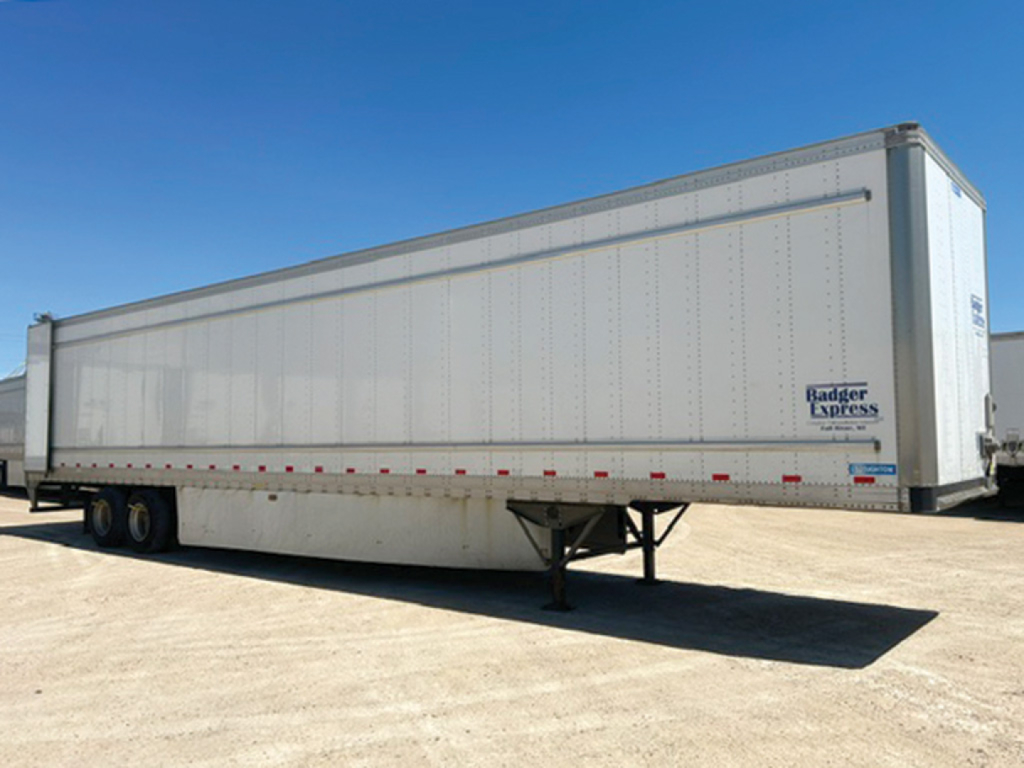
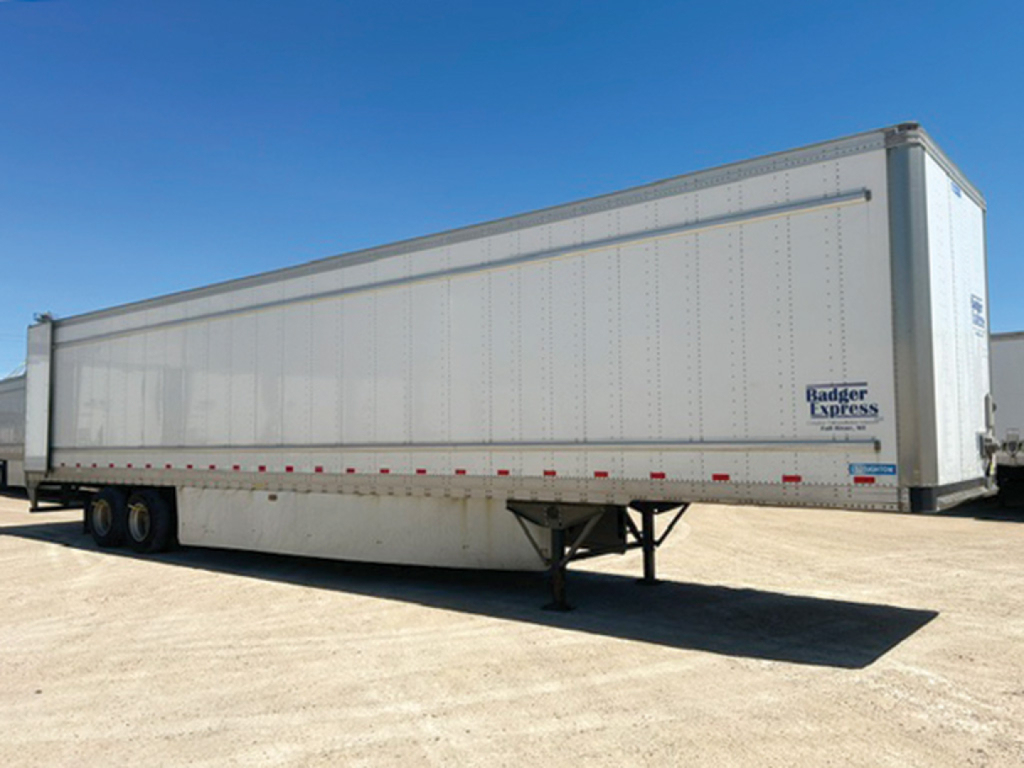
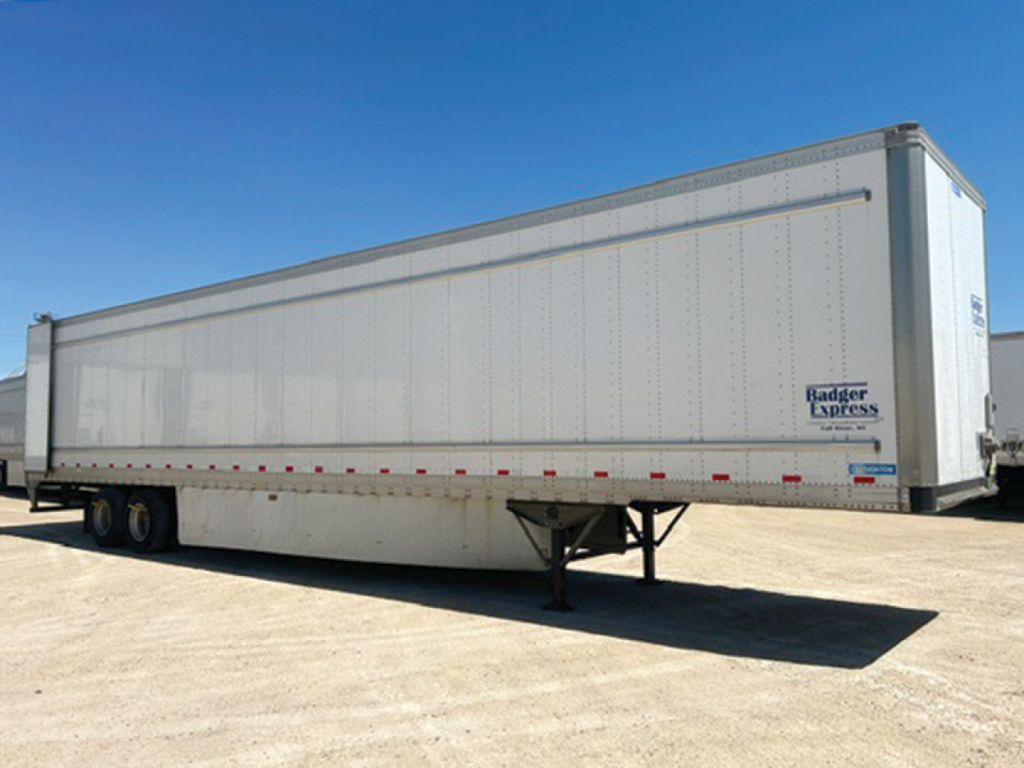
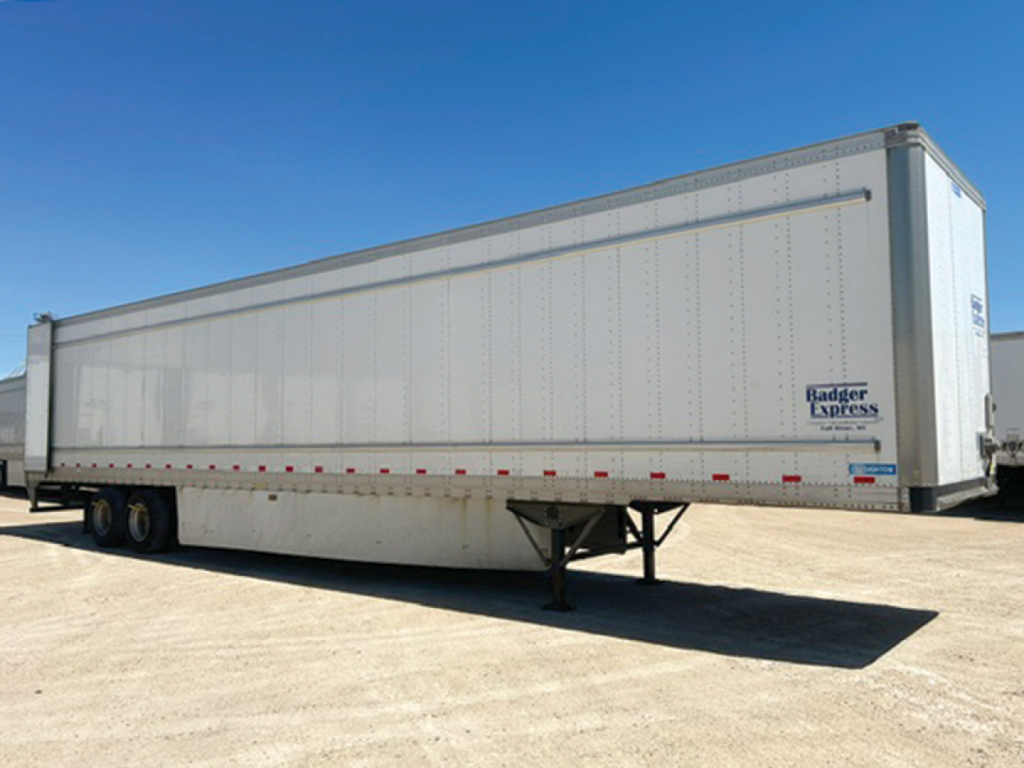
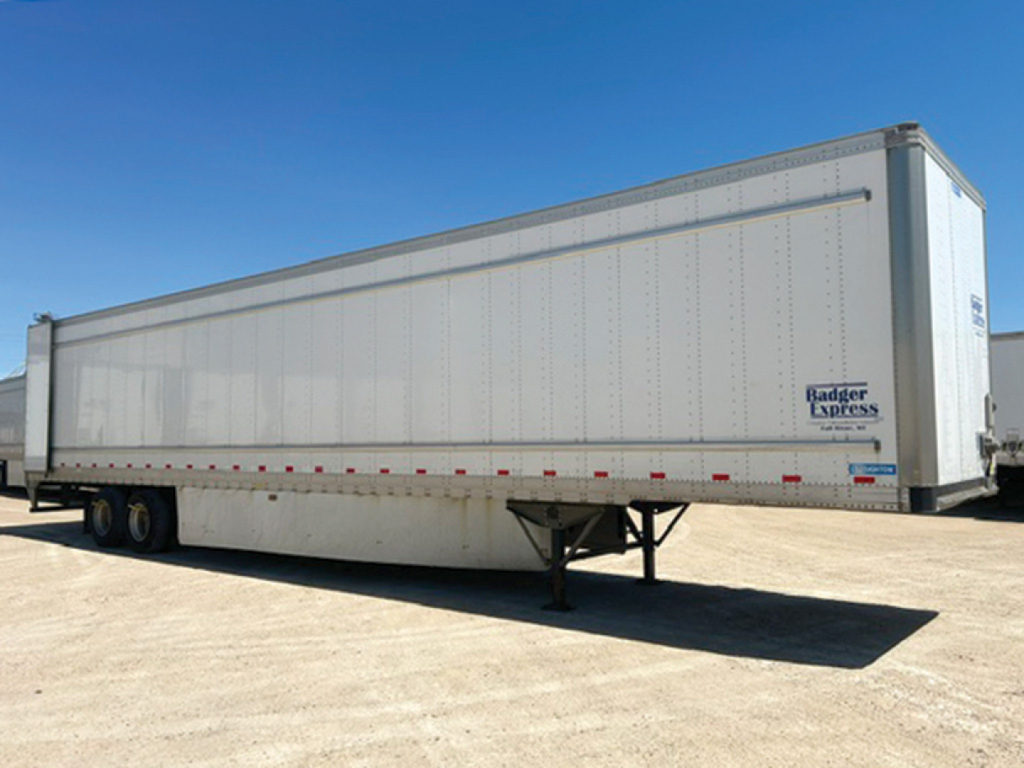

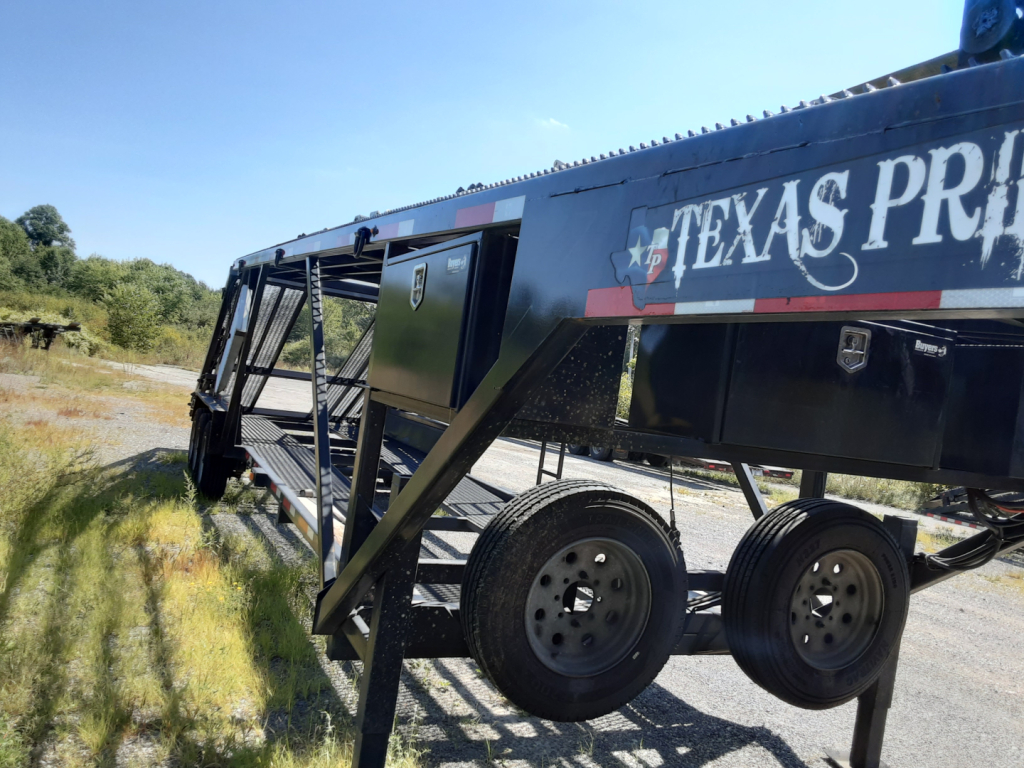

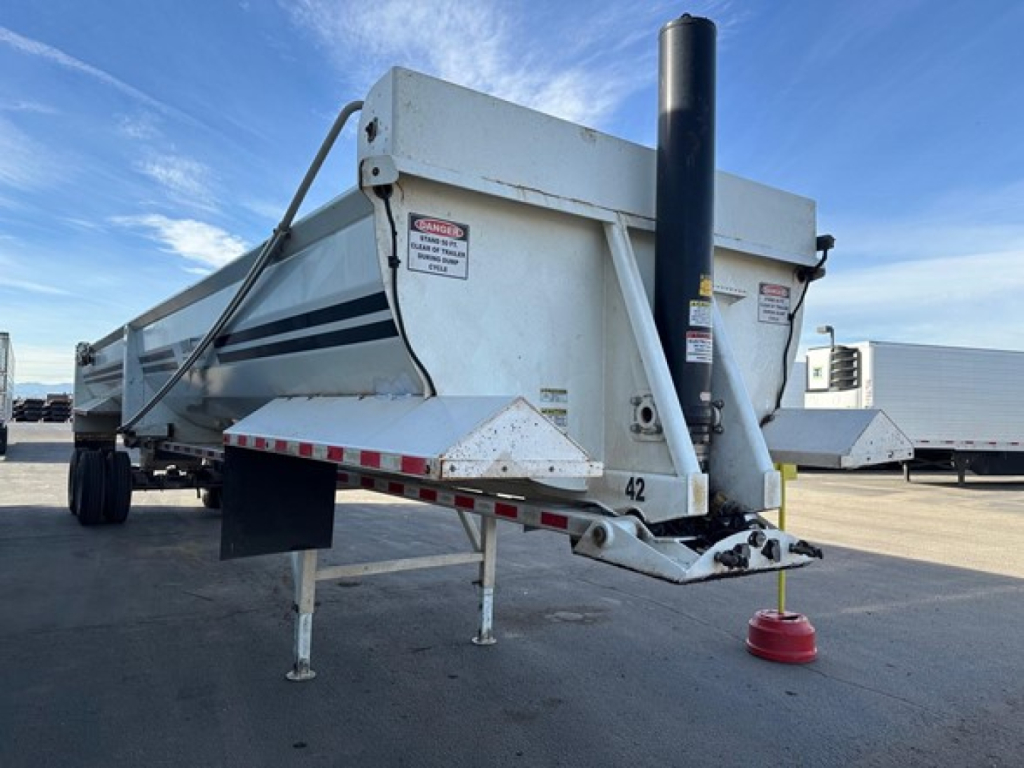
Showing 49 to 60 of 91 results
Have 2021 trailer to sell? List it here to reach thousands of buyers.
About 2021 Trailers
For dry vans, the common benchmark is 53 feet long by 102 inches wide, typically with wood floors, scuff liners, logistic posts, and either swing or roll-up rear doors. Buyers should pay close attention to slider condition, kingpin wear, roof integrity, crossmember spacing, and signs of floor fatigue around forklift traffic zones. Features like E-track, tire inflation systems, undertray storage, and galvanized rear frames can add practical value depending on your operation. If cargo securement flexibility matters, interior lining, post spacing, threshold plate condition, and rear door opening height deserve a close look, especially for high-cycle LTL, retail, and dedicated contract freight.
For 2021 reefer trailers, the refrigeration unit matters as much as the box. Thermo King and Carrier specs are common, and buyers should compare engine hours, start-run history, CARB compliance, chute design, duct floor condition, insulation performance, and door seal integrity. Reefer buyers also need to verify air ride suspension performance, slider operation, and brake condition because temperature-controlled freight puts a premium on uptime. For 2021 flatbed and platform trailers, the focus shifts to weight, deck construction, winch track layout, crossmember spacing, coil package configuration, and tiedown equipment. Aluminum construction helps maximize payload, while steel or combo builds may suit tougher jobsite use. Stake pockets, pipe spools, nail strips, and landing gear condition all affect day-to-day usability.
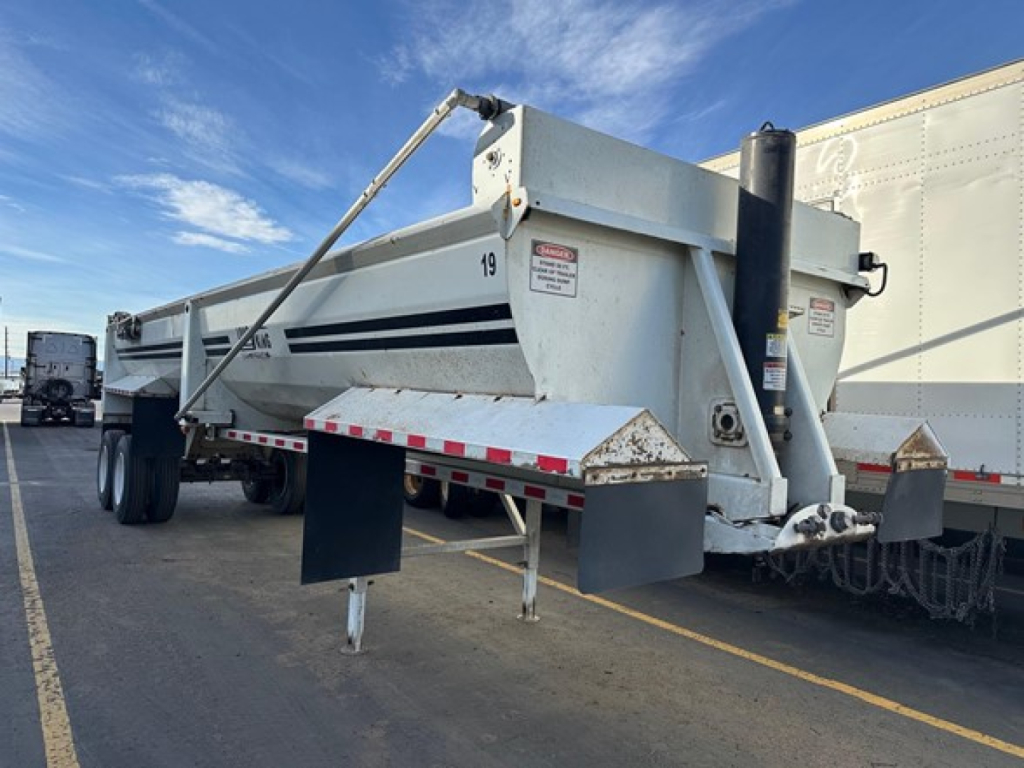
If the search includes 2021 dump trailers or other vocational trailer types, look closely at body material, cubic-yard capacity, suspension type, tarp system, hoist setup, and brake spec. Steel bodies are common where abrasion resistance matters, while lighter configurations can favor payload. Across all 2021 trailers, buyers should compare axle ratings, suspension type, disc versus drum brakes, tire size, wheel material, FHWA inspection status, and any evidence of prior structural repair. The best 2021 trailer is not just the right year. It is the right combination of trailer category, duty cycle, maintenance history, and spec for the freight it will actually haul.
Frequently Asked Questions
What should I look for first when buying a 2021 trailer?
Start with trailer type, dimensions, and intended application, then move quickly to structural condition and running gear. Frame condition, crossmembers, suspension, slider rails, kingpin area, brakes, tires, wheels, and landing gear usually tell you more than cosmetic appearance. On a 2021 trailer, buyers should also verify how the trailer was used, because heavy forklift traffic, urban delivery work, or off-road vocational service can affect wear patterns more than age alone.
Are 2021 trailers new enough to have modern fleet-spec features?
Yes, many 2021 trailers were built with features that remain desirable in current fleet service. Depending on type, that can include air ride suspension, disc brakes, tire inflation systems, aluminum wheels, duct floors, logistic posts, scuff liners, roll-up or swing doors, and advanced reefer controls. The value of a 2021 model often comes from getting those later-spec features in a used price range, but buyers still need to confirm the exact build sheet because same-year trailers can vary widely by original fleet order.
How do I compare a 2021 dry van to a 2021 reefer trailer?
The comparison starts with freight requirements and operating cost. A 2021 dry van is generally simpler and less expensive to maintain because it does not have a refrigeration unit, insulated body, or temperature-control components. A 2021 reefer trailer adds cargo flexibility for perishable and temperature-sensitive freight, but buyers must account for reefer unit hours, fuel use, compliance requirements, and additional maintenance on the unit, chute, seals, and insulated body structure.
What specs matter most on a 2021 flatbed trailer?
Payload capacity, empty weight, deck material, tiedown layout, and suspension spec usually matter most. Buyers should review axle configuration, winch track placement, number of sliding winches, coil package setup, crossmember spacing, kingpin setting, and the condition of side rails and stake pockets. Aluminum flatbeds are popular for maximizing legal payload, while heavier-duty configurations may be preferred for dense freight, steel products, machinery, or rougher loading environments.
Is model year more important than condition on a trailer?
Condition and specification usually matter more than model year by itself. A well-maintained 2021 trailer with documented inspections, sound structure, and the right spec package is generally a better buy than a newer trailer with poor maintenance history or the wrong setup for the work. Year helps narrow expected technology, emissions compliance on reefer units, and resale profile, but the real buying decision should come from application fit, maintenance records, and physical inspection results.