
John Deere Trucking Equipment For Sale
Browse John Deere trucking equipment for sale, including heavy-duty diesel machines known for durable hydraulics, serviceability, and jobsite versatility.
Learn moreBrowse John Deere Trucking Equipment by Category
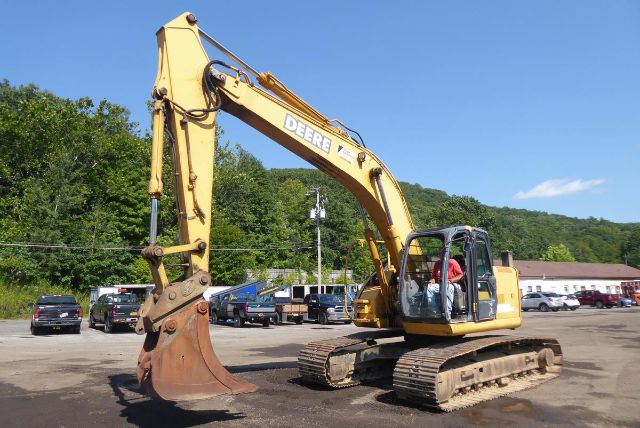
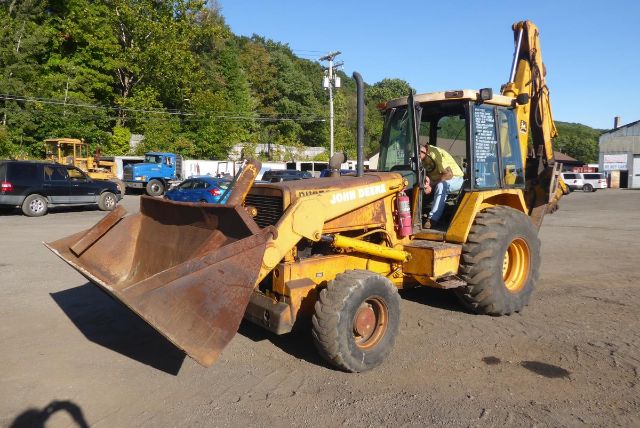
Have john deere trucking equipment to sell? List it here to reach thousands of buyers.
About John Deere Trucking Equipment
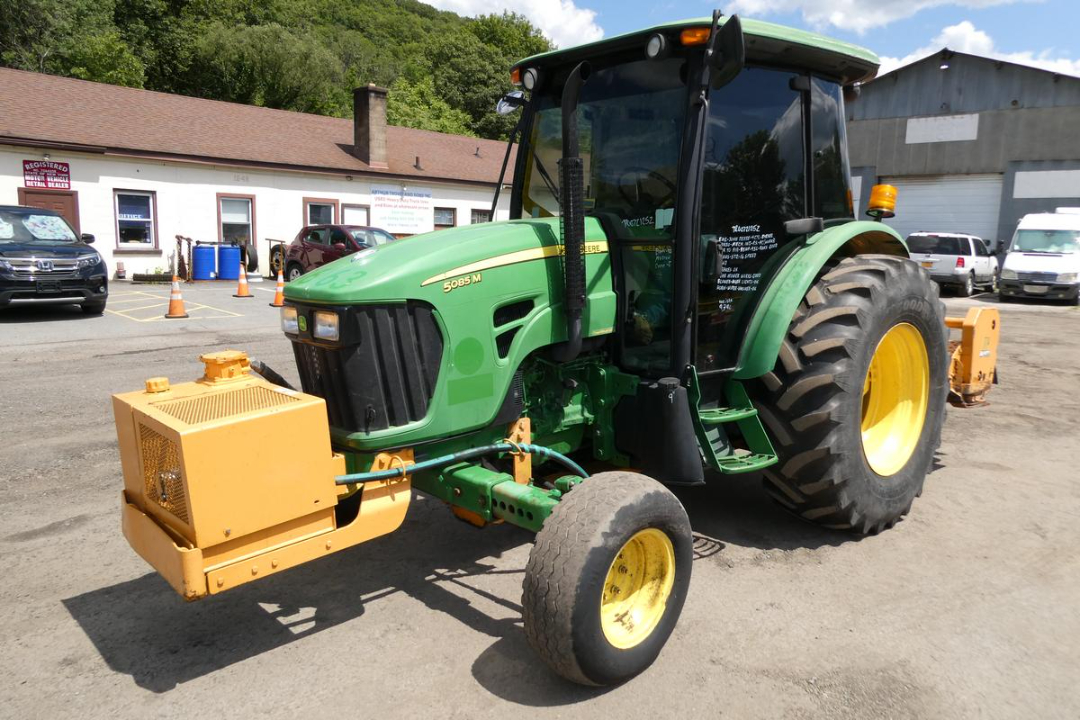
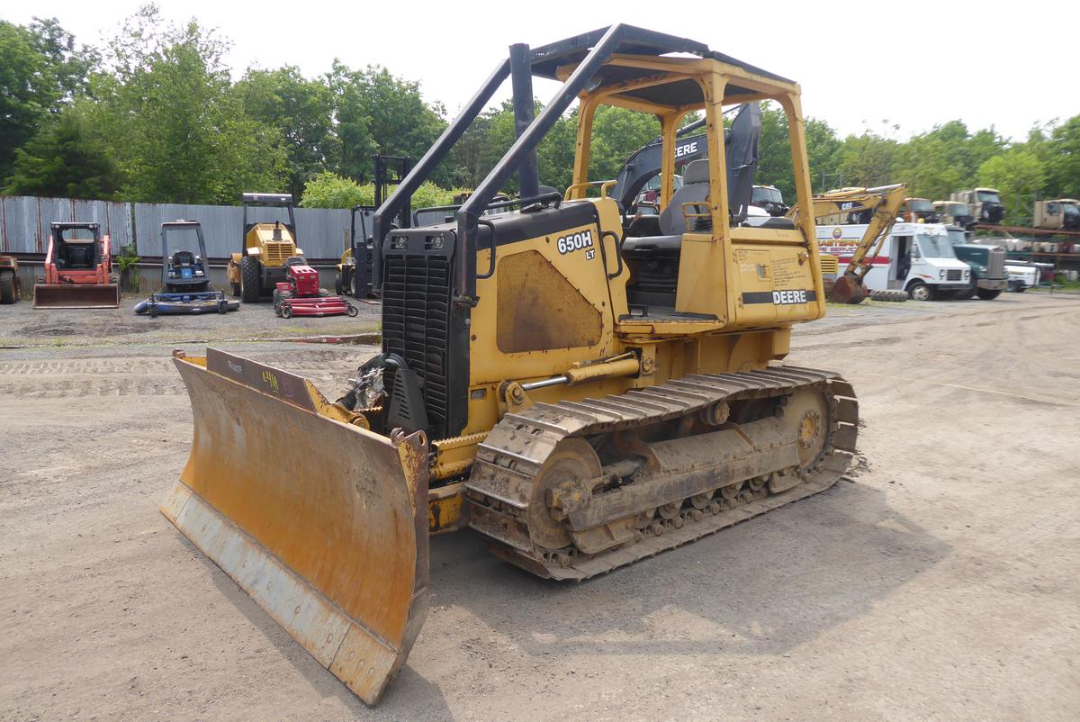
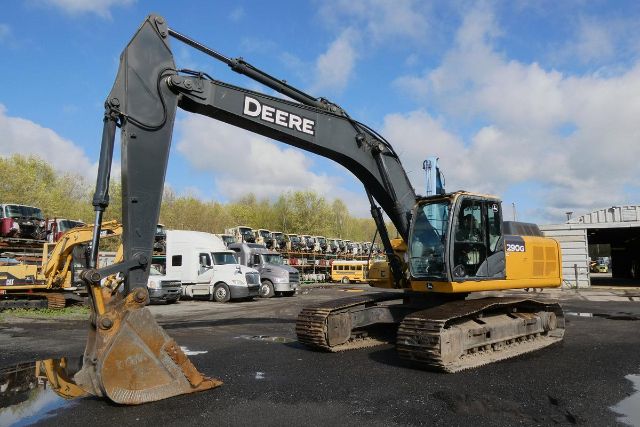
The right buying decision usually starts with application and transport requirements. A mid-size excavator or backhoe may fit a broader range of site work, trenching, loading, and utility tasks, while a crawler dozer is better suited for grading, pushing, and rough site prep. Agricultural and industrial tractors can serve mowing, roadside maintenance, PTO-driven work, and general property support. Key specs to compare include operating weight, engine horsepower, undercarriage condition on tracked machines, hydraulic auxiliary plumbing, bucket or blade configuration, transport width, and overall shipping length. If the machine will move frequently, legal width and trailer compatibility matter just as much as raw digging or pushing power.
On used John Deere equipment, condition details often tell the real story. Track wear, roller condition, grouser height, blade or bucket edge wear, boom and stick pin play, cylinder seepage, and final drive performance are all more important than paint. On wheeled units, tire size, drivetrain layout, powershift or hydrostatic operation, front axle wear, and brake performance deserve close attention. Cab equipment also affects value, especially enclosed ROPS, working air conditioning, glass condition, and electronic monitor function. Many Deere models hold appeal because parts availability remains strong and most technicians are already familiar with common engine, hydraulic, and driveline service points.
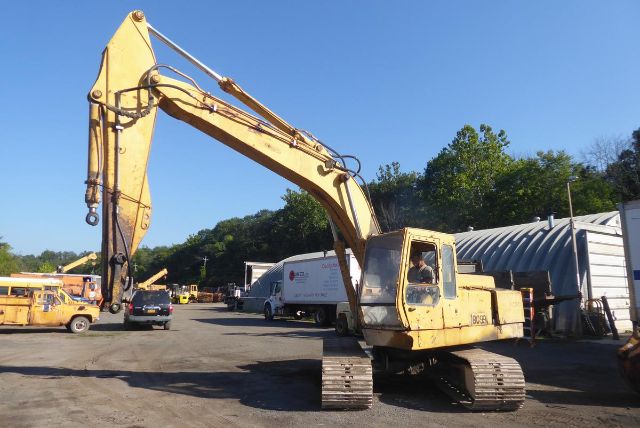
Buyers comparing John Deere trucking equipment should also think about attachment compatibility, service access, and the balance between mechanical simplicity and newer emissions-era systems. Older machines can be attractive for lower acquisition cost and less electronic complexity, while newer models may offer better fuel efficiency, improved hydraulic response, and more productive operator environments. The best unit in this category is usually the one that matches the job cycle, hauling setup, and maintenance capability of the operation. A careful review of hours, service history, undercarriage or tire condition, and attachment setup will usually tell you more than model year alone.
Frequently Asked Questions
What types of John Deere equipment are commonly included in trucking equipment listings?
John Deere trucking equipment listings often include excavators, dozers, backhoes, agricultural or industrial tractors, and other heavy machines that are transported by truck rather than operated as over-the-road vehicles. These machines are used in construction, site development, roadside maintenance, agriculture, and utility work. The category is broad, so buyers should focus on the machine type first, then narrow by weight class, horsepower, hydraulic capability, and transport dimensions.
What should I inspect first on used John Deere tracked equipment?
Start with the undercarriage. On a used John Deere excavator or dozer, undercarriage wear can be one of the largest ownership costs after purchase. Check track pads, chains, sprockets, rollers, idlers, and adjuster condition, then look for play in boom, stick, blade, or bucket pins and bushings. After that, inspect hydraulic cylinders for leaks or seepage, confirm swing and travel functions are strong, and watch for excessive engine blow-by or drivetrain noise during operation.
Are older John Deere machines still practical for commercial use?
Yes, many older John Deere machines are still practical when they have been maintained properly and match the job requirement. Older equipment is often valued for mechanical simplicity, lower purchase price, and easier field repairs. The tradeoff is that wear in pins, bushings, hydraulics, undercarriage components, and cooling systems can add up quickly. A lower-cost machine can still be a good buy, but only if the structural condition, engine health, and major components support continued service.
How important are shipping dimensions when buying John Deere heavy equipment?
Shipping dimensions are critical because they affect trailer selection, route planning, permits, and total hauling cost. Operating weight, transport width, overall length, and height determine whether a machine can move on a standard equipment trailer or needs specialized hauling. A machine that is productive on the job can still become expensive if it is difficult to move between sites. Buyers who relocate equipment often should compare transport specs as closely as they compare horsepower or bucket size.
Do John Deere machines generally have good parts and service support?
John Deere equipment is widely recognized for strong parts availability and a large service network, which is one reason it remains popular in mixed fleets. Support can vary by model age and region, but many common Deere machines benefit from established dealer channels and aftermarket parts options. That support matters for routine maintenance items as well as larger repairs involving hydraulics, engine components, cooling systems, and undercarriage parts.