
Rolloff Trucks For Sale in Oklahoma
Browse rolloff trucks for sale in Oklahoma. Compare hoist capacity, axle ratings, wheelbase, PTO setup, and specs for waste and container work.
Learn moreBrowse Rolloff Trucks by Make
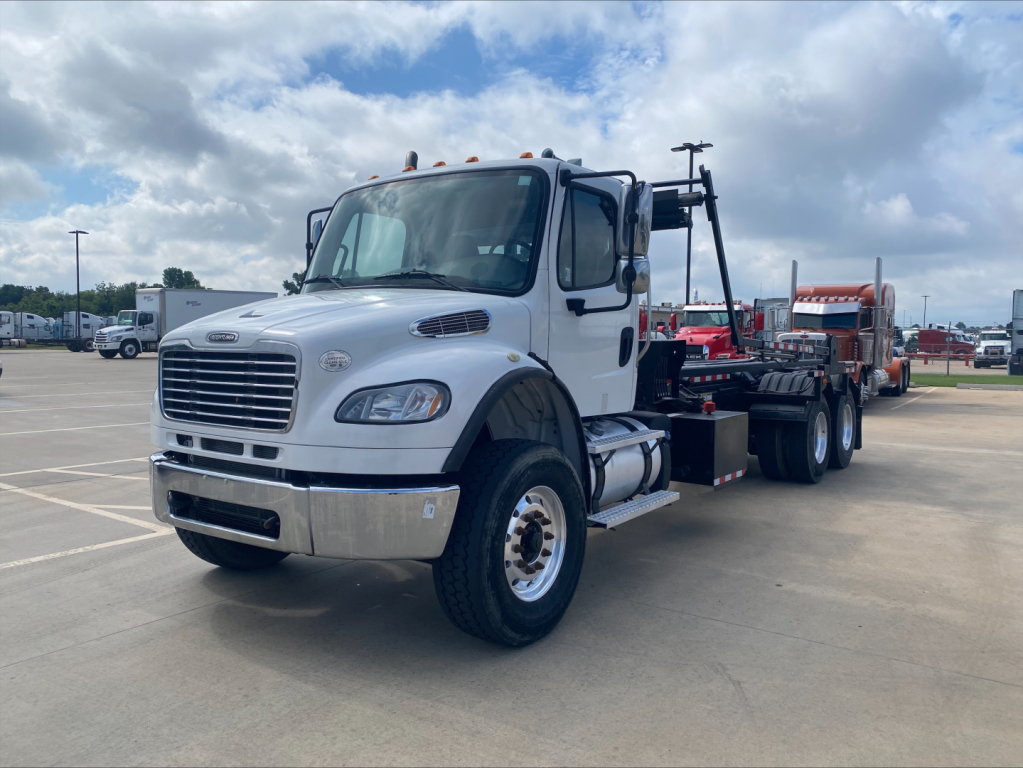
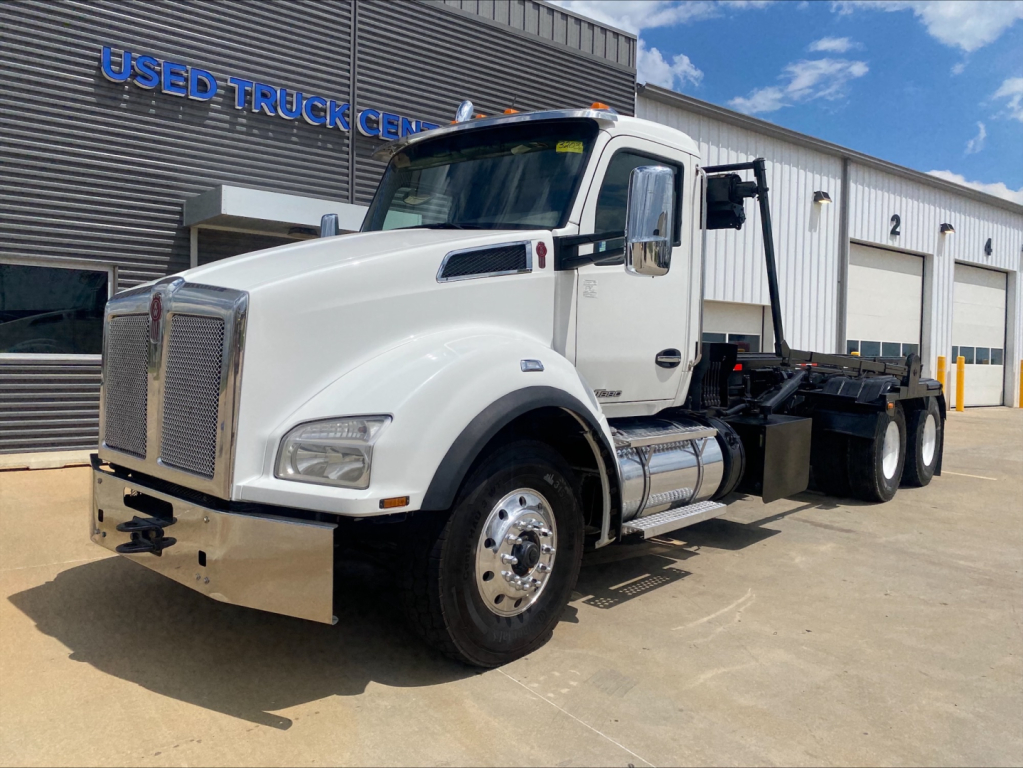
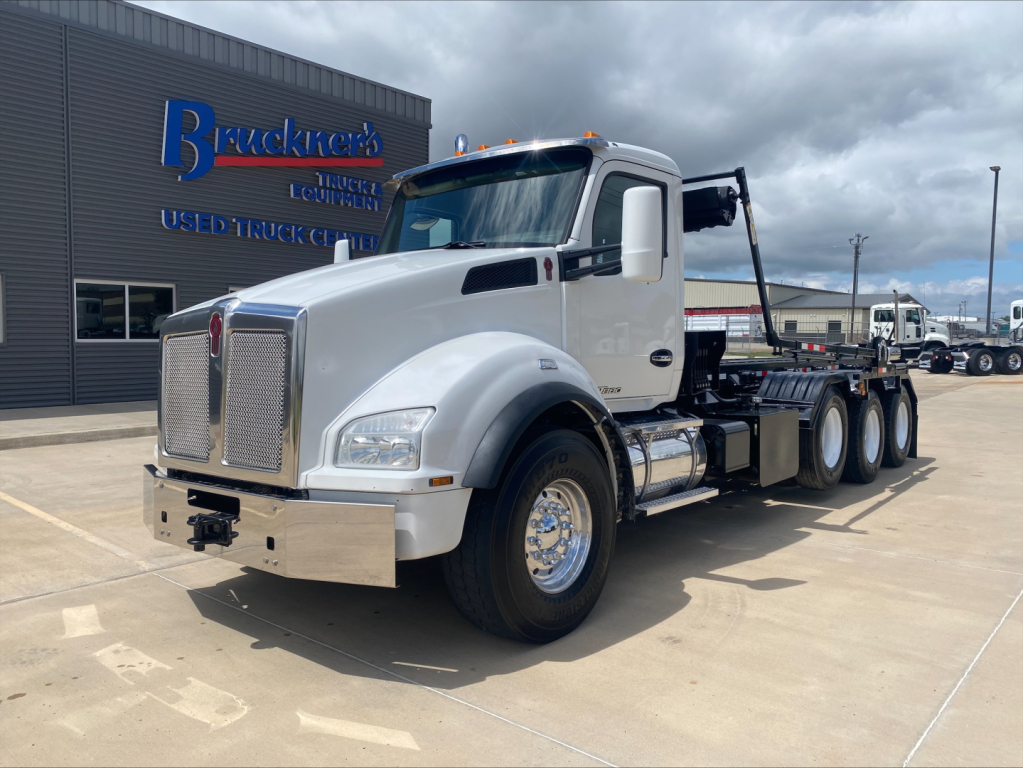
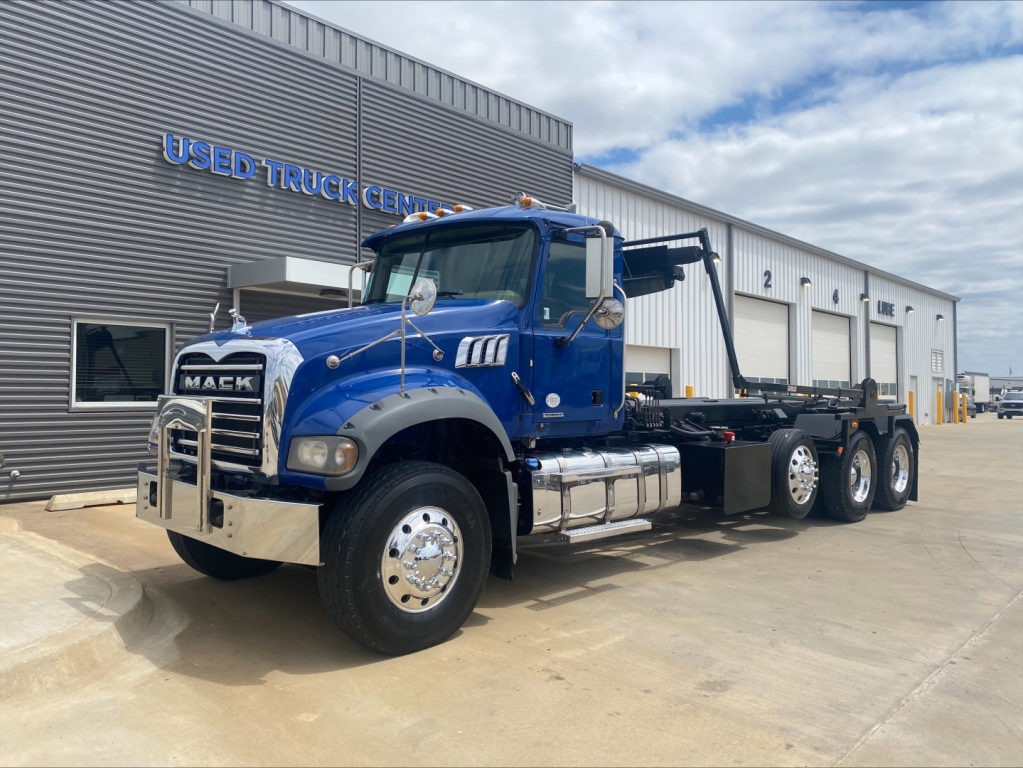
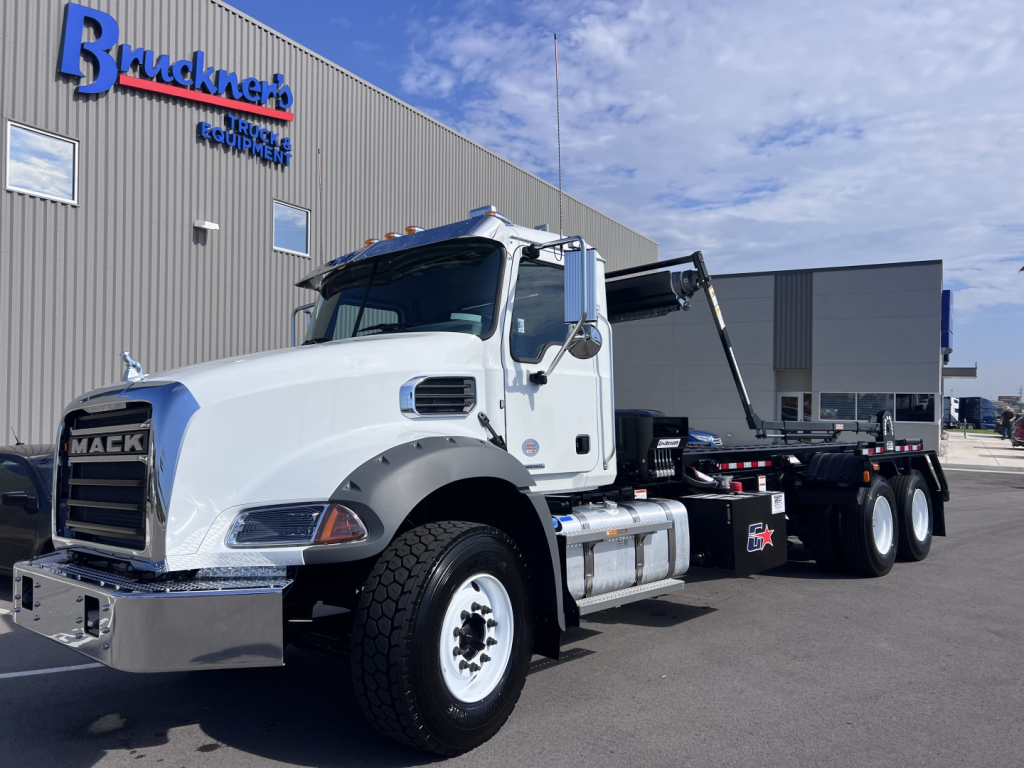
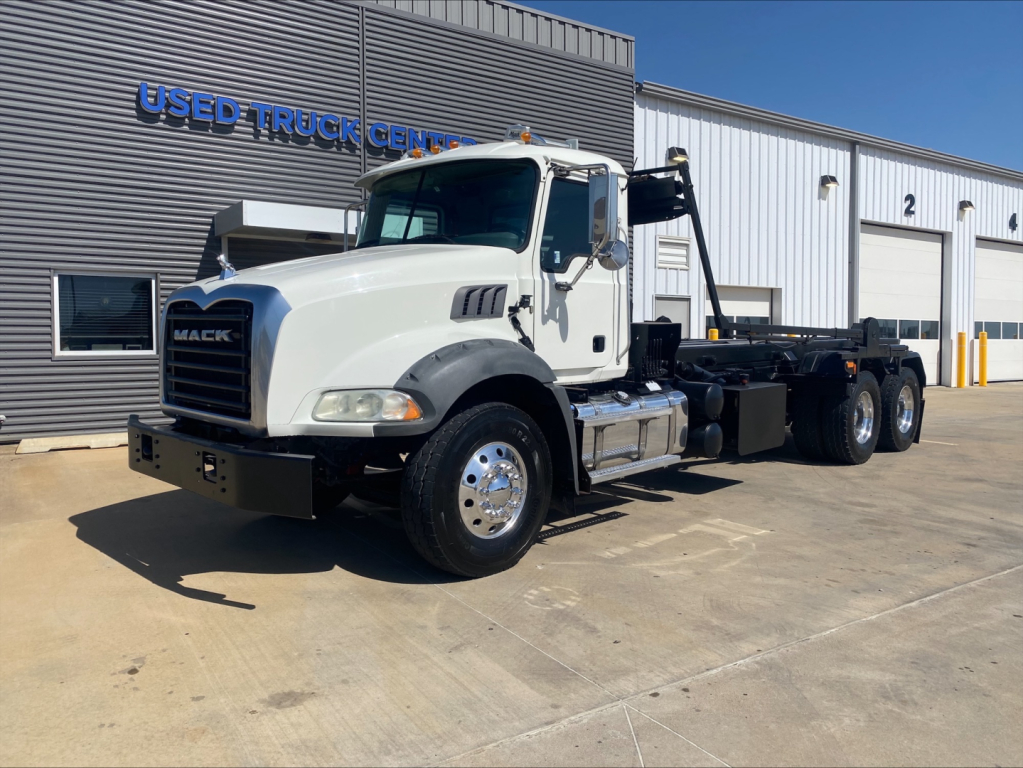
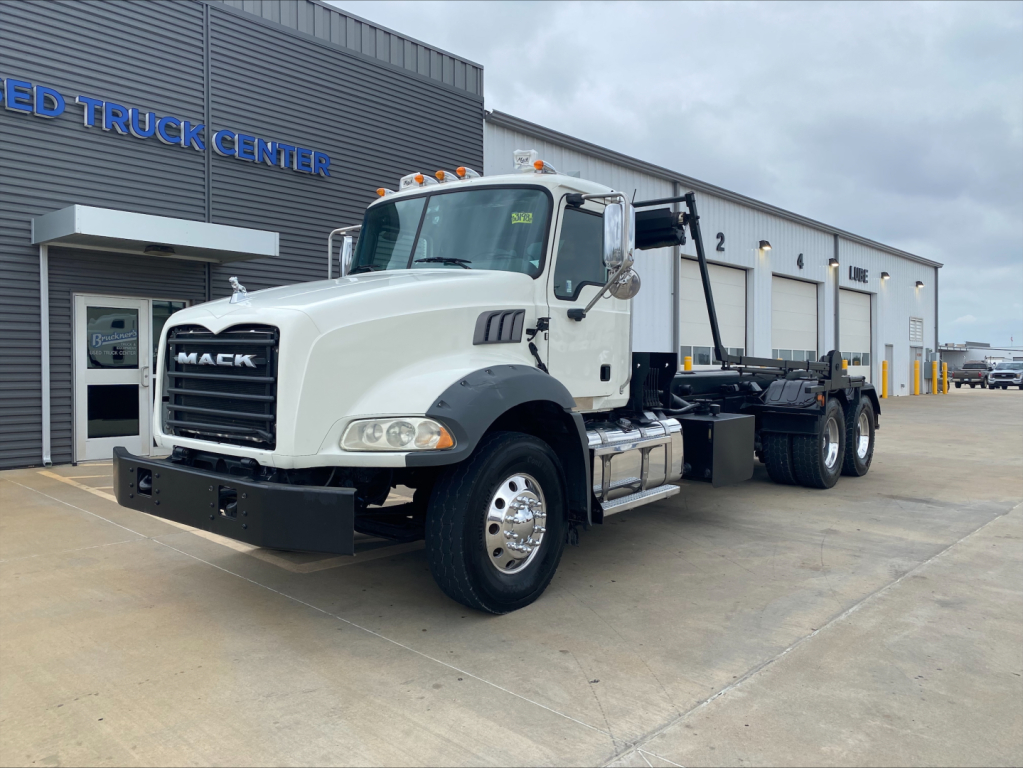
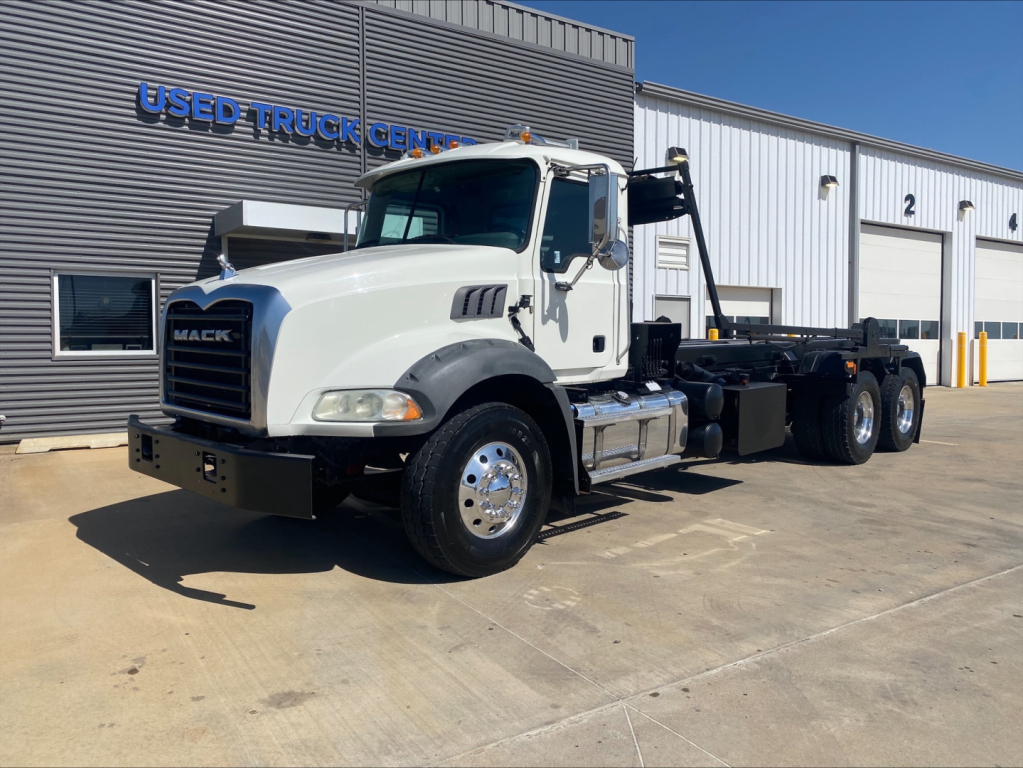
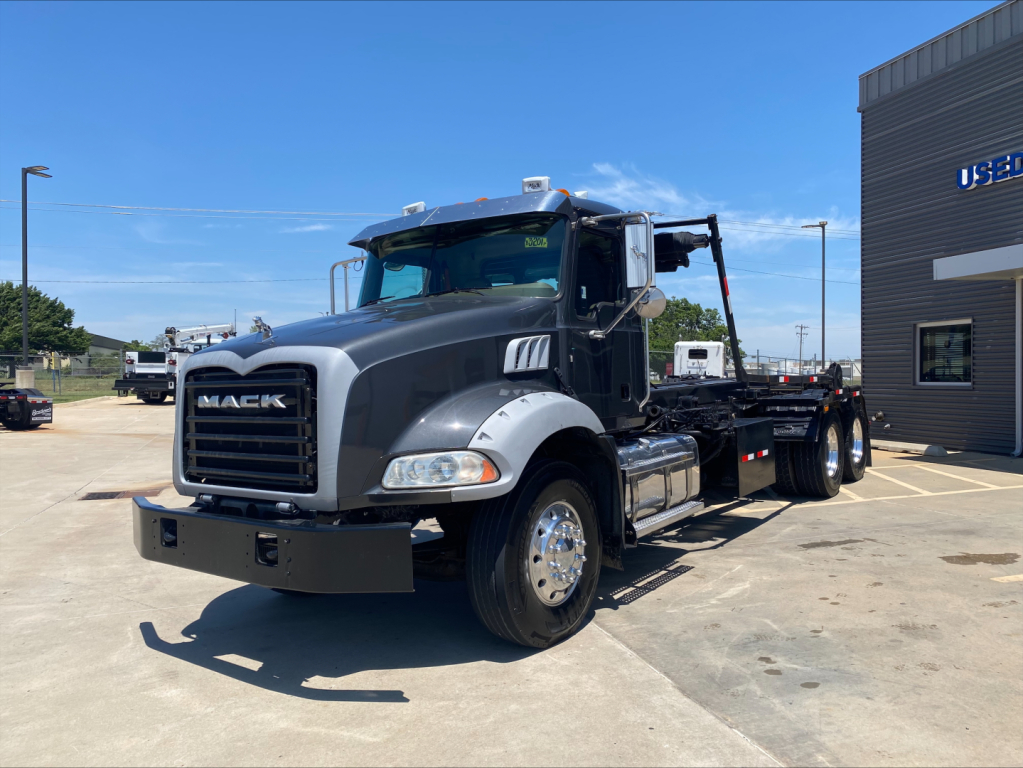
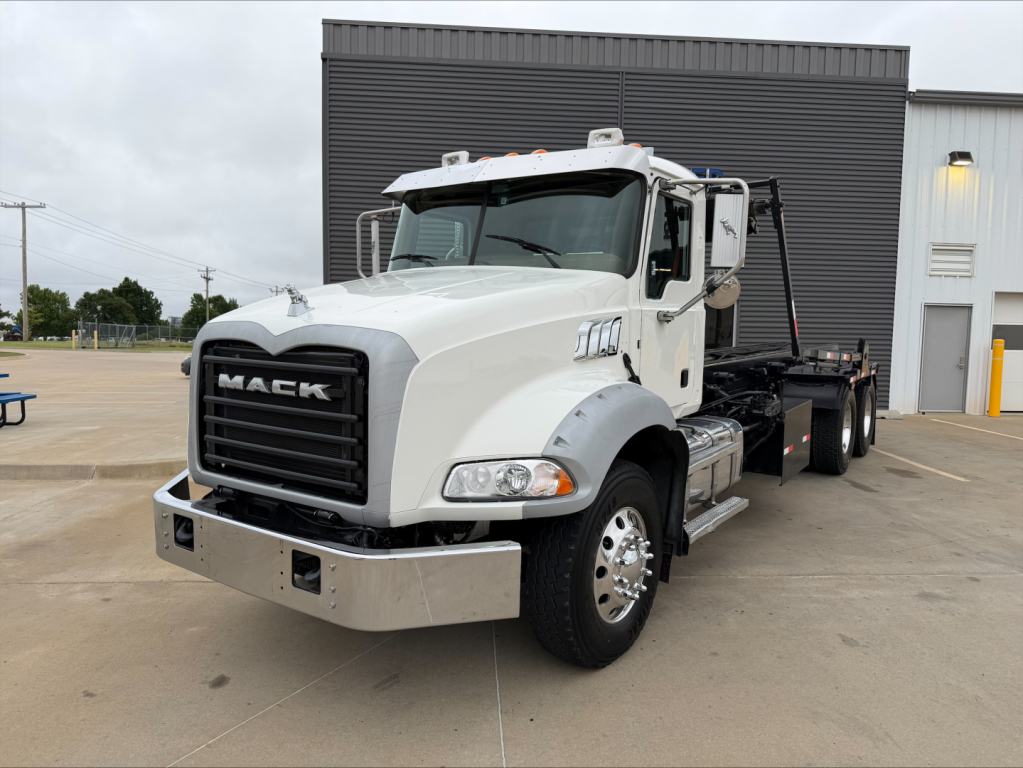

Showing 1 to 12 of 15 results
Have rolloff truck to sell? List it here to reach thousands of buyers.
About Rolloff Trucks in Oklahoma
The first decision is usually hoist style and capacity. Outside rail hoists remain common for straightforward container handling and simpler service access, while cable and hooklift configurations suit different body and container requirements. Buyers should match the hoist rating to the container sizes and material density they expect to haul, not just the legal GVWR of the truck. Wheelbase matters more than many first-time buyers expect. Trucks in the mid-250 inch range are common because they balance turning radius, bridge compliance, and body fit for standard rolloff applications. Too short can limit body and hoist layout, while too long can make urban pickups, transfer station approaches, and tighter demolition sites harder to manage.
Drivetrain choice has a direct effect on uptime and driver productivity. Automatic transmissions such as Allison 3000RDS and 4500RDS are popular in rolloff service because they handle stop-and-go routing, repeated PTO operation, and less experienced drivers well. Higher-horsepower engines in the 425 to 500-plus hp range are better suited to heavier containers, steeper grades, and highway transfer work, while mid-range engines around 350 hp can still be effective in local refuse or lighter debris applications. Rear axle ratios, suspension type, and frame spec also deserve close attention. A deeper ratio helps low-speed launch and jobsite control, while suspension choice affects stability, ride quality, and durability under repeated load shifts.
A strong used or new rolloff spec should be evaluated as a complete package: chassis rating, hoist brand and capacity, PTO and hydraulic setup, container compatibility, axle spacing, and maintenance access. Look closely at frame condition around the hoist mounts, crossmembers, hinge points, and tail area, especially on used units that have seen demolition or scrap duty. In Oklahoma, heat, dust, and mixed on-road and off-road use can accelerate wear in hydraulics, electrical connections, and suspension components. Buyers comparing rolloff trucks for sale should prioritize application fit over headline horsepower alone. The right truck is the one that matches your container lengths, route density, driver mix, and the kind of material you haul every day.
Frequently Asked Questions
What GVWR is common for a tandem axle rolloff truck?
A tandem axle rolloff truck commonly falls in the 62,000 to 66,000 lb GVWR range, with front axle ratings around 18,000 to 20,000 lbs and rear axles rated 44,000 to 46,000 lbs. That range is typical for refuse, demolition debris, scrap, and municipal container service. The correct rating depends on container size, material density, and local bridge and road limits, so the hoist and chassis need to be matched as a system.
Is an automatic transmission a good choice for rolloff work?
Yes. Automatic transmissions are widely used in rolloff applications because the work involves constant starts, stops, backing, PTO operation, and maneuvering in tight spaces. Allison automatics are especially common because they are well suited for vocational service and reduce driver fatigue. An automated manual can also work well, especially in heavier specs, but the transmission should be chosen based on route type, driver experience, and the truck's duty cycle.
How important is wheelbase on a rolloff truck?
Wheelbase is a major spec decision because it affects body fit, turning radius, bridge compliance, and weight distribution. Many tandem rolloff trucks are built around wheelbases in the low to upper 250-inch range because that layout fits common hoist setups while remaining manageable on urban routes and jobsites. A buyer should confirm that the wheelbase works with the intended hoist, container lengths, and the operating environment.
What should I inspect on a used rolloff truck?
Inspect the frame rails, hoist mounts, crossmembers, hydraulic cylinders, hoses, PTO operation, rear hinge area, and all electrical connections. Pay special attention to cracks, rust, weld repairs, and signs of frame distortion near high-stress mounting points. Also verify axle ratings, suspension condition, brake wear, and whether the hoist cycles smoothly under load. A used rolloff truck can look acceptable cosmetically while hiding expensive structural or hydraulic issues.
What engine power range works best for rolloff trucks?
Many rolloff trucks operate well in the 350 to 505 hp range, but the right power level depends on the application. A 350 hp truck may be adequate for local container service with lighter debris and shorter routes. Heavier containers, scrap, demolition, transfer runs, and hilly terrain usually justify 425 hp or more. Torque, transmission pairing, rear ratio, and axle capacity matter just as much as horsepower when the truck is working at its limit.