
New Mack Refuse Side Loader Trucks For Sale in Oklahoma
New Mack refuse side loader trucks for sale in Oklahoma. Compare LR64 configurations, body options, axle ratings, and route-ready specs.
Learn more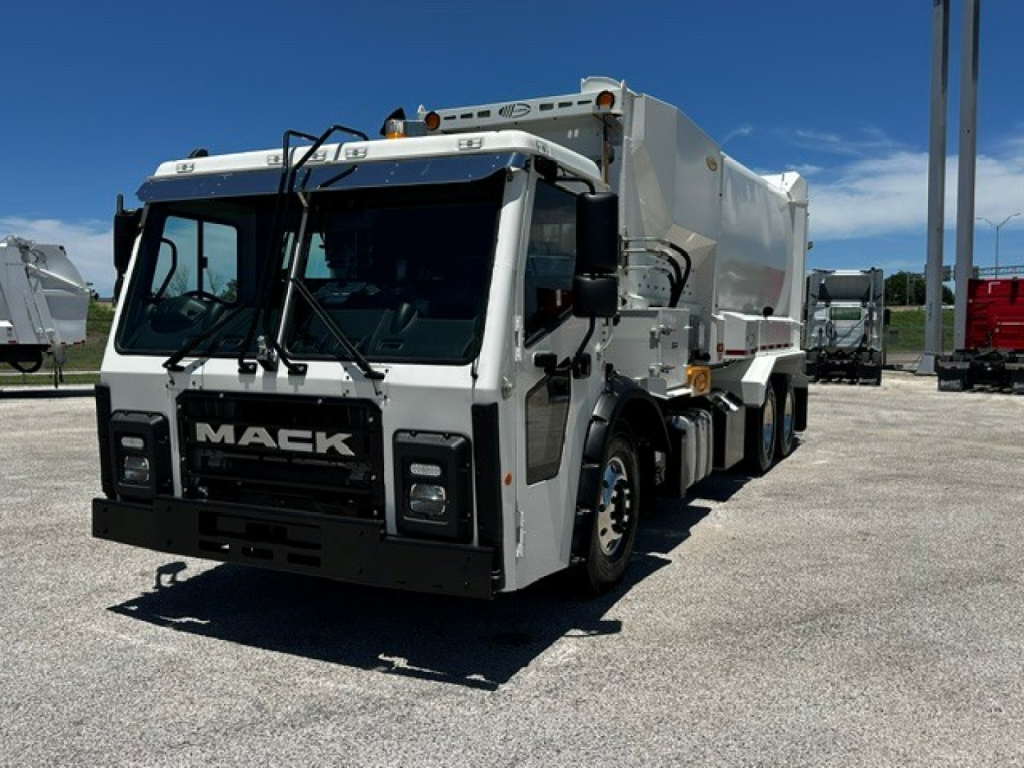
Have new mack refuse side loader truck to sell? List it here to reach thousands of buyers.
About New Mack Refuse Side Loader Trucks in Oklahoma
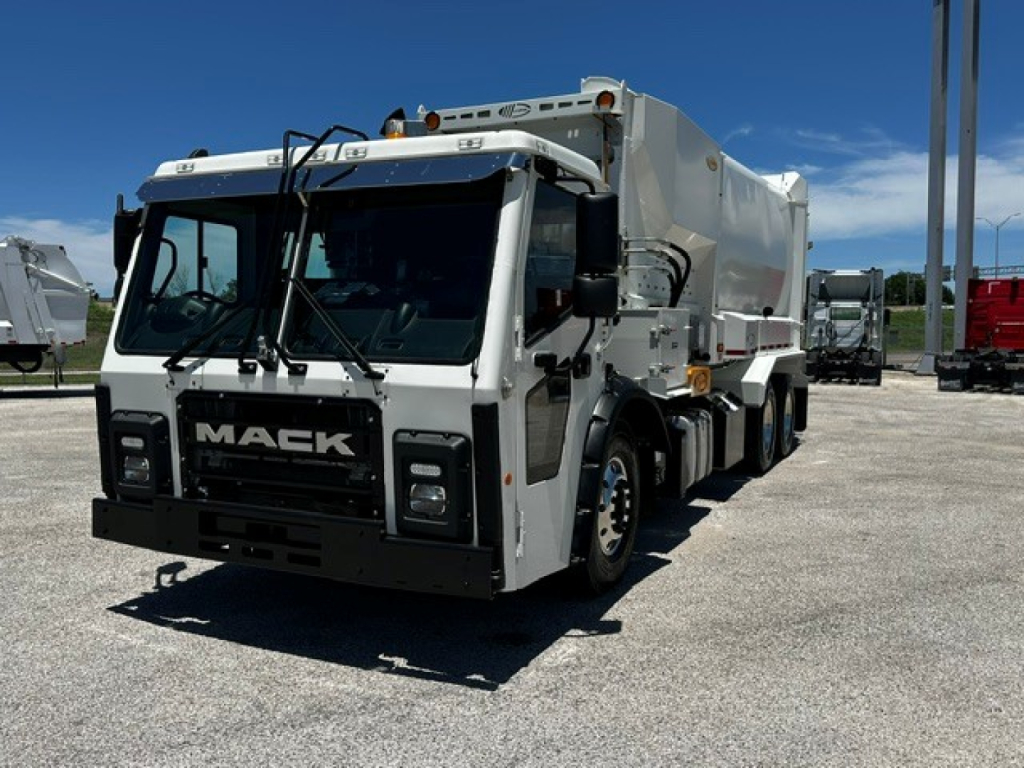
The first buying decision is usually the body and arm package, not just the truck badge on the hood. Side loader refuse trucks are commonly spec'd with body capacities in the 20 to 32 yard range, depending on route density, legal weight targets, and transfer distance. Buyers should look closely at hopper size, cycle times, arm reach, lift capacity, packer performance, and how the body integrates with the chassis electrical and hydraulic systems. On a Mack LR64, the low-cab-forward layout helps with visibility to the work zone and reduces driver fatigue over repeated stops, while axle ratings, wheelbase, and suspension setup need to match the intended body weight and payload profile. Front axle capacity, rear axle ratio, PTO compatibility, and bridge law compliance all matter if the truck will operate on heavier commercial or mixed residential routes.
For Oklahoma fleets, climate, road conditions, and service support all affect the spec. Hot-weather operation puts extra importance on cooling performance, hydraulic durability, and cab HVAC output. Route work in smaller towns or older neighborhoods may favor a tighter turning radius and compact overall length, while larger suburban routes may justify higher body volume and faster arm cycle times. New Mack refuse side loaders also appeal to buyers focused on emissions compliance, updated safety systems, and lower maintenance uncertainty compared with older packer trucks. Common details worth checking include camera systems, right-side visibility, cab door configuration, transmission programming for start-stop work, and body controls that are simple for drivers and technicians to diagnose.
A well-matched Mack side loader should be evaluated as a complete refuse package, not just a chassis with a body attached. The best fit comes from balancing route size, cart count, average set-out rate, dumping location, and gross vehicle weight expectations. Buyers comparing listings should pay attention to body manufacturer, rated payload, hydraulic reservoir capacity, frame reinforcement, and how the truck is equipped for preventive maintenance access. In a side loader application, productivity is measured one stop at a time, so small spec choices can have a major effect on route completion time, driver retention, and long-term operating cost.
Frequently Asked Questions
What makes a Mack refuse side loader a good fit for residential collection routes?
A Mack refuse side loader is typically a strong fit for residential curbside routes because the low-entry cab, wide visibility, and side-mounted automated arm are built around frequent stops and cart-based pickup. The layout helps drivers get in and out efficiently on dense routes, while automated loading reduces manual handling and can improve consistency from stop to stop. On standardized cart routes, a side loader can improve labor efficiency and support faster route completion when the arm reach, cycle speed, and body size are properly matched to the territory.
What should I compare first on a new Mack LR64 side loader truck?
Start with the complete refuse package specification. Body capacity, arm lift rating, hopper design, packer force, and cycle times have a direct impact on route productivity. After that, compare chassis factors such as wheelbase, axle ratings, suspension, PTO setup, engine and transmission calibration, and turning radius. A side loader that looks similar on paper can perform very differently depending on body integration, legal payload capability, and how well the spec matches the route.
What body size is common for a refuse side loader truck?
Many refuse side loader trucks are equipped with bodies in roughly the 20 to 32 cubic yard range, although the right size depends on route density, transfer distance, and local weight limits. Higher-volume bodies can reduce trips to dump, but they may also increase tare weight and affect maneuverability. The right balance comes from looking at average route tonnage, number of stops, set-out rates, and available disposal or transfer access.
Are new Mack refuse side loaders easier to maintain than older units?
A new truck can reduce maintenance uncertainty because major wear items, emissions components, electrical systems, and hydraulic integration start with a clean service baseline. That does not automatically make every truck low-maintenance, but it does give fleets a chance to standardize specs, simplify preventive maintenance, and avoid inherited issues common on older refuse equipment. Buyers should still review service access, body control diagnostics, hydraulic hose routing, cooling package design, and local dealer support before making a decision.
Which specs matter most for refuse side loader trucks in Oklahoma?
In Oklahoma, buyers should pay close attention to cooling performance, HVAC capacity, suspension durability, and chassis-body integration for long stop-and-go duty cycles in hot conditions. Turning radius and overall length matter in older neighborhoods and smaller municipalities, while axle ratings, body volume, and lift capacity matter more on heavier suburban or commercial-adjacent routes. Dealer support, parts availability, and how the truck is configured for local route conditions can be just as important as the published body capacity.