
Landscape Trucks For Sale
Landscape trucks for sale: compare dump, dovetail and chipper bodies. Evaluate GVWR, bed length, hoists, gas vs diesel, and crew cab options.
Learn moreBrowse Landscape Trucks by Make
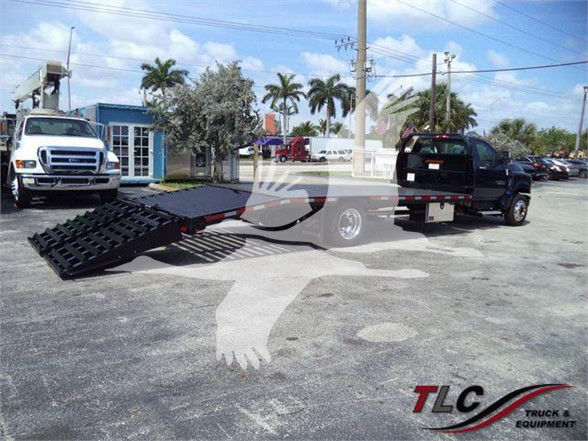
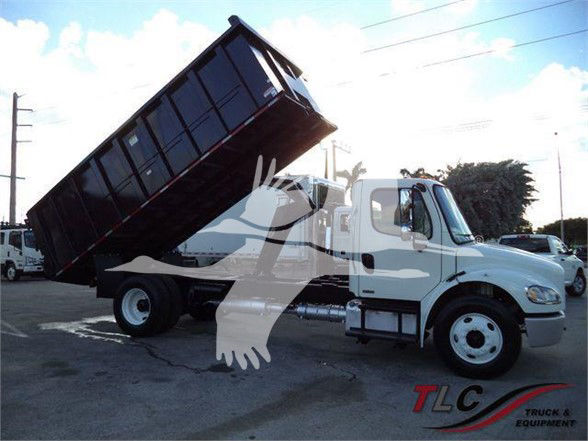
Showing 13 to 14 of 14 results
Have landscape truck to sell? List it here to reach thousands of buyers.
About Landscape Trucks
Chassis choice drives payload, maneuverability and licensing. Most landscaping trucks live in Class 3-6, roughly 10,000 to 26,000 lb GVWR. Shorter wheelbases and cabover designs like Isuzu or Hino carve tight cul-de-sacs and gated communities, while conventional cabs from Ford, Ram, GM or International ride smoother at suburban speeds and tow well. Crew cabs move a full crew safely but reduce usable bed length or payload. Specify axle ratios for stop-and-go routes and hills, and match brake systems and tires to weight and tow plans. Receivers or pintle hitches, brake controllers and 7-way wiring are common when pulling equipment trailers.
Body specs make the day easier. Common lengths run 10-16 ft with 40-60 in sides; steel is rugged for debris, aluminum resists corrosion in salt states, and galvanneal offers a balance. Hoists can be electric-hydraulic or PTO-driven, with scissor hoists offering stable lift for uneven loads and underbody hoists saving weight and cost. Look for bed tie-downs, rub rails, underbody toolboxes, water cooler holders, ladder racks and shovel racks. Dovetail ramp width and spring assist matter for heavy mowers, and a moderate ramp angle protects decks and transmissions. Add broom holders, backup cameras, LED work lights and a manual or automatic tarp to speed turnarounds.
Powertrain decisions affect uptime and total cost. Gas engines carry a lower upfront price and simpler emissions systems, work well for short routes and idle-heavy landscaping cycles. Diesel offers stronger low-end torque for hills, towing and PTO work, with better fuel economy at higher GVWR, but adds DEF and DPF maintenance. Automatic transmissions like Allison reduce clutch wear in stop-start use. In snow belts, 4x4 with a plow prep package turns a summer hauler into a winter revenue unit. For longevity, consider heavy-duty cooling, auxiliary idle controls, corrosion protection undercoating and easy-service features like external filters and central grease points. With landscape trucks for sale in many configurations, matching body style, GVWR and options to your crew’s route and material mix is where the payoff happens.
Frequently Asked Questions
What is the difference between a dovetail landscape truck, a landscape dump and a chipper truck?
A dovetail landscape truck has a long fold-down rear ramp and low deck optimized for loading zero-turn mowers and small equipment, plus racks for trimmers and fuel. A landscape dump uses high sides and a hydraulic hoist to move and tip bulk mulch, soil and debris, often with a tarp system to contain light materials. A chipper truck is an enclosed or semi-enclosed dump with higher sides and roof to contain wood chips, with a curbside chip chute door sized to meet a chipper’s discharge height.
What GVWR and payload should I look for in a landscape truck?
For mowing crews carrying mowers and handheld tools, Class 3-4 trucks with 10,000-16,000 lb GVWR often provide 3,000-6,000 lb usable payload depending on body weight. Bulk mulch and soil routes benefit from Class 5-6 chassis in the 17,500-26,000 lb range, which can yield 7,000-12,000 lb payload with a steel dump body. Always verify curb weight with installed body and options, then size GVWR for your heaviest day plus trailer tongue weight if towing.
Should I choose gas or diesel for landscaping work?
Gas engines are cost-effective for short urban routes, frequent stops and high idle time, with simpler emissions hardware and lower acquisition cost. Diesel shines when hauling heavy loads, climbing grades, running PTO-driven hydraulics or towing regularly, and it typically returns better fuel economy at higher GVWR. Factor DEF, DPF service and fuel price spread in your total cost of ownership, and match the engine to your route profile and annual hours.
Is a cabover or conventional chassis better for landscaping?
Cabover trucks deliver a tight turning radius, great curb visibility and easy curbside access, which is valuable in cul-de-sacs and gated communities. Conventional cabs generally ride smoother, offer wider dealer networks in some regions and can be configured with longer wheelbases for more bed or crew space. The right choice depends on route density, driver preference, service support and how often you tow.
Do I need a CDL to drive a landscape truck?
A CDL is generally required when the truck’s GVWR is 26,001 lb or higher, or when the combination of truck and trailer GCWR meets CDL thresholds. Many landscaping operations stay at or below 26,000 lb GVWR to remain non-CDL, but payload and trailer plans may push you higher. Check your state’s licensing rules, especially if you tow equipment trailers or use air brakes.