
Trucks For Sale in Iowa
Shop trucks for sale in Iowa. Compare day cabs, sleepers, dumps, and box trucks with Midwest-ready specs, powertrains, axles, and winterized options.
Learn morePopular Trucks Categories
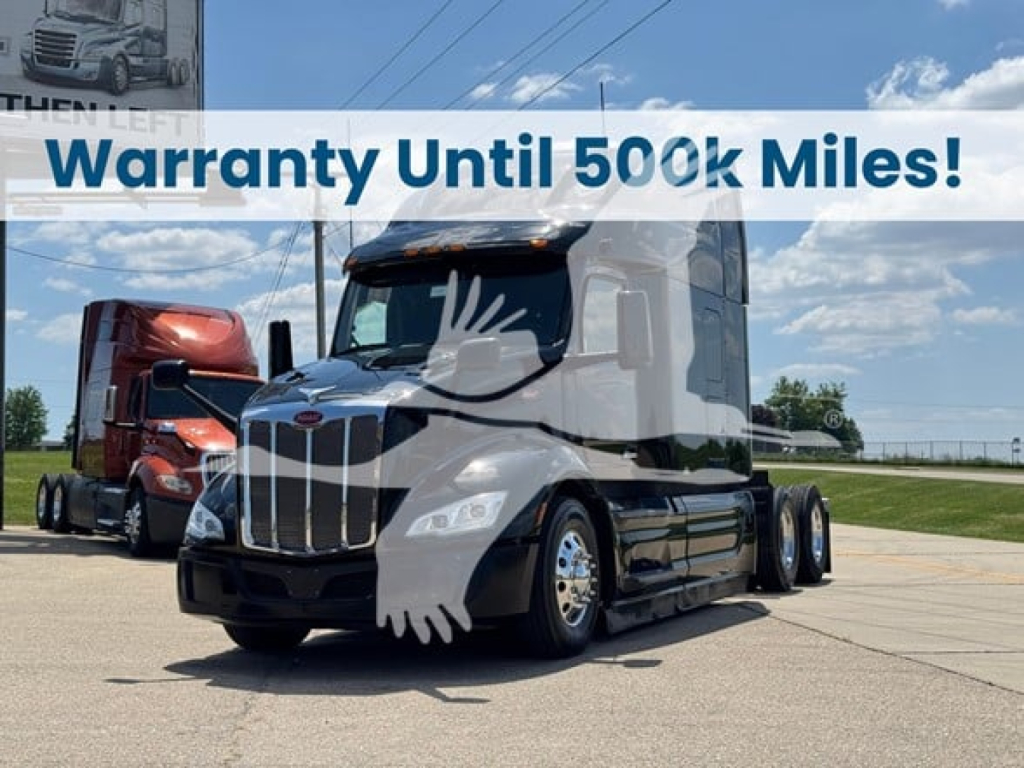
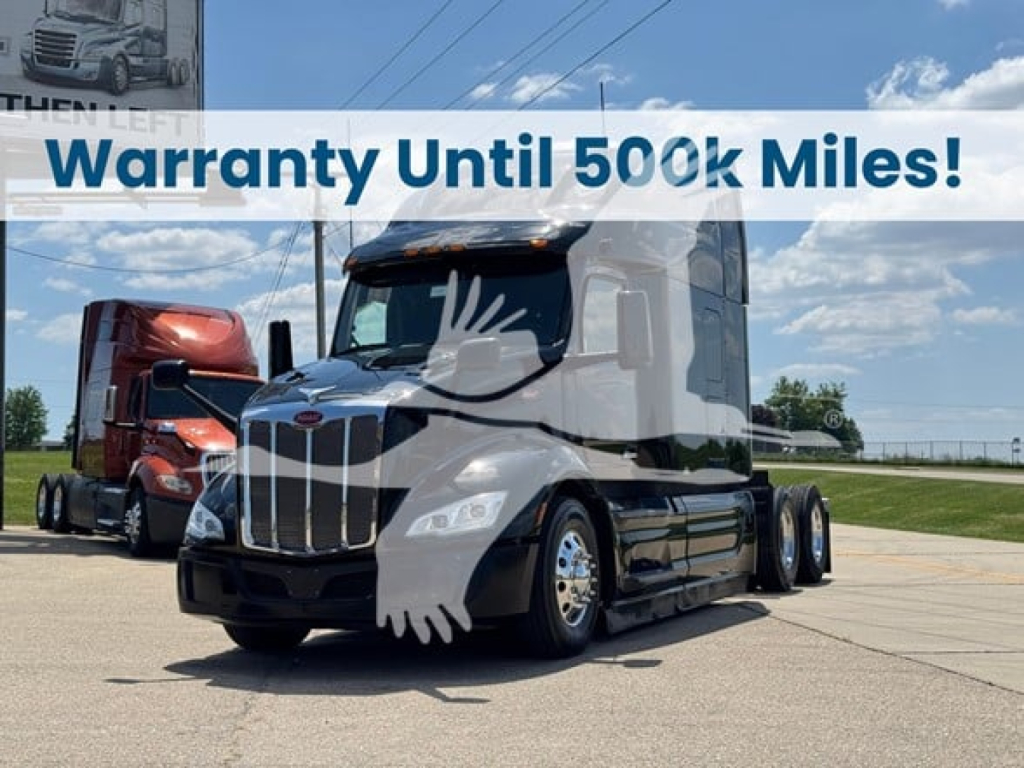
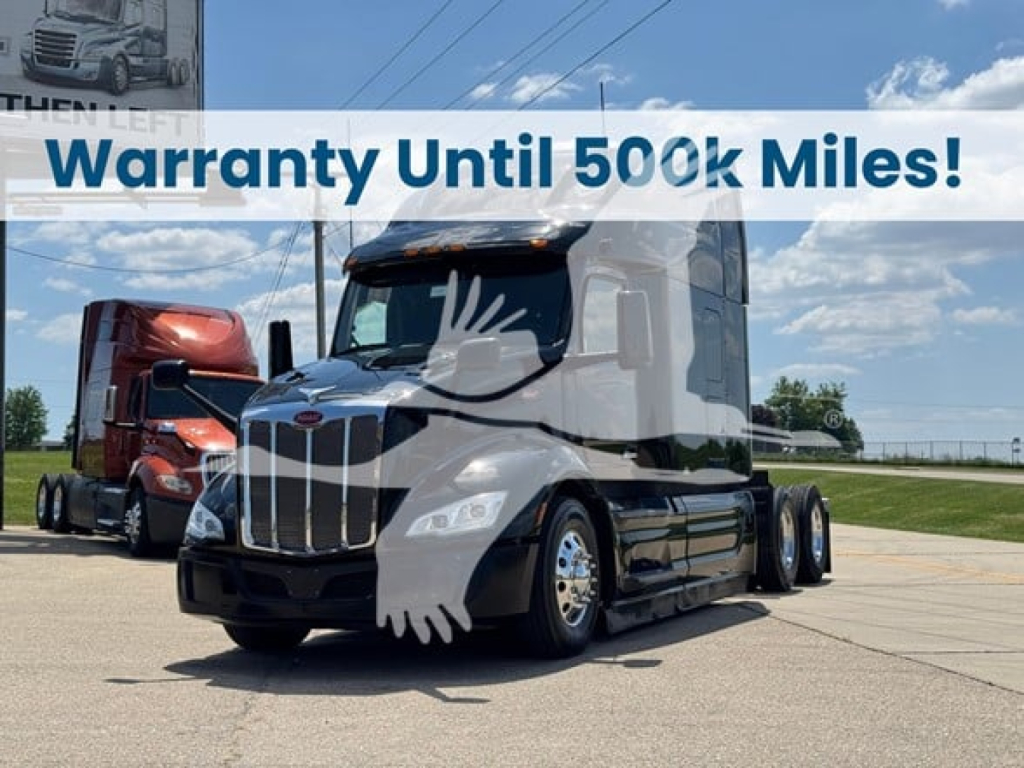
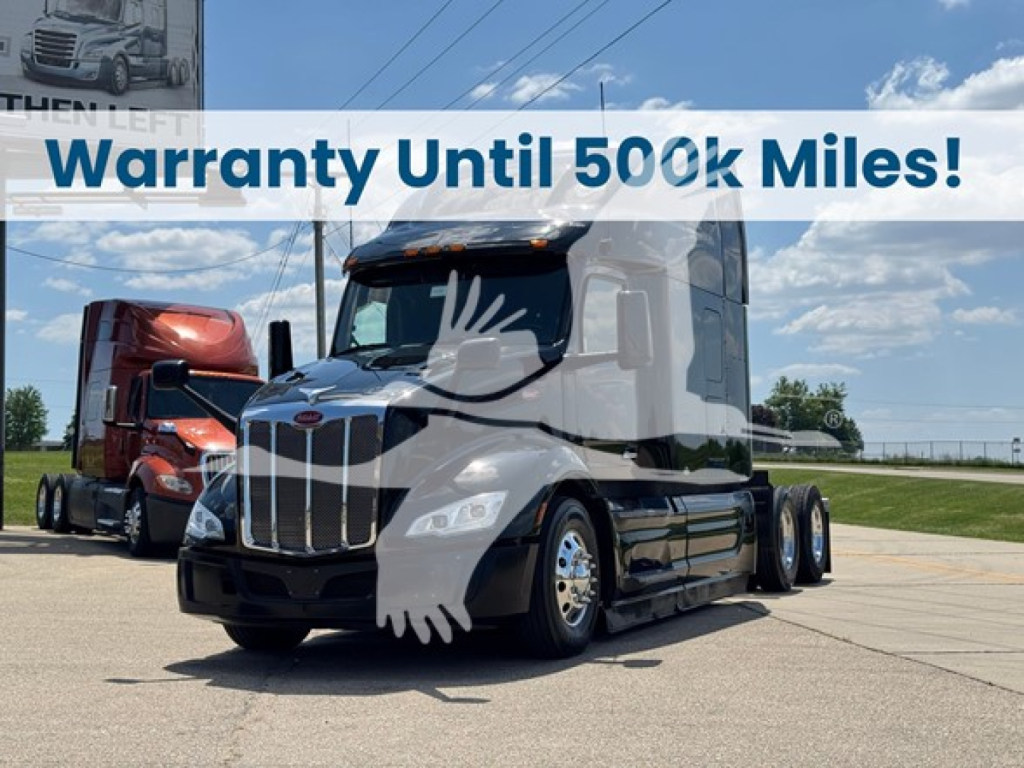
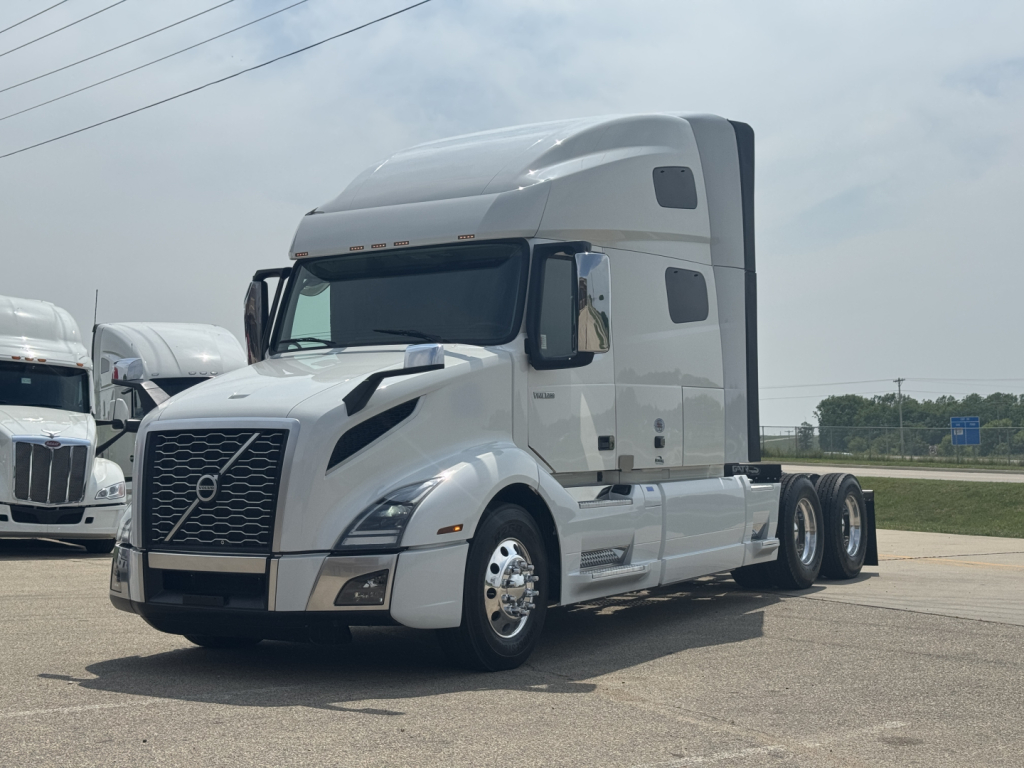
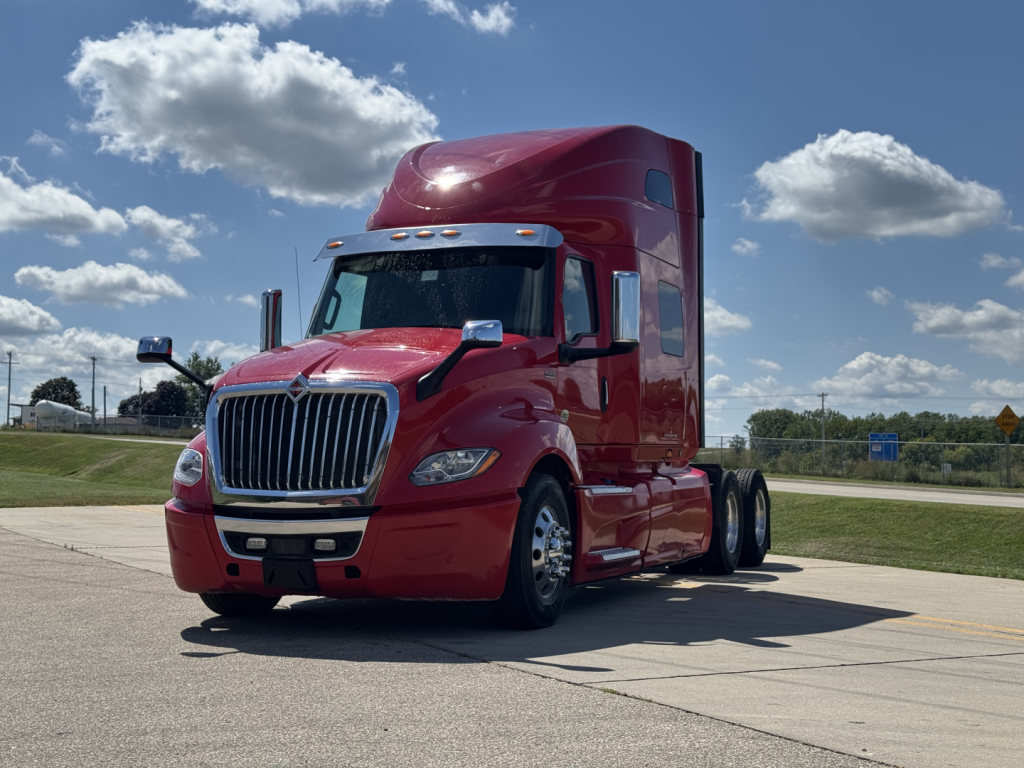
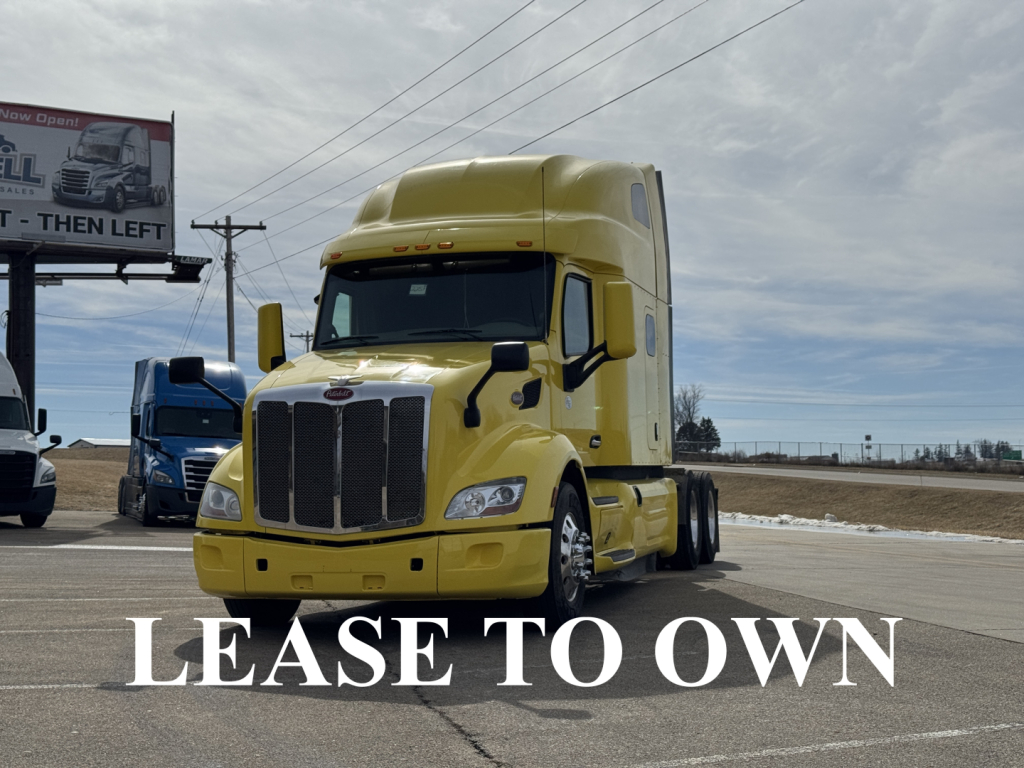
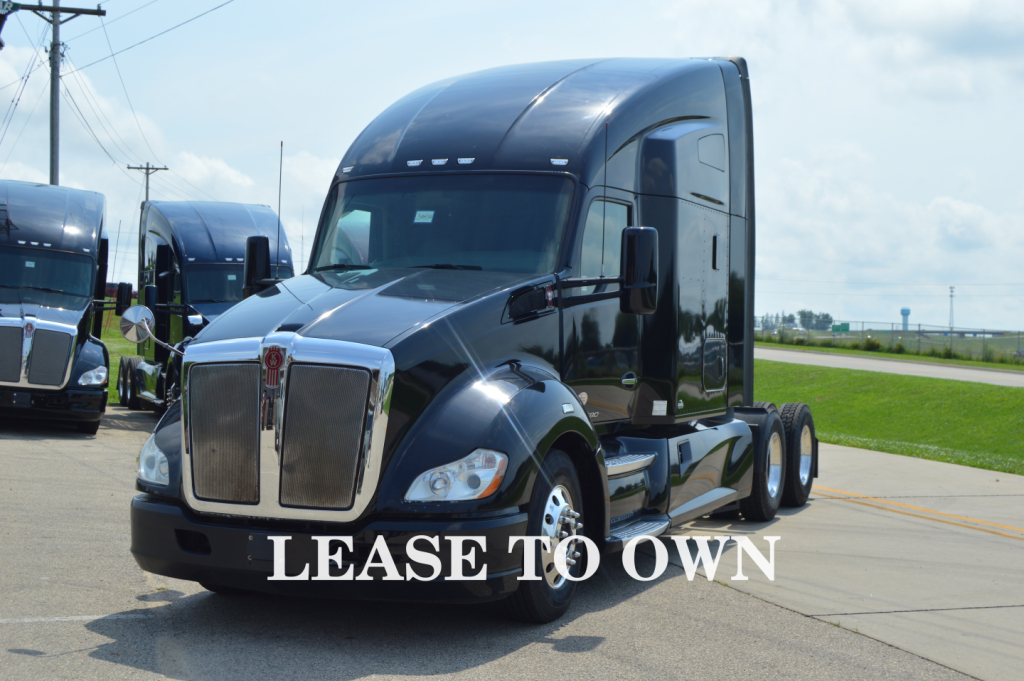
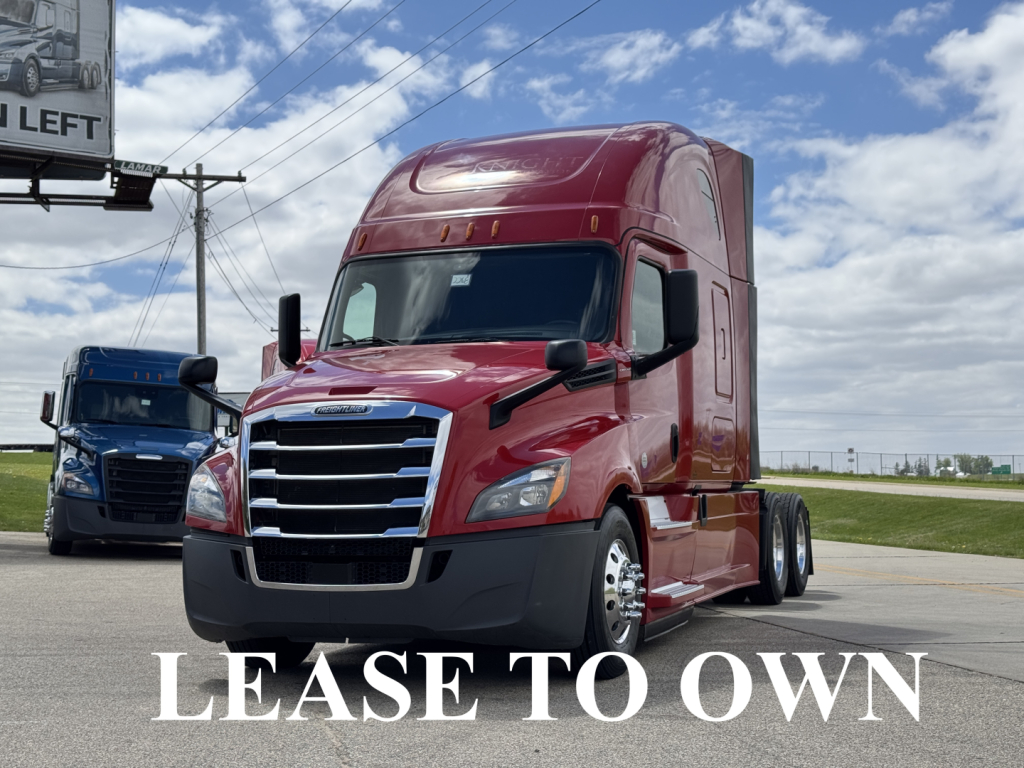
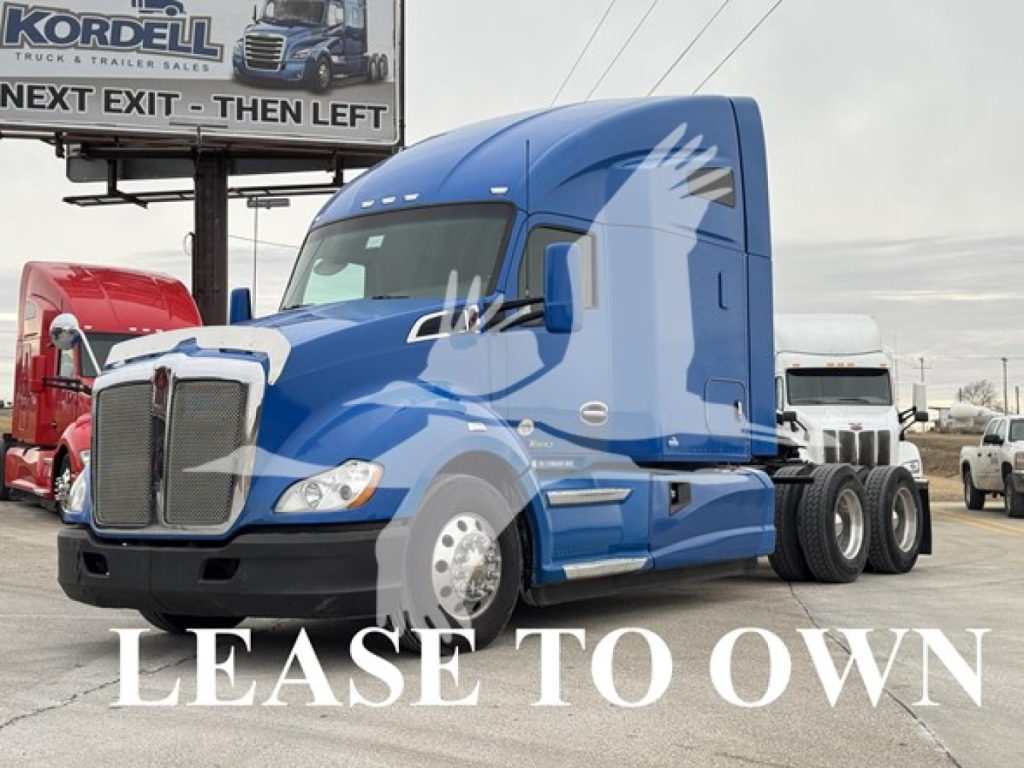
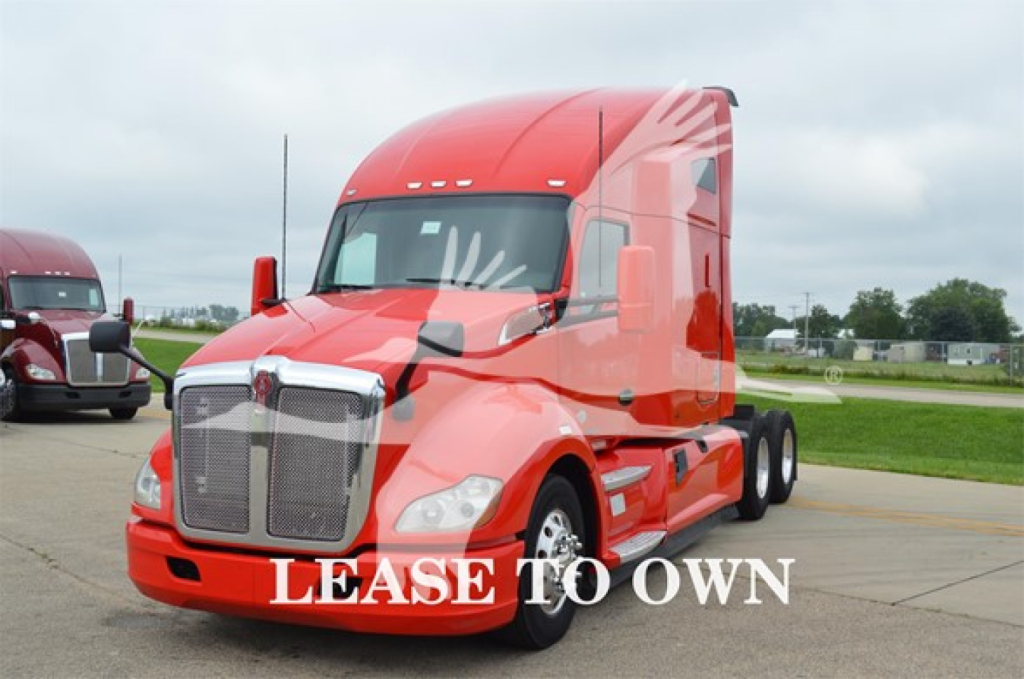
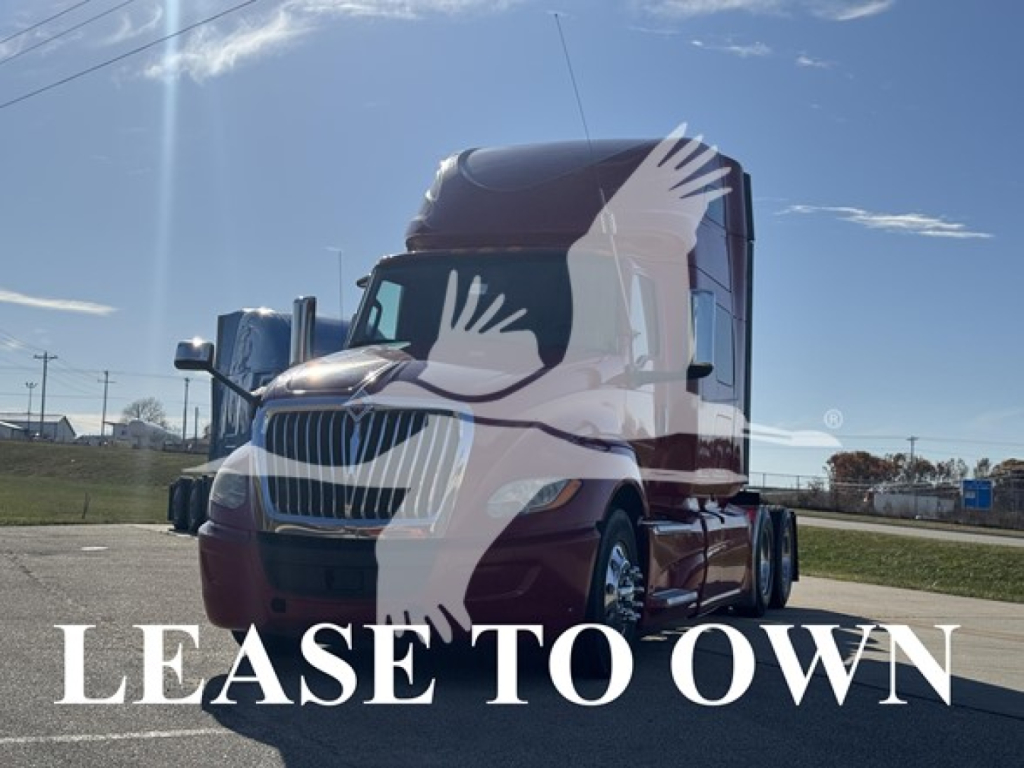
Showing 1 to 12 of 55 results
Have truck to sell? List it here to reach thousands of buyers.
About Trucks in Iowa
Trucks in this category span day cab and sleeper tractors, plus straight trucks also known as box trucks, service trucks, and dumps. Day cabs fit regional van, reefer, and bulk commodity lanes around Des Moines, Cedar Rapids, and Council Bluffs. Mid-roof or high-roof sleepers suit multi-state hauls across the Midwest. Vocational chassis support bodies like grain, dump, hooklift, and tank with PTO or wet kit plumbing for end dumps and live floors. Straight trucks in Class 6-8 cover final mile, beverage, and ag support with options for liftgates, rail gates, and reefer units sized to hold temperature in Iowa’s humidity and winter cold.
Engines you will see most often include Cummins X15, PACCAR MX-13, Detroit DD13 and DD15, and Volvo D13, typically in the 400 to 500 hp range with 1,550 to 1,850 lb-ft. Transmissions range from 10, 13, and 18-speed manuals to AMTs like Eaton UltraShift, Detroit DT12, and Volvo I-Shift that deliver consistent shift logic on rolling terrain. Air ride suspensions dominate van and reefer work for ride quality and freight protection; walking beam, Chalmers, or Hendrickson Haulmaax are favored for off-road durability. Air disc brakes shorten stops and shed slush quickly, while drums remain common for lower parts cost. Aerodynamic packages, wheel covers, and automated tire inflation systems pay back quickly on long I-80 runs where crosswinds are frequent. Cold-weather packages such as block heaters, heated fuel filters, diesel-fired bunk heaters, and winter fronts help reliability when temperatures drop.
Iowa’s legal gross on Interstate routes is 80,000 lb, with axle limits that follow the federal bridge formula. Many straight trucks add steerable lift axles to maximize legal payload on farm-to-elevator routes, and tractors may run pusher or tag axles in specialized applications. Wheelbase affects bridge spacing and maneuverability; a 170 to 220 inch day cab handles metro docks, while 230 to 244 inch sleepers track well under 53 ft vans. When evaluating listings, review maintenance records, recent engine or aftertreatment work, clutch or transmission service, and suspension bushings. Inspect frame rails, crossmembers, fifth wheel structure, brake hardware, wiring looms, and aluminum surfaces for corrosion from liquid brine. Check DPF ash load, regen history, DEF quality issues, and NOx sensor replacements, since winter idling and short cycles increase soot load. For ag and construction support, prioritize differential locks, adequate ground clearance, a high-mounted intake, and tires with the right tread for gravel and field approaches.
Frequently Asked Questions
What axle ratios and transmissions work best for Iowa regional and long-haul routes?
For steady interstate speeds around 65 to 70 mph, low 2.26 to 2.64 ratios with an overdrive AMT keep the engine in an efficient torque band and reduce fuel burn in Iowa crosswinds. Mixed regional work with hills, frequent stops, or heavier vocational loads benefits from 2.79 to 3.55 with a direct or shallow overdrive and more aggressive throttle mapping. Pair ratios with tire size and intended cruise RPM, and confirm the transmission has appropriate creep and PTO modes if you run docks, dumps, or pumps.
How should I spec axles and wheelbase for Iowa weight and bridge compliance?
Most interstate operations target 12k to 13.2k steer and 34k tandem to reach 80,000 lb gross. Straight trucks commonly add one or two steerable lift axles to raise legal payload under the bridge formula on state and local roads. Tractor wheelbases around 170 to 220 inches suit day cabs in cities, while 230 to 244 inches is typical for sleeper tractors under 53 ft vans or reefers. Axle spacing, kingpin setting, and trailer tandem slide range all play into bridge compliance. Always verify final specs against current Iowa and federal regulations for your routes and commodities.
What cold-weather and corrosion features matter for trucks in Iowa?
Look for block heaters, heated fuel-water separators, winter fronts, high CCA batteries, and diesel-fired bunk or cab heaters to limit idling. Heated mirrors and air dryers with functioning heaters reduce ice buildup. In inspections, focus on frame flanges, crossmembers, spring hangers, brake backing plates or caliper hardware, and aluminum wheels or tanks for salt-related corrosion. Underbody coating and intact paint help longevity. Automatic tire chains or aggressive drive tires can improve traction on untreated rural roads, and traction control with inter-axle locks is valuable on slick approaches.
What should I review on emissions systems when buying a late-model truck for Iowa service?
Request DPF ash load or cleaning records, SCR catalyst history, and evidence of recent NOx sensor, DEF pump, or doser line replacements. Check for frequent parked regens, inactive codes, and software updates. Compare idle hours to odometer miles, since winter idling raises soot load. Verify the coolant and exhaust plumbing for leaks, inspect DEF quality, and confirm the aftertreatment harness and connectors are clean and protected from road brine.
Which suspension and locking features suit farm fields, gravel, and winter conditions?
Air ride with inter-axle locks works for most regional freight that occasionally sees gravel. For frequent off-pavement use, consider walking beam or heavy vocational air with higher ride height, full locking differentials, and 46k rears. A driver-controlled traction aid, proper mud flaps, and tires with a deeper lug pattern on the drives help on soft field entrances and snow-packed roads. Keep in mind 6x4 offers better traction than many 6x2 setups in winter, though liftable 6x2 can cut tare weight and rolling resistance if your routes remain mostly paved.