
Van Trailers For Sale
Shop van trailers with the right spec mix: 48–53 ft dry vans, swing or roll-up doors, air-ride or spring, composite or plate walls, E-track, and SmartWay options.
Learn moreBrowse Van Trailers by Make
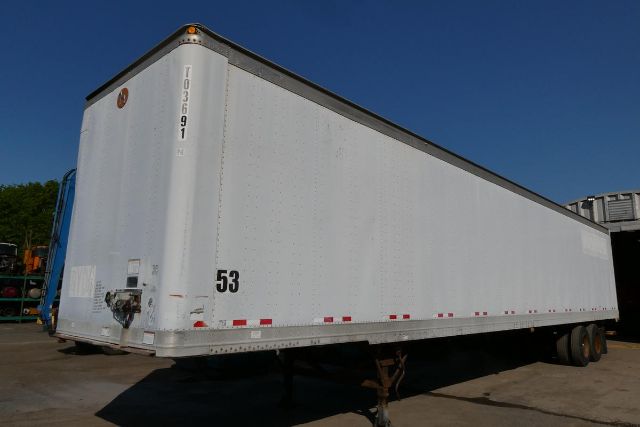
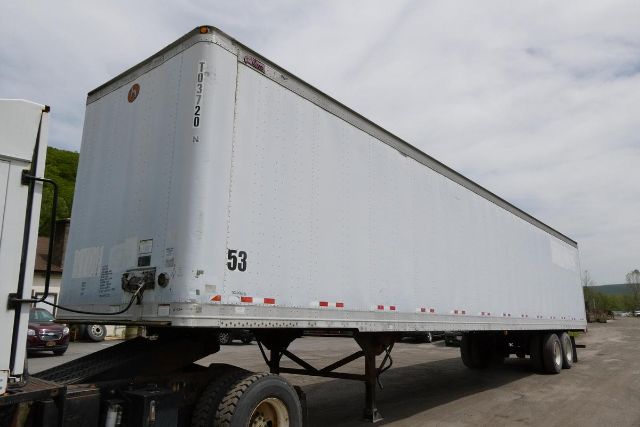
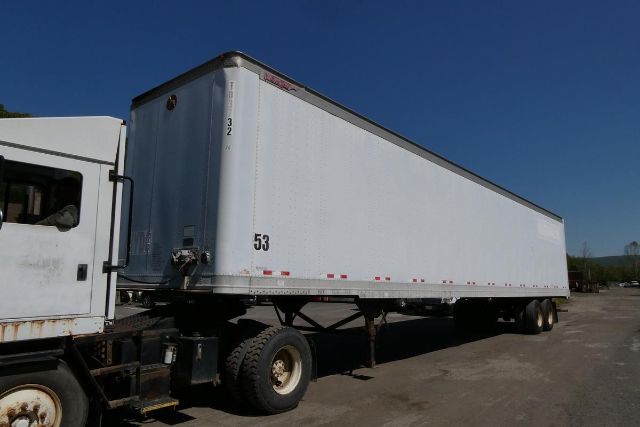
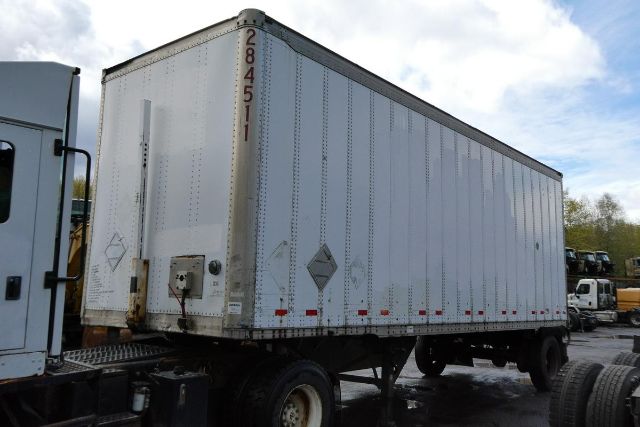
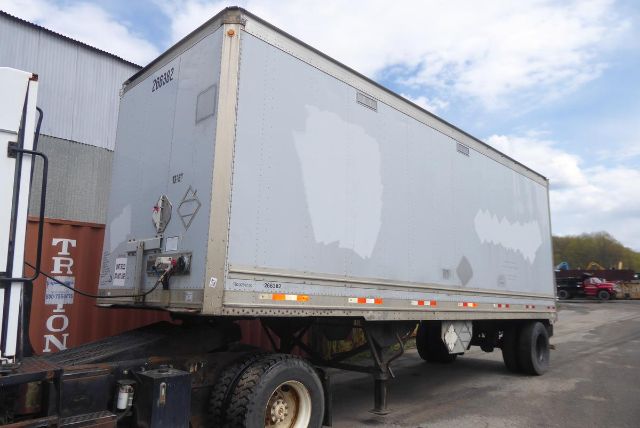
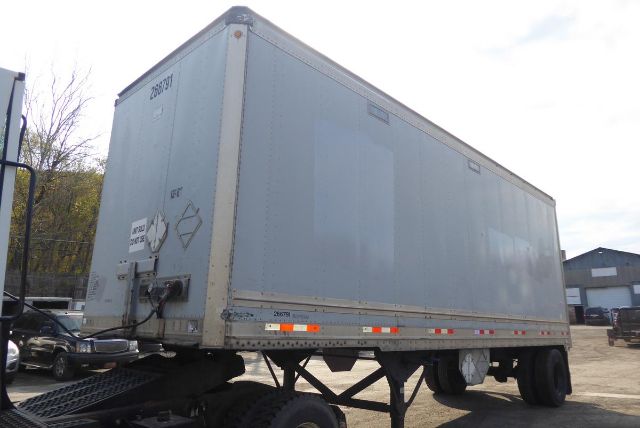
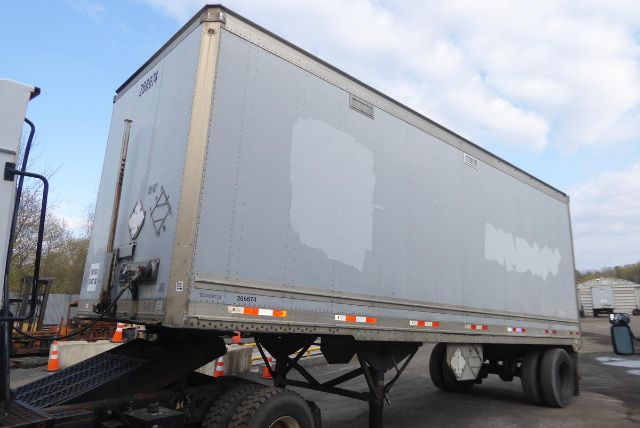
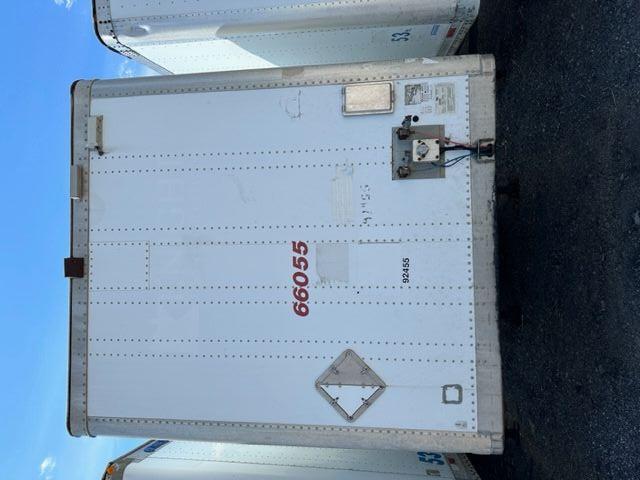
Showing 1,069 to 1,080 of 1,127 results
Have van trailer to sell? List it here to reach thousands of buyers.
About Van Trailers
Sidewall construction drives durability and tare weight. Composite plate vans deliver a light, smooth interior that resists water intrusion and offers good impact recovery. Aluminum plate sides are heavier but handle hard dock abuse and inside-out forklift hits better. Traditional sheet-and-post is easy to repair and can be lighter depending on spec. Roof choice affects light and longevity: translucent roofs brighten the interior for loading, while aluminum roofs handle hail and sun better. Floors typically use laminated oak or Apitong with 12-inch crossmember spacing; heavy forklift cycles call for 10-inch or 8-inch centers and a 20k to 24k forklift-axle rating. Scuff liners at 12 to 24 inches protect walls, and logistics options like E-track or logistics posts increase load flexibility. Door selection is a trade-off too. Swing doors seal tighter and preserve cube, while roll-up doors speed city deliveries at the cost of a few inches of payload height.
Ride and compliance details separate a good trailer from a headache. Air-ride suspensions protect sensitive freight and resale value; spring-ride saves upfront cost and can be fine for dense, rugged loads. Look for ABS with roll-stability, automatic tire inflation systems, and low-rolling-resistance tires. Many 53-foot dry vans carry SmartWay-verified aero skirts and LRR tires for fuel savings and California compliance. Brake packages are typically drum for cost and simplicity, though disc improves wet-stopping and reduces fade. Standard tandem GAWR is 34,000 pounds; tare weight often falls between 13,000 and 16,000 pounds depending on wall type, floor spec, and aero. Verify ICC underride guard integrity and lighting to meet FMVSS 223/224 and DOT requirements.
Use case drives final spec. Parcel and retail benefit from roll-up doors, translucent roofs, and dense E-track patterns. Paper, beverage, and canned goods like plate walls, heavy floors, and air-ride with tire inflation. Food-grade dry freight demands sealed roofs, smooth interior walls, stainless or high-impact scuff, no odors, and clean floors without patches. For urban routes, a 48-foot or 53-foot with a short kingpin helps, along with roll-up doors and curbside grab handles. For linehaul, focus on cube, weight, aero, and telematics such as cargo, door, and GPS sensors. On pre-buy inspections, check roof seams for leaks, nose rail and front corners for impact, crossmembers for corrosion, floor fasteners for nail pop, swing-frame alignment, and door hardware. A well-matched van trailer reduces claims, improves fuel economy, and keeps drivers and shippers happy.
Frequently Asked Questions
What is the difference between composite plate and aluminum plate dry vans?
Composite plate trailers typically weigh less and have smooth interior walls that shed moisture and reduce snagging. They offer good impact resilience from inside freight shifts. Aluminum plate is heavier but more resistant to outside dock impacts and hard forklift strikes. Repair methods differ, so choose based on loading intensity and repair network preference.
Should I choose swing doors or a roll-up door?
Swing doors seal better, allow full-width rear openings, and preserve interior height, which helps cube and temperature stability. Roll-up doors speed frequent city stops and work better in tight alleys but reduce rear opening height and can add maintenance at the drum and tracks. Pick based on duty cycle and dock environment.
Is air-ride suspension worth it on a dry van?
Air-ride lowers freight damage risk, improves driver satisfaction, and often boosts resale value. It adds cost and a small weight penalty versus spring-ride. For high-value or fragile freight, or mixed networks with rough roads, air-ride is typically the better life-cycle choice.
What should I look for during a used van trailer inspection?
Inspect roof seams, front corners, and side panels for leaks or impact damage. Check floor boards and crossmembers for rot or corrosion, look for nail pops, examine door frames and hinges, verify ICC underride integrity, test ABS operation, and confirm the kingpin setting and slider travel meet your bridge requirements.
How do California and SmartWay rules affect a 53-foot dry van spec?
Many fleets spec low-rolling-resistance tires and aero skirts to meet fuel-efficiency goals and California requirements for 53-foot box-type trailers. Verify the kingpin-to-rear-axle distance for California bridge compliance and confirm any SmartWay-verified components if your lanes include that state.