
Van Trailers For Sale in Illinois
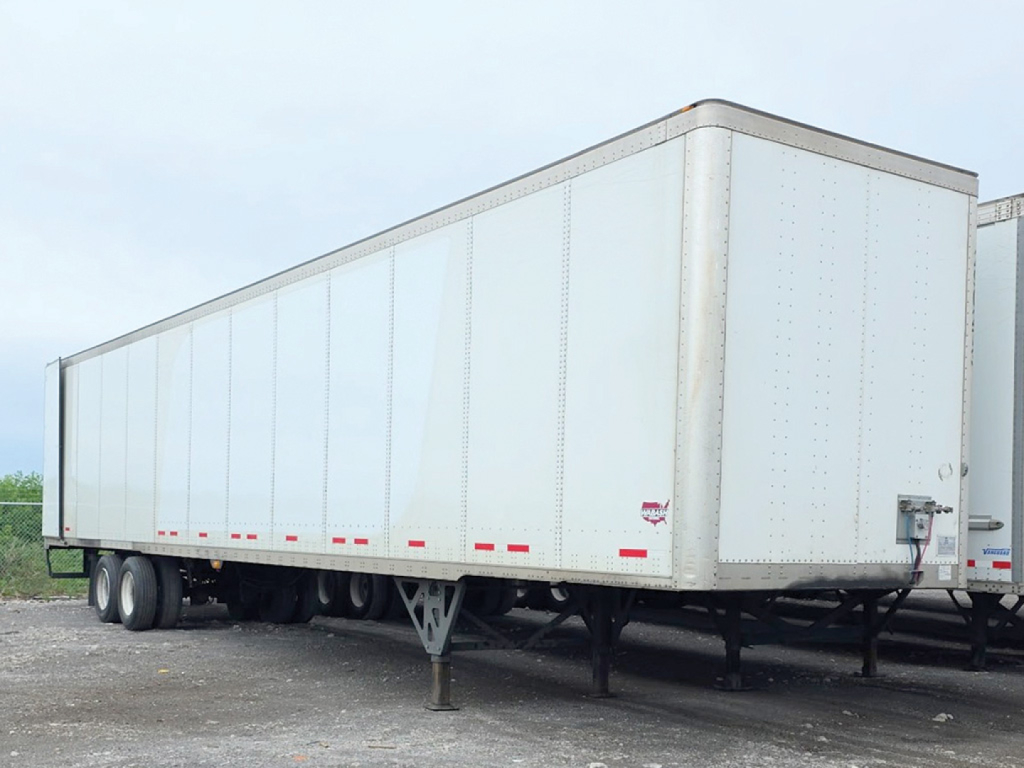
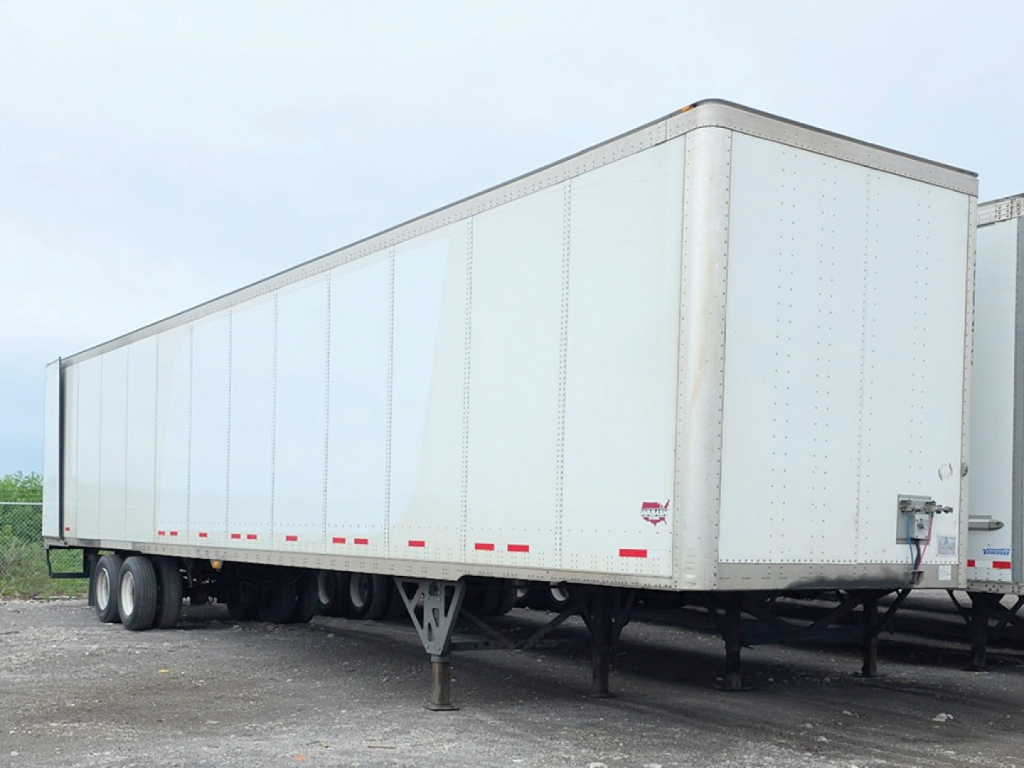
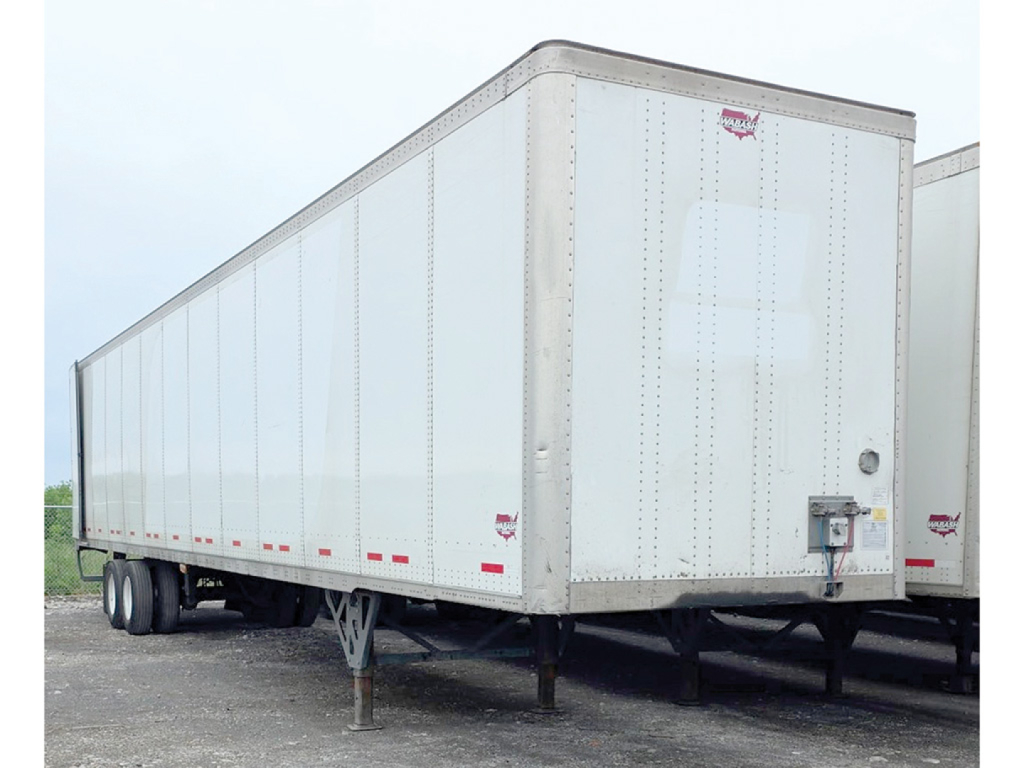
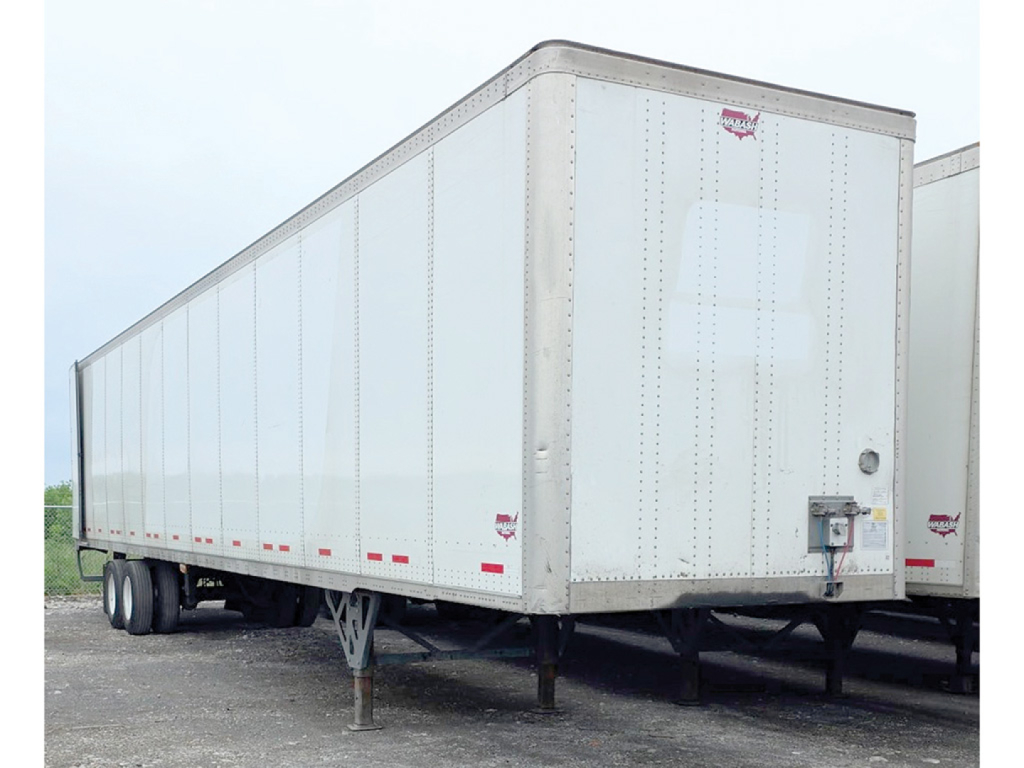
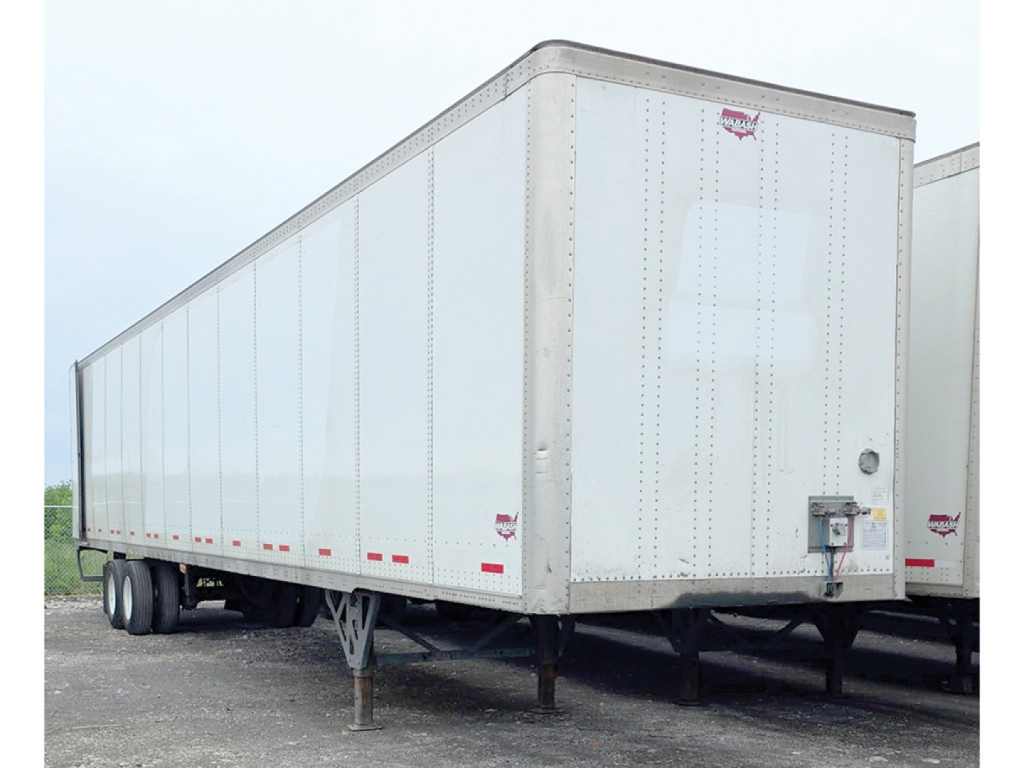
Browse van trailers for sale in Illinois, including dry vans and pup vans, with specs on length, width, suspension, doors, flooring, and cargo control.
Learn moreBrowse Van Trailers by Make

Showing 49 to 60 of 110 results
Have van trailer to sell? List it here to reach thousands of buyers.
About Van Trailers in Illinois
Construction details matter because they directly affect tare weight, durability, and resale. Aluminum van trailers are popular for weight savings and corrosion resistance, while sheet-and-post designs remain common for general freight service. Many used van trailers in this category will have wood floors, plywood liner packages, scuff plates, and threshold plates, all of which help protect the interior from forklift damage and repeated dock loading. E-track is a major plus for carriers handling mixed freight because it adds flexibility for load securement. Front and rear vents can also be useful when hauling cargo that benefits from passive airflow, even in a non-refrigerated trailer.
Suspension and axle setup should match the job. Air ride suspension is widely preferred for better ride quality and cargo protection, especially for fragile or high-value freight. Sliding tandem configurations give more flexibility for bridge law compliance and dock positioning, while single axle pup vans are common in urban delivery, LTL, and terminal-to-terminal applications where maneuverability is more important than maximum payload. Tire size, wheel type, brake spec, and liftgate equipment also deserve a close look. A liftgate can make a van trailer far more useful for final-mile or no-dock deliveries, but it adds weight and changes maintenance requirements.
A buyer comparing van trailers in Illinois should pay close attention to floor condition, roof integrity, sidewall damage, rear frame wear, and signs of repeated forklift impact around the threshold and lower liner area. Measure inside dimensions if cube is critical, and confirm door opening height if taller pallet loads are part of the freight mix. Dry vans are versatile assets, but the right one depends on freight profile, lane restrictions, and loading environment. A 102-inch wide, air ride van with sliding tandems and cargo control will fit many general freight operations, while a shorter pup or liftgate-equipped unit may be the better tool for city distribution and specialized route work.
Frequently Asked Questions
What is the difference between a van trailer and a dry van trailer?
In most trucking markets, van trailer and dry van trailer mean the same thing. Both refer to an enclosed freight trailer designed to protect cargo from weather and road exposure. These trailers are used for general freight, boxed goods, palletized shipments, and many retail or warehouse applications. The term van distinguishes the trailer from open-deck equipment like flatbeds and from temperature-controlled reefers.
What van trailer length is best for my operation?
The right length depends on freight density, route type, and dock access. Shorter units such as 28-foot to 32-foot pup vans are easier to maneuver in cities and terminal environments. Mid-length 40-foot and 45-foot vans can work well for regional freight and specialized applications. Full-length 48-foot and 53-foot dry vans are the standard choice for high-cube general freight and long-haul operations. Buyers should also consider axle layout, bridge compliance, and the amount of usable interior space rather than focusing on overall length alone.
Why do many buyers prefer air ride suspension on a van trailer?
Air ride suspension helps reduce vibration and shock transfer to the cargo, which is important for packaged goods, electronics, beverages, and other damage-sensitive freight. It can also improve ride quality for the trailer structure itself, which may help reduce long-term wear. In the used market, air ride is often seen as a valuable feature because it broadens the trailer's application across more freight types. Mechanical suspension can still be a practical choice in some fleets, but air ride remains the preferred setup for many dry van buyers.
What should I inspect first on a used van trailer?
Start with the floor, roof, sidewalls, rear frame, and door assembly. The floor should be checked for soft spots, heavy gouging, broken boards, and plate repairs. The roof should be inspected for patches, leaks, and bow damage. Inside the trailer, look closely at the liner, scuff band, and E-track for forklift impact and cargo abuse. At the rear, inspect the threshold, hinges, door seals, and frame for wear from repeated dock contact. Suspension components, brakes, tires, and sliding tandem operation should also be verified before purchase.
Are 96-inch and 102-inch wide van trailers used for different applications?
Yes. A 102-inch wide van trailer usually offers more interior space and is the more common choice for modern general freight operations. That extra width can make a noticeable difference in pallet loading efficiency and cargo flexibility. A 96-inch wide trailer may still be a fit for certain dedicated operations, older fleet standards, or applications where overall trailer dimensions are less critical. Buyers should confirm interior width, door opening dimensions, and freight requirements before choosing between the two.