
Used Trailers For Sale in Texas
Browse used trailers for sale in Texas, including dry vans and reefers with common specs like 53-foot lengths, air ride, sliding tandems, and logistics features.
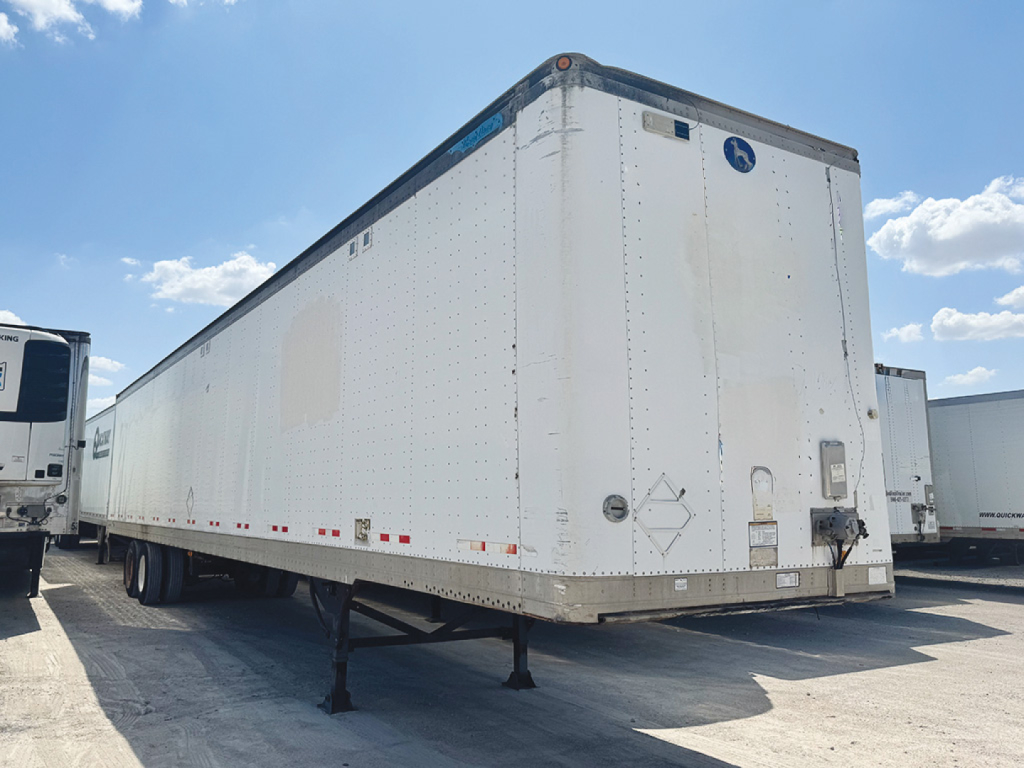
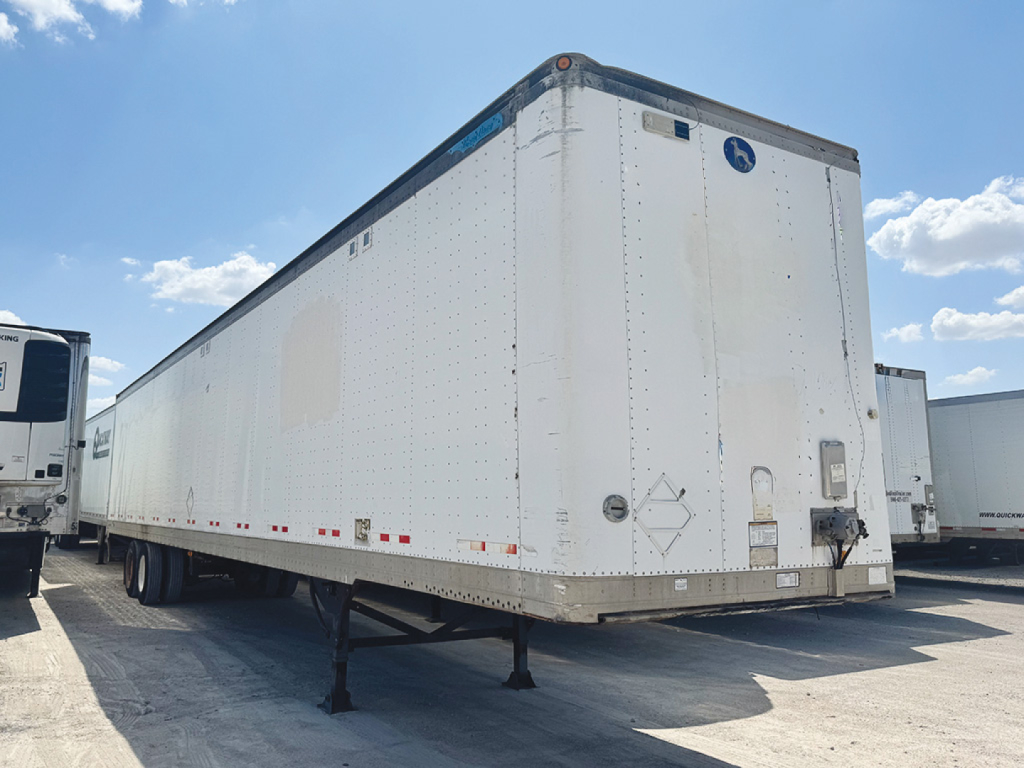
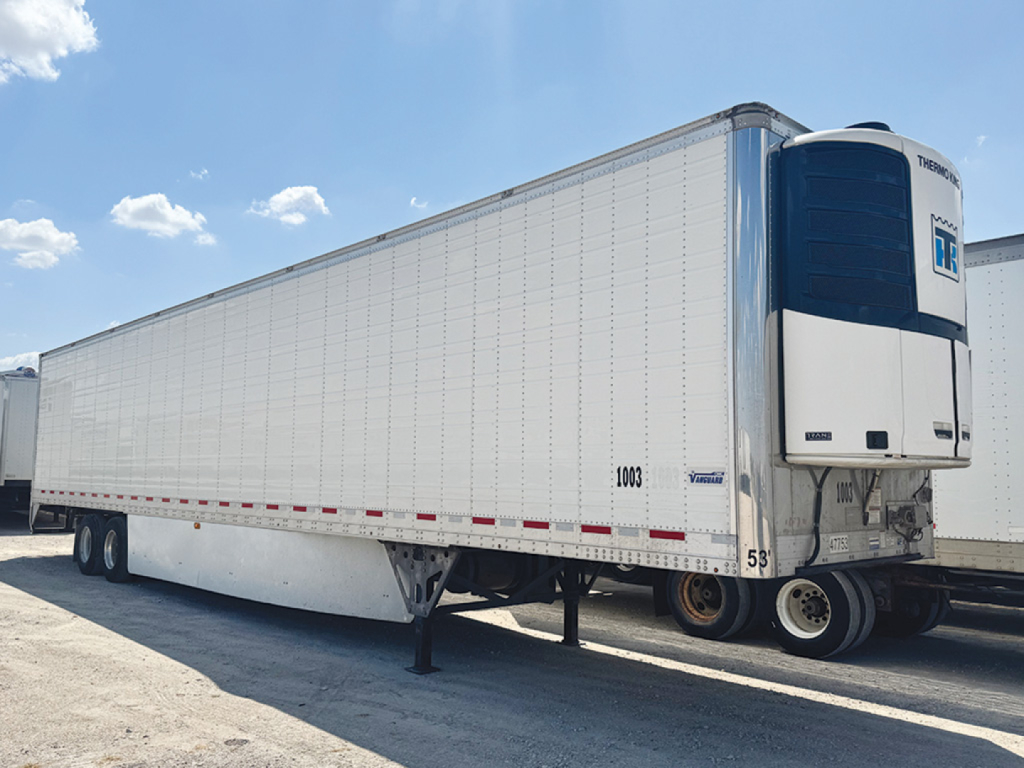
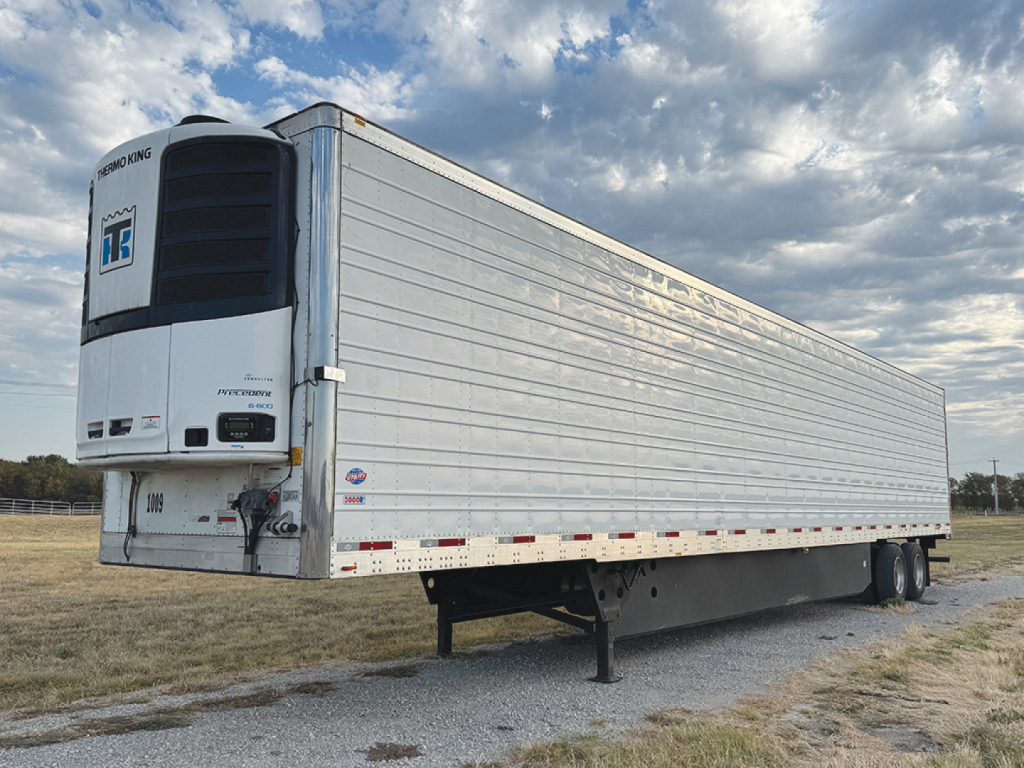
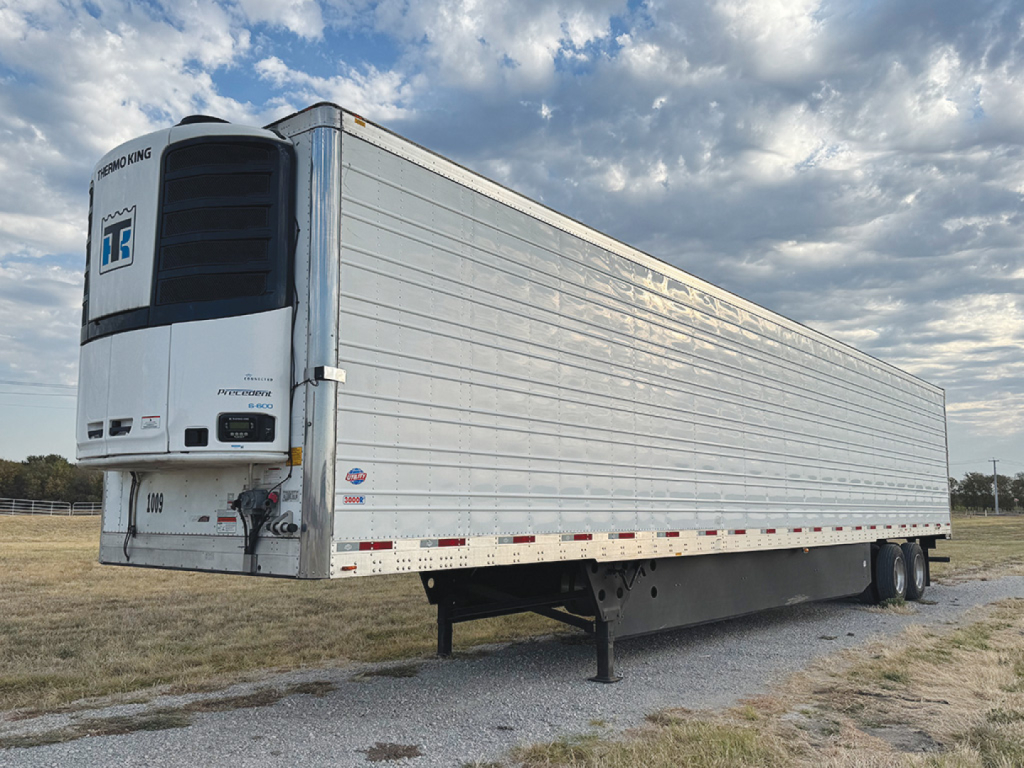
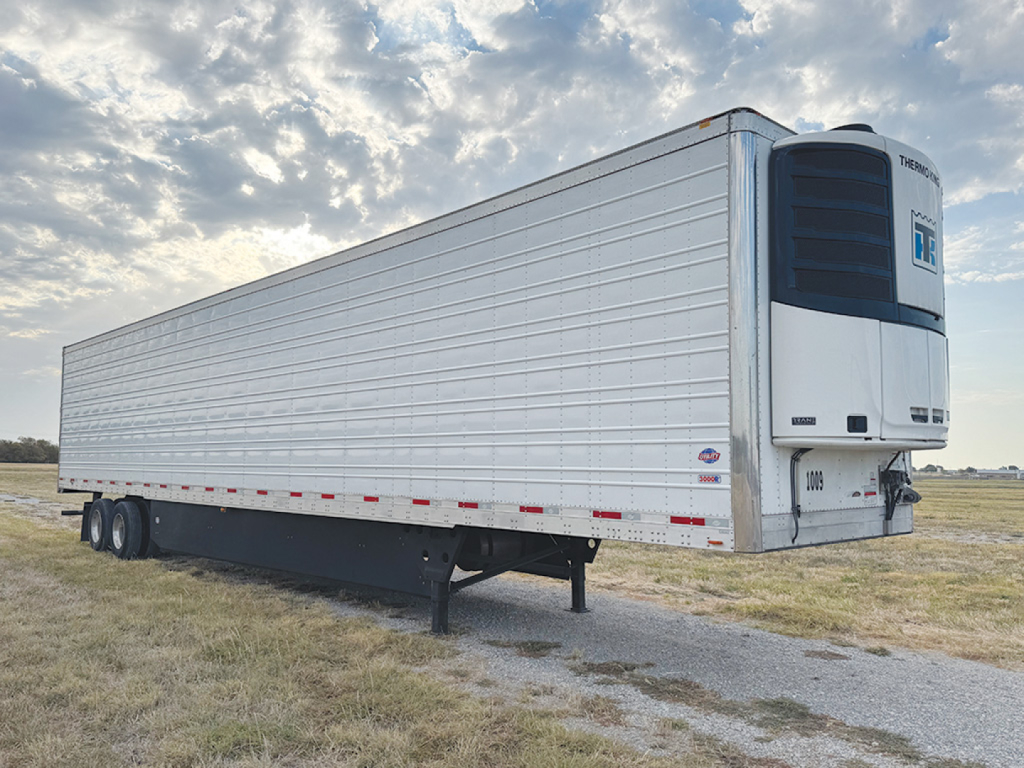
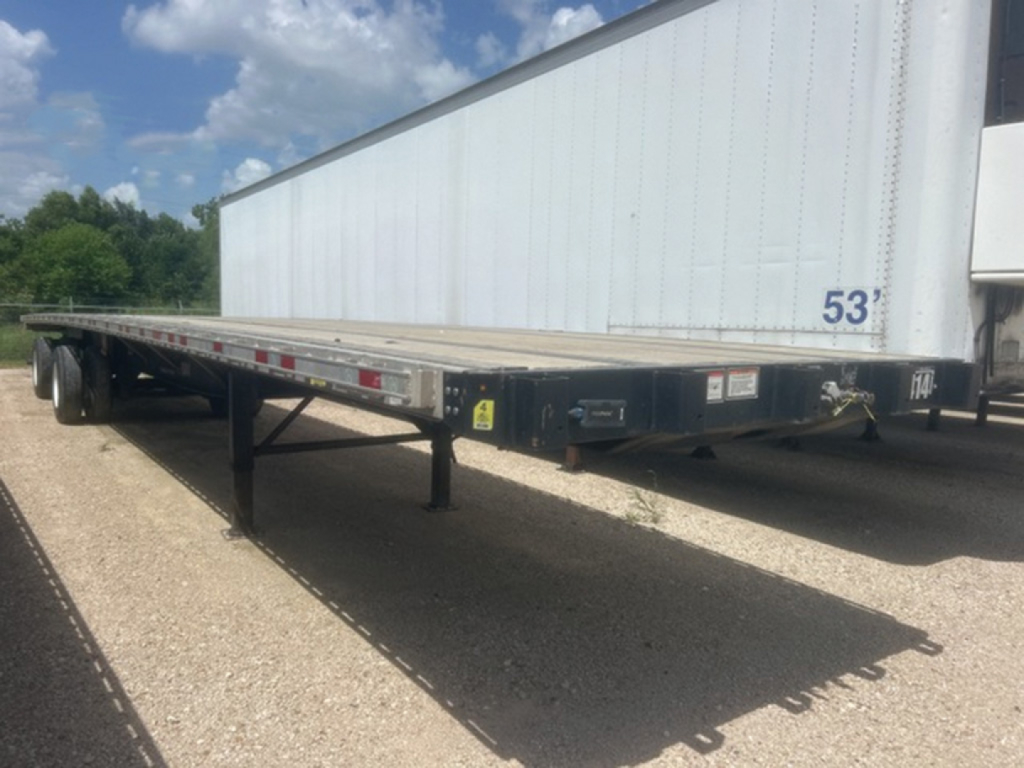
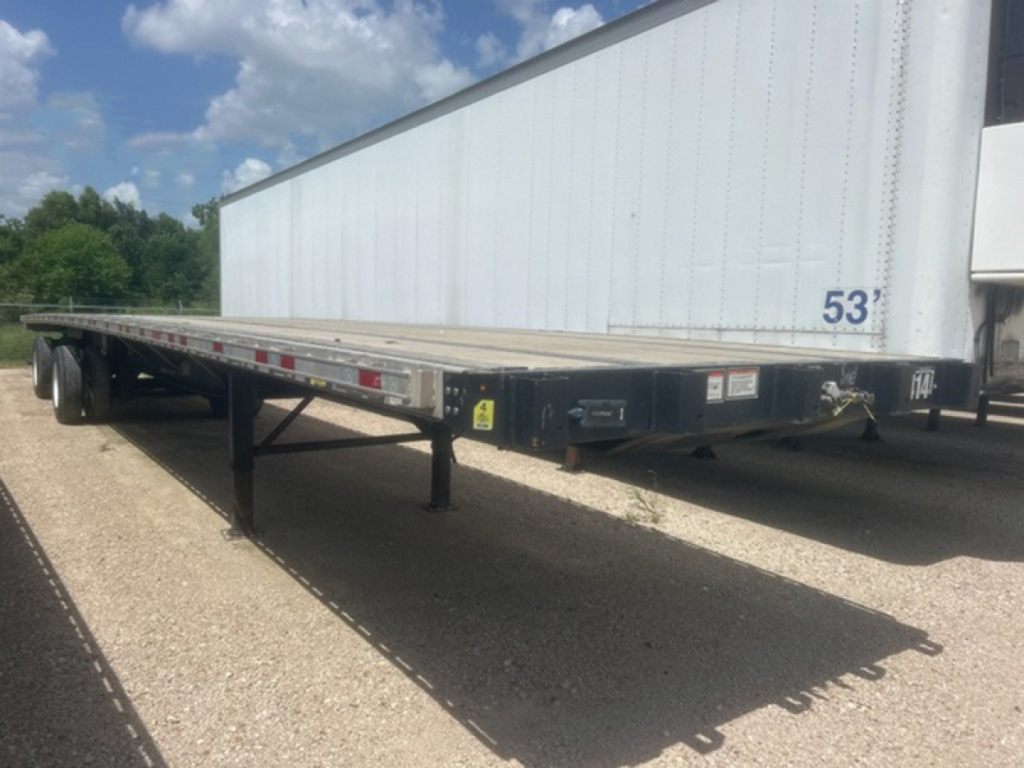
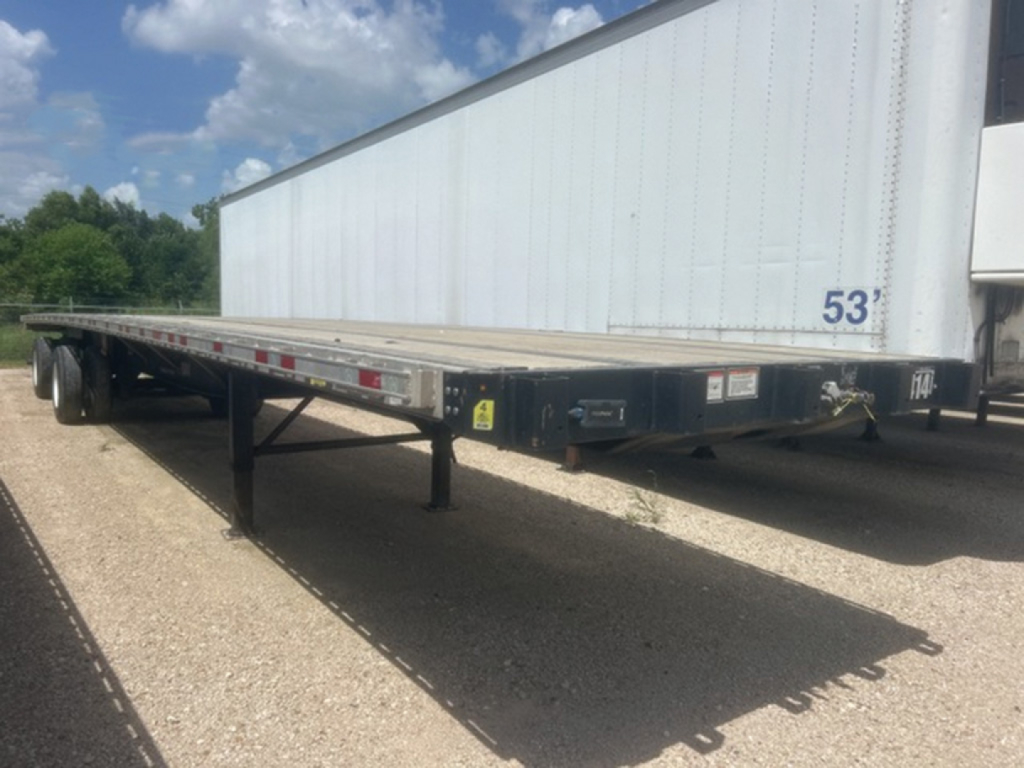
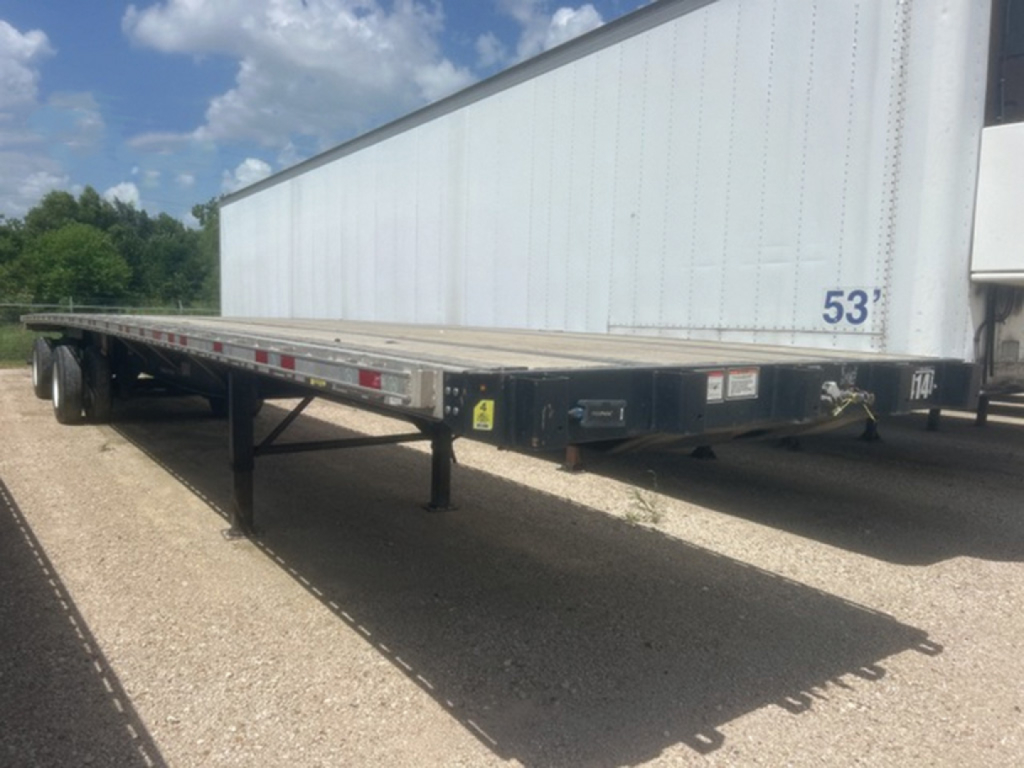
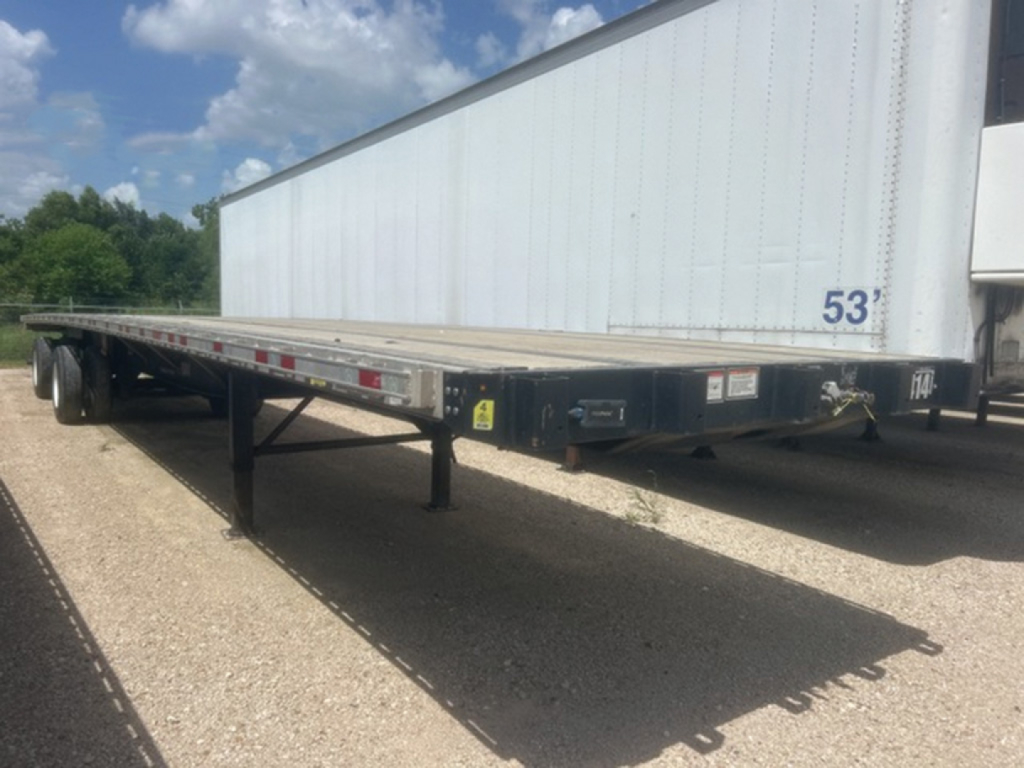
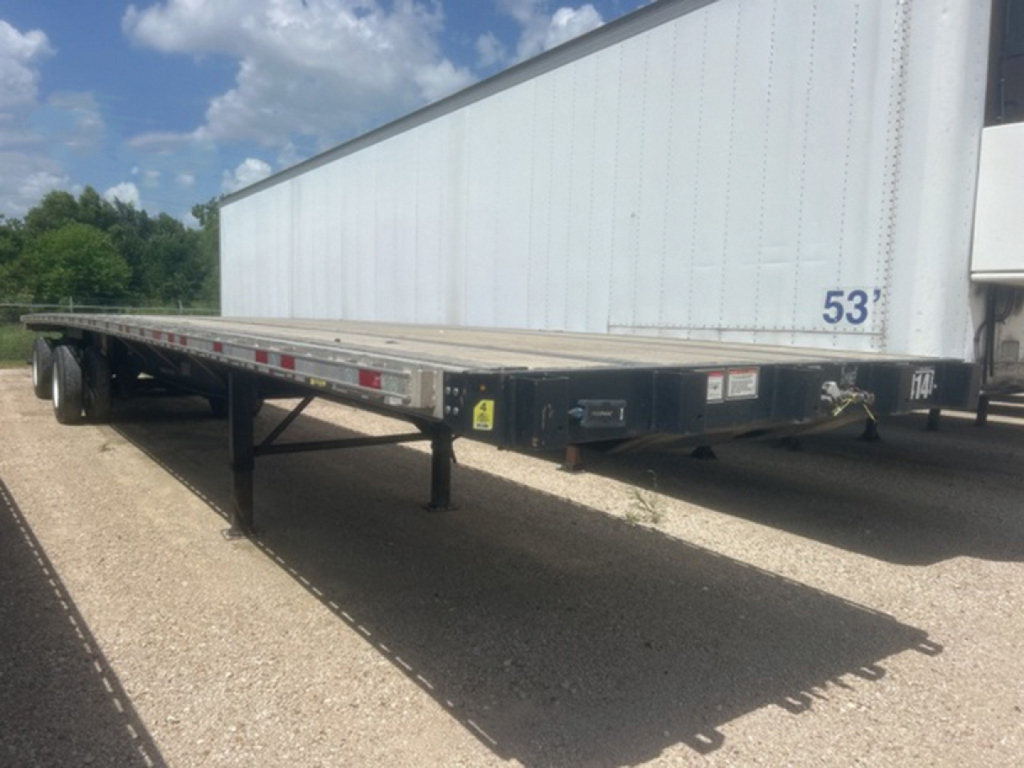
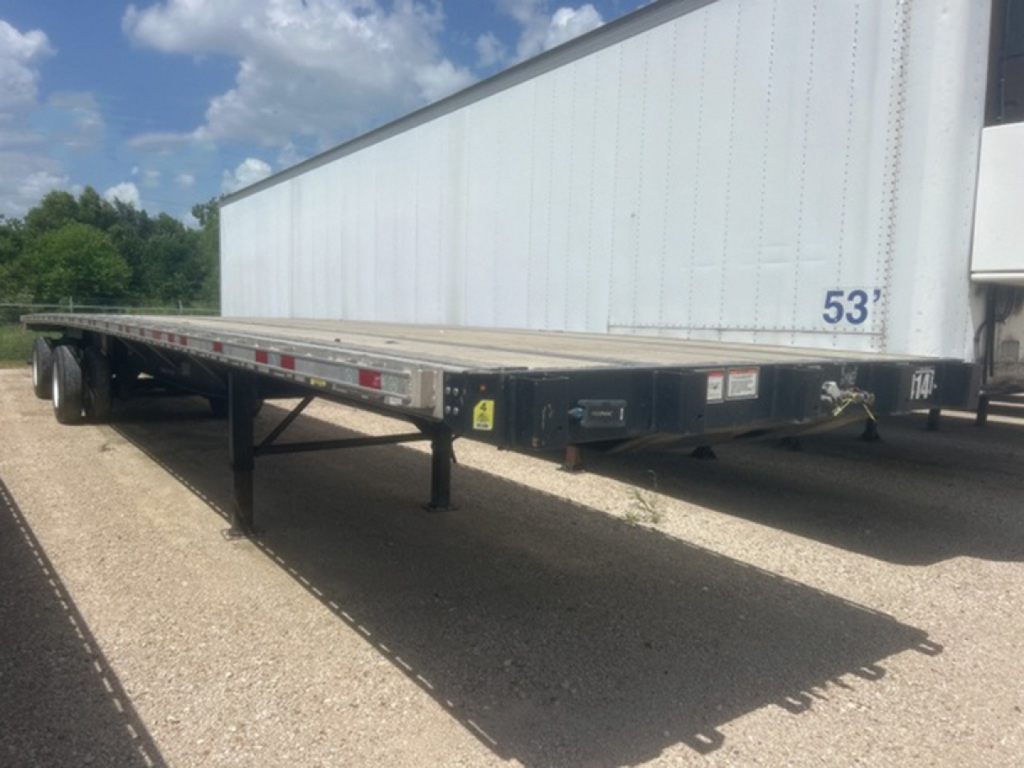
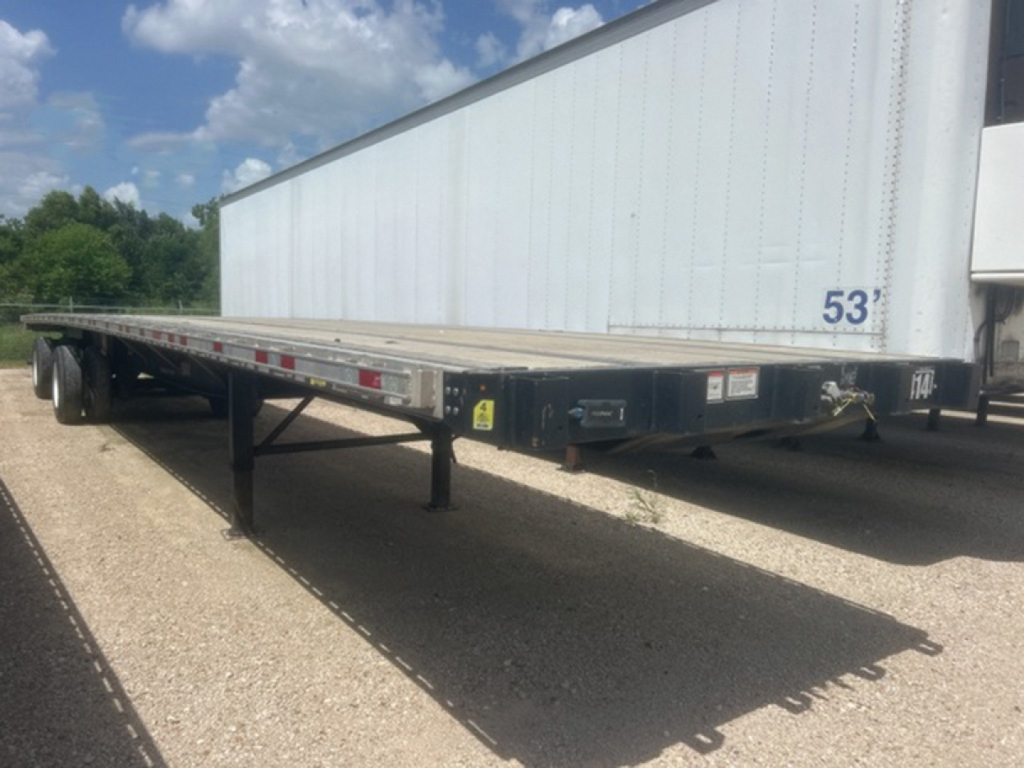
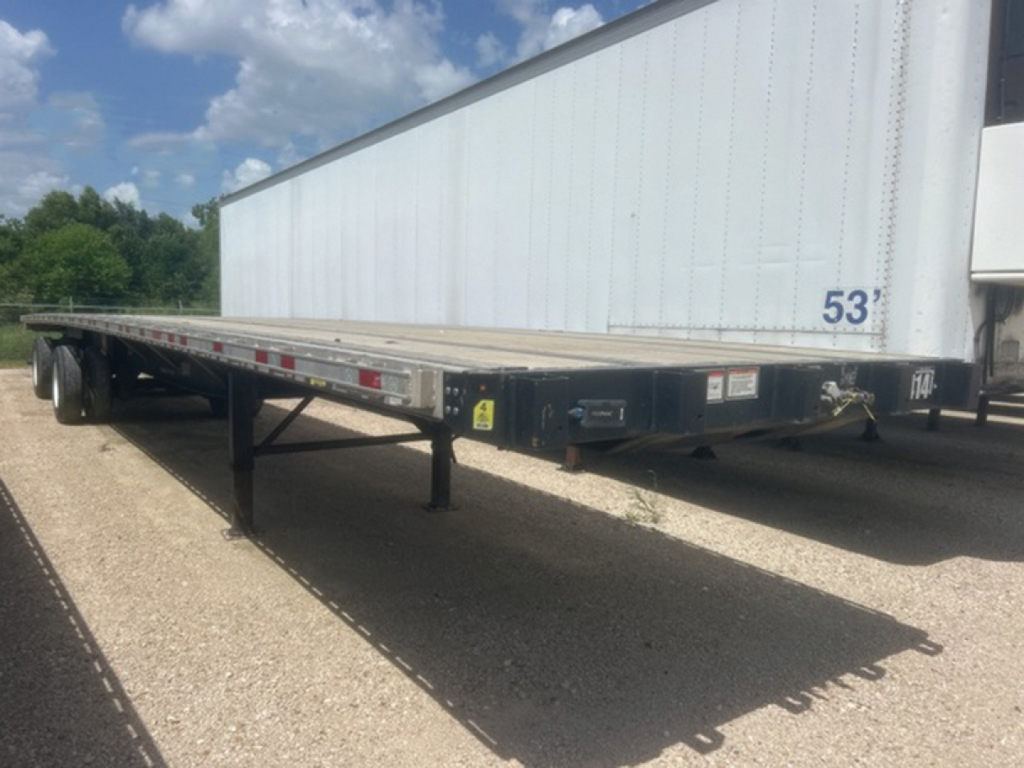
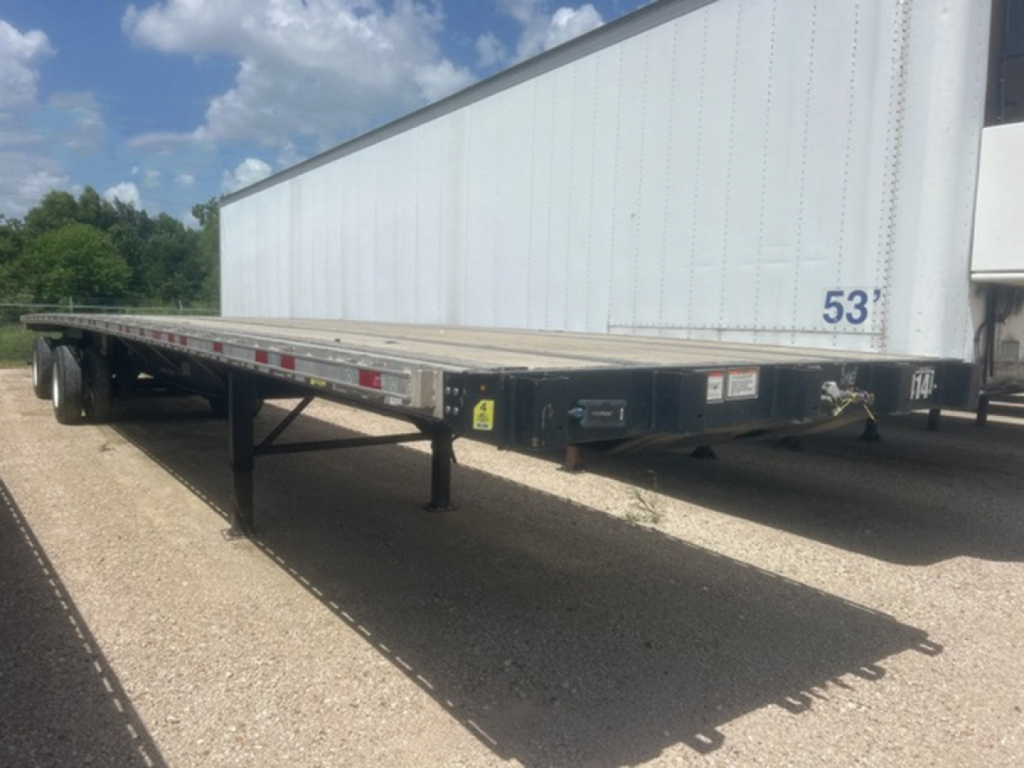
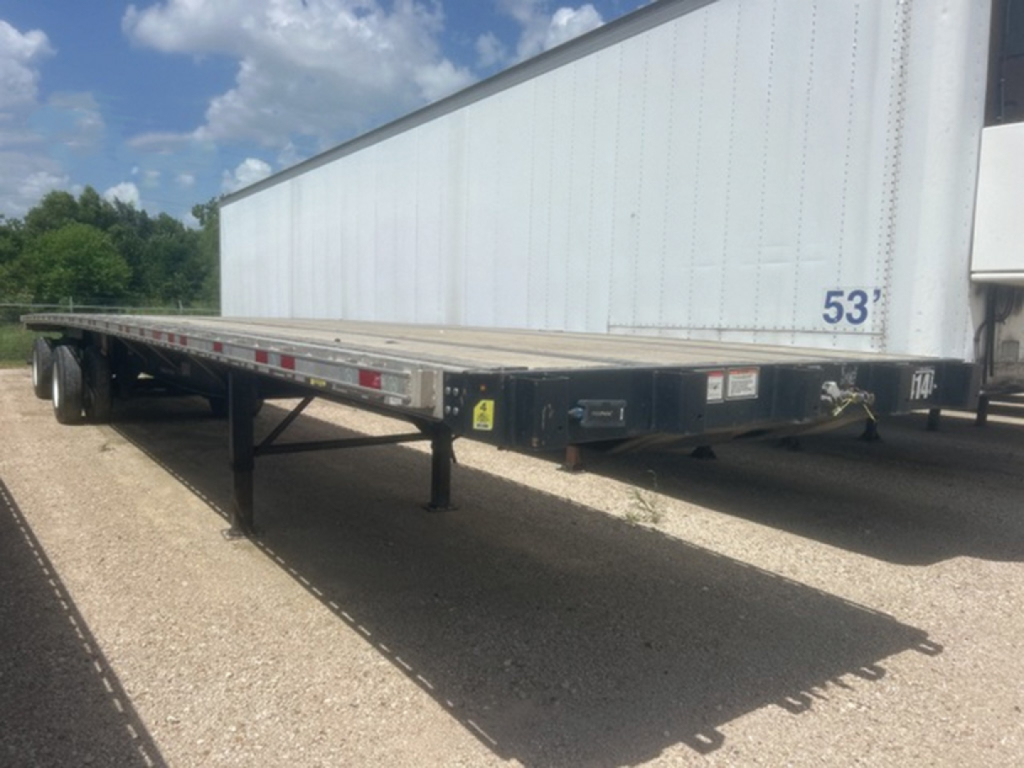
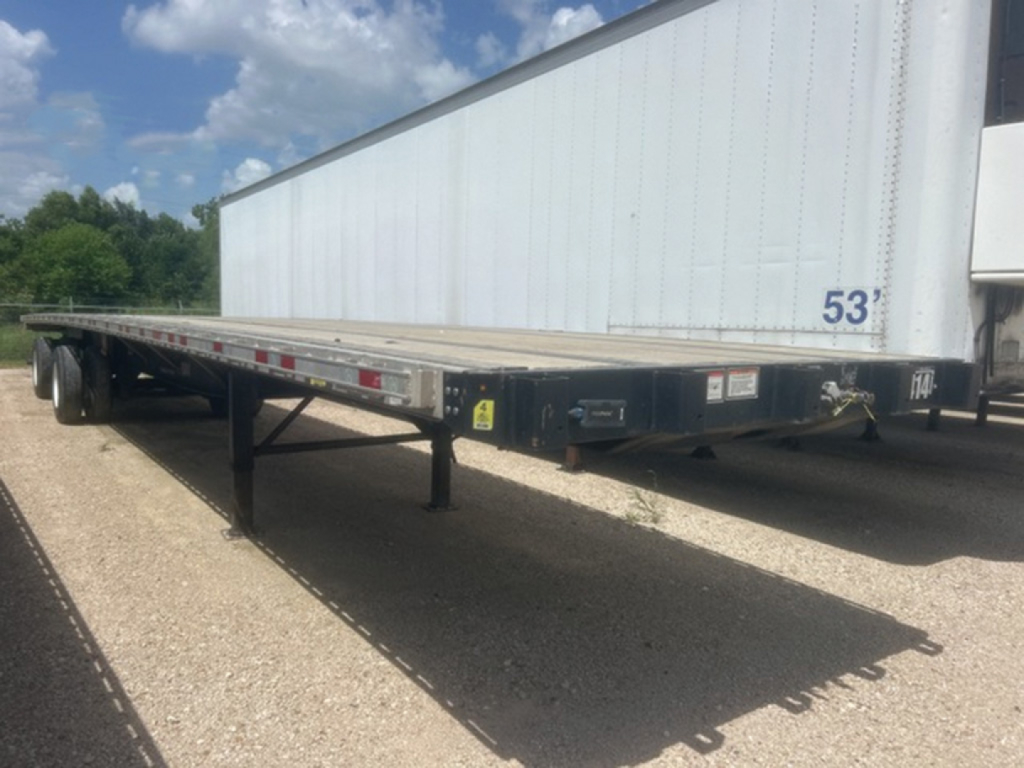
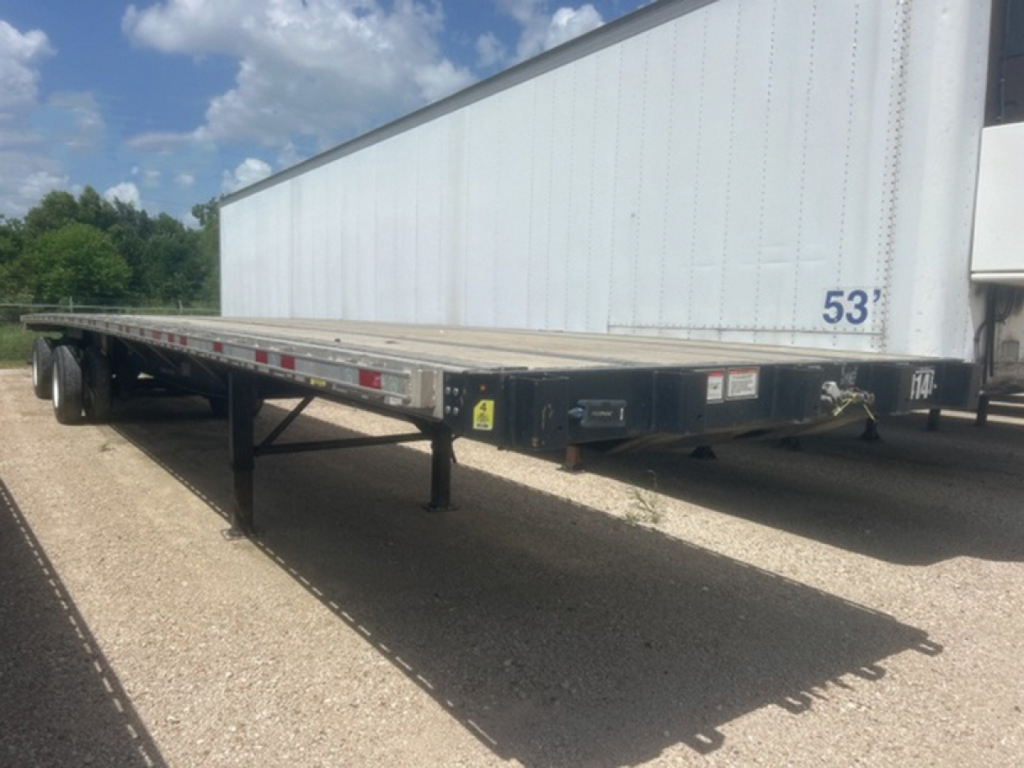
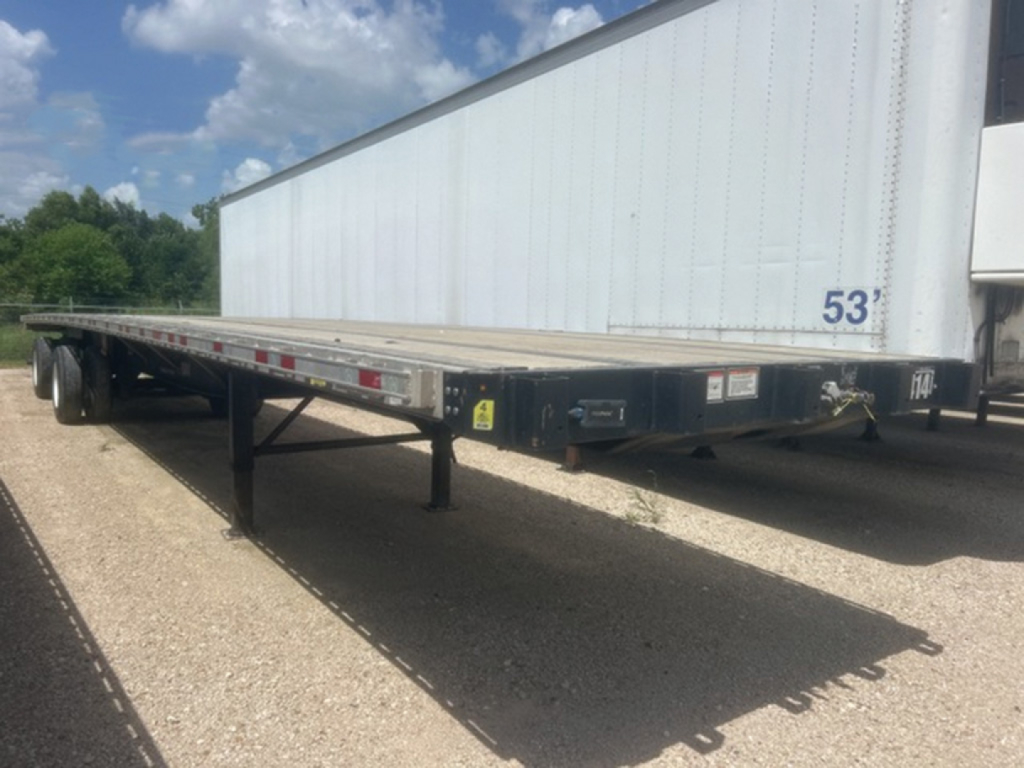
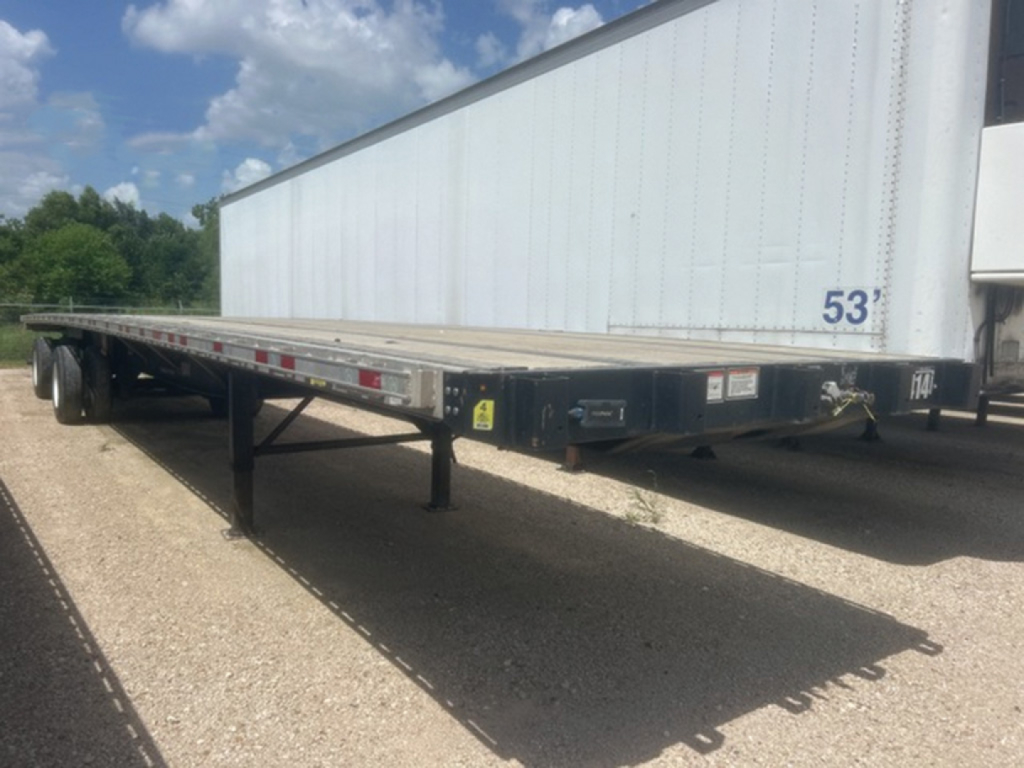
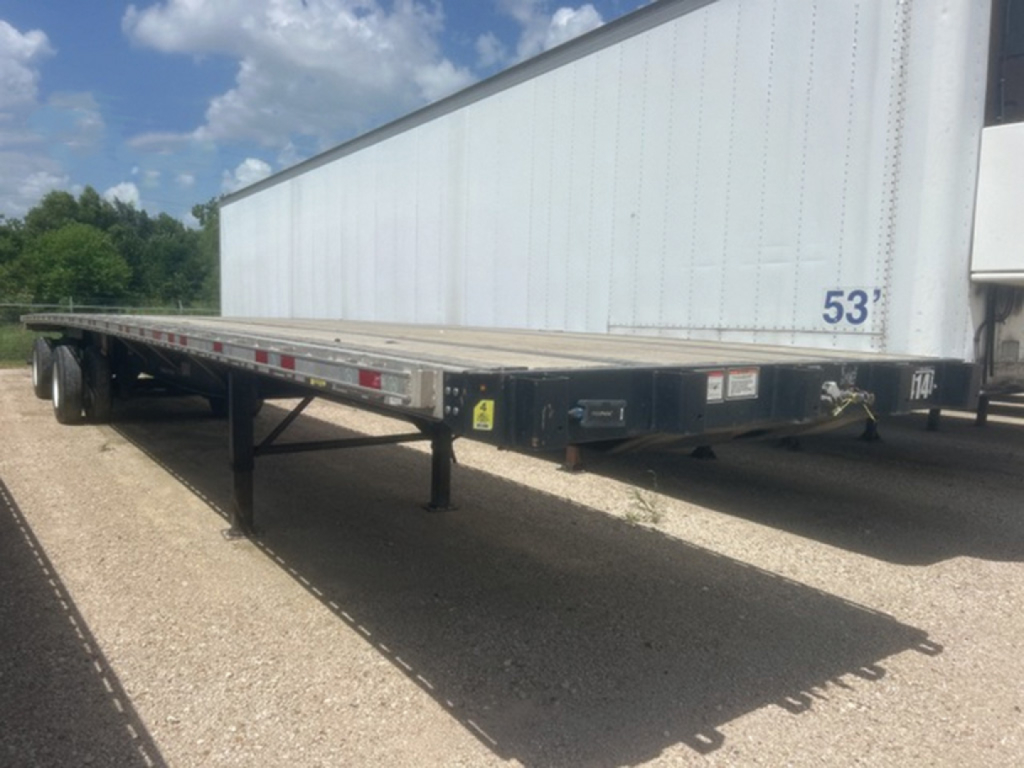
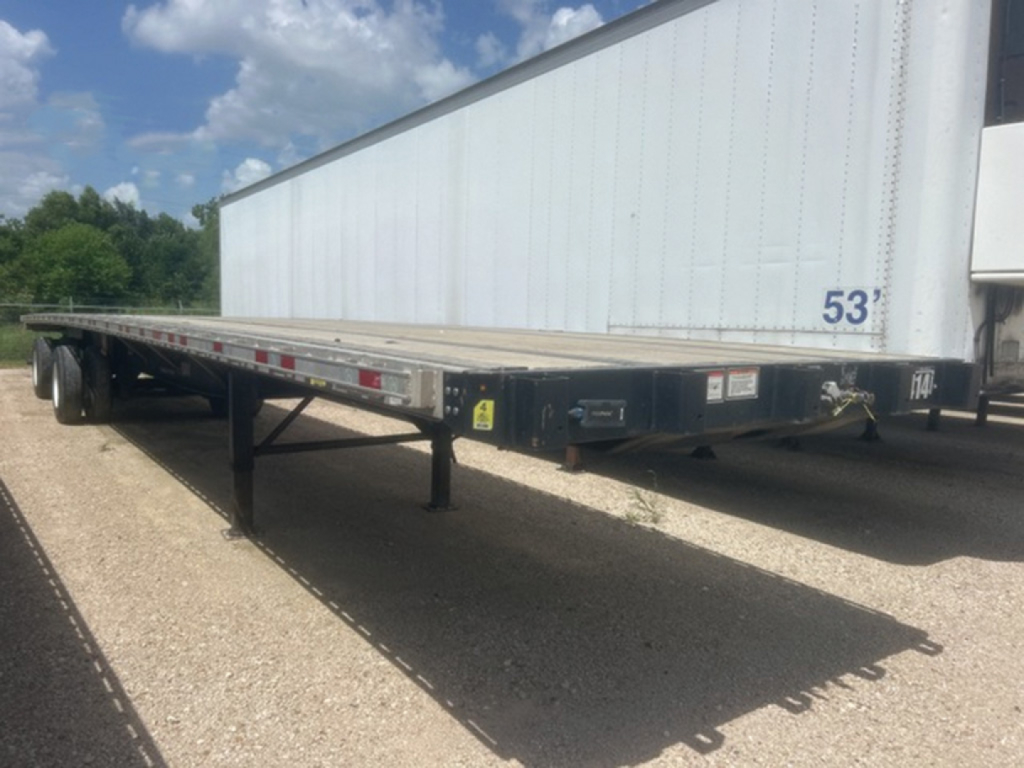
Showing 1 to 24 of 169 results
Have used trailer to sell? List it here to reach thousands of buyers.
Used Trailers in Texas
The most common trailer specs in this category are 53-foot length, 102-inch width, and a legal road height around 13-foot 6-inch. Buyers should pay close attention to inside height, floor type, suspension, and tandem configuration because those details affect payload, forklift traffic, dock compatibility, and tire wear. Dry vans often show up with wood floors, composite linings, scuff liners, threshold plates, swing doors, and logistics posts or E-track for load securement. Reefers commonly include aluminum duct or flat floors, stainless steel front radius panels, stainless door frames, cold chutes, rear vents, and insulated swing or roll-up doors. Sliding tandems are standard on many late-model trailers and remain important for bridge law compliance and axle weight adjustment across Texas lanes and multi-state routes.
On used reefer trailers, the refrigeration unit deserves the same level of attention as the trailer body. Carrier and Thermo King units are common, and buyers should review engine hours, maintenance records, unit start-up behavior, fuel system condition, and how well the box holds temperature under load. Multi-temp reefers add flexibility for split loads but also bring more complexity through bulkheads, evaporators, and extra service points. On used dry vans, condition often comes down to roof integrity, floor wear, sidewall damage, door alignment, and evidence of heavy forklift impact. Features like side skirts, tire inflation systems, air ride suspension, and disc brakes can improve operating cost, cargo protection, and resale value, especially on higher-mile regional and dedicated fleet work.
Texas buyers also need to think about application and operating environment, not just price. A trailer running I-35 distribution, Gulf Coast humidity, West Texas heat, or cross-border freight may need different specs than a trailer staying on short warehouse shuttles. Air ride usually offers better cargo protection than spring suspension, while roll-up doors can help in frequent dock work but may reduce rear opening height compared with swing doors. If the trailer will stay in food-grade service, inspect the interior lining, floor condition, drains, and odor history carefully. If the goal is general freight, focus on structural straightness, tandem slide function, brakes, tires, and how much remaining service life is left in the major wear components. A good used trailer is less about model year than about prior application, maintenance discipline, and whether the spec matches the freight.
Frequently Asked Questions about Used Trailers in Texas
What are the most common used trailer types for sale in Texas?
The most common used trailer types in Texas are dry van trailers and refrigerated trailers. Dry vans handle general freight, retail goods, and palletized shipments that do not need temperature control. Refrigerated trailers, often called reefers, are built for produce, frozen food, dairy, and other sensitive freight. Flatbeds, drop decks, and specialty trailers are also part of the broader used trailer market, but 53-foot vans and reefers usually make up the core of over-the-road inventory.
What should I inspect first on a used reefer trailer?
Start with the refrigeration unit, trailer body, and floor. On the reefer unit, check hours, service history, start-up performance, fault codes, and temperature pull-down. On the trailer itself, inspect the insulation envelope, door seals, stainless front corners, interior lining, floor wear, and signs of air or water leaks. A reefer can look clean and still have expensive deferred maintenance, so unit performance and box integrity matter more than appearance alone.
Is air ride better than spring suspension on a used trailer?
Air ride is generally preferred for freight protection, ride quality, and reduced shock transfer to the cargo. It is especially valuable on reefers, beverage freight, retail loads, and other sensitive shipments. Spring suspension is simpler and can work well in certain applications, but it usually delivers a harsher ride. The better choice depends on the freight, lane conditions, maintenance habits, and how much value you place on cargo protection and driver acceptance.
Why does a sliding tandem matter on a used 53-foot trailer?
A sliding tandem allows the axle group to be repositioned for bridge law compliance, weight distribution, and loading flexibility. That is important in Texas and on interstate routes where axle settings can determine whether a load is legal and practical to move. Buyers should check that the slide mechanism works smoothly, the locking pins engage correctly, and there is no excessive wear or damage in the rail area. A damaged or neglected tandem slide can become a daily operational problem.
What features add value on a used dry van or reefer trailer?
Features that commonly add value include disc brakes, tire inflation systems, side skirts, air ride suspension, logistics posts or E-track, scuff liners, and well-maintained doors and floors. On reefers, recognized unit brands, clean food-grade interiors, stainless wear points, and strong temperature performance are major value drivers. On dry vans, buyers usually pay close attention to roof condition, floor life, and whether the trailer is straight, dry, and dock-ready. Desirable specs tend to lower downtime and make the trailer easier to place into service quickly.