
Used 2020 Trailers For Sale
Browse used 2020 trailers for sale, including dry vans, flatbeds, and more. Compare specs, trailer types, axle setups, and freight-ready features.
Learn morePopular Trailers Categories
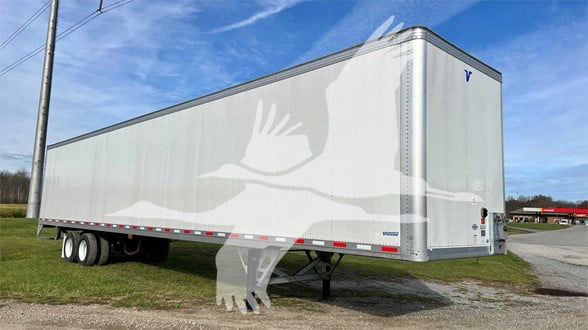
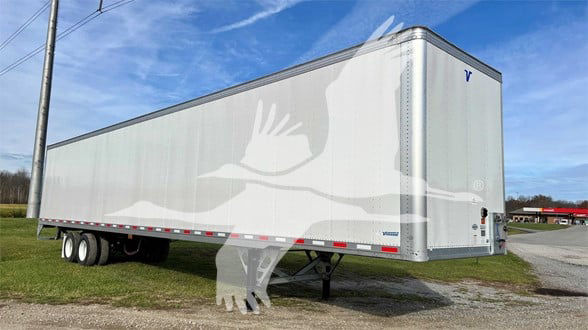
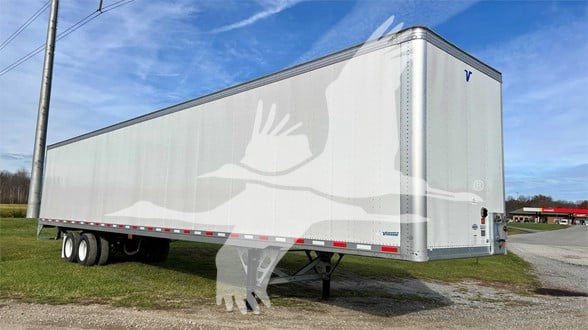
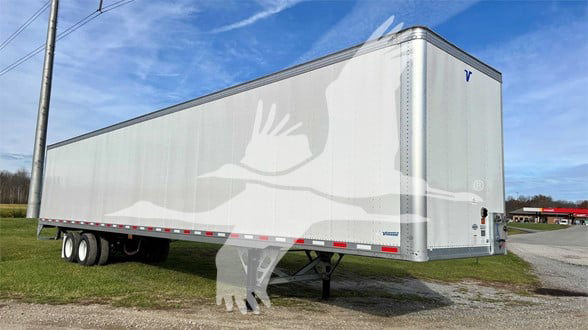
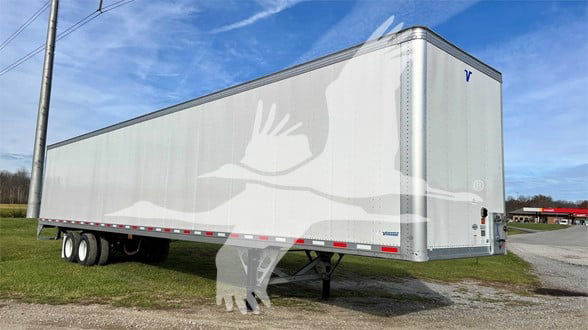
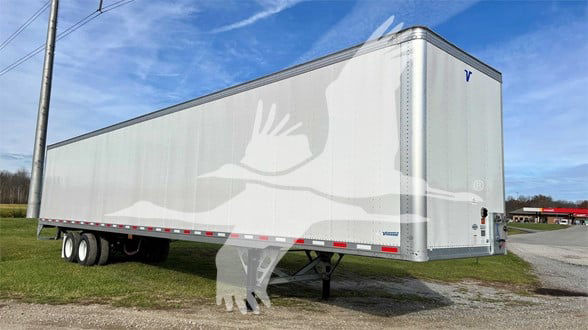
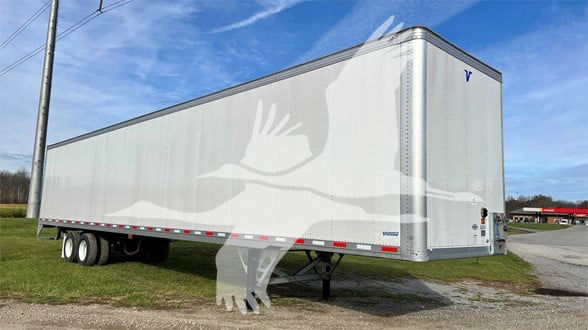





Showing 85 to 96 of 129 results
Have used 2020 trailer to sell? List it here to reach thousands of buyers.
About Used 2020 Trailers
The first decision is trailer type, because a 2020 trailer listing can cover several different applications. Dry vans, also called enclosed van trailers, are common in 53-foot by 102-inch configurations and are often spec'd with wood floors, plywood liners, scuff plates, threshold plates, rear vents, and underbody storage or undertray systems. Flatbeds in the same model year are typically bought for steel, building materials, machinery, or general open-deck freight and may include aluminum floors, nail strips, winch tracks, coil packages, spread axles, and toolboxes. Buyers comparing mixed trailer categories should start with freight profile, loading method, dock compatibility, and bridge-law needs before focusing on brand.
On used 2020 dry van trailers, pay close attention to inside height, door type, floor condition, liner condition, and tandem slide operation. A van with 100-inch inside height, good crossmember integrity, clean roof bows, and minimal sidewall damage will usually have broader freight utility. Check the rear frame, threshold, and door hardware for impact wear, especially on roll-up door units that saw heavy route work. On used 2020 flatbeds, inspect the deck for gouging, concentrated coil-well wear, cracked outriggers, bent winch track sections, and any signs of prior overload stress around the suspension hangers and kingpin area. Tire wear patterns, brake condition, and axle alignment matter on any trailer class because they affect both operating cost and roadside downtime.
Spec details on a 2020 trailer often tell you how it was used. Air ride suspension usually points to more ride-sensitive freight or fleet spec preferences, while spring ride may reflect simpler maintenance priorities. Sliding tandems remain important for dock approach, weight distribution, and state bridge compliance. Tire inflation systems can lower tire-related service calls if the system is intact and maintained. Aerodynamic equipment such as side skirts may matter for fleets focused on fuel economy, but buyers should inspect mounts and panel condition. The best used 2020 trailer is not just the newest-looking one. It is the one with the right configuration, documented upkeep, solid structural condition, and a spec that matches the lanes and freight it is expected to handle.
Frequently Asked Questions
What should I look for first when buying a used 2020 trailer?
Start with trailer type, dimensions, axle configuration, and structural condition. Those factors determine whether the trailer fits your freight and operating area. After that, inspect high-wear items such as floor condition, suspension components, brakes, tires, door hardware, tandem slide rails, and signs of frame or crossmember damage. A 2020 model can still be a very productive trailer, but condition and prior application matter more than model year alone.
Are used 2020 dry van trailers still a good choice for general freight?
Yes, many used 2020 dry vans are still well-positioned for general freight service if they have been maintained properly. Common features like 53-foot length, 102-inch width, logistics posts, plywood lining, E-track, and sliding tandems keep them versatile for contract freight and spot-market work. Buyers should confirm inside height, floor integrity, roof condition, and rear frame wear because those items directly affect usability and repair cost.
How do I choose between air ride and spring suspension on a used 2020 trailer?
Air ride suspension generally offers better ride quality for fragile or high-value freight and is common on fleet-spec van and flatbed trailers. Spring suspension is simpler and can be less expensive to maintain, but it may not offer the same cargo protection. The right choice depends on freight mix, maintenance practices, and operating priorities. On a used trailer, actual suspension condition is as important as suspension type.
Does a sliding tandem matter on a used 2020 trailer?
Yes, a sliding tandem is a major practical feature on many van and platform trailers. It helps with axle weight distribution, bridge-law compliance, loading dock positioning, and turning characteristics in tight areas. When inspecting a used 2020 trailer, make sure the slider pins engage correctly, the rail structure is not excessively worn, and the tandem can move without signs of binding or damage.
Is a used 2020 trailer old enough to have major maintenance concerns?
A 2020 trailer is old enough that maintenance history should be taken seriously, but not so old that age alone makes it high risk. The bigger concern is use cycle. A hard-run regional trailer with frequent dock contact and urban mileage may show more wear than an over-the-road trailer with cleaner service history. Focus on brakes, tires, wheel ends, suspension wear, frame condition, floor life, and any evidence of accident repairs or corrosion.