
New Trailers For Sale in Illinois
Shop new trailers for sale in Illinois, including dry vans, flatbeds, lowboys, and drop decks with specs for freight, heavy haul, and regional work.
Learn morePopular Trailers Categories
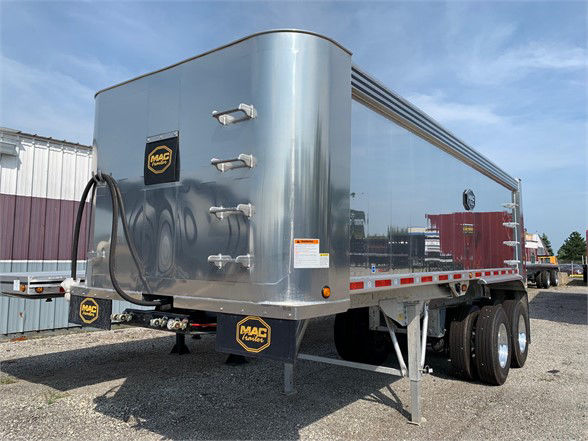
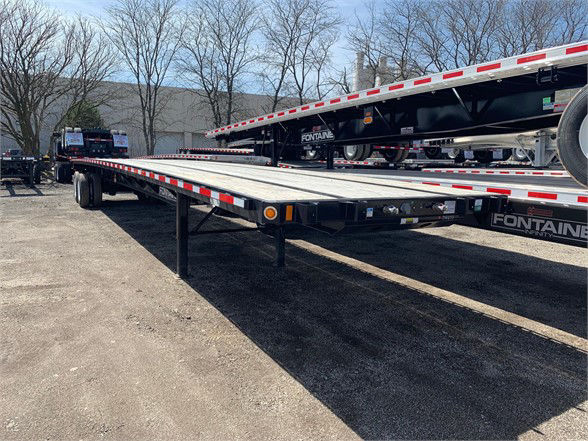
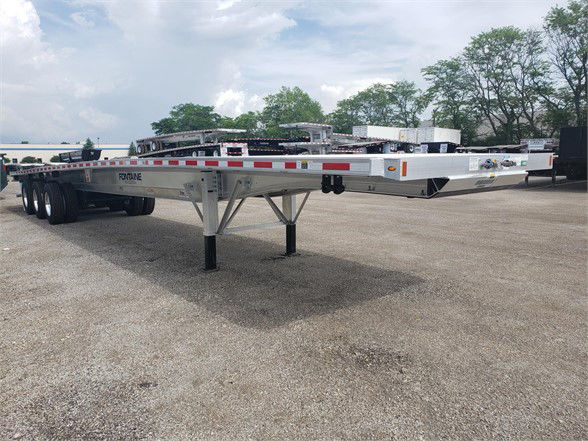
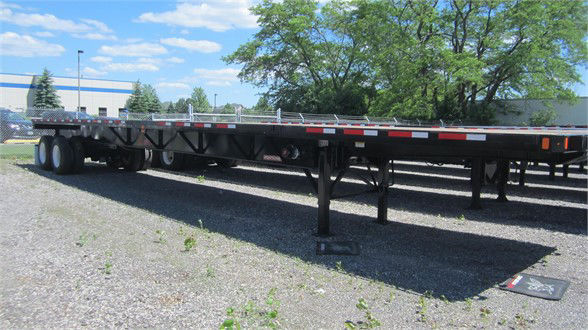
Showing 49 to 60 of 69 results
Have new trailer to sell? List it here to reach thousands of buyers.
About New Trailers in Illinois
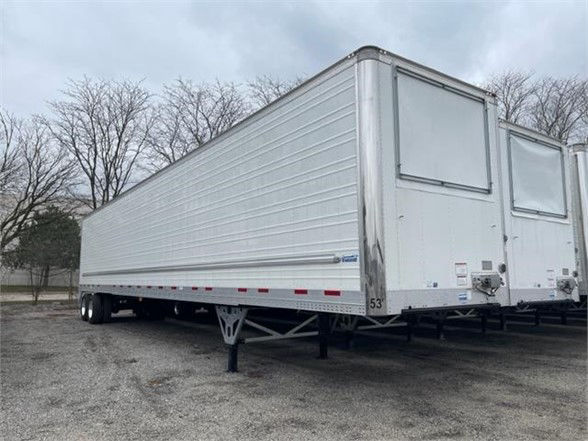
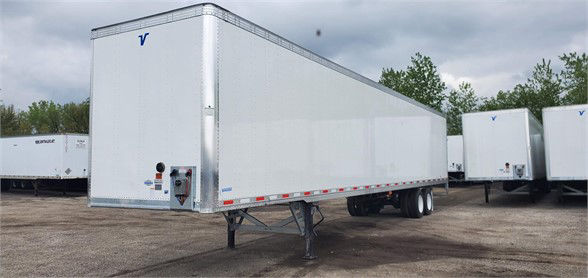
For van trailers, common specs include tandem sliding axles, air ride suspension, 102-inch width, wood floors, and composite or plate sidewall construction. Features like logistics posts, swing doors, side skirts, tire inflation systems, and galvanized rear frames or landing gear supports can make a real difference in uptime and operating cost. Air ride is typically preferred for general freight and sensitive loads, while aerodynamic packages help carriers running long highway miles. On a new van, buyers should pay attention to rear frame design, floor rating, roof construction, and door hardware because these details affect trailer life in high-cycle dock service.
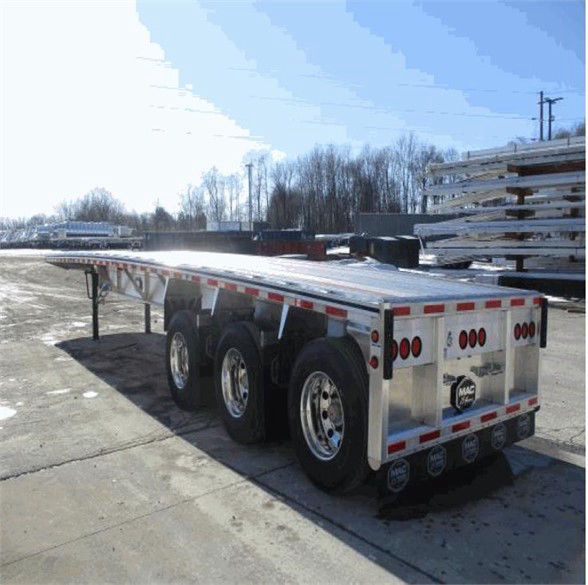
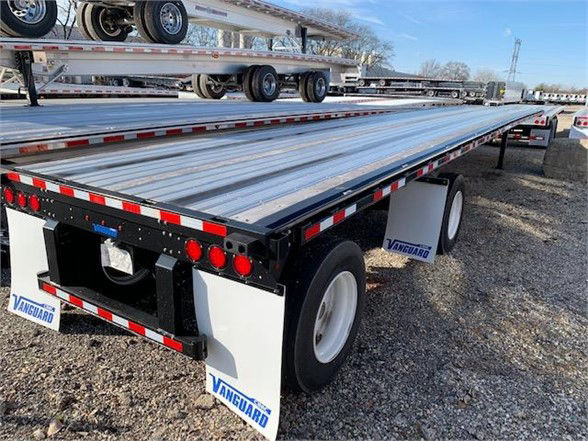
Flatbeds in this market range from steel construction for durability and lower acquisition cost to all-aluminum designs for maximum payload. A 48-foot by 102-inch flatbed remains the standard for building materials, machinery, steel, pipe, and general open-deck freight. Key decisions include spread axle versus sliding tandem, air ride versus spring ride, aluminum versus steel wheels, floor type, and side rail design. Features such as winch tracks, coil package options, routed side rails, and heavy-duty apitong or aluminum floors matter because they directly affect securement flexibility, tare weight, and repair expense. Illinois buyers hauling dense freight often balance empty weight savings against the toughness needed for rough loading environments.
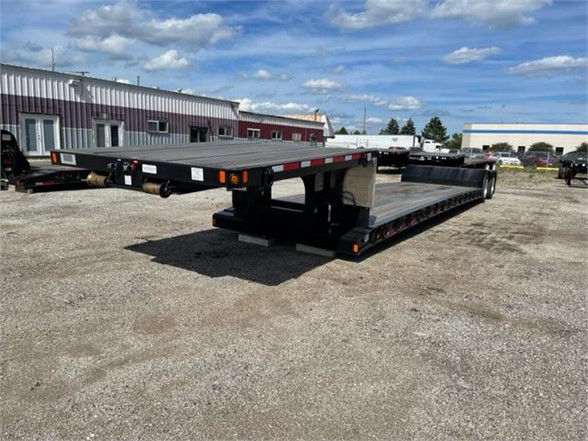
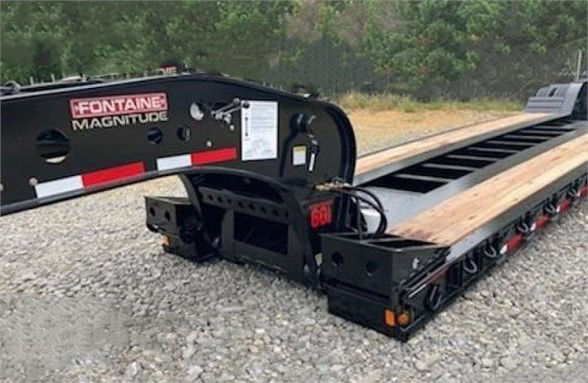
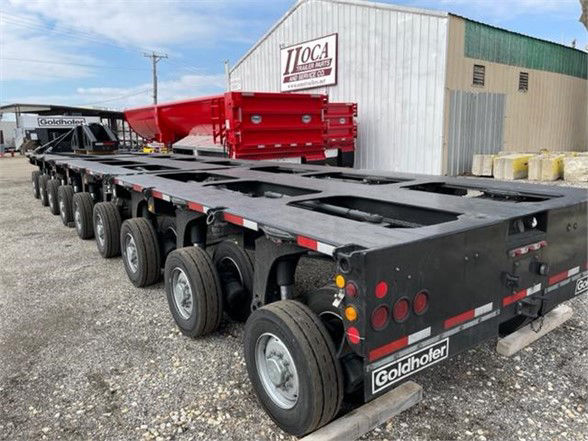
For specialized hauling, lowboys and double drop trailers are built around deck height, ground clearance, neck style, and concentrated load capacity. Hydraulic removable gooseneck lowboys are common for construction and equipment transport, while mechanical detachable neck double drops are a practical choice for taller freight that needs lower deck height without moving into a full lowboy configuration. Buyers should verify loaded deck height, swing clearance, axle count, flip axle compatibility, kingpin settings, and whether the trailer is set up for regional or over-the-road permit work. In Illinois, where freight can shift from machinery to agricultural and infrastructure loads, the right new trailer is the one that fits legal dimensions, securement needs, and service expectations without giving away payload or versatility.
Frequently Asked Questions
What types of new trailers are most commonly used in Illinois freight operations?
The most common new trailers in Illinois are dry vans, flatbeds, lowboys, and double drop trailers. Dry vans handle general freight, retail, packaged goods, and dock-to-dock work. Flatbeds are used for construction materials, steel, machinery, and freight that requires side or crane loading. Lowboys and double drops are more specialized and are selected for equipment, overheight cargo, and heavy machinery that needs lower deck height or higher concentrated load capacity.
Is air ride or spring ride better on a new trailer?
Air ride is generally preferred for freight protection, ride quality, and reduced shock to the trailer and cargo. It is common on dry vans, premium flatbeds, and many heavy-haul applications. Spring ride is simpler and can cost less up front, which is why it still appears on some flatbeds and vocational trailers. The right choice depends on cargo sensitivity, maintenance preference, and the level of abuse the trailer will see in daily service.
Should I choose a steel flatbed or an aluminum flatbed?
A steel flatbed usually offers a lower purchase price and strong durability in severe service, especially where trailers see repeated forklift traffic, chain securement, and jobsite loading. An aluminum flatbed reduces tare weight and can increase legal payload, which matters on higher-volume or weight-sensitive lanes. Buyers should compare the value of extra payload against repair costs, expected trailer life, and the type of freight being hauled most often.
What should I look for when buying a new lowboy or double drop trailer?
The most important factors are overall capacity, loaded deck height, neck type, axle configuration, swing clearance, and deck length. A hydraulic removable gooseneck lowboy is often the right fit for heavy equipment loading from the front, while a mechanical detachable neck double drop can be a strong option for lower-profile machinery and general specialized freight. Buyers should also confirm kingpin settings, whether the trailer is flip axle capable, and how the setup fits bridge law, permits, and the states where the trailer will run.
Why do axle configuration and slider position matter on a new trailer?
Axle layout affects weight distribution, bridge compliance, turning radius, tire wear, and how flexible the trailer is across different freight. Sliding tandems are common on vans and some flatbeds because they help adjust axle weights for varying loads and docking situations. Spread axles can improve weight distribution and stability on flatbeds, but they may reduce maneuverability in tighter areas. On specialized trailers, fixed axle group placement and kingpin settings are critical because they determine how the trailer carries concentrated loads and complies with permit requirements.