
Heil Trailers For Sale
Shop Heil trailers for fuel and dry bulk hauling, including MC-406 petroleum tanks and aluminum pneumatic cement trailers.
Learn moreBrowse Heil Trailers by Category
Showing 13 to 19 of 19 results
Have heil trailer to sell? List it here to reach thousands of buyers.
About Heil Trailers
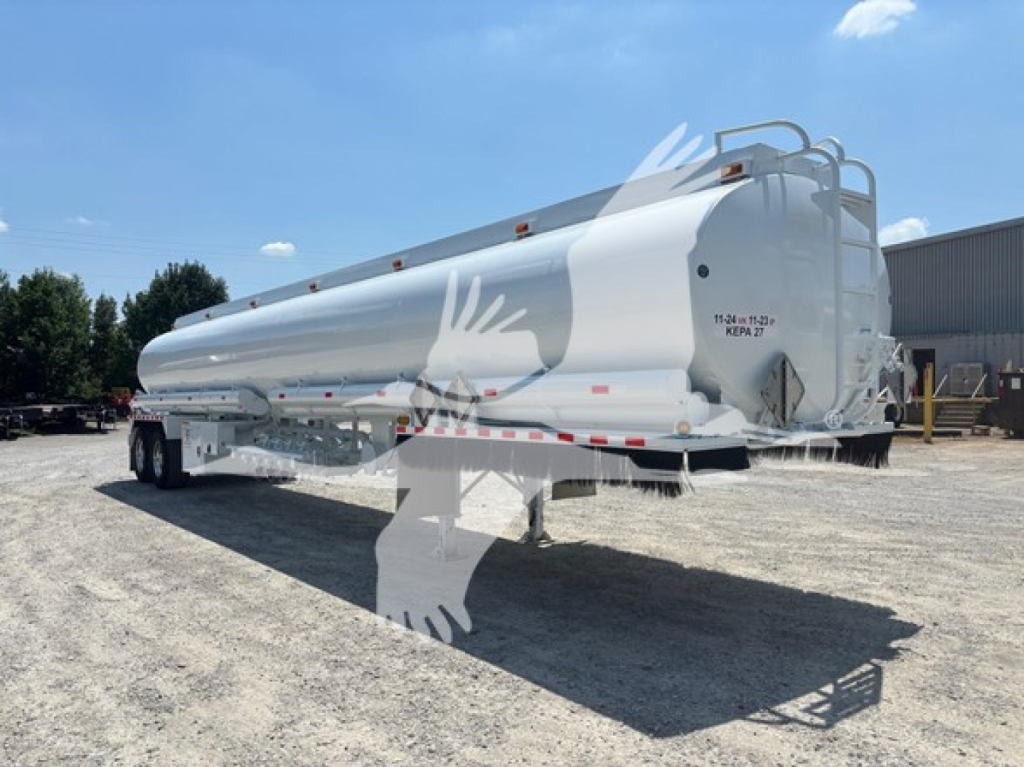
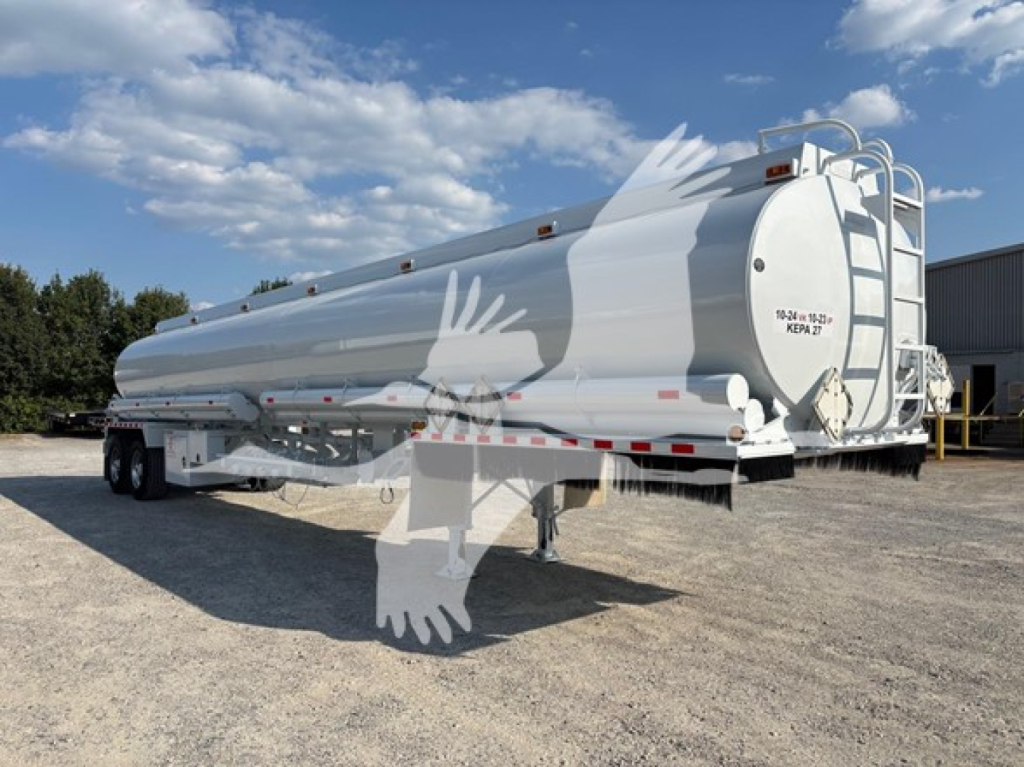
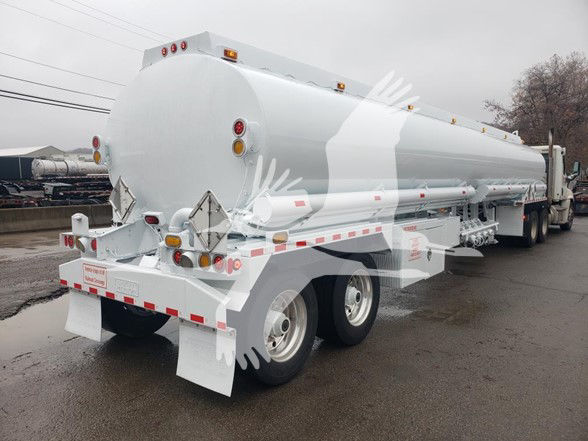
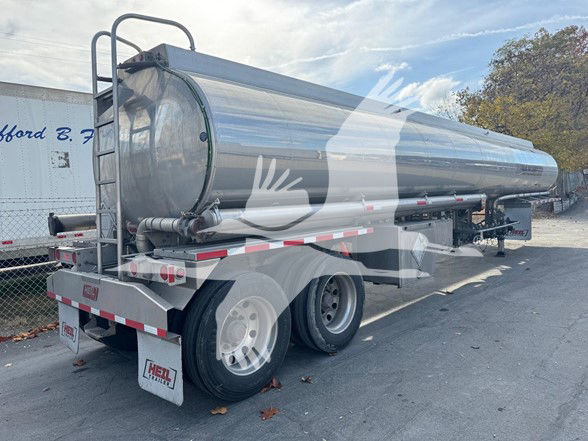
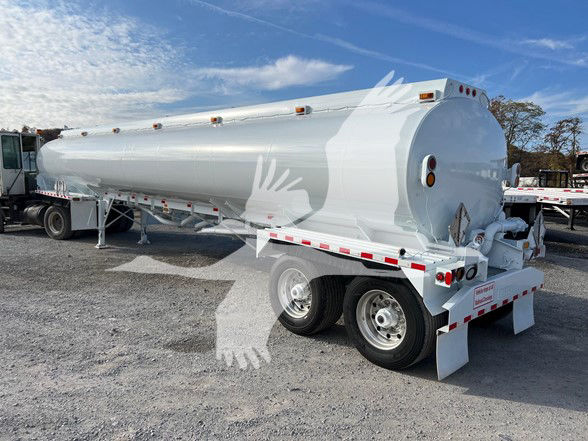
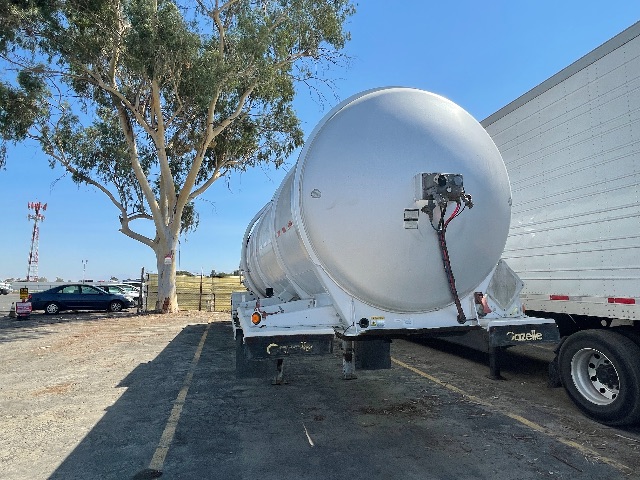
For petroleum service, Heil fuel trailers are often set up in the 9,000 to 9,500 gallon range with elliptical barrels, tandem axles, air ride suspension, bottom loading, vapor recovery, overfill systems, and multiple compartments. Compartment layout is a major buying decision because it determines route flexibility and product mix. A 4-compartment or 5-compartment trailer can be a better fit for retail fuel delivery, while bulk plant or dedicated lane work may favor a simpler layout. On any Heil gas or fuel tanker, buyers should verify current test dates, MC-406 or DOT 406 compliance, emergency valve operation, Civacon or equivalent overfill equipment, sump and trough-bottom design, and the condition of cabinets, hose tubes, and aluminum piping.
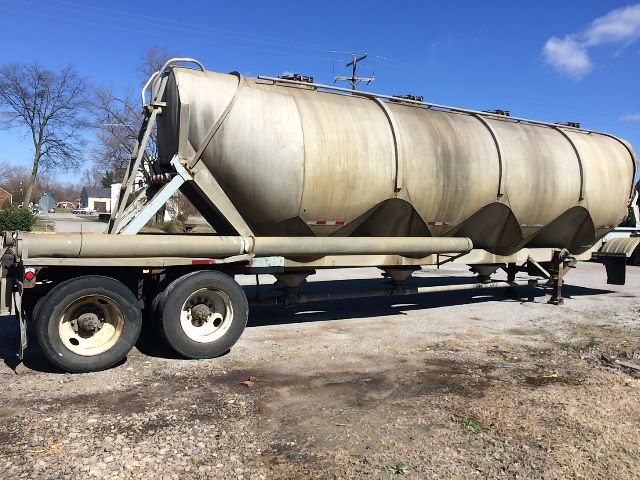
Heil pneumatic trailers are common in cement, fly ash, lime, sand, and other dry bulk applications. Many are aluminum units around 42 to 43 feet with capacities near 1,040 cubic feet, three hoppers, center or rear discharge, aluminum wheels, and air ride suspension. The most important spec is not just cube, but how the trailer is matched to the product density and the blower setup used in your operation. Hopper count, discharge location, aeration system, pipe size, and valve brand all affect unload speed and product cleanout. A lightweight Heil cementer can help maximize payload, but buyers should also inspect barrel condition, manholes, cones, butterfly valves, suspension settings, landing gear, and any signs of prior weld repair around supports or discharge plumbing.
Across the Heil trailer lineup, the smart buying approach is application-first. Focus on commodity type, legal payload targets, axle spacing, test and inspection status, and how the trailer is equipped for your loading and unloading system. Aluminum frame and barrel construction can be a major advantage for payload and corrosion resistance, but condition matters more than paint. Look closely at suspension components, tires, brakes, kingpin area, barrel saddles, and all product-handling equipment. A properly spec'd Heil tanker or dry bulk trailer can stay productive for years if the trailer matches the work and the maintenance history is solid.
Frequently Asked Questions
What types of Heil trailers are most common on the market?
The most common Heil trailers are petroleum tank trailers and pneumatic dry bulk trailers. In petroleum service, Heil is frequently seen in MC-406 or DOT 406 configurations for hauling gasoline, diesel, and related fuels. In dry bulk service, Heil cementers and other pneumatic tanks are common for cement, fly ash, lime, and similar commodities. The exact trailer setup matters because a fuel tanker and a dry bulk tank may both be aluminum tank trailers, but their barrel design, plumbing, discharge system, and compliance requirements are completely different.
What should I check before buying a used Heil fuel tanker?
Start with the regulatory side first. Confirm the tank code, current test dates, inspection status, overfill system, vapor recovery equipment, and emergency valve function. Then check the compartment layout, barrel condition, piping, sumps, cabinets, hose tubes, and discharge hardware. Structural areas also deserve close attention, including the kingpin assembly, suspension frame, landing gear mounts, and axle alignment. A fuel tanker can look clean and still need expensive compliance or plumbing work, so documentation is just as important as visible condition.
How do I choose the right Heil pneumatic trailer capacity?
Capacity should be matched to commodity density and legal payload, not just the largest cubic foot number available. A 1,040 cubic foot trailer is common for cement and other dry bulk materials, but heavier products can limit payload before the trailer reaches full volume. Buyers should also look at hopper count, discharge location, aeration design, and plumbing size because those factors affect unload performance and cleanout. The right trailer is the one that fits both your product and your blower system without creating weight or unloading problems.
Are aluminum Heil trailers a better choice than steel?
Aluminum Heil trailers are popular because they reduce tare weight and offer good corrosion resistance, which can improve payload and long-term operating economics. That matters in both petroleum and dry bulk service where every pound of empty weight affects revenue. The tradeoff is that condition and repair quality are critical. Buyers should inspect for cracks, poor weld repairs, stress around mounting points, and wear in high-vibration areas. A well-maintained aluminum trailer is usually a strong choice, but structural condition should always outweigh material preference.
Why does compartment layout matter on a Heil petroleum trailer?
Compartment layout determines how many products you can haul and how efficiently you can service stops on a route. A 4-compartment or 5-compartment tanker gives more flexibility for mixed deliveries, split drops, and branded retail work. Larger single compartments may be better for dedicated product lanes with fewer drop variations. The right layout affects dispatch efficiency, retained product, and load planning, so it should be evaluated alongside total gallon capacity, drain trough design, bottom loading setup, and vapor recovery configuration.