
Flatbed Trailers For Sale in Pennsylvania
Shop flatbed trailers for sale in Pennsylvania. Compare 48-foot and 53-foot aluminum and steel flatbeds with air ride, spread axles, and coil packages.
Learn moreBrowse Flatbed Trailers by Make
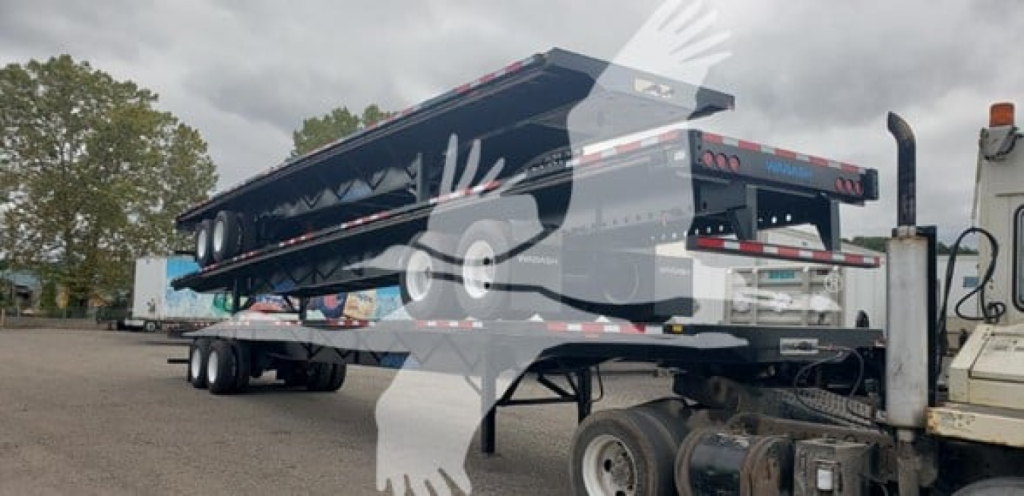
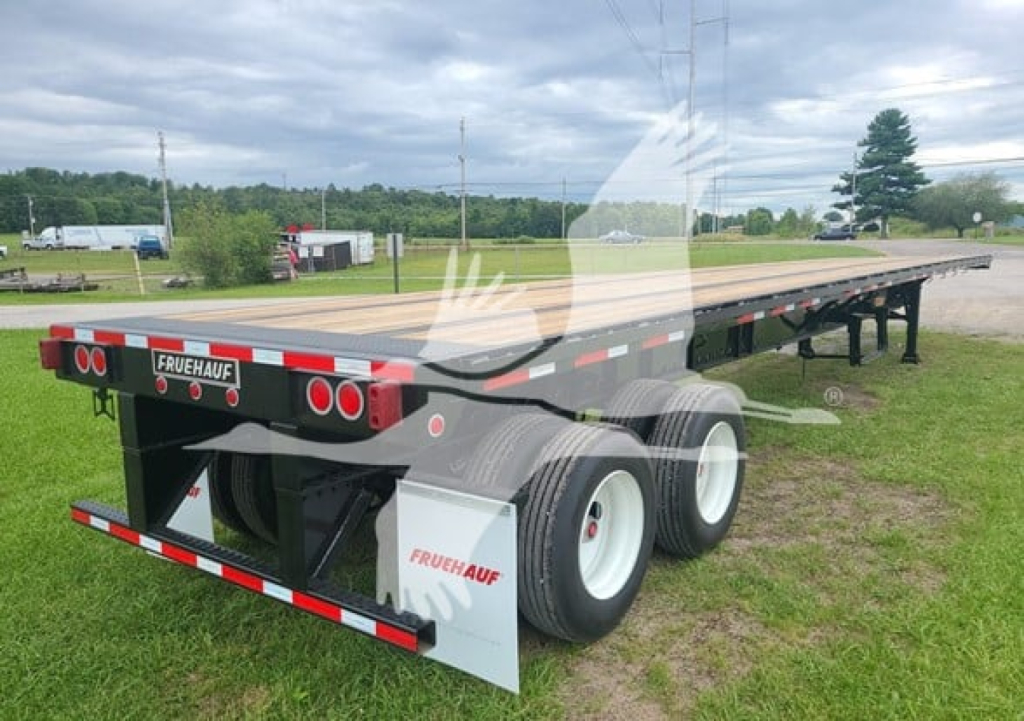
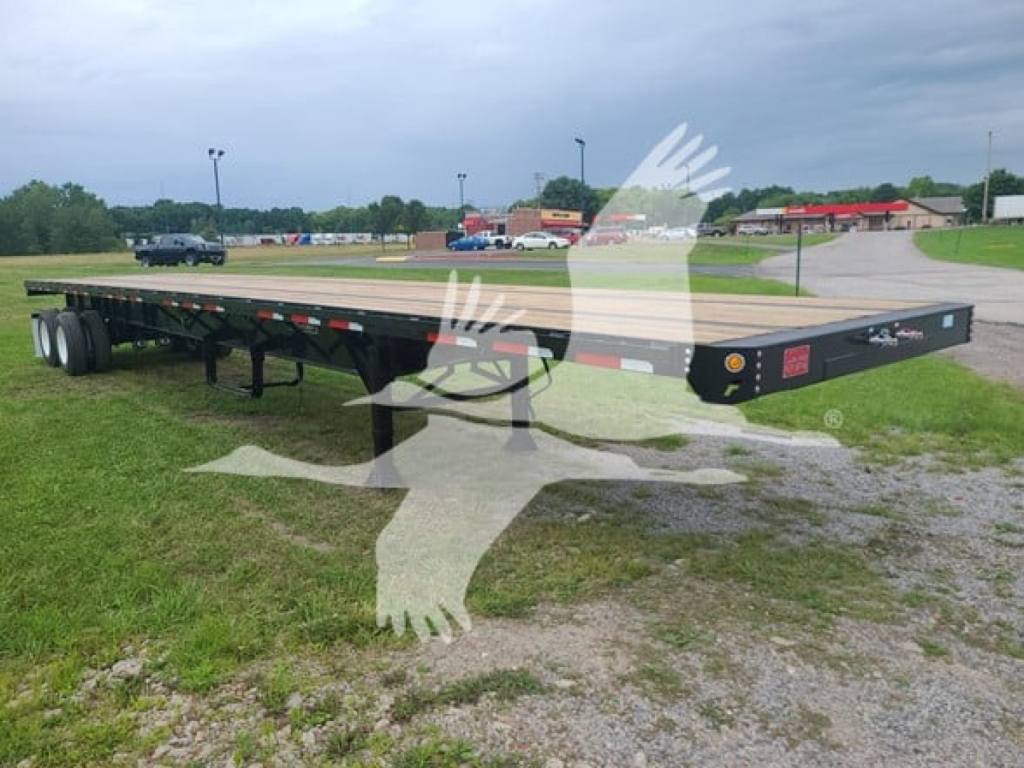
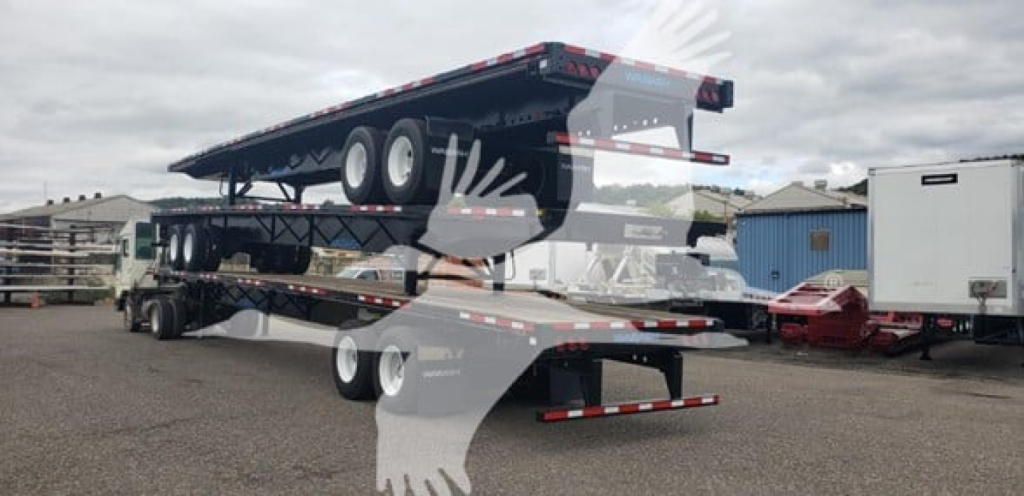
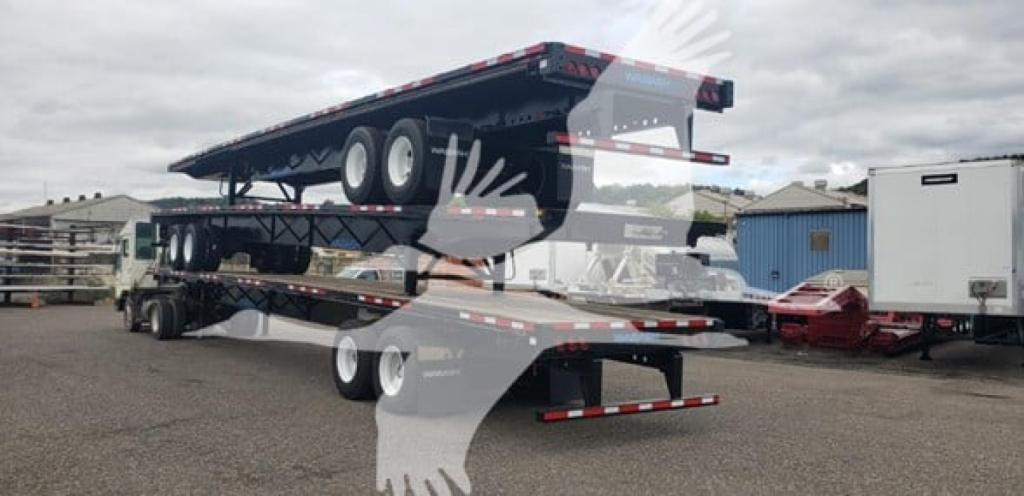
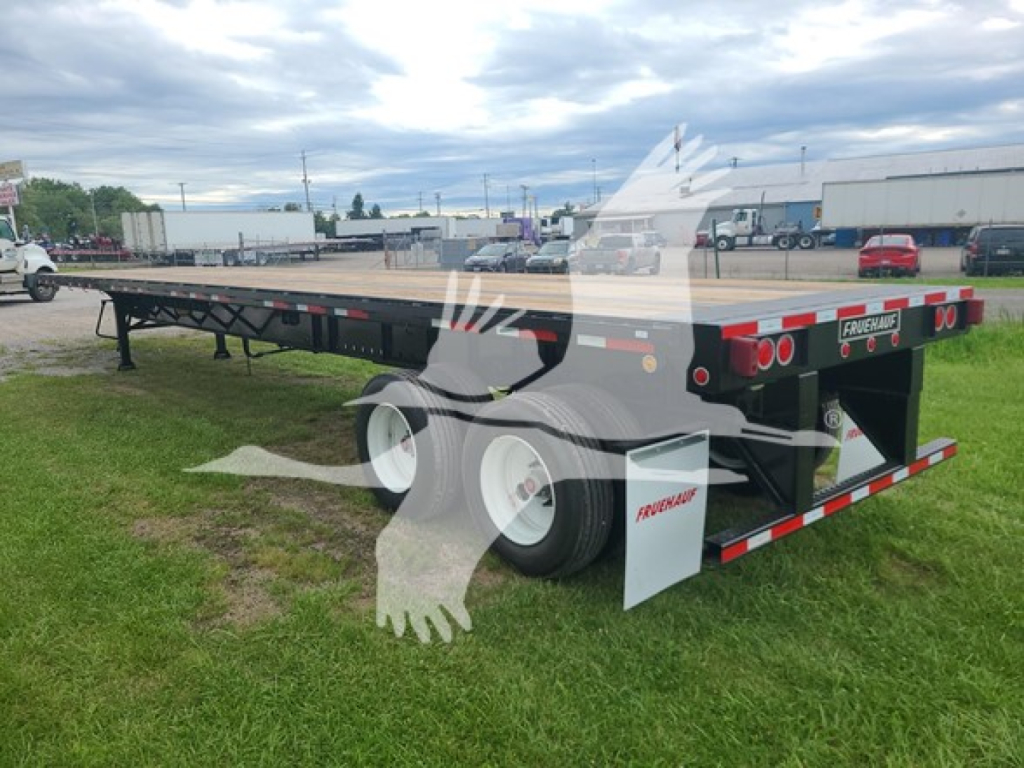
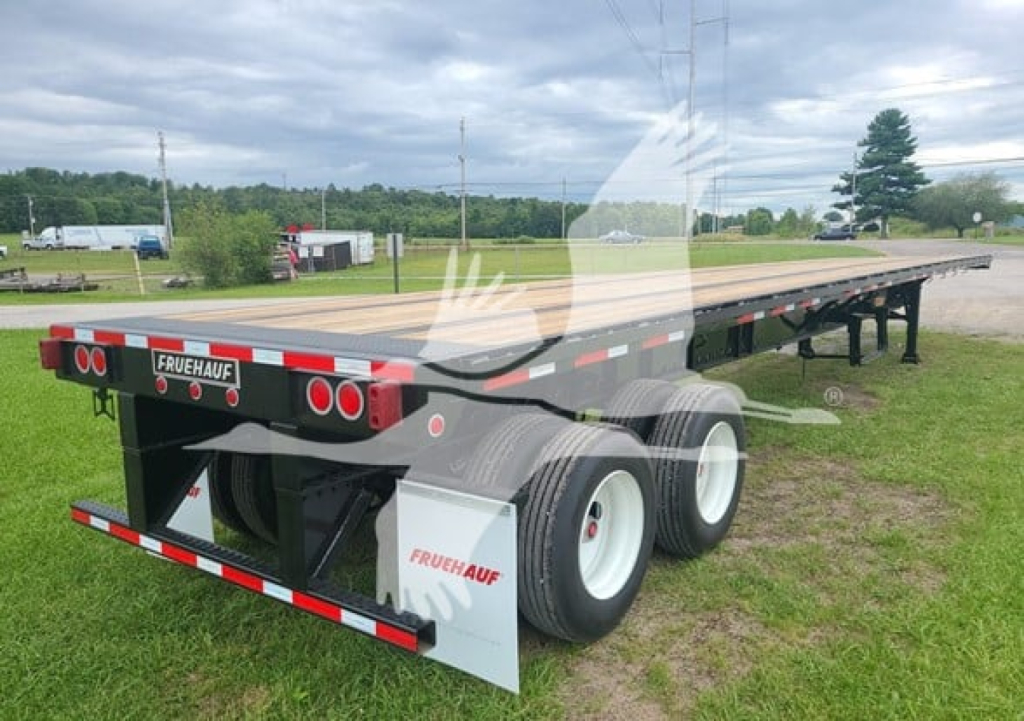
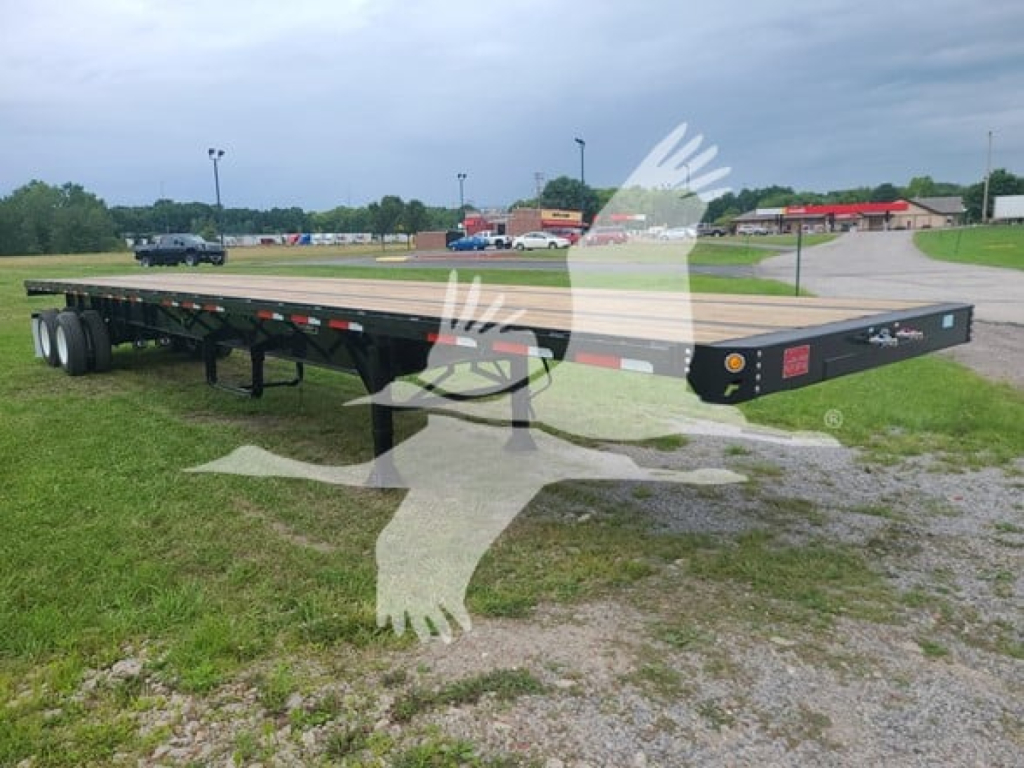
Showing 193 to 204 of 205 results
Have flatbed trailer to sell? List it here to reach thousands of buyers.
About Flatbed Trailers in Pennsylvania
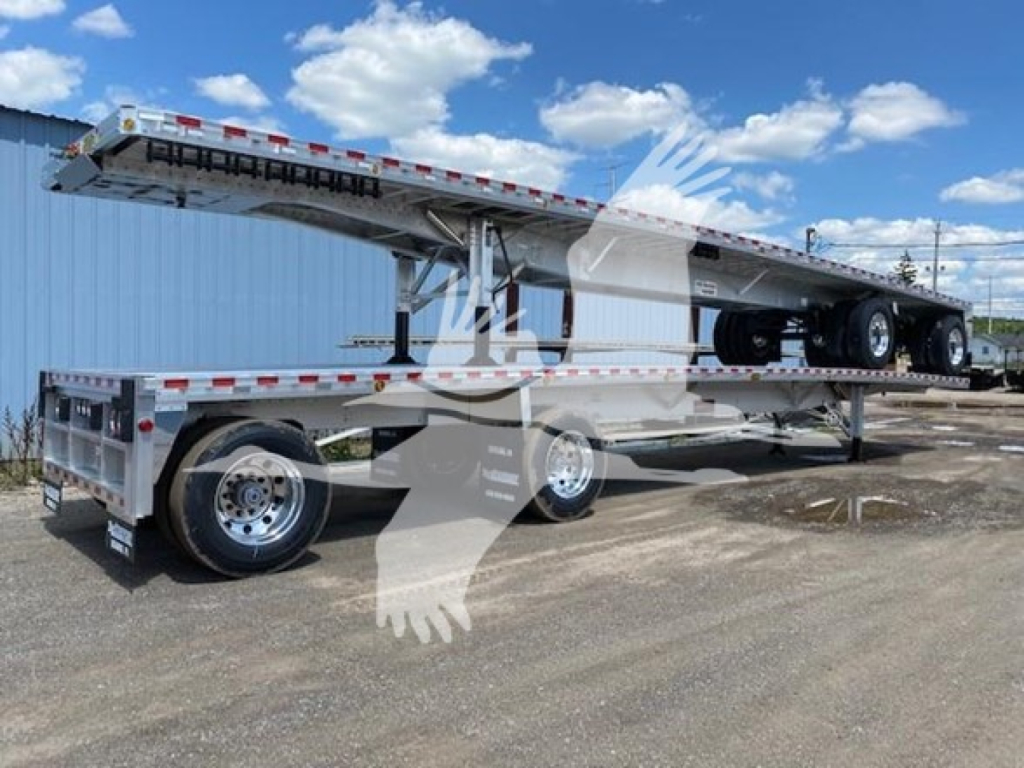
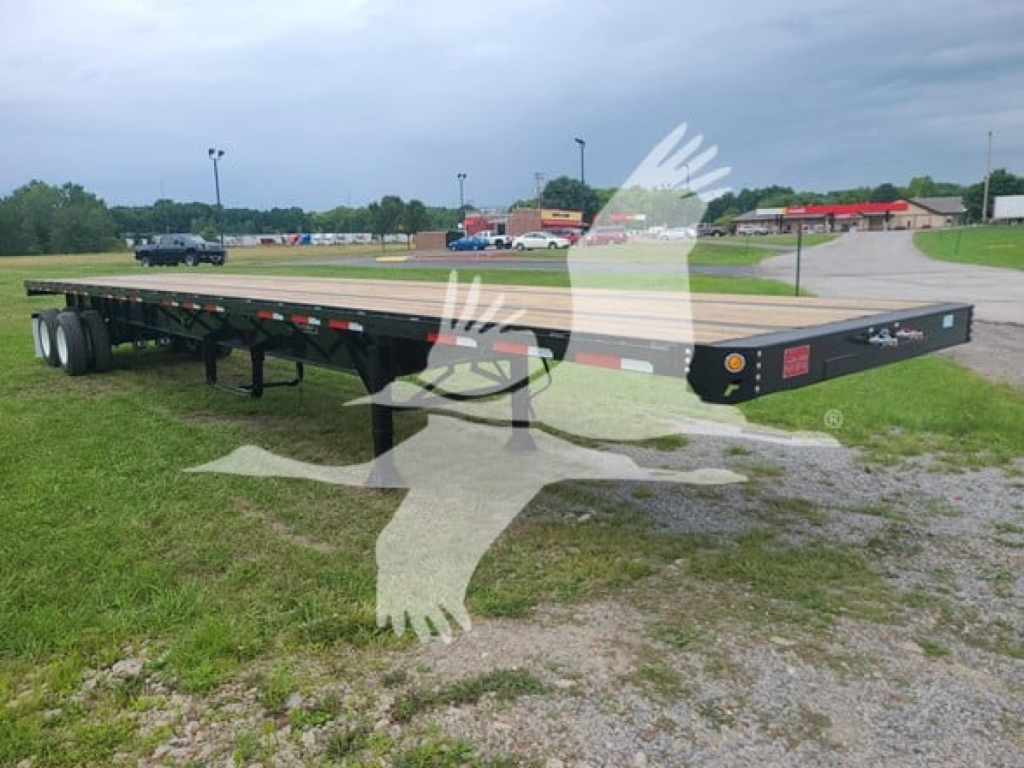
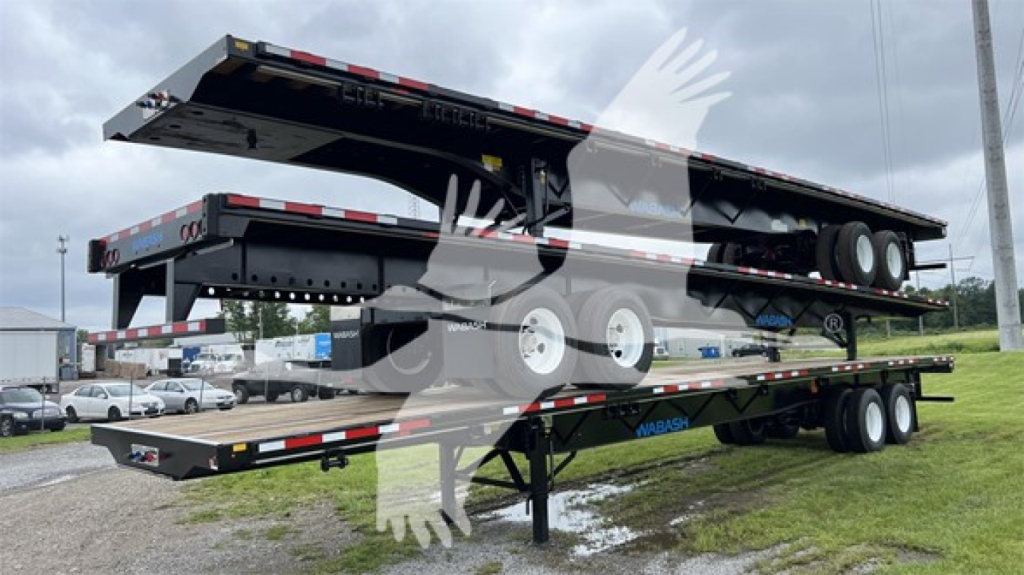
Material choice is a major split in this category. Aluminum flatbed trailers are favored when payload matters, often coming in roughly 3,000 pounds lighter than comparable steel models, depending on build. Steel flatbeds trade that weight advantage for a lower upfront cost and a frame that some fleets prefer for tougher jobsite service. Floor design also matters. Aluminum floors reduce weight, while Apitong nailing strips or full wood floors can be easier on certain cargo and simplify securement. Common features include stake pockets, pipe spools, sliding winches, winch tracks, side rails, and mini coil packages with extra crossmembers. For buyers hauling steel coils, machinery, or concentrated loads, crossmember spacing, rated capacity in 4 feet or 10 feet, and the presence of a coil package are more important than the basic GVWR number alone.
Suspension and axle layout affect both compliance and day-to-day usefulness. Air ride is the dominant suspension in modern flatbeds because it improves ride quality for sensitive freight and helps reduce cargo shift compared with spring ride. Tandem axles are standard, with fixed spread, sliding spread, and sliding tandem setups all common depending on bridge law needs and lane profile. A 10-foot-2 spread is frequently seen on 48-foot trailers, while some 53-foot models use a sliding rear axle or closed spread arrangement to help with California legal settings and broader routing flexibility. Kingpin setting, landing gear spec, dump valves, and tire setup deserve close attention because they affect tractor compatibility, turning clearance, and serviceability across a mixed fleet.
A good flatbed spec is built around the freight, not just the price tag. Buyers should compare empty weight, deck length, concentrated load ratings, crossmember centers, tire and wheel spec, brake type, and securement hardware before narrowing options. Disc brakes, tire inflation systems, toolboxes, dunnage rack provisions, and full-length winch tracks can add real value in high-mile or multi-stop service. For Pennsylvania operators running short steel hauls one day and building products the next, a versatile open-deck trailer with the right securement package and axle spacing usually delivers the best return over time.
Frequently Asked Questions
What is the difference between an aluminum flatbed trailer and a steel flatbed trailer?
An aluminum flatbed trailer is typically lighter, which increases legal payload and can improve revenue on weight-sensitive freight. A steel flatbed trailer usually costs less upfront and is often chosen for heavy-duty service where buyers prioritize frame robustness and simpler repair familiarity. The right choice depends on the freight mix, expected annual mileage, and whether payload gain or purchase price matters more to the operation.
Is a 48-foot or 53-foot flatbed trailer better for Pennsylvania hauling?
A 48-foot flatbed remains the most common general-purpose size and fits a wide range of regional freight, including steel, machinery, and construction materials. A 53-foot flatbed adds deck space for longer or more varied loads, but the buyer should confirm bridge law, axle spacing, and route requirements before committing. The better option depends on freight dimensions, shipper requirements, and the states where the trailer will regularly run.
What should I look for in a flatbed trailer for hauling steel or concentrated loads?
For steel service, the important details are concentrated load ratings, coil package design, crossmember spacing, side rail strength, and securement hardware. A mini coil package with extra crossmembers helps support dense loads, while winch tracks, sliding winches, pipe spools, and stake pockets improve tie-down flexibility. Buyers should also review capacity ratings in short sections such as 4 feet and 10 feet, because those numbers are often more meaningful than overall trailer capacity for dense freight.
Why does axle configuration matter on a flatbed trailer?
Axle configuration affects bridge compliance, weight distribution, tire wear, and how easily the trailer can be positioned for different loads. Fixed spread axles are common for stability and weight distribution, while sliding tandem or sliding spread setups give more flexibility for route compliance and loading patterns. The best layout depends on where the trailer will operate, how often freight weights vary, and whether the fleet needs to adapt to multiple state regulations.
Are air ride suspensions standard on flatbed trailers?
Air ride suspension is very common on modern flatbed trailers because it offers better ride quality and helps protect cargo from excessive shock and vibration. It is especially useful for machinery, finished products, packaged building materials, and other freight that benefits from a smoother ride. Buyers should still confirm the suspension brand, axle rating, dump valve setup, and maintenance history because those details affect long-term reliability as much as the suspension type itself.