
Flatbed Trailers For Sale in Illinois
Shop flatbed trailers for sale in Illinois. Compare 48-ft and 53-ft aluminum and steel specs, axle setups, securement features, and payload options.
Learn moreBrowse Flatbed Trailers by Make

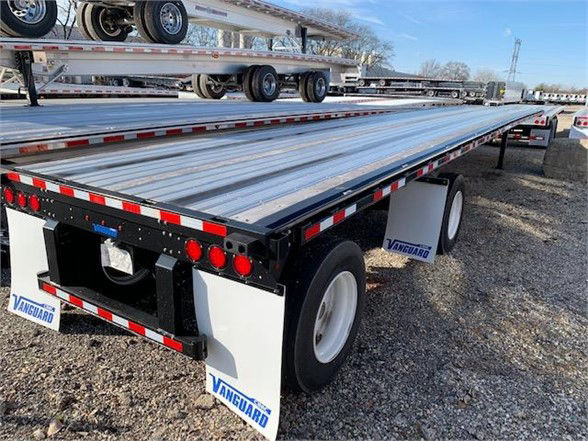
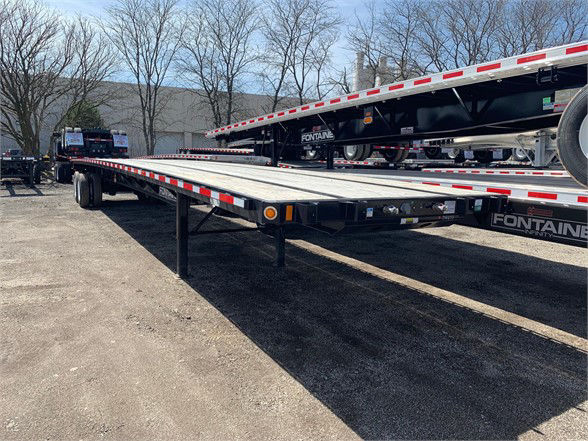
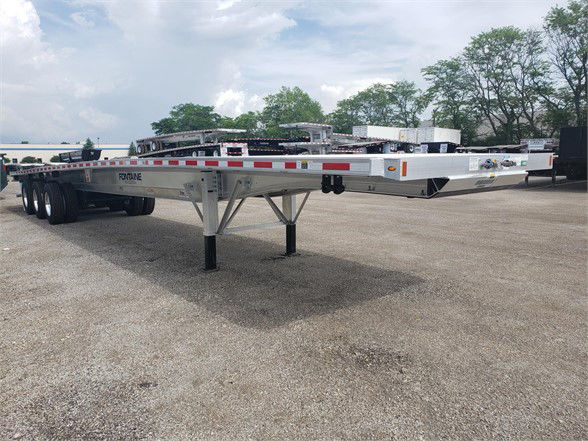
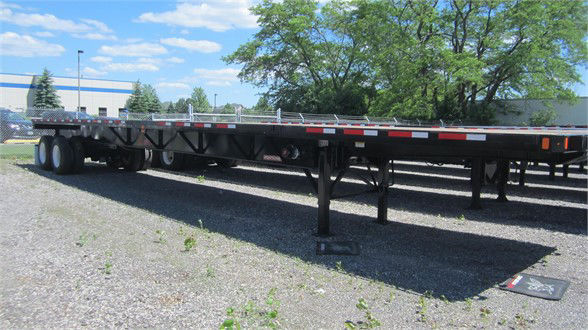
Showing 25 to 36 of 37 results
Have flatbed trailer to sell? List it here to reach thousands of buyers.
About Flatbed Trailers in Illinois
Aluminum flatbed trailers are especially popular when payload matters. An all-aluminum 48-foot spread axle trailer can come in at a notably lighter tare weight than a comparable combo or steel design, which helps on dense freight and multi-stop work where every pound counts. A 53-foot aluminum flatbed gives more deck space for longer building materials, machinery, and mixed commodity loads, but buyers should pay close attention to axle spread, sliding rear axle options, and California-legal settings if interstate routing matters. Air ride suspension remains the preferred spec for many operations because it reduces cargo shock on steel products, crated freight, and higher-value loads. Floor construction also matters more than many first-time buyers expect. Aluminum floors, including advanced welded designs, can cut weight and improve corrosion resistance, but they should be matched to the type of concentrated loading the trailer will see.
Load securement features deserve a close look on any flatbed trailer for sale. Sliding winches, winch tracks on both sides, chain spools, multi-position tie-down points, stake pockets, and routed side rails all affect how fast drivers can secure freight and how versatile the trailer is across commodity types. Common spec items such as dunnage racks, toolboxes, coil package options, rear filler plates, extra lighting, and tire inflation systems can make a real difference in day-to-day uptime. Recessed lighting and protected conspicuity tape areas are also worth noting, especially for trailers that spend a lot of time in steel yards, job sites, and winter road conditions common across Illinois.
Used flatbeds can be a strong value if the frame, crossmember area, floor condition, suspension, and wheel-end maintenance history check out. On aluminum trailers, buyers should inspect deck wear, rail damage, prior repairs, and signs of concentrated overload stress. On any flatbed, it is smart to verify axle spacing, kingpin setting, landing gear condition, brake life, tire condition, and the presence of the securement equipment your freight actually requires. A flatbed trailer that looks similar on paper can perform very differently depending on tare weight, deck design, spread configuration, and securement package, so the best choice is usually the one built around your cargo profile, your legal routing, and how your drivers load and tarp in the field.
Frequently Asked Questions
What is the difference between a 48-foot and 53-foot flatbed trailer?
A 48-foot flatbed is often favored for heavier, denser freight because it can offer a lower tare weight and simpler maneuverability while still handling most standard open-deck work. A 53-foot flatbed provides more deck space for longer freight, mixed loads, and certain building products, but it may add weight and requires closer attention to axle configuration, bridge compliance, and state length rules depending on the route.
Why do many buyers prefer an aluminum flatbed trailer?
Aluminum flatbed trailers are popular because they reduce trailer weight and can increase legal payload on freight that weighs out before it cubes out. They also resist corrosion well, which matters in Midwest service where trailers see road salt, moisture, and year-round exposure. The tradeoff is that buyers should pay close attention to floor design, repair quality, and how the trailer has been loaded over time, especially on used units.
What axle setup is best on a flatbed trailer?
The right axle setup depends on freight, lanes, and loading practices. A spread axle flatbed is common because it can improve weight distribution and legal payload in many applications. A sliding spread adds more flexibility for bridge law compliance and route-specific requirements, but it also adds complexity and some weight. Tandem and fixed spread setups are still widely used where freight is consistent and operating lanes are predictable.
What securement features should I look for on a flatbed?
The most useful securement features depend on the commodities hauled, but many buyers prioritize sliding winches, double-sided winch tracks, stake pockets, chain tie-down points, coil package capability, dunnage storage, and toolboxes. These features affect loading speed, driver convenience, and the range of freight the trailer can handle. A trailer with the right securement package can reduce workarounds in the field and help keep loads compliant and properly balanced.
What should I inspect on a used flatbed trailer before buying?
A used flatbed should be evaluated for frame condition, floor wear, rail damage, suspension condition, brake life, tire wear, wheel-end service history, and signs of prior structural repairs. On aluminum trailers, inspect for cracks, patched areas, gouging, and localized fatigue around high-stress zones. It is also important to confirm axle spacing, kingpin setting, landing gear operation, and whether the trailer includes the winches, racks, boxes, and tie-down hardware needed for the intended work.