
2020 Trailers For Sale in Pennsylvania
Shop 2020 trailers for sale in Pennsylvania, including flatbed, lowboy, and dry bulk designs with specs that fit regional hauling needs.
Learn morePopular Trailers Categories

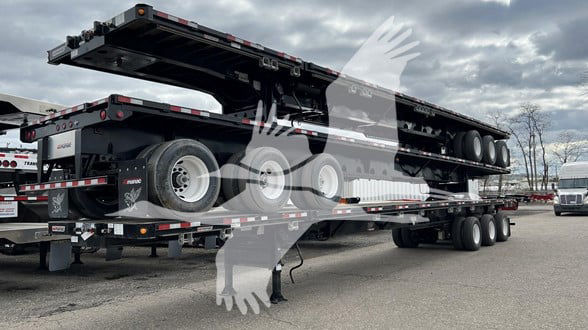
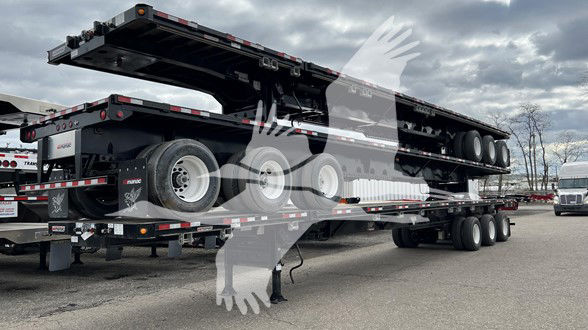
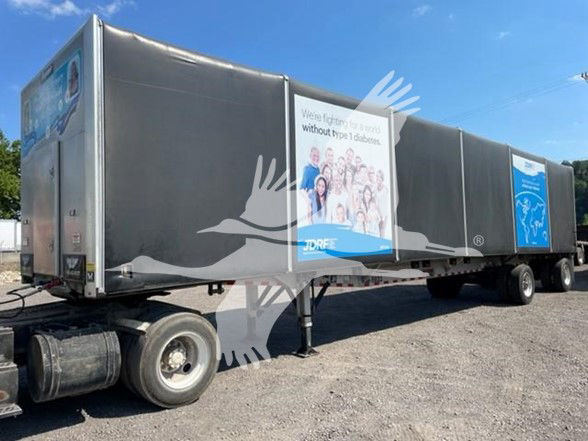
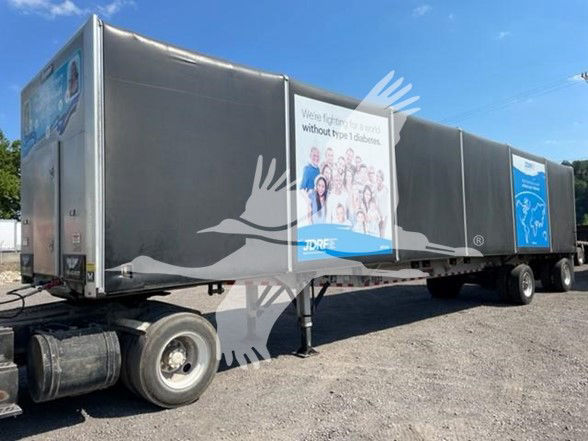
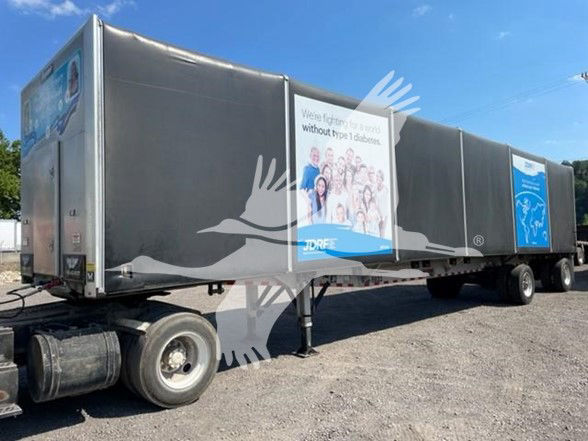
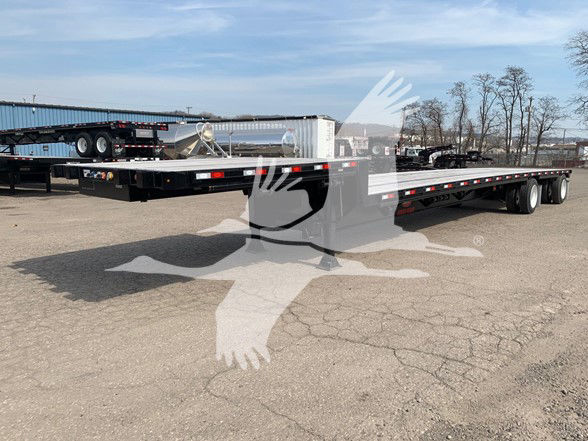
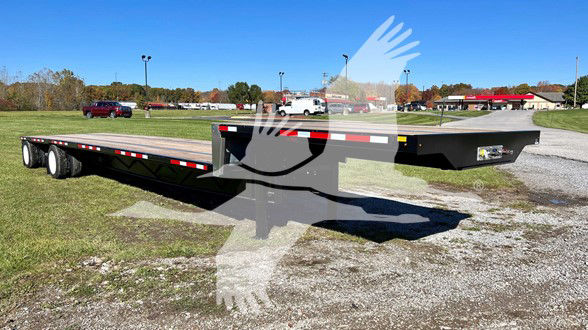
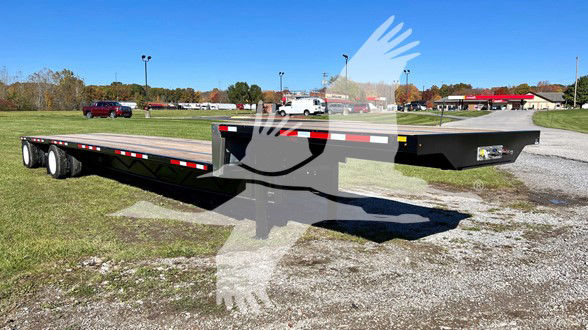
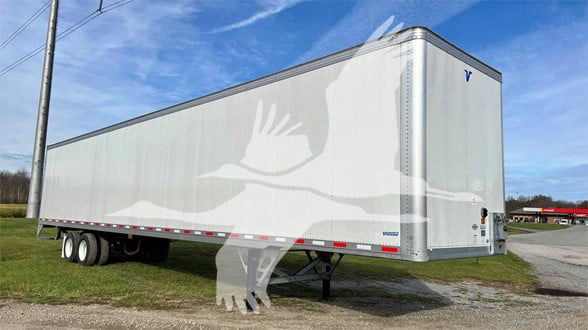
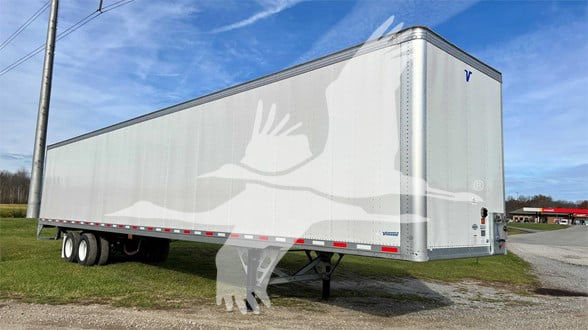
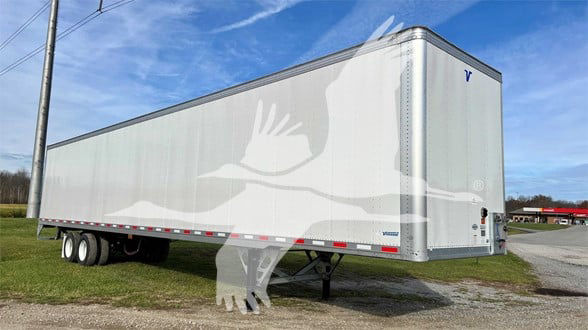
Showing 49 to 60 of 76 results
Have 2020 trailer to sell? List it here to reach thousands of buyers.
About 2020 Trailers in Pennsylvania
The 2020 trailer market covers several distinct trailer types, and the right choice depends on freight first. Flatbeds are common for steel, lumber, machinery, and building products, with buyers typically comparing deck length, axle configuration, kingpin setting, winch track layout, crossmember spacing, and flooring such as Apitong. Extendable flatbeds add flexibility for longer loads, but buyers should inspect extension locks, deck wear at the joints, and slider function closely. Lowboys, also known as lowbed trailers, are built for heavier equipment and are often evaluated by loaded deck height, detachable neck style, outriggers, ramp configuration, axle spacing, and overall payload rating. Pneumatic dry bulk trailers are a different category entirely, where capacity, barrel material, hopper design, piping layout, and blower compatibility drive the buying decision.
Pennsylvania buyers should also think about application-specific wear tied to terrain, bridge laws, and seasonal corrosion exposure. Air ride suspension is common across many 2020 trailer specs because it helps protect cargo and improves ride quality, but the suspension brand, bushing condition, and axle alignment still deserve close attention. On flatbeds and lowboys, look at side rails, tie-down points, D-rings, landing gear, and evidence of concentrated loading. On bulk trailers, inspect discharge plumbing, valves, aeration components, hose tube condition, and signs of moisture contamination or product buildup. Aluminum construction can reduce tare weight, while steel construction often appeals to buyers prioritizing durability and repair familiarity.
The best 2020 trailer choice is the one that matches the freight lane, loading method, and maintenance expectations of the operation. A buyer hauling construction materials may prioritize a durable steel flatbed with sliding winches and a wood floor, while an equipment hauler may need a detachable lowboy with swing clearance and outriggers. A bulk operator may focus on cubic foot capacity, clean discharge, and lightweight aluminum construction. Before buying, verify VIN history, title status, brake and tire dates, wheel-end condition, and any signs of frame repair or uneven wear. On a 2020 unit, those details will tell you far more about remaining value than the calendar year by itself.
Frequently Asked Questions
What should I check first on a 2020 used trailer?
Start with the structural and running gear items that are expensive to correct. Check the frame for cracks, repairs, rust scaling, or bent crossmembers. Inspect suspension components, axle alignment, brake lining life, drum or rotor condition, wheel seals, tire dates, and uneven tire wear. On trailers with wood floors, look for rot, delamination, or fastener pull-through. On specialized trailers, inspect the systems that define the trailer's job, such as extension locks on a stretch flatbed, the neck and outriggers on a lowboy, or valves and piping on a pneumatic trailer.
Is a 2020 trailer still a good age for commercial use?
Yes, a 2020 trailer is often considered a practical age for buyers who want modern specs and useful remaining service life. Many 2020 trailers were built with current suspension, lighting, flooring, and cargo-control features that still fit today’s freight demands. The deciding factor is not the age alone but maintenance history, corrosion exposure, original build quality, and whether the trailer was used in a duty cycle that matches your own operation.
What trailer types are common in the 2020 used market?
The 2020 market commonly includes flatbeds, extendable flatbeds, lowboys, dry vans, reefers, dumps, and pneumatic dry bulk trailers. Each type serves a different freight profile. Flatbeds handle general open-deck freight, lowboys move heavy equipment, and pneumatic trailers are designed for dry bulk commodities such as cement, lime, or similar powdered materials. Buyers should compare listings by trailer category first, then narrow by dimensions, axle layout, suspension, and material construction.
Are steel or aluminum 2020 trailers better?
Neither material is automatically better because each serves a different operating priority. Steel trailers are often chosen for toughness, familiarity in repair shops, and resistance to concentrated abuse in severe service. Aluminum trailers reduce tare weight and can improve payload efficiency, which is especially important in bulk hauling and weight-sensitive applications. The right choice depends on freight type, expected corrosion exposure, repair strategy, and how closely gross and payload weights affect revenue.
What matters most when buying a 2020 trailer in Pennsylvania?
For Pennsylvania use, corrosion exposure, suspension condition, brake performance, and tire health should be high on the list because trailers often operate through winter road treatment, uneven surfaces, and mixed highway and local delivery conditions. Buyers should also consider legal bridge compliance, axle spacing, and how the trailer handles regional freight such as steel, aggregates, machinery, lumber, and construction materials. A trailer that is correctly spec'd for Pennsylvania roads and freight patterns will usually perform better than a mismatched trailer with a newer appearance.