
Dump Trailers For Sale
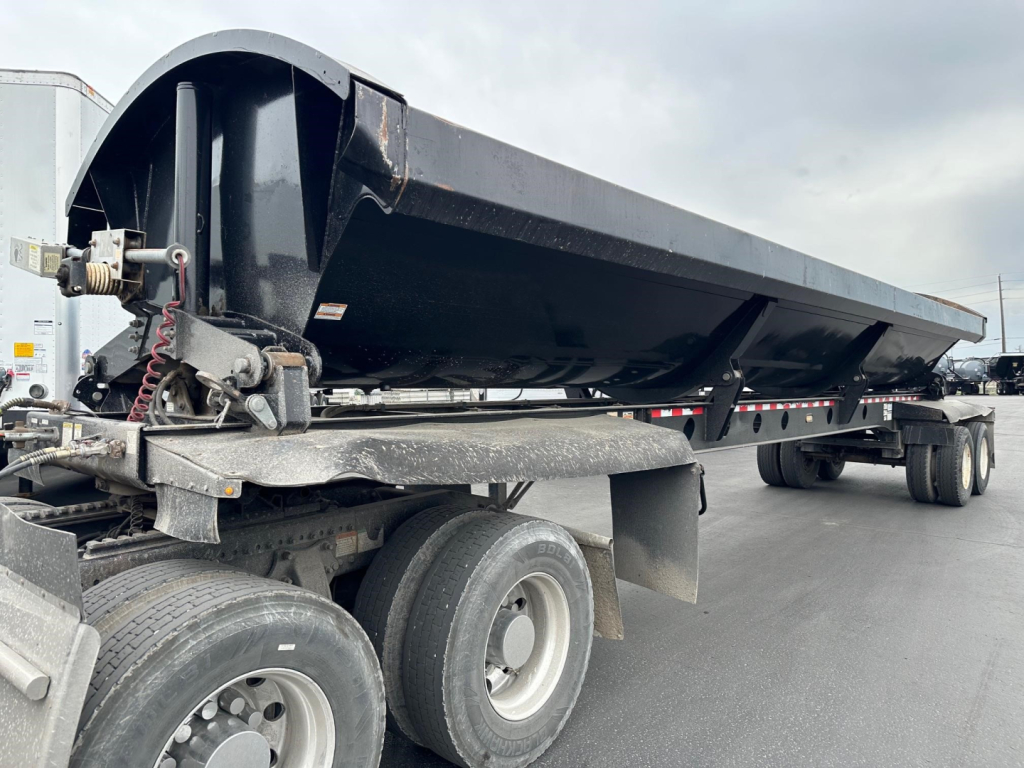
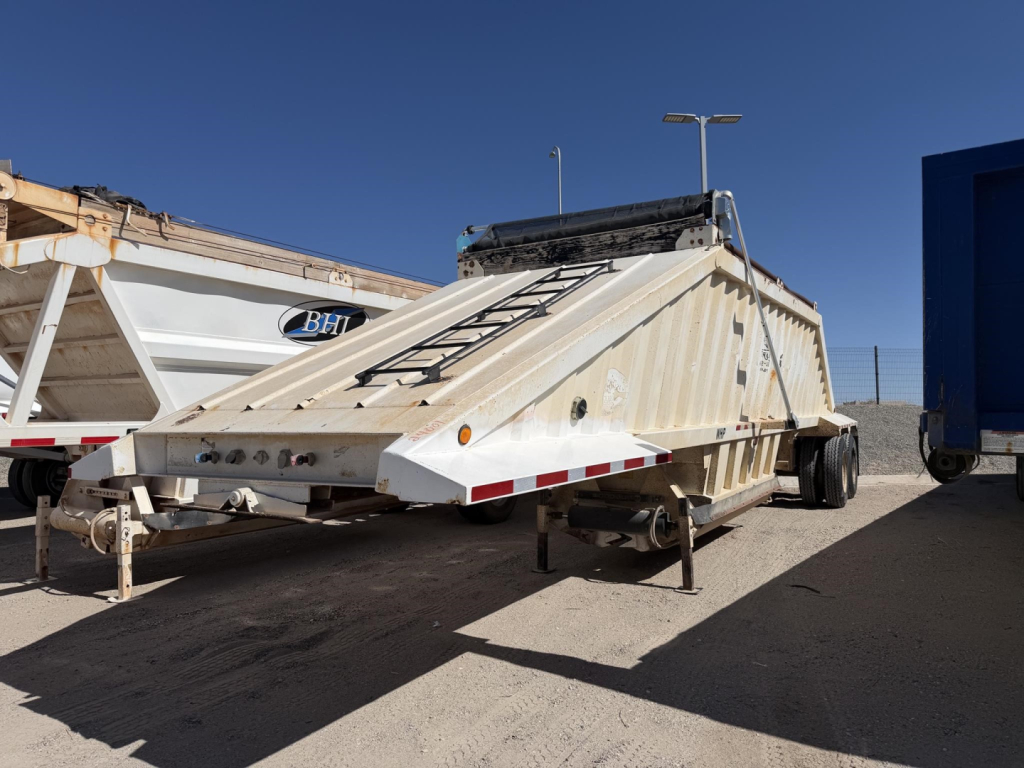
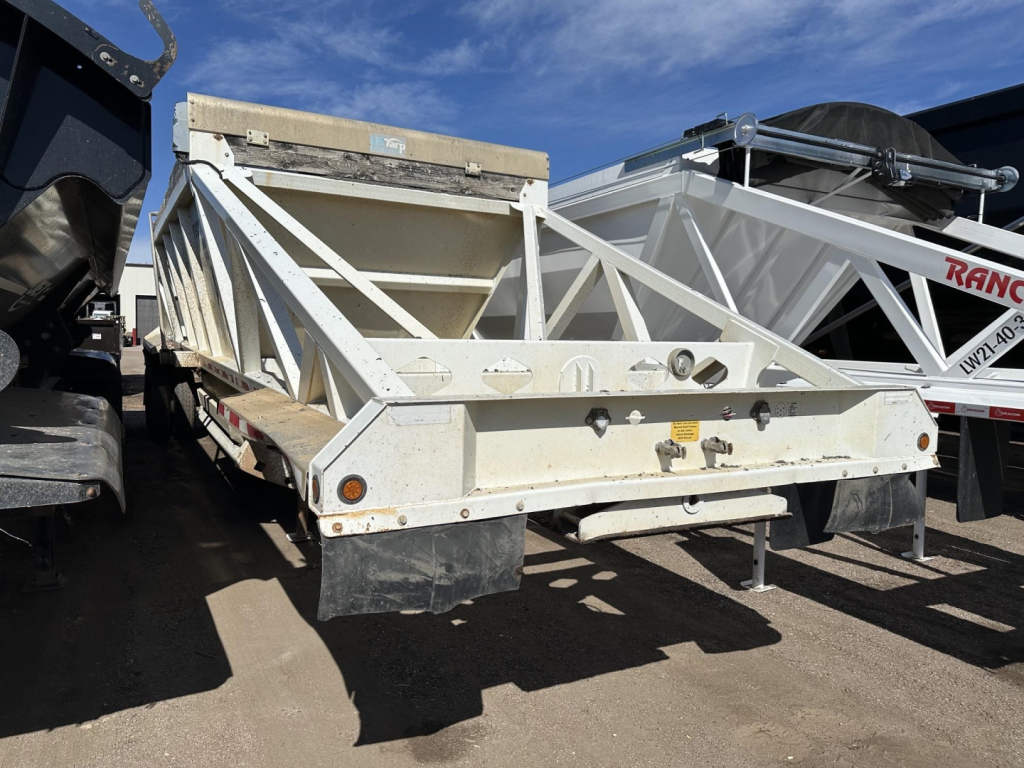
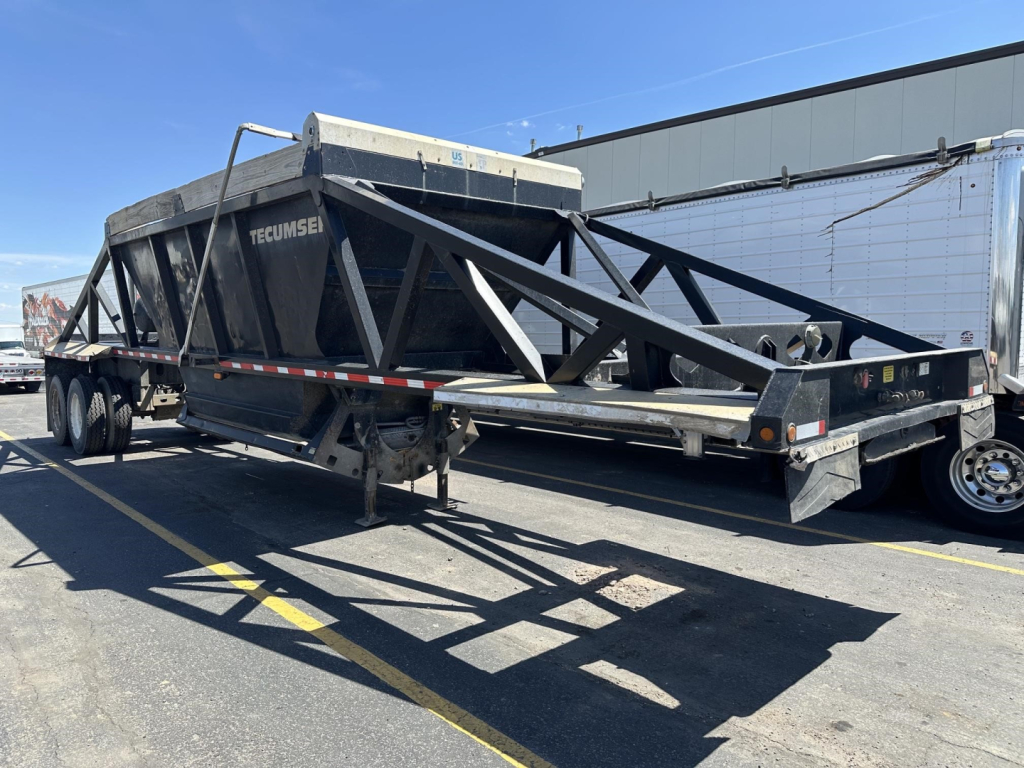
Browse dump trailers for sale, including end dumps, side dumps, and bottom dumps with steel or aluminum bodies for aggregate, scrap, and farm work.
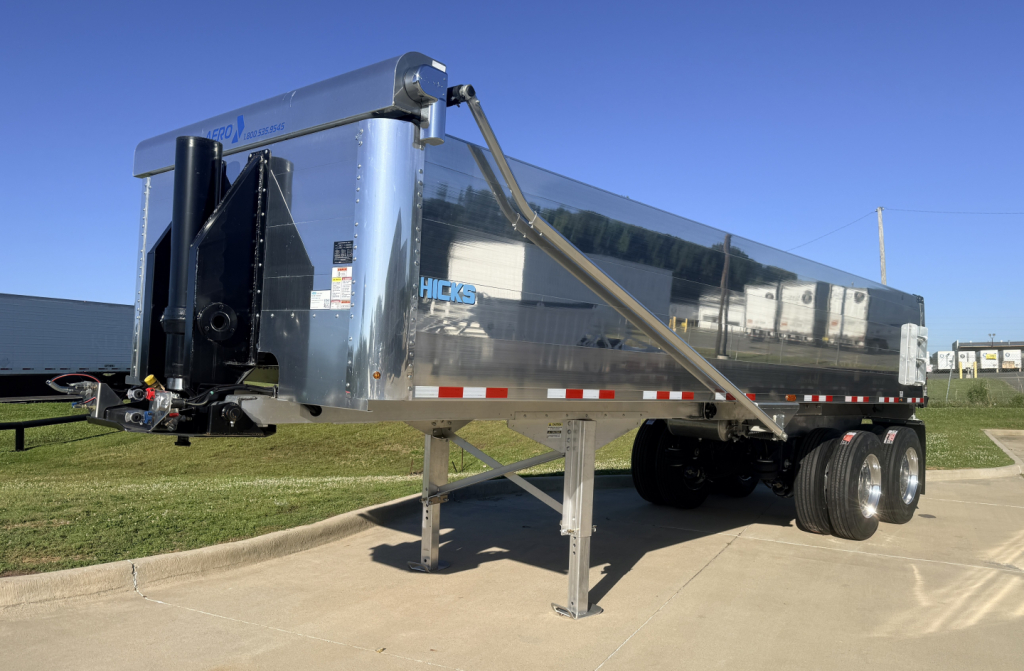
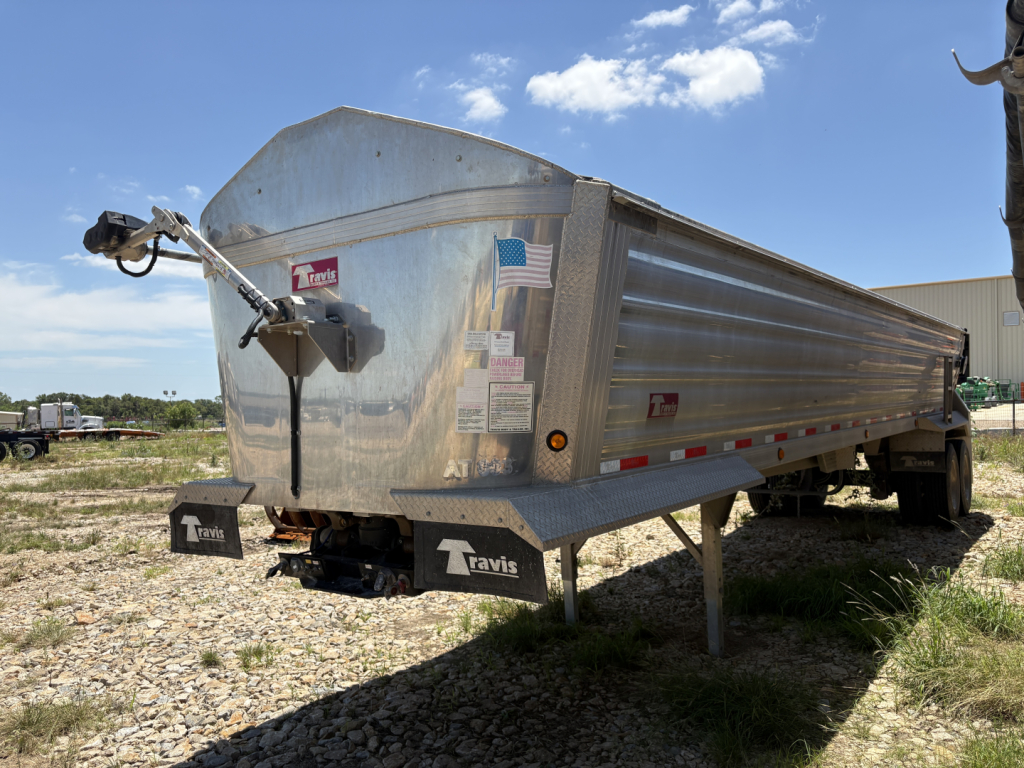
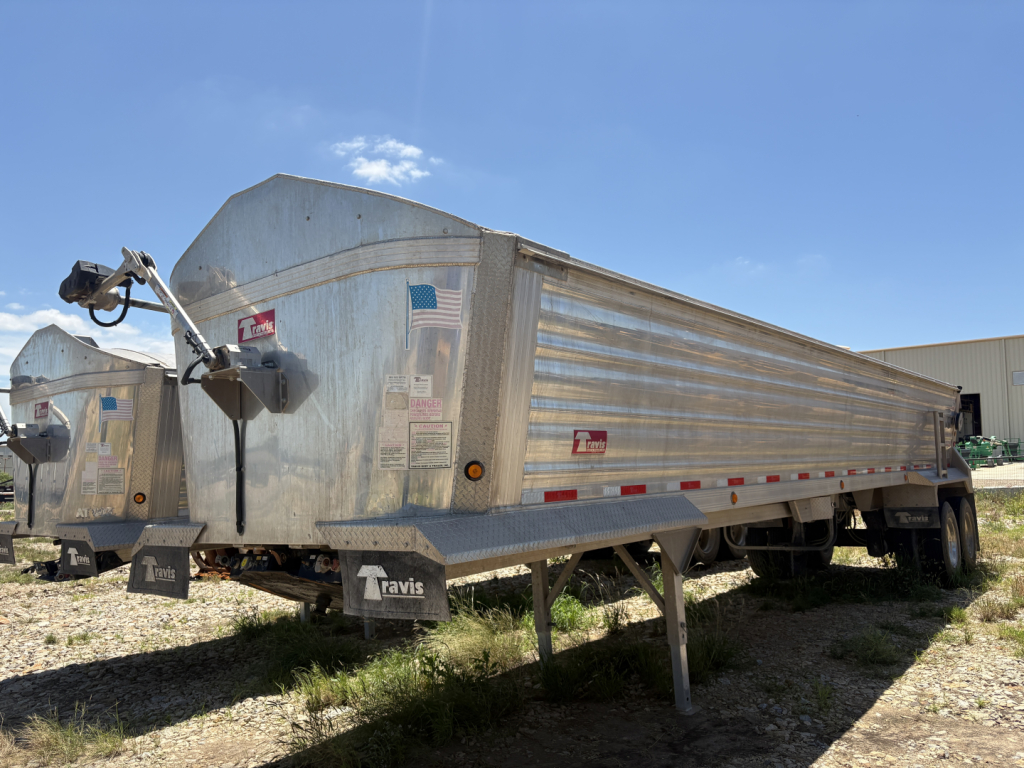
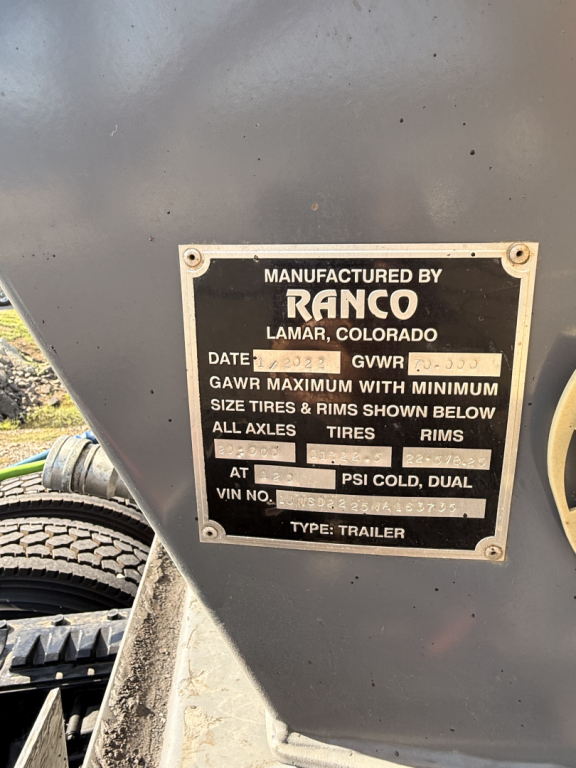
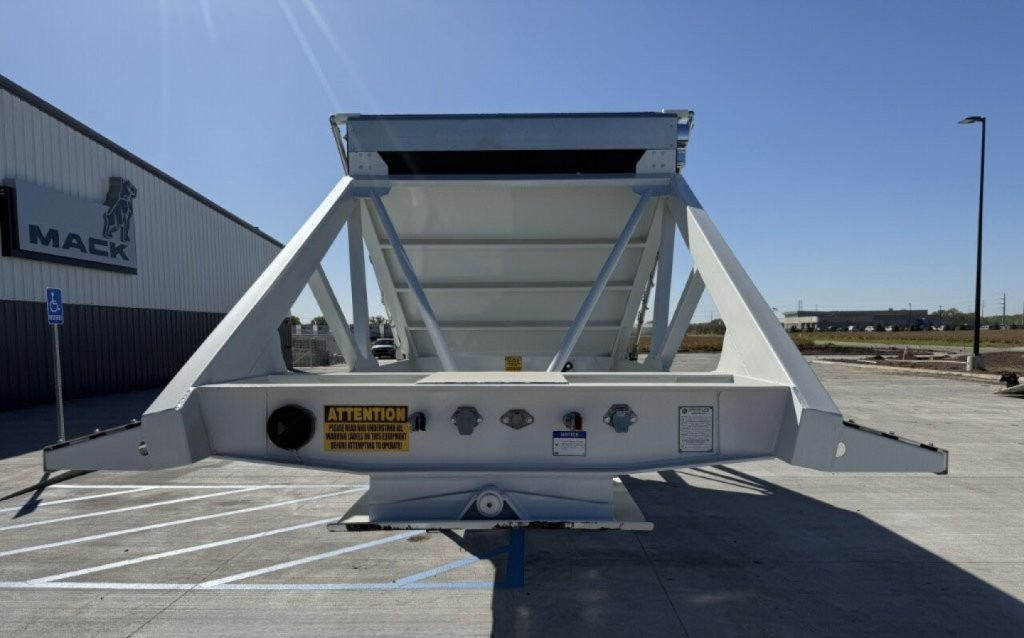
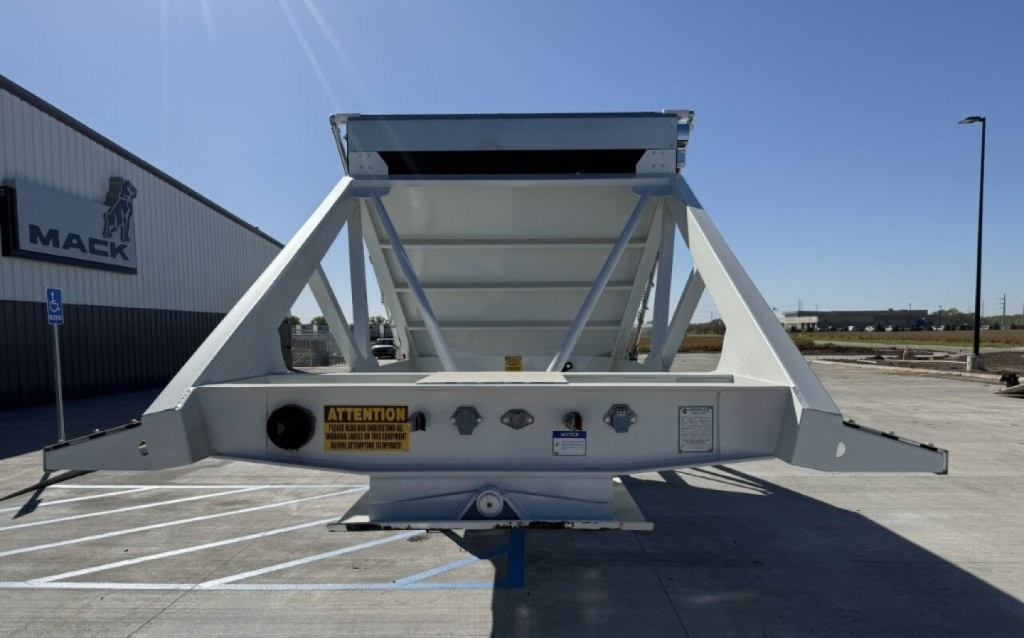
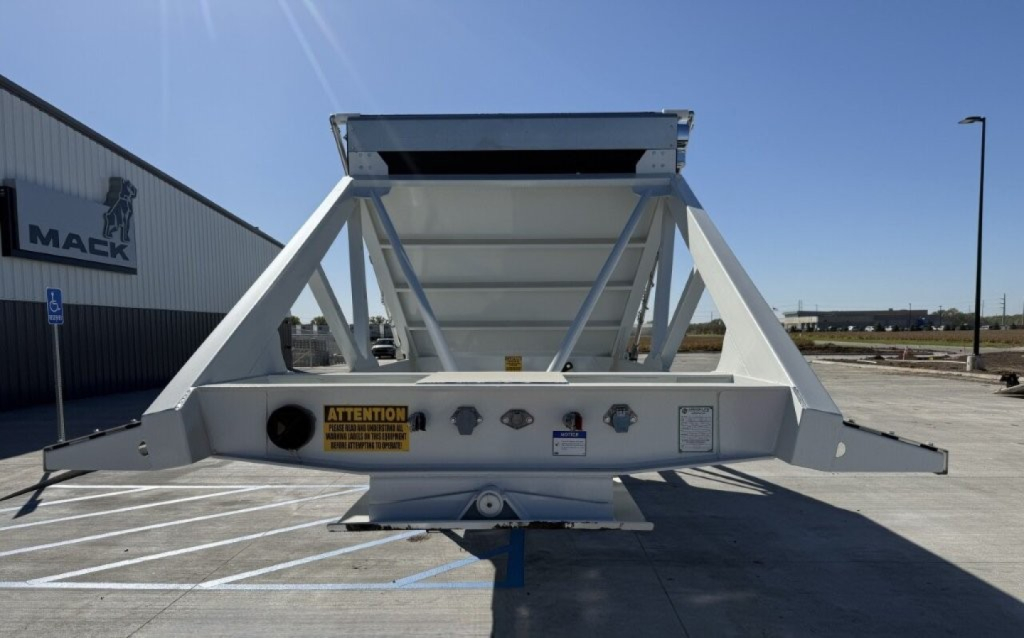
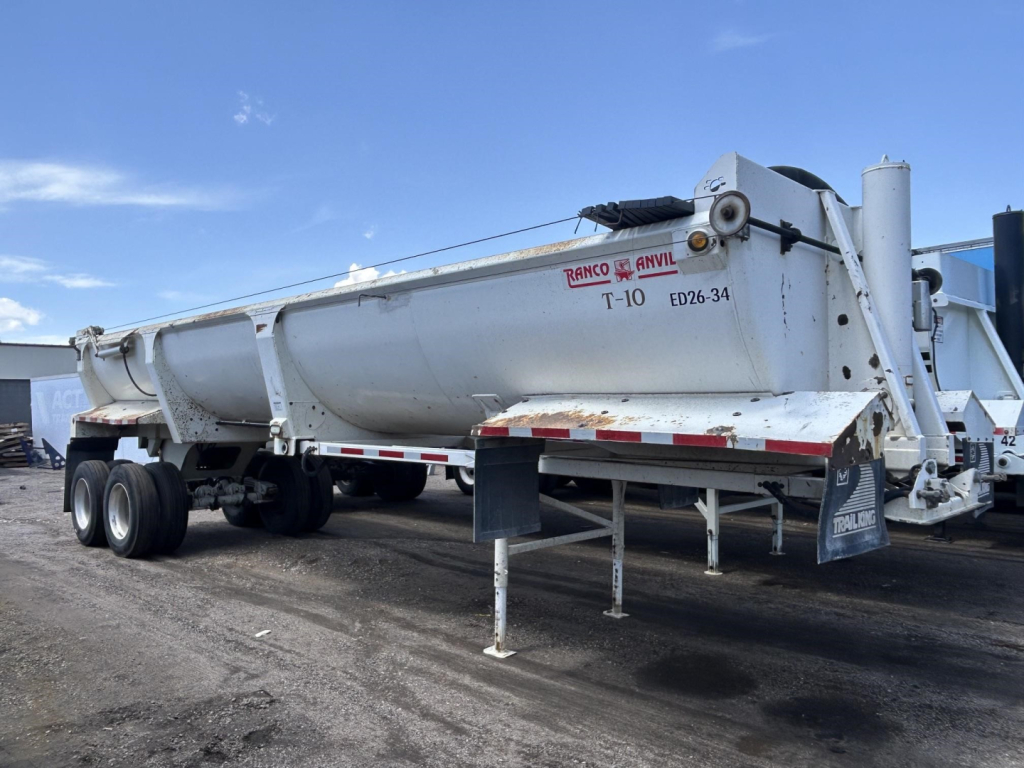
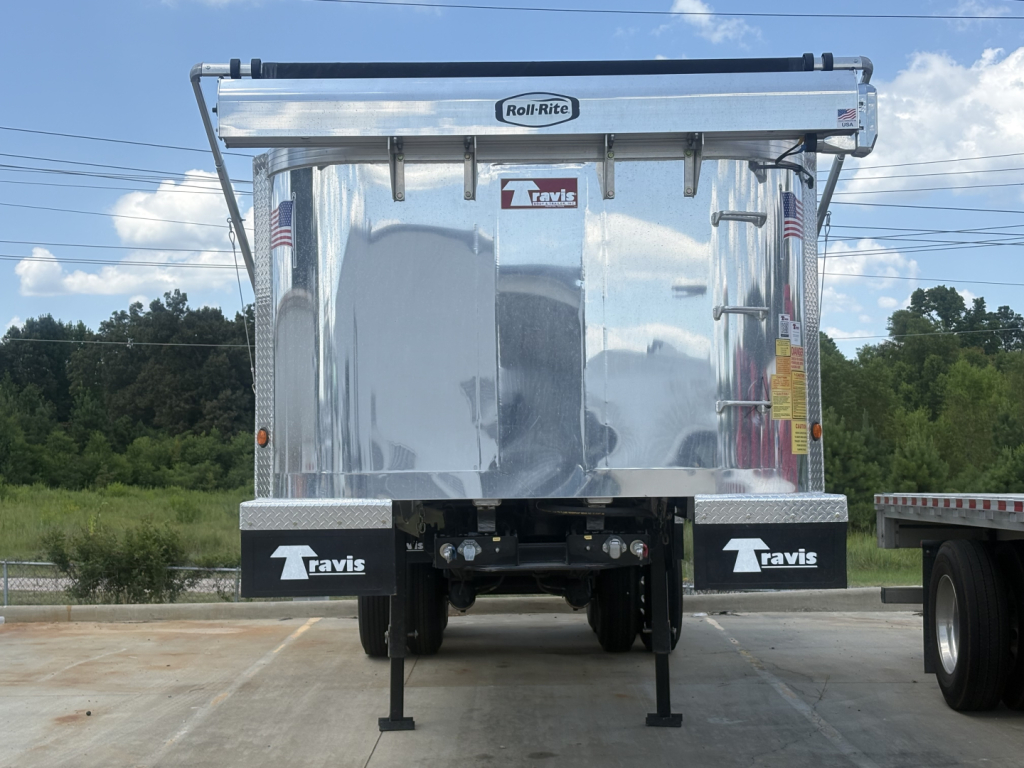
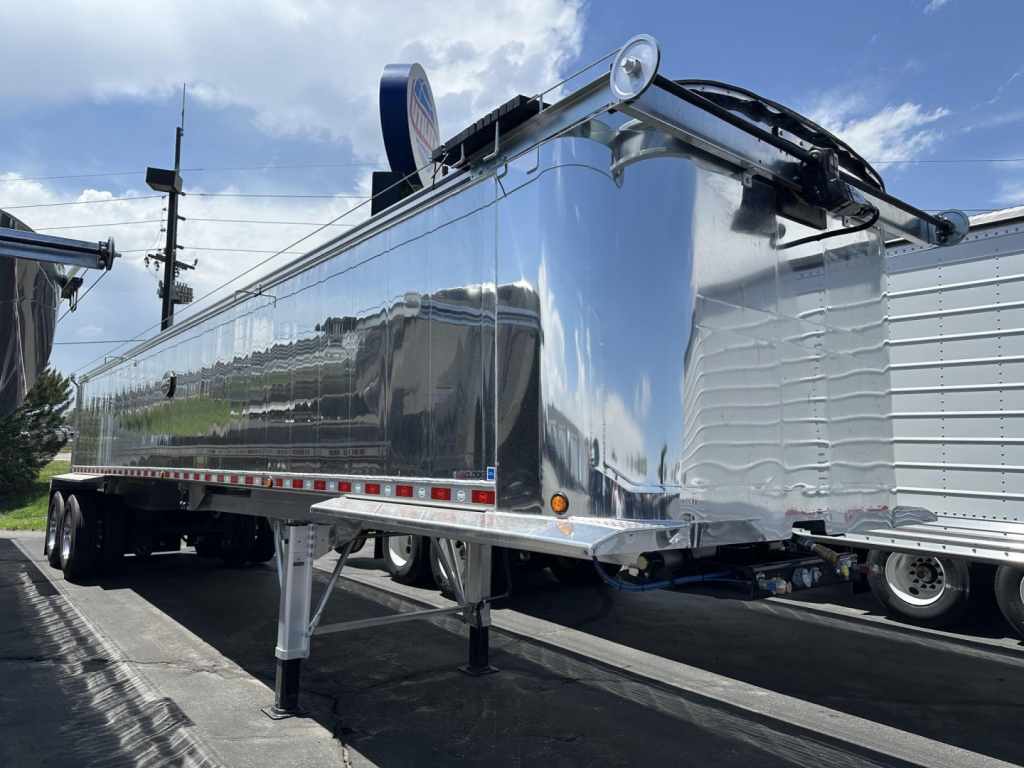
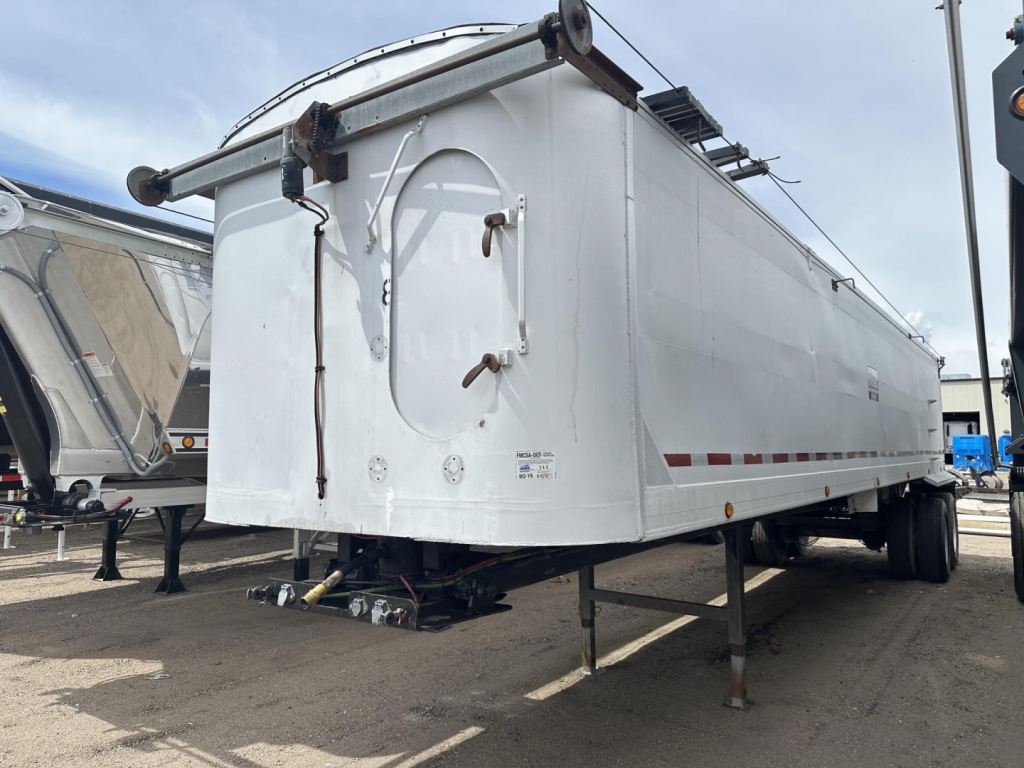
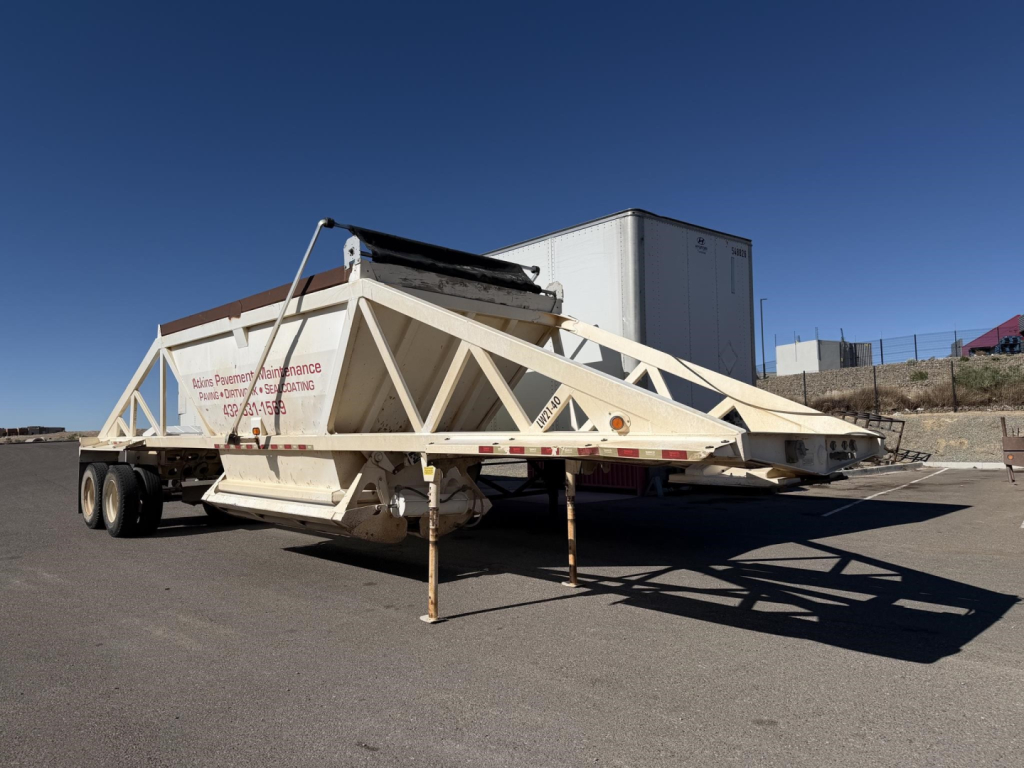
Showing 1 to 24 of 188 results
Have dump trailer to sell? List it here to reach thousands of buyers.
Dump Trailers
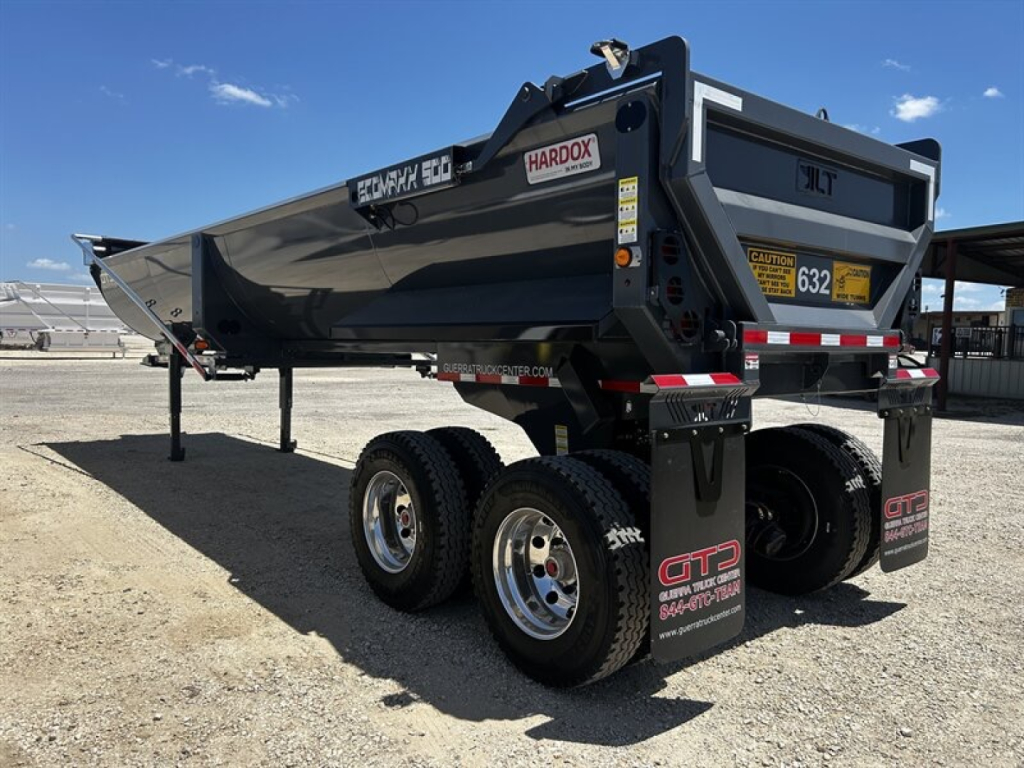
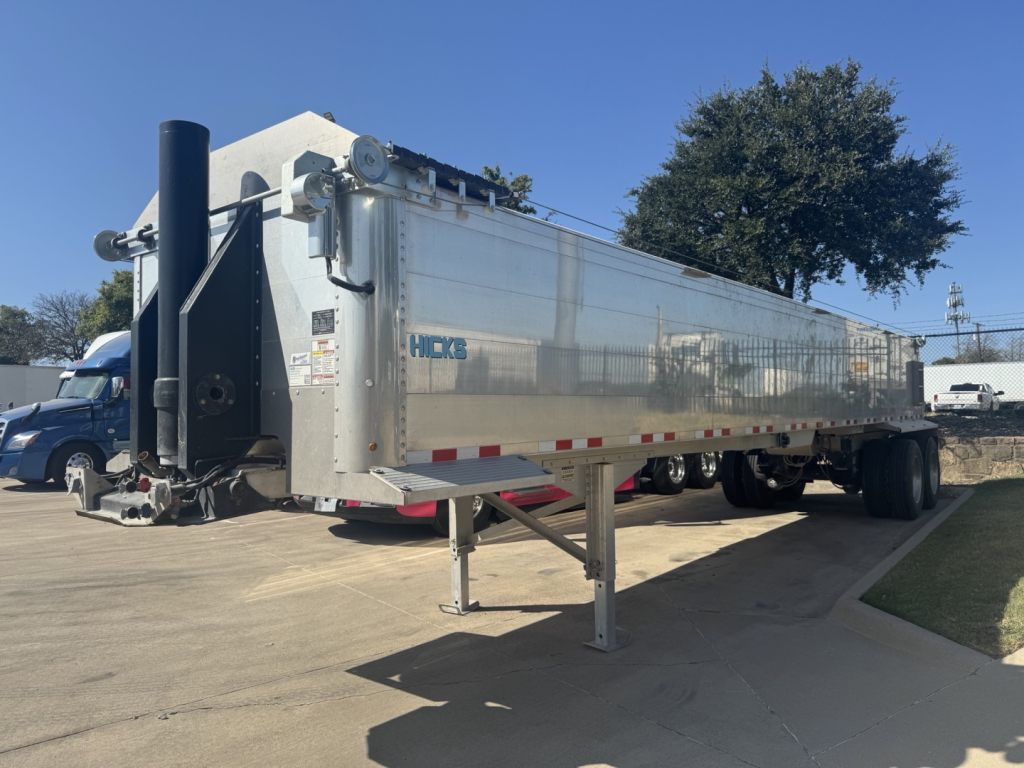
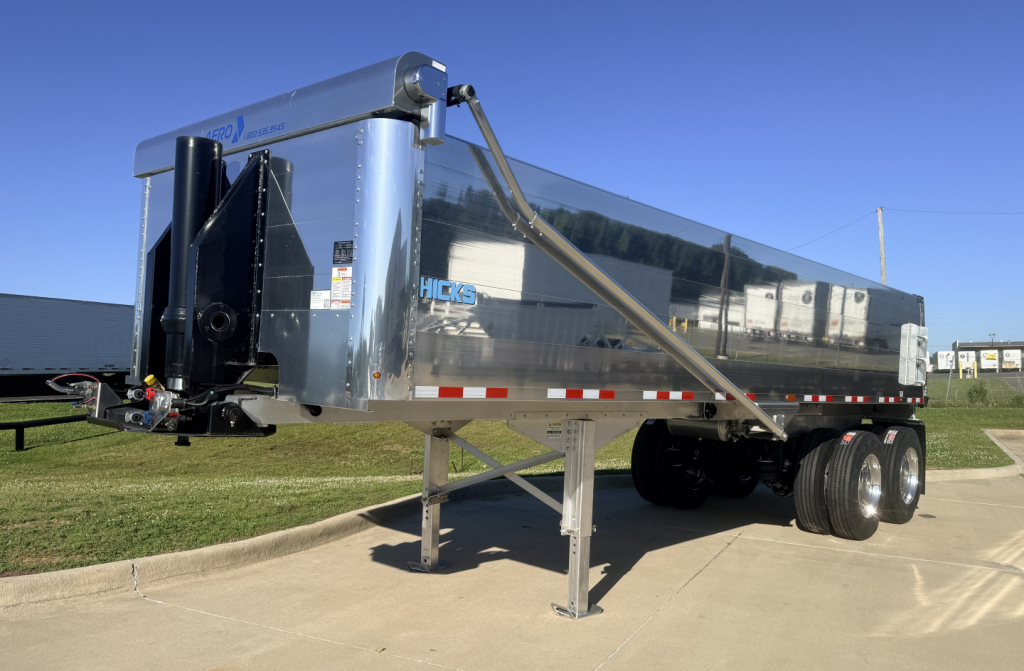
Body construction drives both payload and service life. Aluminum dump trailers reduce tare weight and can make sense in grain, lighter bulk commodities, and operations where every pound of legal payload counts. Steel tubs, especially AR400 or AR450 wear-resistant bodies, are common in rock, asphalt millings, riprap, and abrasive demolition material. Frameless end dumps offer lower empty weight and high cubic capacity, while frame-type dumps can be a better fit for severe-duty applications or fleets that prioritize structural rigidity. Half-round tubs generally shed sticky material better and reduce carryback, while square or quarter-frame designs can suit mixed material and specialized loading requirements.
Spec details matter because dump trailers live hard lives. Common lengths run from the low 30-foot range into 40 feet, with tandem, tri-axle, quad, and train configurations depending on payload targets and state bridge laws. Suspension choices typically come down to air ride, single-point, or spring, and each affects stability, maintenance, and site suitability. Buyers should pay close attention to liner condition, floor thickness, hoist or cylinder setup, gate type, kingpin area, hinge points, crossmember condition, and signs of tub cracking around corners or pivots. Tarp systems, high-lift gates, two-way gates, grain doors, fenders, ladders, and tire inflation systems can all add real day-to-day value depending on the lane.
A good dump trailer spec matches material, route, and unload environment. Rock and demolition work usually push buyers toward steel half-round end dumps or side dumps with abrasion-resistant tubs. Farm and light bulk operators often lean toward aluminum bodies with roll tarps and grain-friendly gate options. Paving and road crews may need bottom dumps with precise gate control, windrow capability, and pup configurations for production hauling. Before buying, compare legal payload potential, center-of-gravity behavior during unload, gate sealing, tire size, brake life, and how the trailer fits your tractor wheelbase and fifth-wheel height. Those details have more impact on uptime and profitability than the badge on the nose.
Frequently Asked Questions about Dump Trailers
What is the difference between an end dump, side dump, and bottom dump trailer?
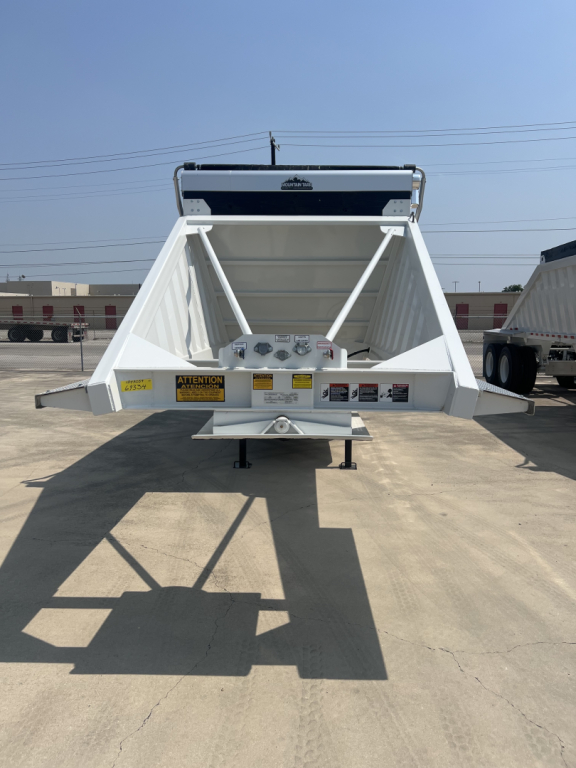
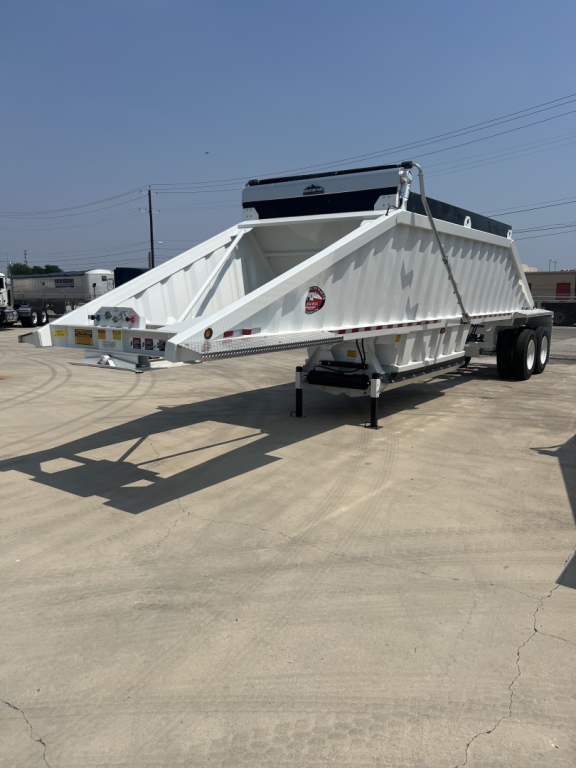
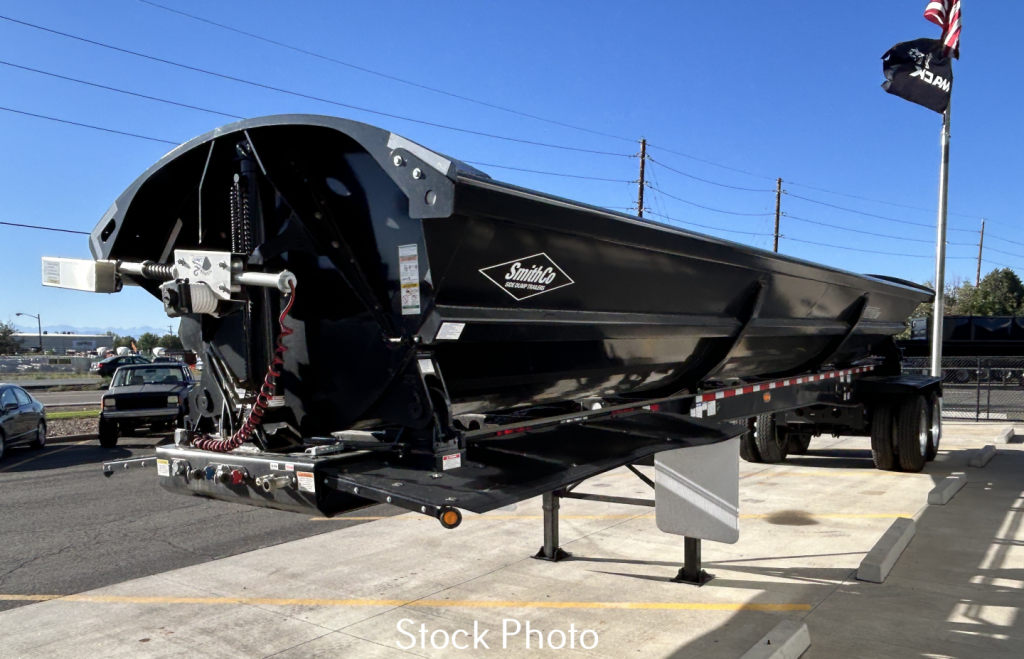
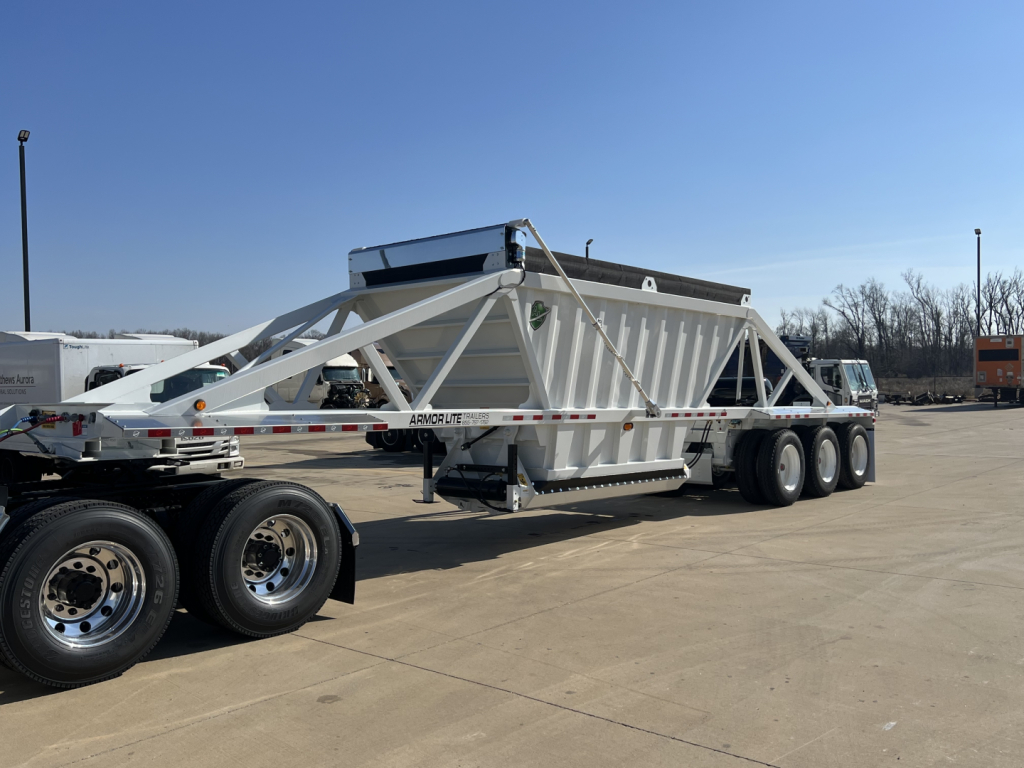
An end dump raises the tub and discharges material out the rear, which makes it versatile for aggregate, scrap, demolition debris, and many bulk materials. A side dump unloads by tipping the tub to one side, which generally improves stability and speeds cycle times on uneven ground. A bottom dump releases material through gates underneath the trailer and is used when operators need controlled spreading for road base, shoulder work, or large-volume aggregate placement.
Is an aluminum or steel dump trailer better?
The better material depends on what you haul. Aluminum dump trailers weigh less, which helps maximize legal payload and can work well for grain, lighter bulk commodities, and some general hauling. Steel dump trailers handle abrasive and high-impact materials better, especially when built with AR400 or AR450 tubs for rock, demolition, and other severe-duty work. Buyers should balance tare weight, expected wear, repair costs, and the type of material loaded every day.
What should I inspect on a used dump trailer?
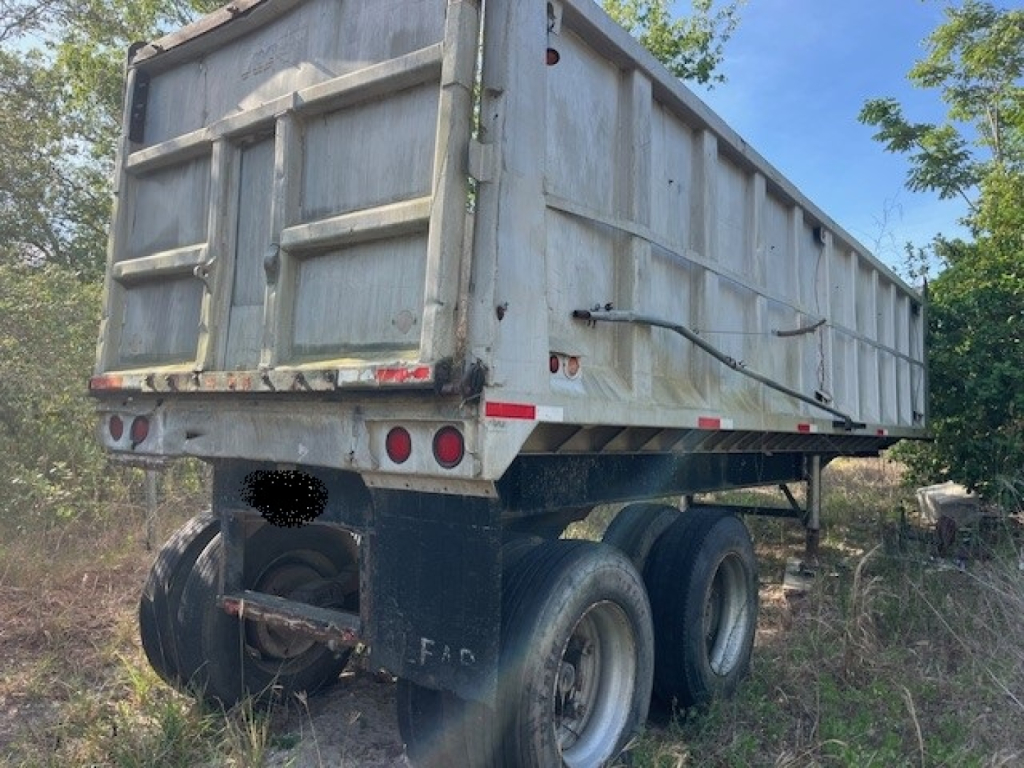
Focus on structural areas first. Check the tub floor, sidewalls, top rail, kingpin plate, draft arms, hinge assembly, suspension mounts, and rear frame for cracks, repairs, or distortion. Inspect the liner, gate operation, tarp system, cylinder or hoist condition, brakes, tires, wheels, and air system. Uneven tire wear, leaking hydraulics, cracked tub corners, and damage around pivot points can indicate expensive repairs or hard use.
What suspension is best on a dump trailer?
Air ride is common for fleets that want better ride quality, less shock to the trailer, and improved protection for components on highway lanes. Single-point and spring suspensions are often chosen for rugged jobsite use, simpler maintenance, and durability in severe service. The right suspension depends on how much time the trailer spends on rough haul roads versus paved routes, and how important ride quality is for the material and operating conditions.
Why do buyers choose half-round dump tubs?
Half-round tubs are popular because they unload cleanly and reduce material hang-up, especially with wet, sticky, or irregular loads. The curved body also helps direct the load toward the center during discharge, which can improve unload behavior compared with some square-body designs. They are especially common in rock, sand, gravel, and demolition applications where fast cleanout and reduced carryback matter.