
New Tow Trucks For Sale
Shop new tow trucks including wreckers, rollbacks, and self-loaders with diesel power, PTO hydraulics, wheel lifts, and carrier options.
Learn moreBrowse Tow Trucks by Make
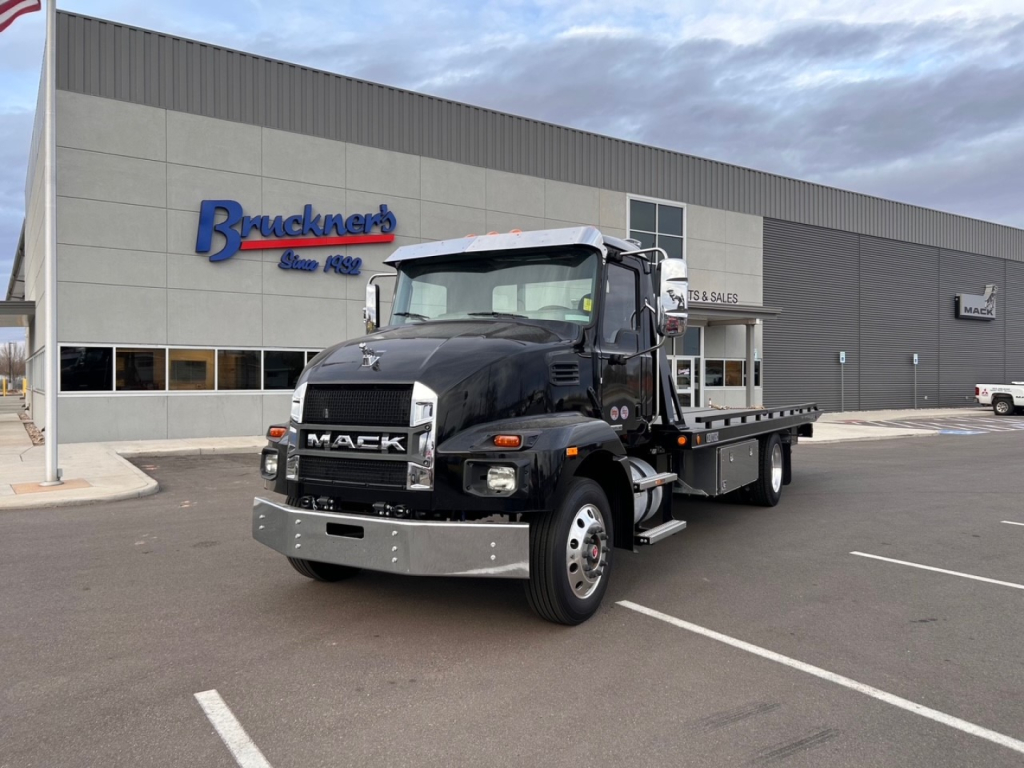
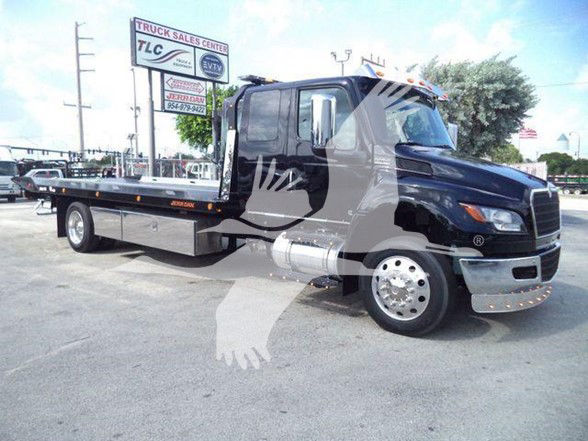
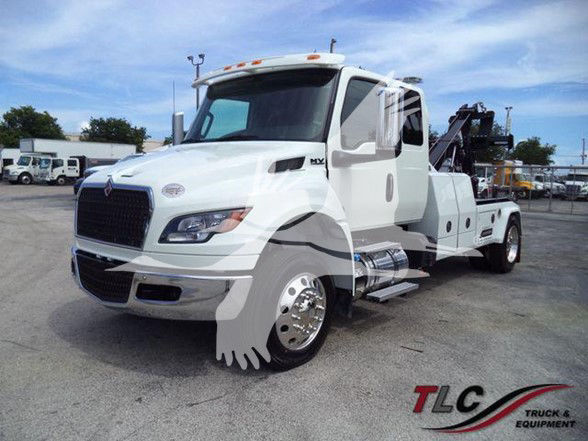
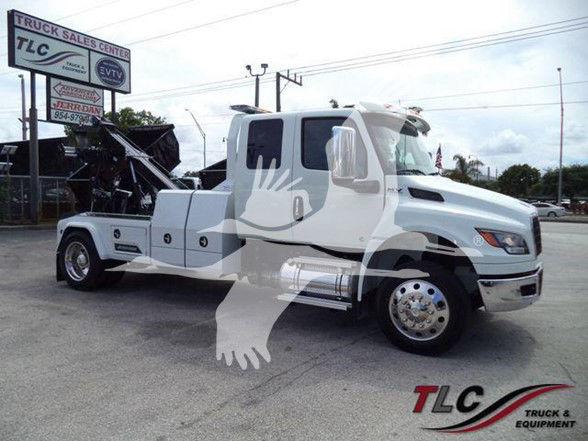
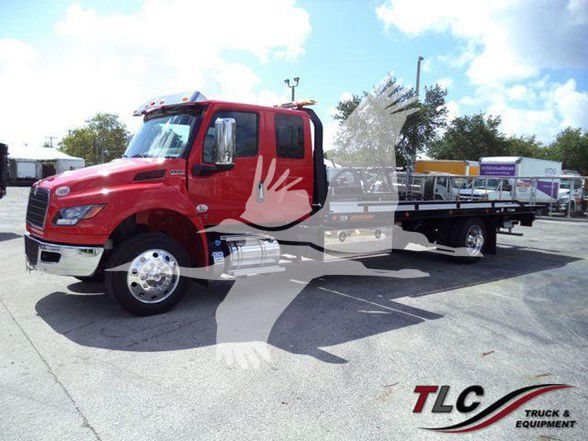
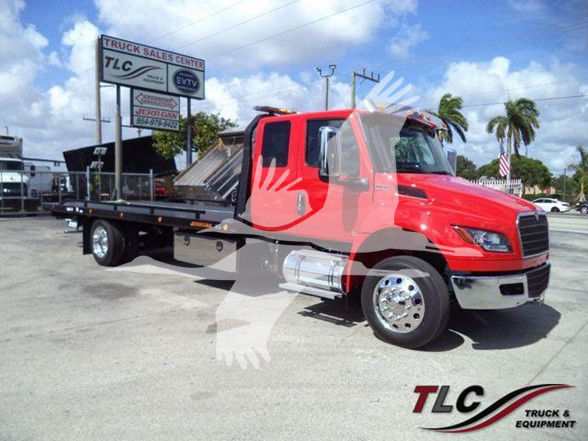
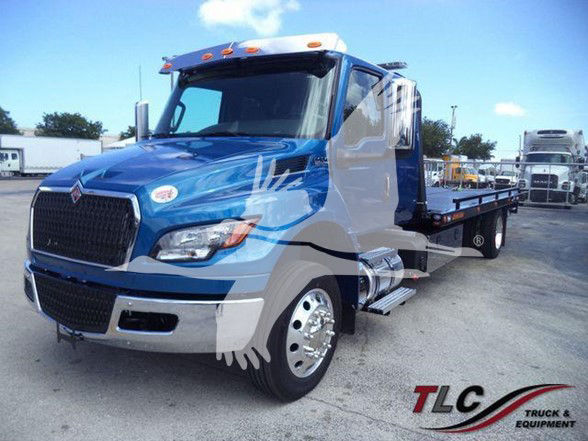
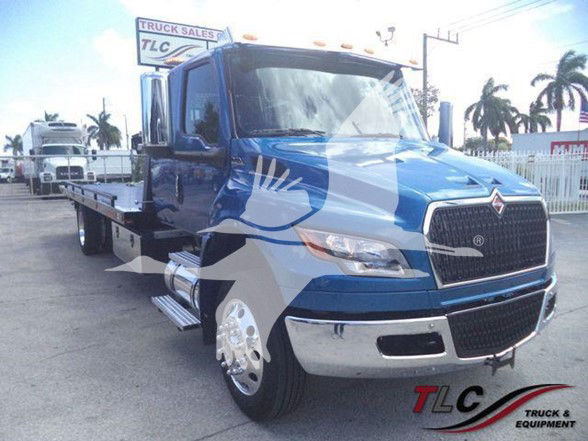
Showing 1 to 12 of 186 results
Have new tow truck to sell? List it here to reach thousands of buyers.
About New Tow Trucks
Chassis choice matters just as much as the bed or wrecker body. Many new tow trucks in this class are built on Class 4 through Class 6 platforms such as Ram 5500, Kenworth T280, and Mack MD6 chassis, with diesel engines from Cummins and automatic Allison transmissions being common. Buyers should pay close attention to GVWR, front and rear axle ratings, wheelbase, brake type, and suspension. A 19,500 GVW 4x4 truck fits a different job than a 25,950 to 29,000 GVWR medium-duty carrier with air brakes and air ride. Shorter wheelbases can improve maneuverability in city work, while a heavier chassis with air ride and larger rubber tends to give better stability and ride quality on longer runs.
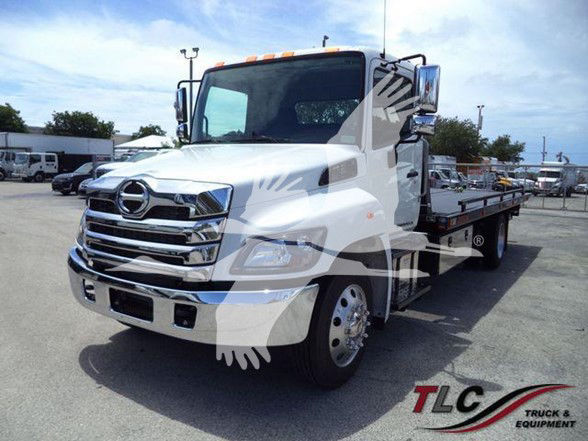
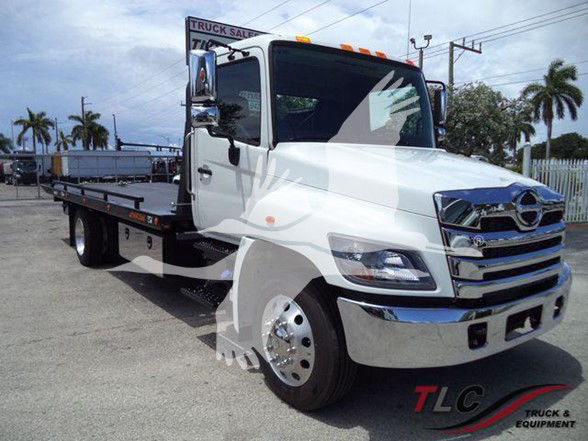
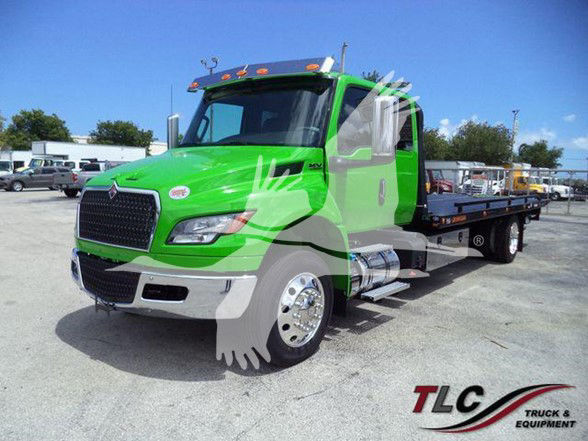
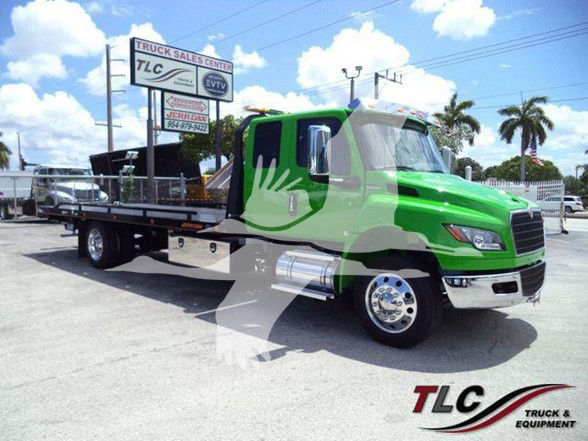
For rollback and carrier units, the key specs are deck length, deck width, bed material, load angle, and winch rating. Common configurations include 20-foot and 22-foot XLP or LCG decks, typically 96 to 102 inches wide, with 6-ton to 12,000-pound class capacities. Low-profile decks and dual-angle or shark-style beds help with loading sports cars, EVs, and lowered vehicles without scraping bumpers or rocker panels. Wheel lifts in the 3,500-pound range add flexibility for moving a second vehicle or handling quick-reposition jobs. On wrecker bodies, buyers should compare boom and drag winch ratings, self-loading controls, and the durability advantages of aluminum versus steel bodies. Tool storage, removable rails, headboard design, wireless remotes, backup cameras, and work-light packages all affect daily productivity.
The best new tow truck is the one matched to your call mix, not just the highest-rated chassis. Roadside service operators may prioritize a nimble self-loader with 4x4 capability, spring suspension, and strong scene lighting. Repossession and parking enforcement work often favor self-loaders with quick-cycle hydraulics and compact overall length. Dealers, auctions, municipalities, and independent towers often lean toward 20-foot or 22-foot rollback carriers with 8K winches, L-arms, tie-down packages, and enclosed or open storage for gear. Before buying, verify payload after upfit, check PTO and hydraulic serviceability, review body warranty terms, and confirm the truck is equipped for the mix of passenger cars, pickups, vans, and occasional medium-weight units you expect to move.
Frequently Asked Questions
What is the difference between a rollback tow truck and a self-loader wrecker?
A rollback tow truck uses a tilting, sliding bed to carry the entire vehicle off the ground, which is ideal for all-wheel-drive vehicles, damaged cars, low-clearance units, and longer transports. A self-loader wrecker uses a hydraulic wheel-lift system to quickly lift and tow a vehicle by the tires, which is faster for short-distance towing, impounds, and roadside calls. Rollbacks usually offer more versatility for transport, while self-loaders usually offer better speed and maneuverability in high-volume towing work.
What GVWR is common for new light- and medium-duty tow trucks?
New tow trucks in this segment commonly range from about 19,500 GVWR on lighter chassis up to 26,000 or 29,000 GVWR on medium-duty platforms. The right rating depends on the chassis, body style, and the size of vehicles being moved. A lighter GVWR truck can work well for passenger cars and small SUVs, while a heavier medium-duty carrier or wrecker gives more chassis stability, brake capacity, and legal payload margin once the body, winch, toolboxes, and recovery gear are installed.
What deck size is best for a new rollback tow truck?
A 20-foot to 22-foot deck is the most common range for new rollback tow trucks. A 20-foot deck works well for standard passenger vehicles and keeps the truck compact, while a 22-foot deck provides more flexibility for long-wheelbase pickups, vans, and larger vehicles. Width also matters, with 96-inch and 102-inch decks both common. Low-carrier and extra-low-profile designs are especially useful if you regularly load low-clearance vehicles, performance cars, or EVs.
Is 4x4 important on a new tow truck?
4x4 can be a major advantage for operators working in snow, mud, steep driveways, rural roads, construction zones, or recovery situations where traction is limited. It is especially useful on lighter self-loader wreckers that need to reach vehicles in difficult locations. For standard paved-road transport, repossession, and dealer work, a 4x2 chassis is often sufficient and may offer a lower purchase cost, less drivetrain complexity, and slightly better fuel economy.
What features should buyers compare beyond towing capacity?
Towing capacity is only part of the buying decision. Buyers should also compare wheel-lift rating, winch capacity, deck angle, body material, PTO and hydraulic setup, storage layout, lighting, remote controls, camera systems, axle ratings, suspension type, and service access. Air brakes, air ride suspension, locking differentials, and quality tool storage can make a big difference in day-to-day operation. Warranty coverage on both the chassis and the tow body is also important because downtime affects revenue quickly in towing service.