
New Flatbed Trailers For Sale
Compare new flatbed trailers by length, axle setup, floor type, suspension, and load securement features for steel, lumber, machinery, and coils.
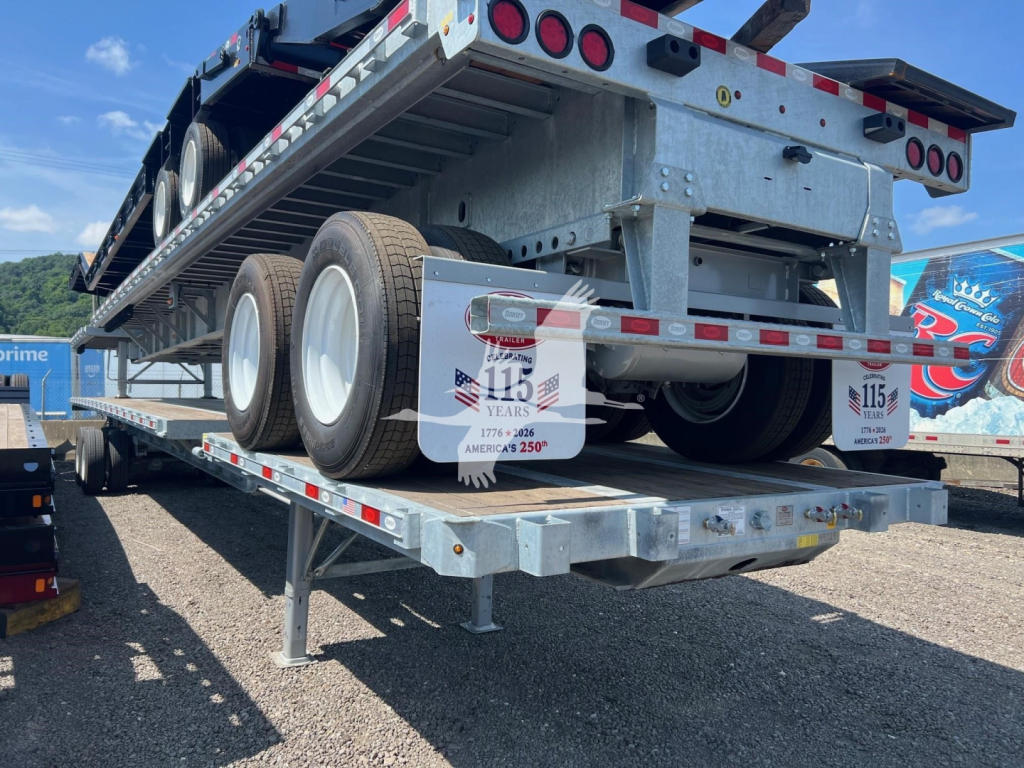
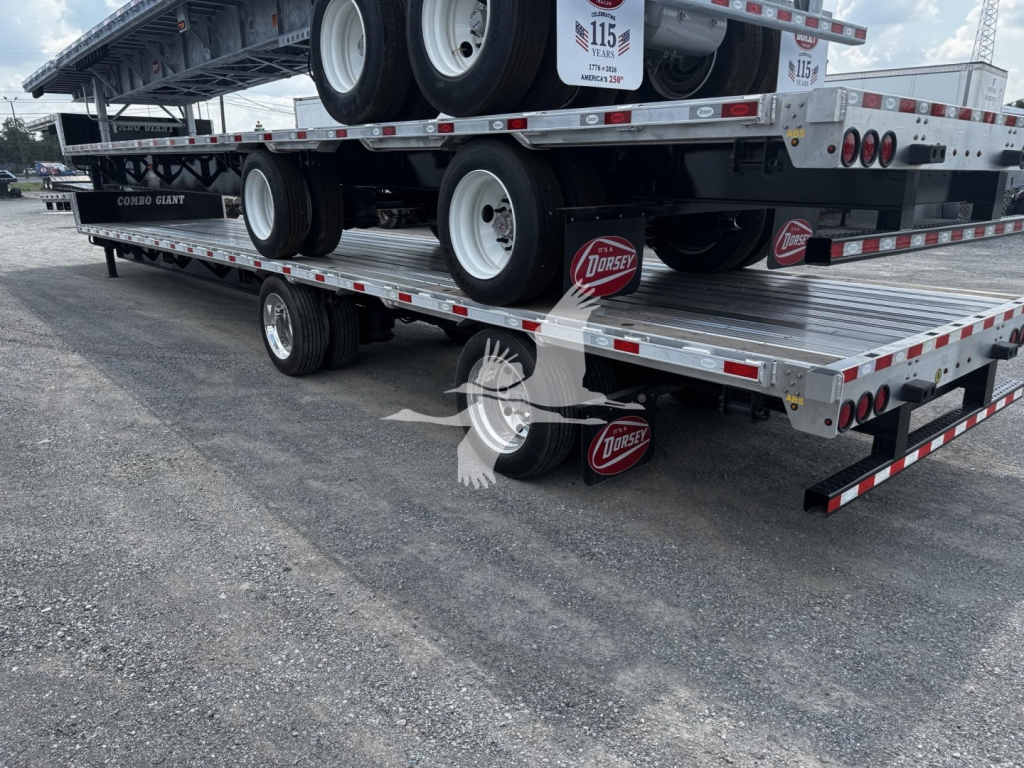
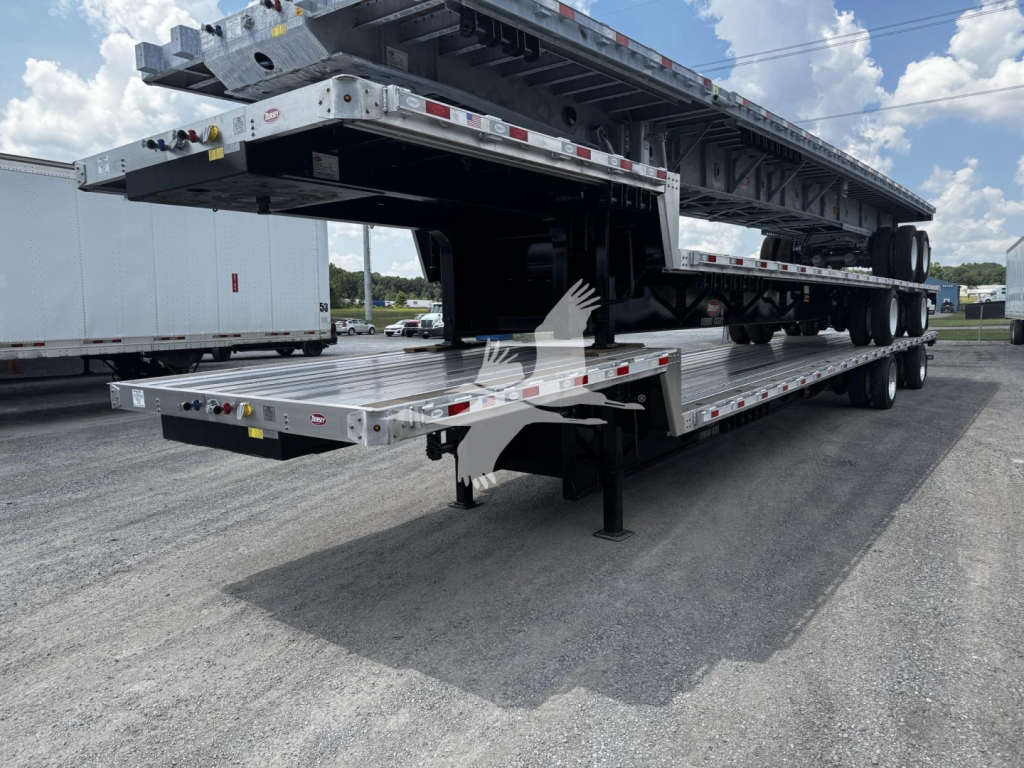
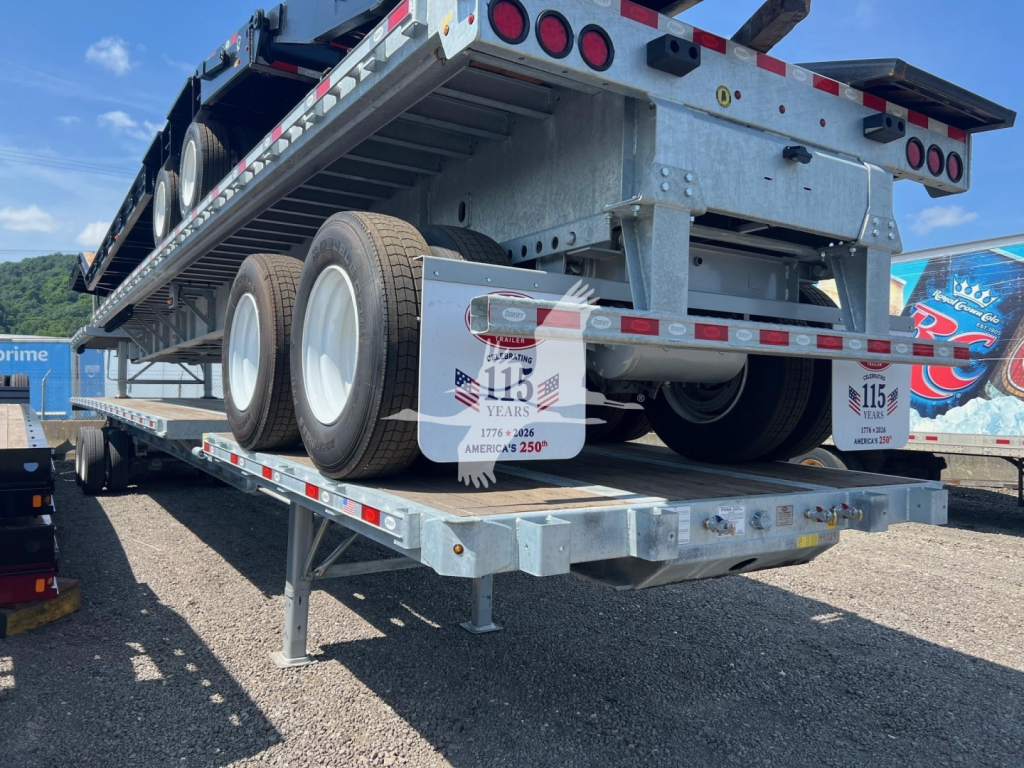
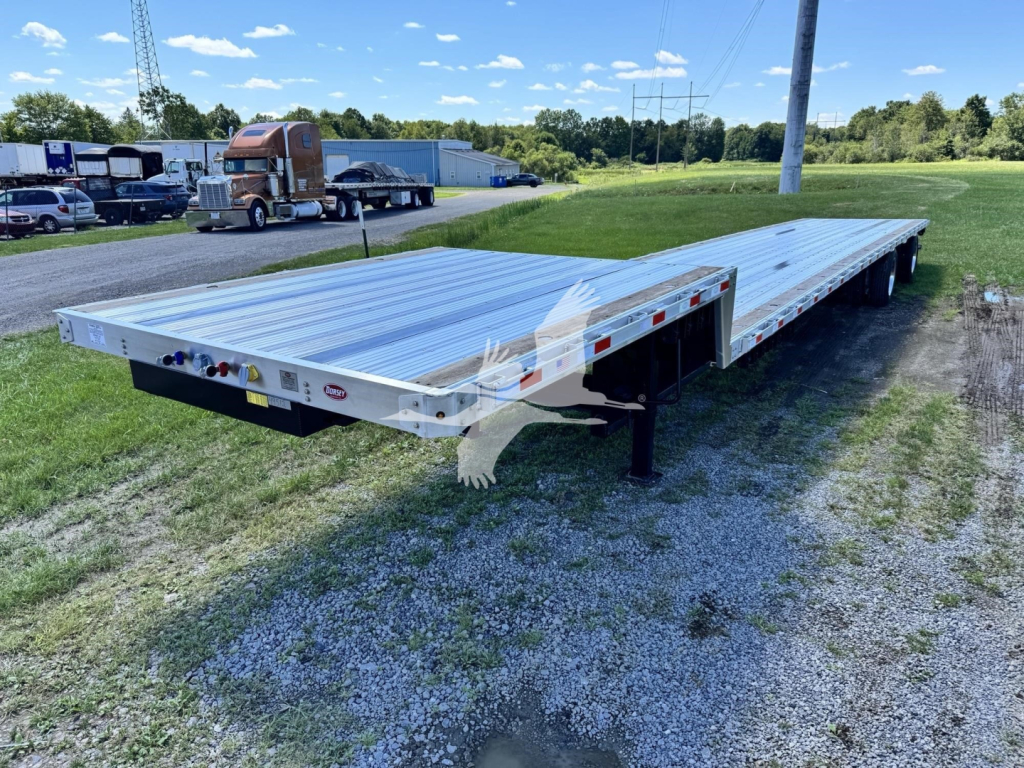
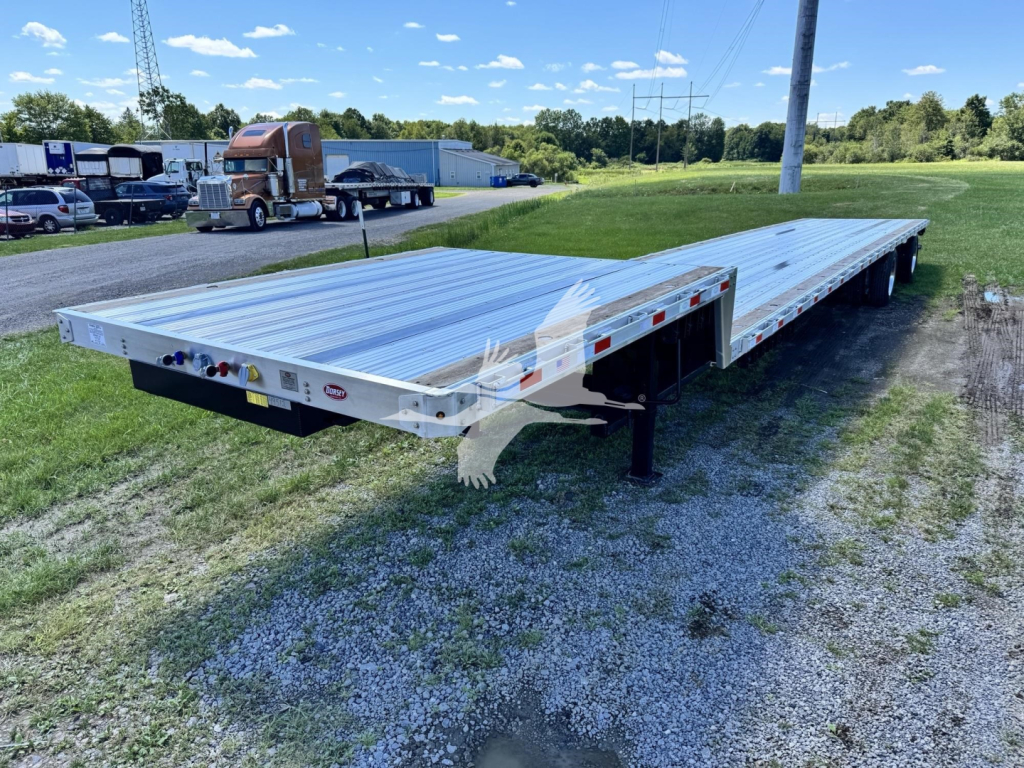
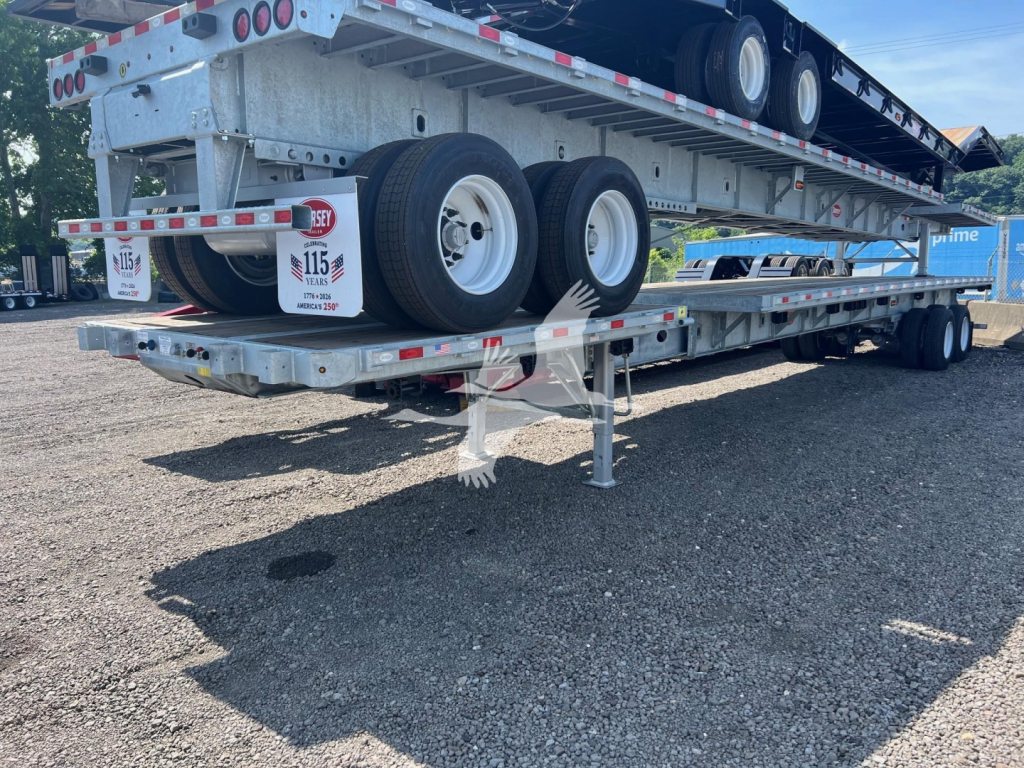
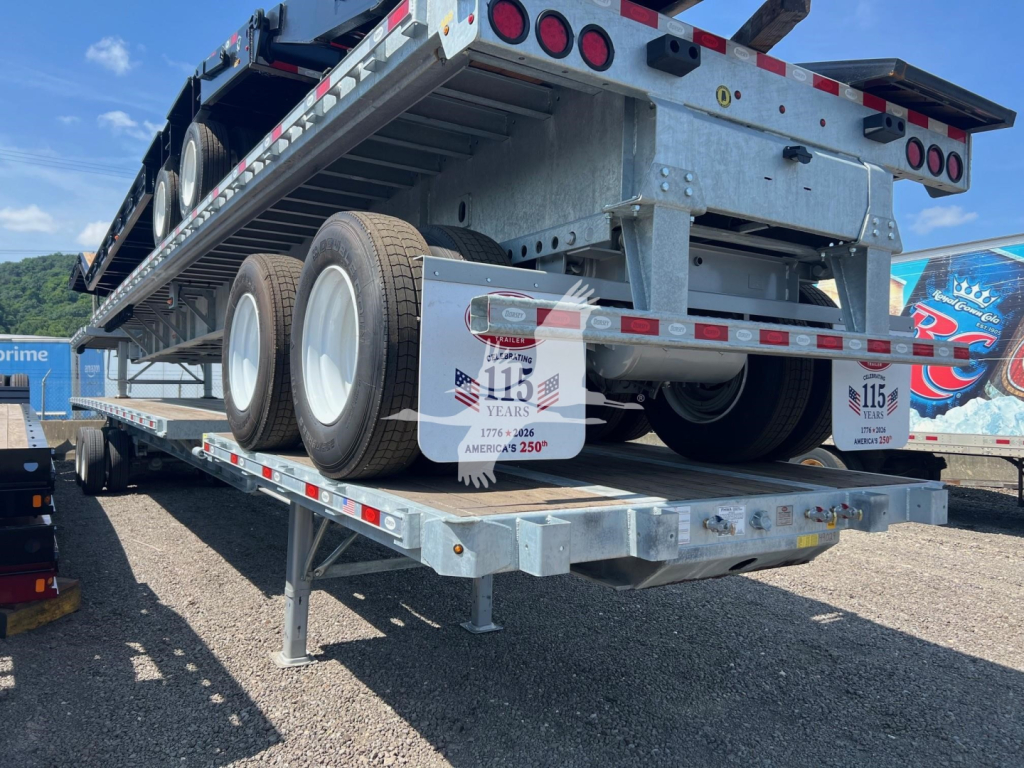
Showing 1 to 24 of 79 results
Have new flatbed trailer to sell? List it here to reach thousands of buyers.
New Flatbed Trailers
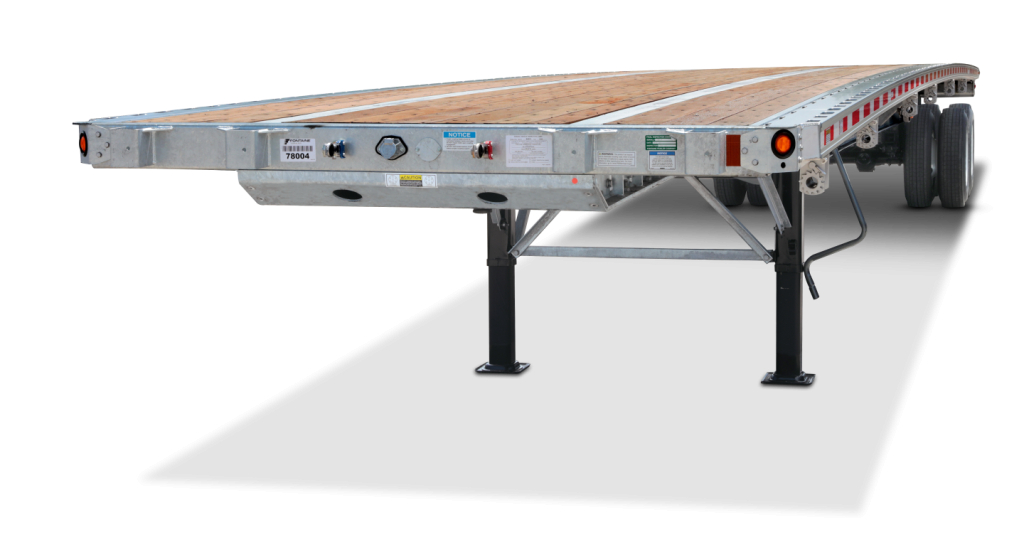
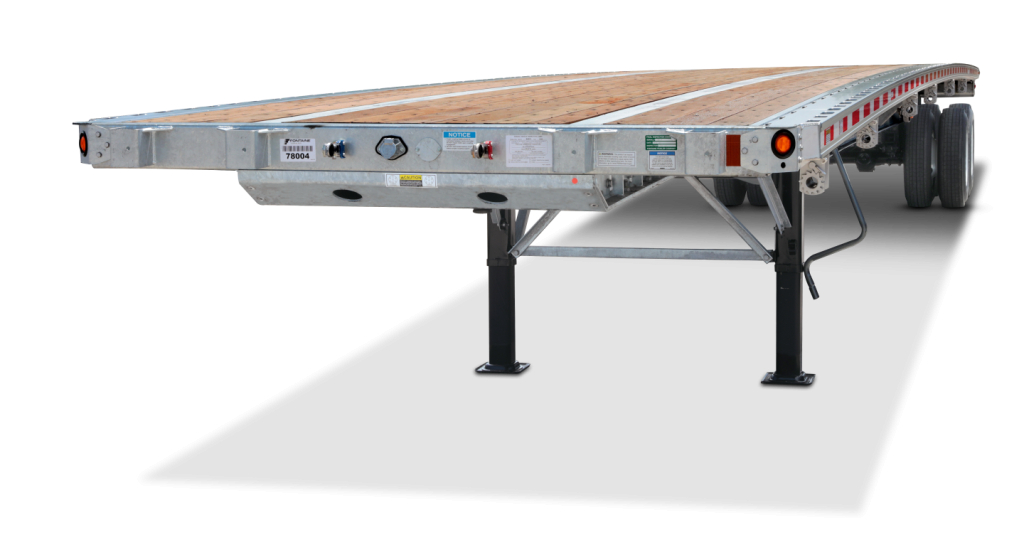
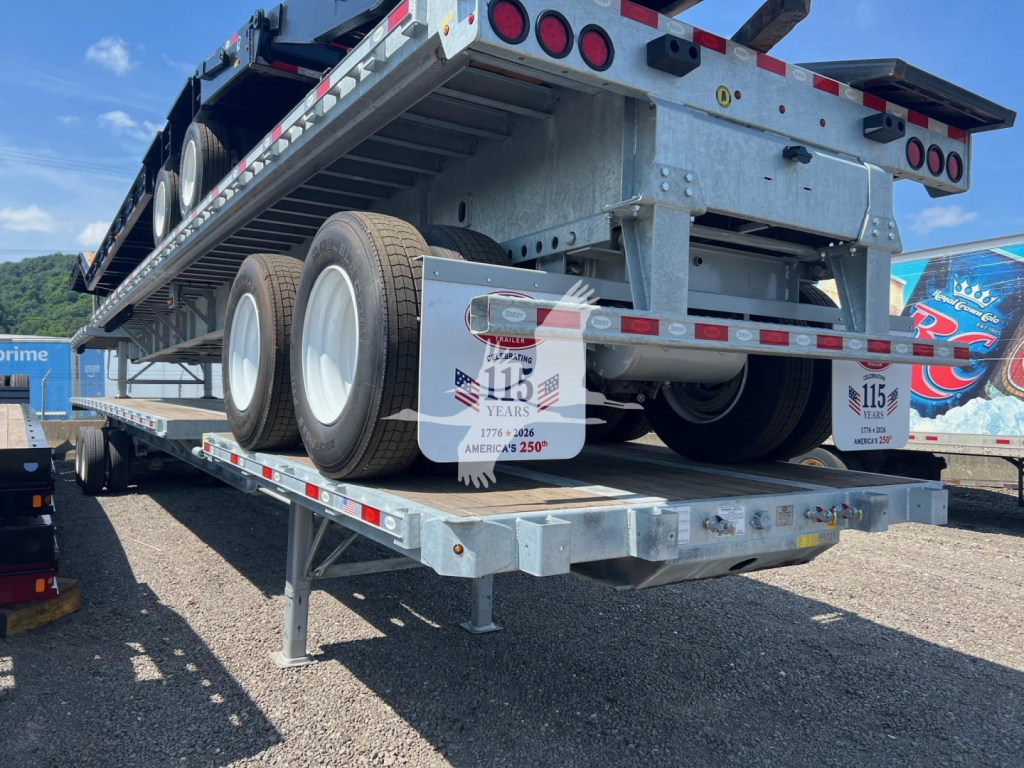
Material choice matters because it affects tare weight, payload, durability, and repair cost. Aluminum flatbed trailers are lighter and typically favored when payload is the priority, especially in general freight and high-cube operations. Steel flatbeds usually bring a lower upfront cost and a more rugged structure for severe service, though they carry more empty weight. Flooring also deserves close attention. Buyers will commonly see all-aluminum floors, traditional wood floors such as Apitong, or combination floors with aluminum decking and wood nail strips. If your freight mix includes machinery, building products, or loads that need frequent blocking and securement, nail strips, stake pockets, pipe spools, and a full-length roadside winch track can make day-to-day loading much more efficient.
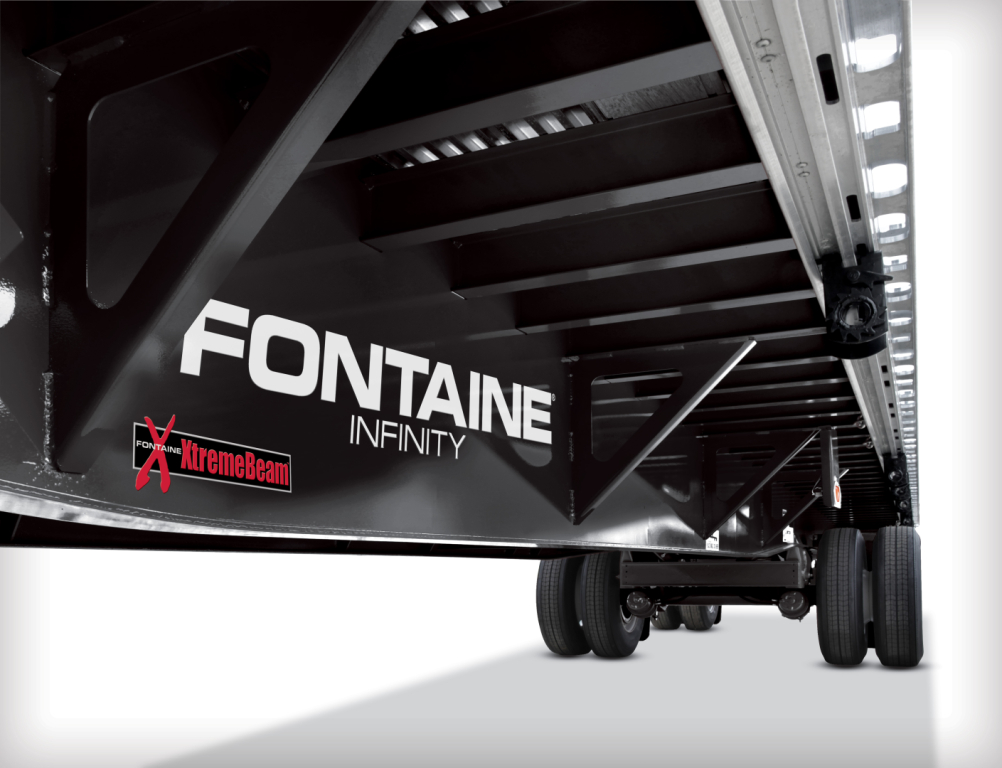
Suspension, crossmember spacing, and concentrated load ratings separate a light general-purpose trailer from one designed for dense freight. Air ride is common on premium new flatbed trailers because it improves ride quality and helps protect sensitive cargo, while spring ride remains a straightforward option for tougher applications and lower cost of ownership. Crossmembers on 12-inch centers are typical on heavier-duty specs, and coil packages with extra crossmembers are important for carriers hauling steel coils or other concentrated loads. It is also worth checking kingpin setting, rear axle spread, ride height, and deck arch, especially if you run in regions with strict bridge formulas or need California-legal settings when the suspension is closed.
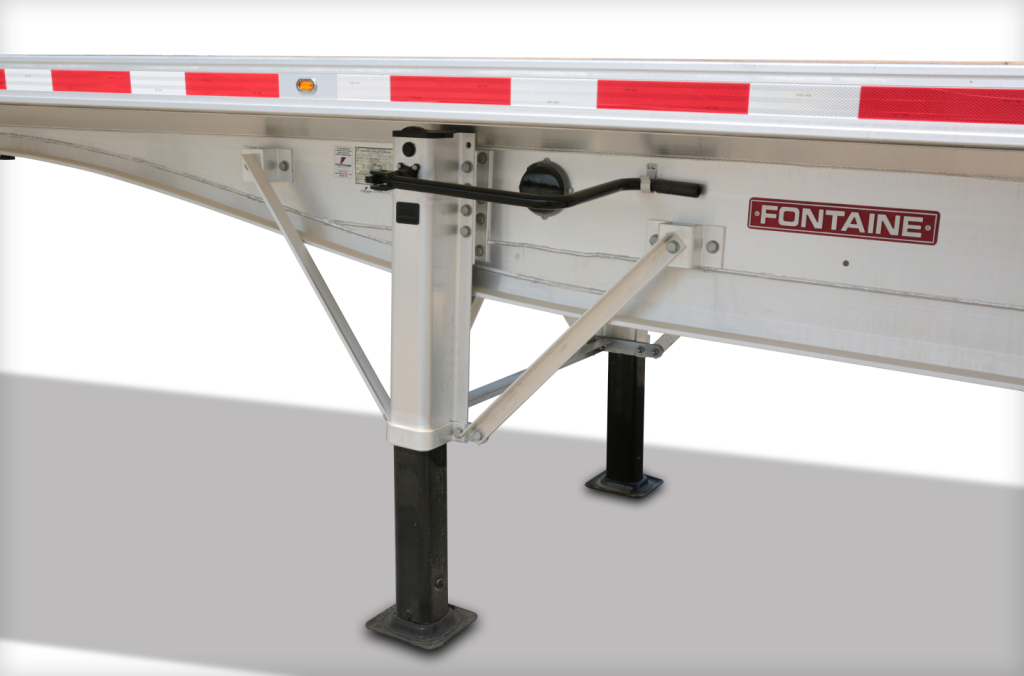
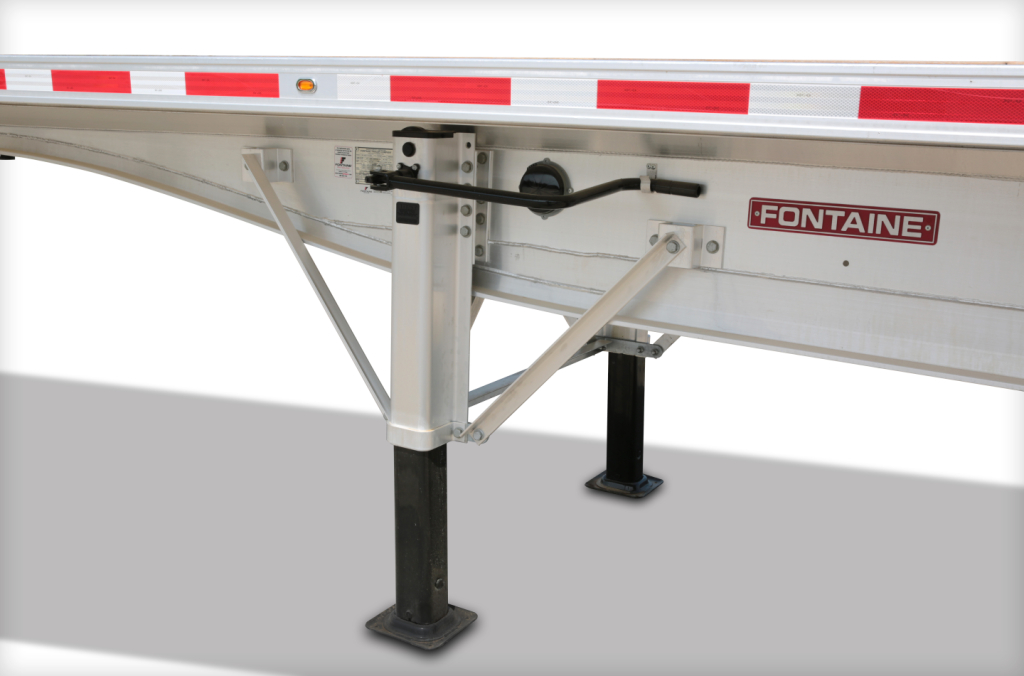
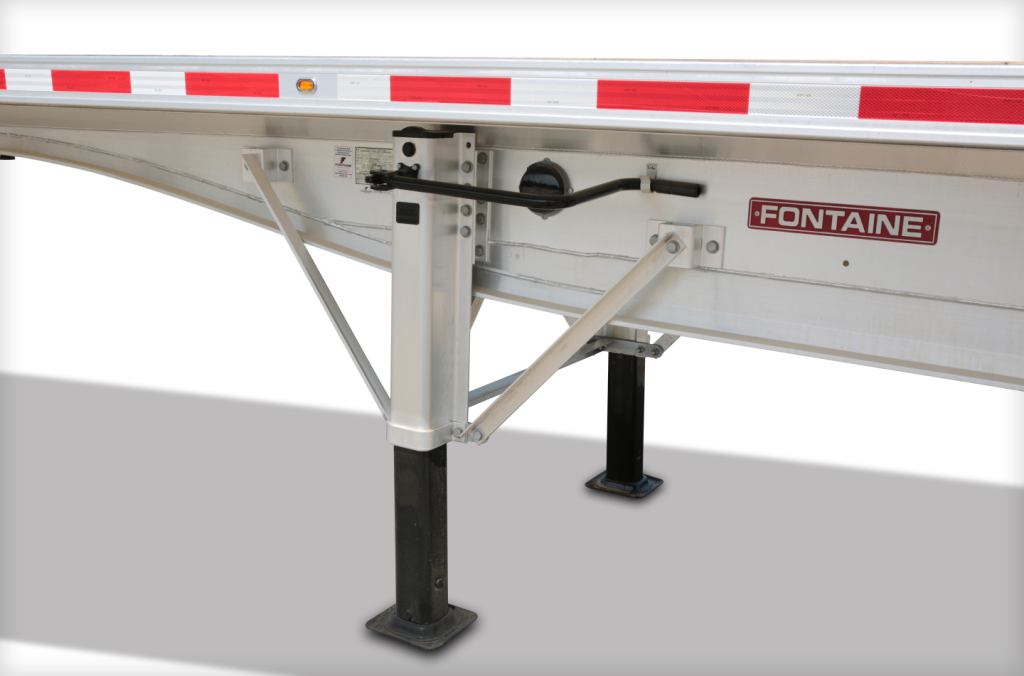
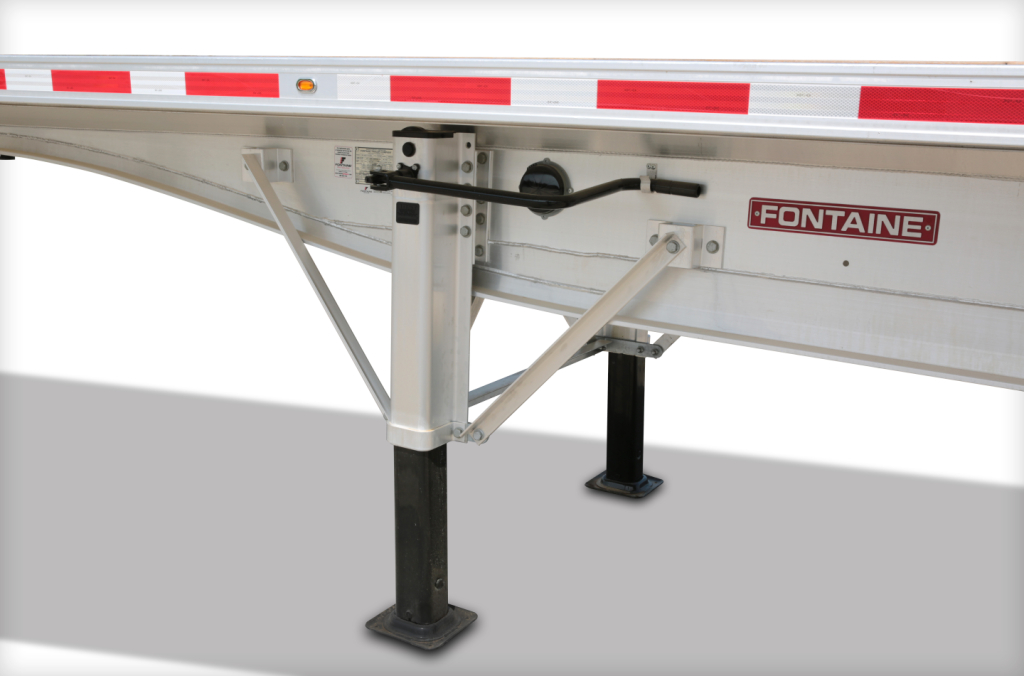
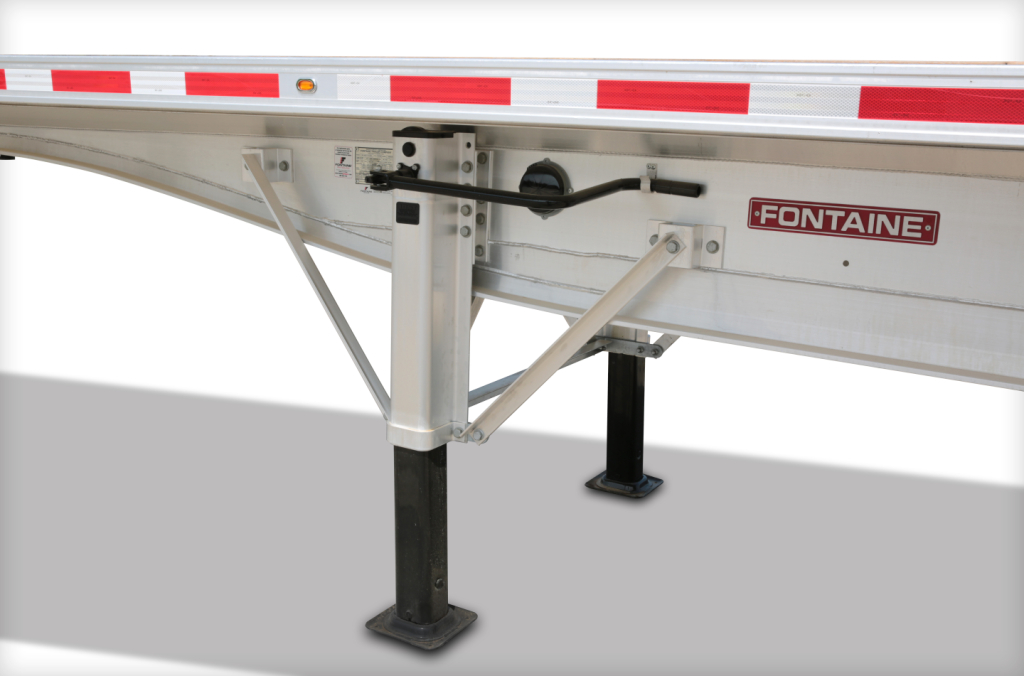
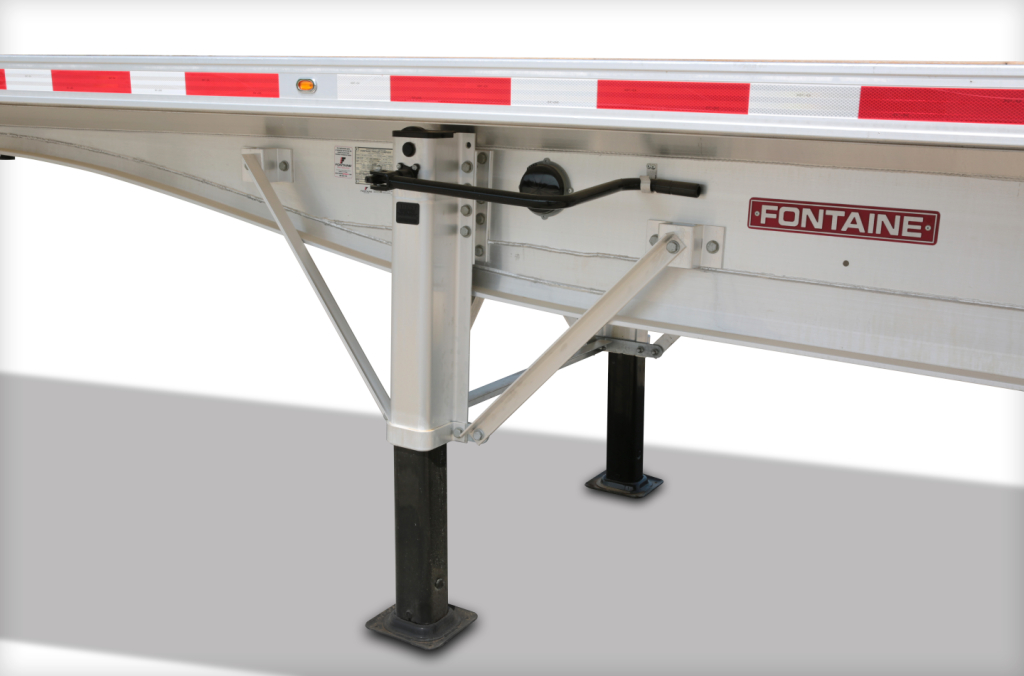
Securement and daily-use details often decide long-term satisfaction more than the headline specs. Look closely at the number and style of sliding winches, chain tie-downs, D-rings, side rail design, mud flap bracket placement, landing gear brand, wheel material, and brake spec. Many new flatbeds now include LED lighting, aluminum wheels, dump valves, disc brake options, and prep for toolboxes or dunnage racks. A buyer comparing new flatbed trailers should match the trailer to the freight first, then confirm the structural ratings, suspension layout, and securement package support the lanes and loading practices the trailer will see every week.
Frequently Asked Questions about New Flatbed Trailers
What is the most common size for a new flatbed trailer?
The most common flatbed trailer size is 48 or 53 feet long and 102 inches wide. A 48-foot flatbed is still widely used in steel, building materials, and regional freight, while a 53-foot flatbed gives more deck space for lighter or longer freight. The right choice depends on the freight profile, axle laws, and the amount of maneuverability needed in yards and jobsites.
Should I choose an aluminum or steel flatbed trailer?
An aluminum flatbed trailer usually offers lower tare weight and higher potential payload, which can improve revenue on weight-sensitive freight. A steel flatbed trailer typically costs less upfront and can be a strong fit for hard use, rough loading conditions, or fleets that prioritize structural ruggedness over empty weight. The better value depends on your freight mix, annual miles, corrosion exposure, and repair strategy.
What features matter most for hauling steel coils or concentrated loads?
For steel coils or other concentrated loads, buyers should pay close attention to coil packages, extra crossmembers, deck ratings, and weight ratings in specific sections of the trailer such as 10-foot or 4-foot spans. A mini coil package, tighter crossmember spacing, and a trailer designed for high concentrated load capacity help reduce deck stress and improve durability. Securement features such as chain tie-downs, pipe spools, and winch placement also matter when the freight regularly changes shape or center of gravity.
Is air ride or spring ride better on a flatbed trailer?
Air ride is often preferred on new flatbed trailers because it provides a smoother ride, can help protect cargo, and is common on premium over-the-road specifications. Spring ride remains a practical choice for operators who want simplicity, lower initial cost, and dependable performance in rough service. The best option depends on cargo sensitivity, maintenance preferences, and how the trailer is used across highway and off-pavement conditions.
Why does axle configuration matter on a flatbed trailer?
Axle configuration affects bridge compliance, turning radius, tire wear, and how easily the trailer can be positioned for different loads. Sliding tandems offer flexibility in weight distribution and docking, while spread axle and sliding spread setups can improve load distribution and meet certain legal requirements but may reduce maneuverability. Buyers should compare axle spacing, suspension setting, and kingpin location against the states they run and the freight weights they expect to haul.