
Conventional Daycab Trucks For Sale in Georgia
Shop conventional daycab trucks in Georgia. Compare specs, wheelbases, axle ratings, engines, transmissions, and regional hauling fit.
Learn moreBrowse Conventional Daycab Trucks by Make

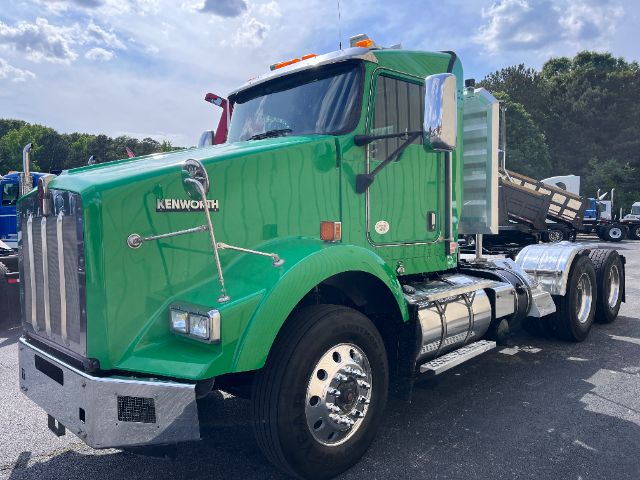
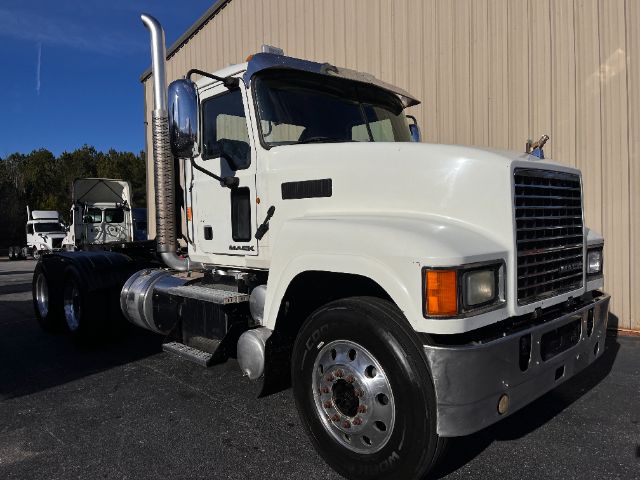
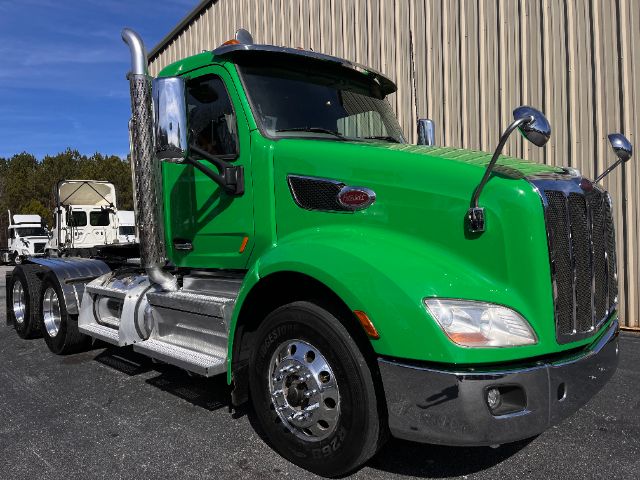
Have conventional daycab truck to sell? List it here to reach thousands of buyers.
About Conventional Daycab Trucks in Georgia
The first buying decision is usually drivetrain spec, not brand. Many conventional daycab trucks in this class run 400 to 455 horsepower with tandem rear axles rated around 40,000 pounds, which fits a broad range of dry van, reefer, flatbed, and container work. Rear axle ratios such as 2.79, 3.08, 3.23, and 3.55 change how the truck behaves. Lower numerical ratios generally favor fuel-efficient highway cruising, while deeper ratios improve startability and low-speed performance for heavier loads, short-haul routes, and more stop-and-go work. Wheelbase is just as important. A 166- to 180-inch wheelbase is common on daycabs and affects turning radius, bridge law flexibility, and trailer gap.
Transmission choice should match the route and driver pool. Automated manuals are common in newer fleet daycabs because they simplify training, reduce clutch wear, and help maintain consistent fuel economy. Manual transmissions still appeal in certain heavy-haul, vocational, and owner-operator applications where drivers want direct gear control. Engine families often seen in conventional daycab trucks include Cummins ISX or X15, Detroit DD13 and DD15, and Navistar A26. Buyers should compare horsepower and torque with the intended trailer weights, then look closely at engine brake performance, emissions history, and service support in their operating area. On used units, suspension type, brake spec, fifth wheel setup, and maintenance records often matter more than cosmetic condition.
Spec details can make one daycab a much better fit than another. Air ride suspension is common for ride quality and freight protection. Air slide fifth wheels help when kingpin settings vary across a mixed trailer fleet. Disc brakes, collision mitigation systems, cab extenders, roof fairings, and dual aluminum fuel tanks can all add value depending on lane length and operating cost targets. For Georgia buyers, it is smart to think about heat, traffic, and terrain together. A truck running mostly coastal and interstate lanes may prioritize aero features and tall gearing, while a truck pulling heavier loads through rolling terrain or frequent industrial stops may benefit from a stronger ratio, higher GVW spec, and vocational add-ons like a wet kit or headache rack.
Frequently Asked Questions
What is a conventional daycab truck used for?
A conventional daycab truck is primarily used for regional and local hauling where the driver returns home daily and does not need a sleeper berth. Common applications include dry van, reefer, flatbed, intermodal, dedicated route work, LTL, and some vocational tractor duties. Compared with a sleeper tractor, a daycab is lighter, shorter, and easier to maneuver, which makes it well suited for city traffic, crowded yards, and frequent dock turns.
What axle ratio is best for a conventional daycab?
The best axle ratio depends on route speed, trailer weight, and start-stop frequency. Ratios like 2.79 or 3.08 are often chosen for fuel economy on highway-focused regional lanes. Ratios like 3.23 or 3.55 are better for heavier loads, more aggressive launch performance, and routes with more grades or local driving. Buyers should match the ratio to transmission gearing, tire size, and cruise speed target rather than judging the ratio by itself.
Are automatic or manual transmissions better in a daycab truck?
Automated manual transmissions are often the better fit for fleet and regional daycab use because they reduce driver fatigue, help standardize shifting, and can lower maintenance tied to clutch abuse. Manual transmissions still have advantages in specialized applications where the driver wants more direct control, including some heavy-haul and vocational operations. The best choice comes down to driver availability, operating conditions, and shop familiarity with the transmission platform.
What should I check first on a used conventional daycab truck?
Start with the engine, transmission, rear axle ratings, wheelbase, and fifth wheel setup to confirm the truck matches the trailers and loads you plan to pull. After that, review maintenance records, emissions system history, brake condition, suspension wear, tire condition, and any signs of frame or cab corrosion. On fleet-spec units, collision mitigation, disc brakes, and aerodynamic equipment can add value, but core drivetrain condition and service history should carry more weight than appearance.
Why does wheelbase matter on a daycab tractor?
Wheelbase affects turning radius, trailer swing clearance, weight distribution, and how the truck fits different trailer lengths and kingpin settings. A shorter wheelbase improves maneuverability in tight yards and urban delivery points, while a longer wheelbase can improve ride quality and component packaging. Buyers should consider dock access, bridge law requirements, and the trailer types in their fleet before choosing a wheelbase.