
Van Trailers For Sale in Ohio
Shop van trailers for sale in Ohio. Compare dry van specs, lengths, suspensions, doors, floors, and tandem setups for freight and storage use.
Learn moreBrowse Van Trailers by Make
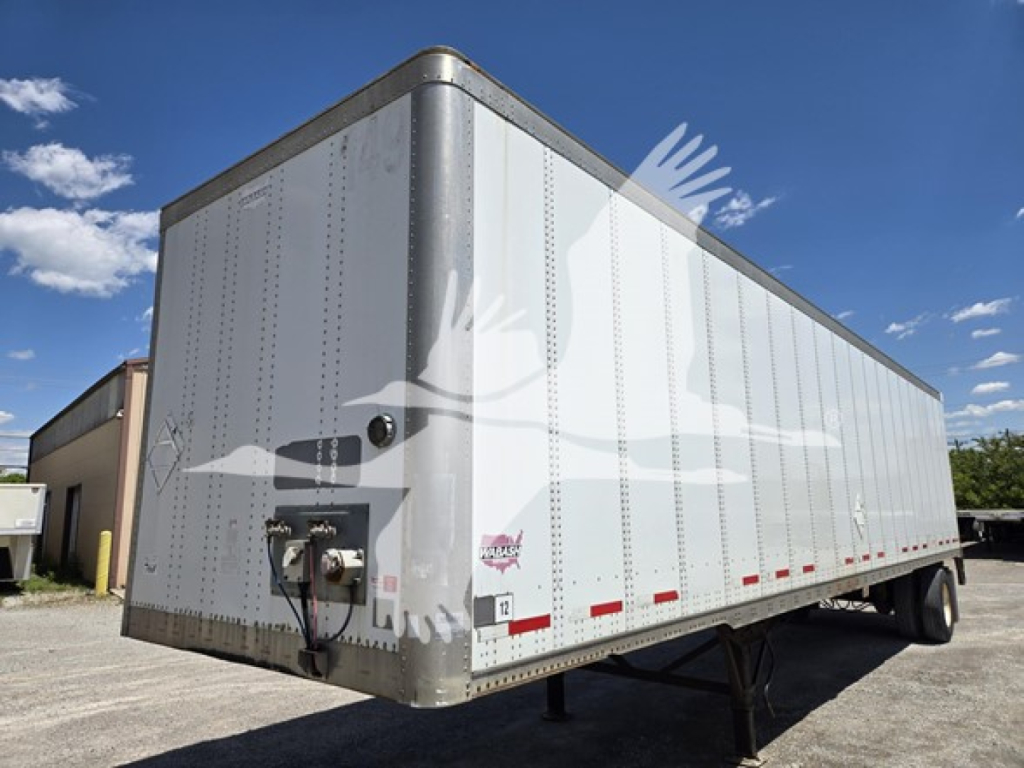
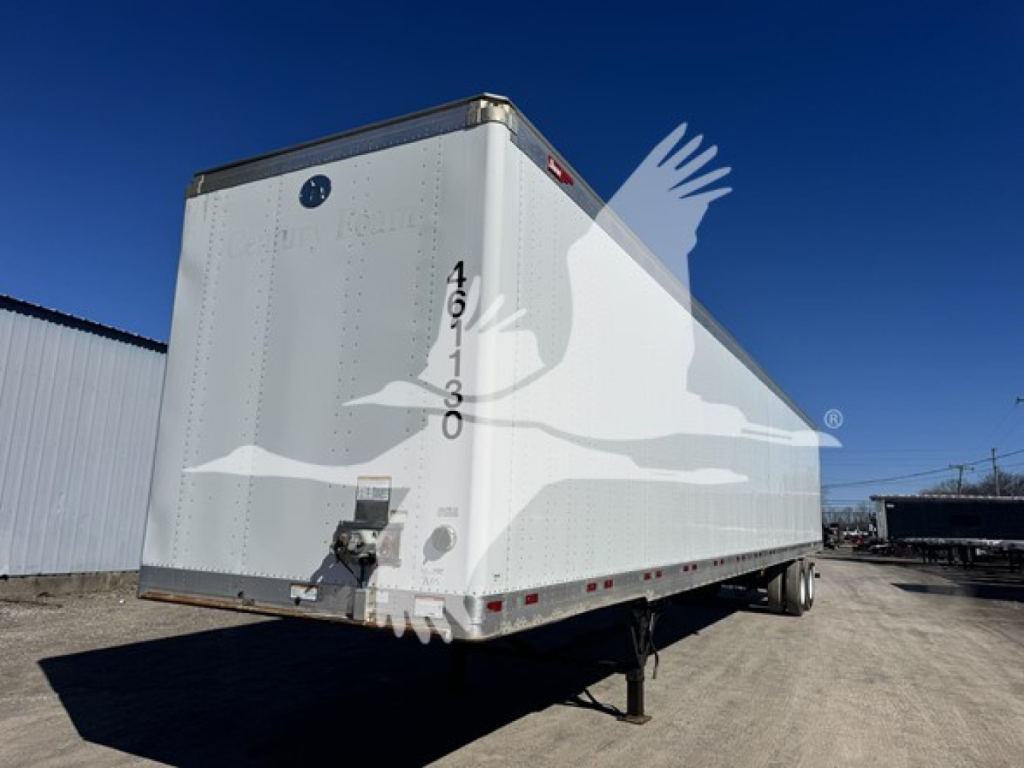
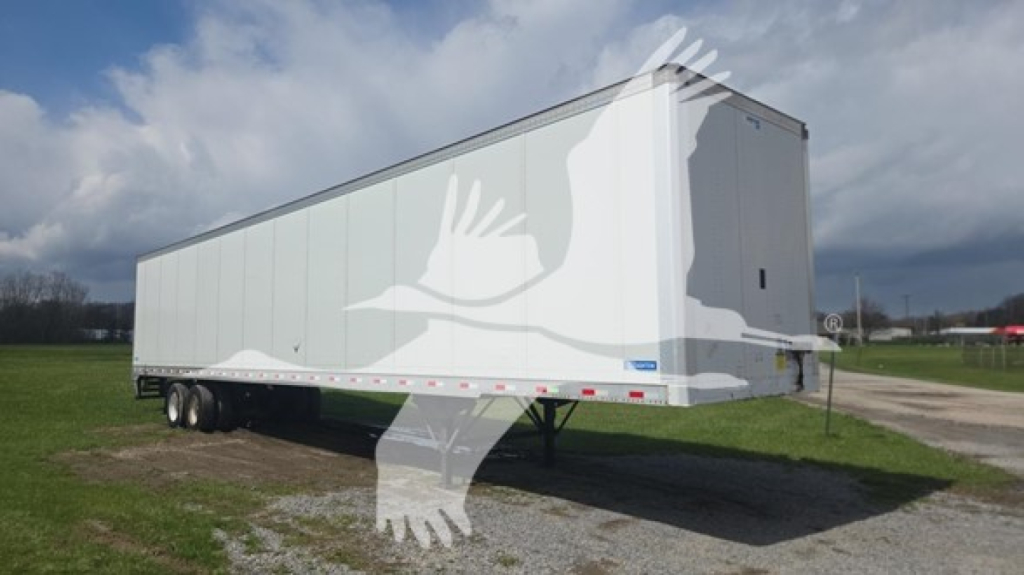
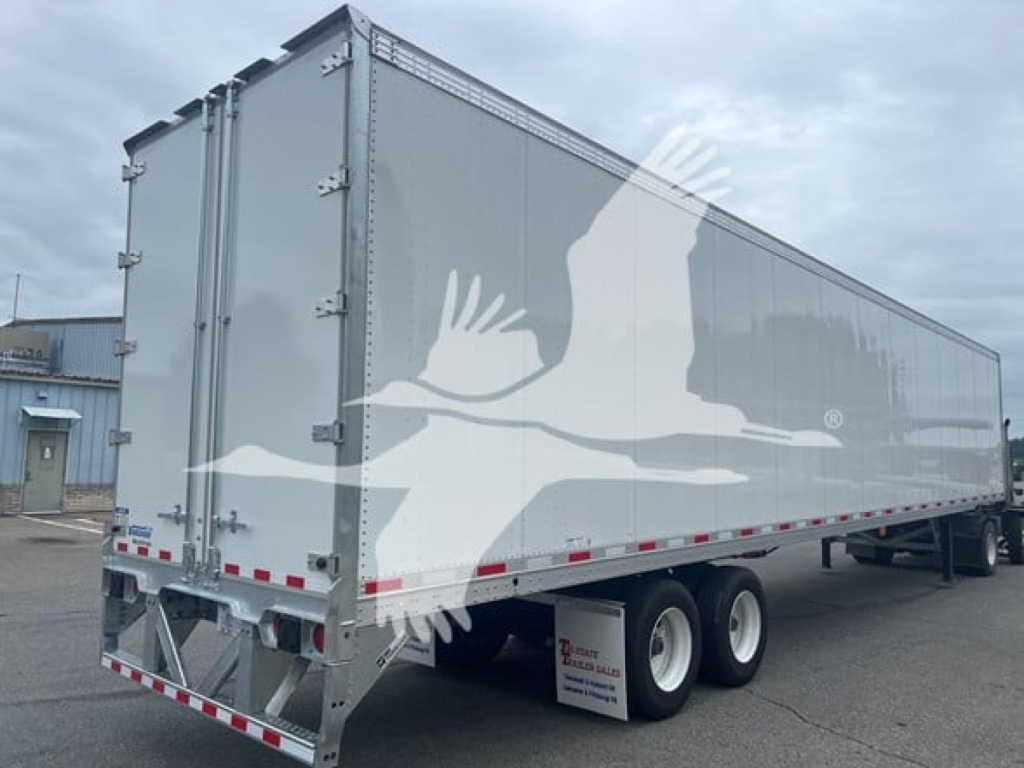
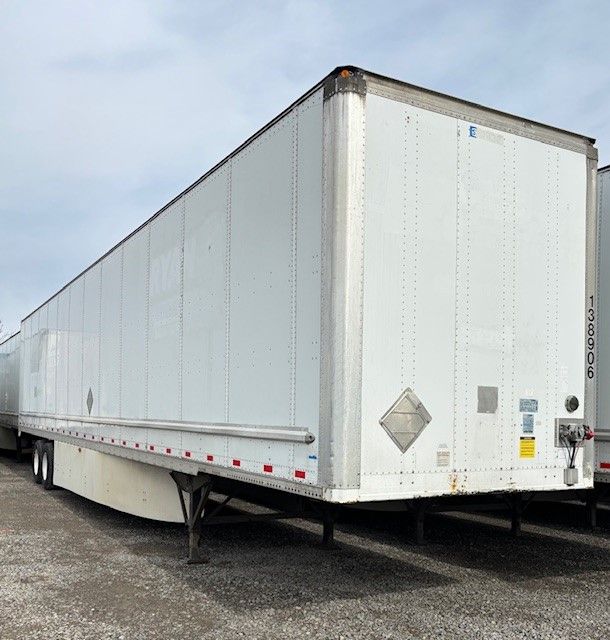
Have van trailer to sell? List it here to reach thousands of buyers.
About Van Trailers in Ohio
Frequently Asked Questions
What size van trailer is most common for freight work?
The most common dry van trailer for over-the-road freight is a 53-foot by 102-inch tandem axle trailer. That length gives the best cube for general palletized freight and is widely accepted in regional and national service. A 48-foot van still makes sense for certain dock layouts, weight distribution needs, or fleet standardization, and some specialized drop-deck vans are used when extra interior height is needed in part of the trailer.
What should I inspect first on a used van trailer?
Start with the floor, roof, rear frame, suspension, and tandem assembly. Floor condition matters because soft spots, patchwork, or fastener pull-through can limit usable payload and create forklift damage risk. Check the roof for leaks, the sidewalls and scuff liners for repeated impact, the rear frame and threshold plate for dock abuse, and the brakes, tires, wheels, and landing gear for near-term maintenance cost. On sliding tandems, inspect the slider rails, pins, and locking function closely.
Is air ride or spring ride better on a van trailer?
Air ride is generally preferred for higher-value or more damage-sensitive freight because it improves ride quality and helps reduce cargo shock. It is common on newer road trailers and often paired with fleet-focused options such as tire inflation systems. Spring ride is simpler and can be perfectly acceptable for storage, yard use, or lower-cost freight applications, but it usually does not offer the same cargo protection or resale appeal as air ride.
What trailer features matter most for dock loading and pallet freight?
Rear door opening dimensions, interior width, floor rating, and scuff protection matter most in daily dock work. Buyers should look at inside width scuff-to-scuff, inside height, door clear opening, threshold plate condition, and floor construction such as 1-3/8 inch oak. Logistics posts, plywood or composite lining, and durable scuff liners help protect the walls during repeated forklift and pallet jack contact. Dock bumpers, reinforced rear impact areas, and a sound rear frame are also important on high-cycle trailers.
Can a van trailer be used for storage only?
Yes. Many older dry vans are used strictly for on-site or yard storage once they are no longer ideal for highway service. For storage use, structural integrity, door function, roof condition, and floor condition are usually more important than tire age or brake percentage. A storage-only van can be a practical low-cost option for overflow inventory, seasonal product, or construction material protection, but it should be clearly evaluated differently than a road-ready freight trailer.