
Great Dane Van Trailers For Sale in Ohio
Shop Great Dane van trailers for sale, including dry van models with durable construction, common 53-foot specs, and fleet-ready freight features.
Learn more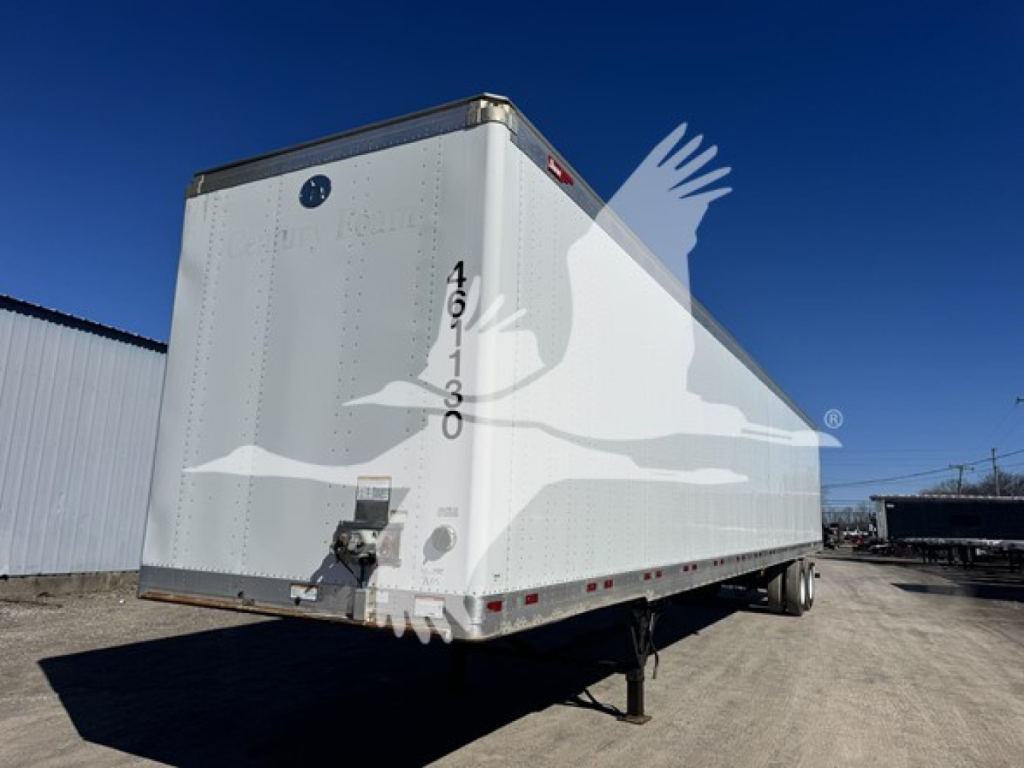
Have great dane van trailer to sell? List it here to reach thousands of buyers.
About Great Dane Van Trailers in Ohio
One of the main things to compare on a used Great Dane van trailer is body construction. Many Great Dane dry vans use sheet-and-post design, which balances repairability, weight control, and cargo protection. Buyers should pay close attention to post spacing, roof material, crossmember spacing, floor condition, and the type of rear closure. Roll-up doors are common in route and dock-heavy applications, while swing doors may appeal to operations prioritizing simplicity and full rear opening access. Inside the trailer, practical details matter more than cosmetics. Logistic posts, scuff liners, nose lining, threshold plate condition, and wood floor wear all affect how the trailer will hold up under palletized freight, hand-loaded freight, and repeated forklift traffic.
Running gear deserves a close look because it drives operating cost after purchase. Common specs in this category include spring ride or air ride suspension, 11R22.5 tires, steel or aluminum wheels, and a 49-inch sliding tandem. Kingpin setting, landing gear condition, brake life, and tire remaining percentage should all be part of the evaluation. In a dry van, underframe condition and slider integrity are especially important in northern states like Ohio, where road salt can accelerate corrosion around crossmembers, bogie rails, and landing gear mounts. A trailer with sound structure and average cosmetics is often a better buy than a cleaner trailer with hidden rust, patched flooring, or worn suspension components.
Great Dane van trailers fit a wide range of freight profiles, including packaged goods, retail freight, consumer products, food loads that do not require refrigeration, and general palletized freight. Buyers comparing listings should think in terms of cargo type, dock environment, repair budget, and trailer age rather than just price. A well-maintained Great Dane dry van with solid floor structure, usable scuff protection, healthy brakes and tires, and a straight body can stay productive for years in regional or over-the-road service.
Frequently Asked Questions
What are the most important things to inspect on a used Great Dane dry van trailer?
The highest-value inspection points are the floor, roof, rear frame, crossmembers, slider assembly, suspension, brakes, tires, and corrosion on the underframe. On a Great Dane van trailer, buyers should also check the sidewall construction, post spacing, scuff liner condition, kingpin area, and door operation. A dry van can look presentable outside and still have expensive structural wear underneath, especially around the tandem rails and landing gear mounts.
Are Great Dane van trailers good for general dry freight?
Yes. Great Dane van trailers are widely used for general dry freight because they are built around common fleet specifications and are compatible with standard docks, pallets, and loading practices. They are often used for retail, packaged goods, distribution freight, and other non-temperature-controlled cargo. The enclosed body protects freight from weather and road debris while giving carriers a versatile trailer for mixed freight operations.
What is a sheet-and-post dry van trailer?
A sheet-and-post dry van uses exterior side sheets supported by vertical posts along the wall structure. This design is common because it offers a good balance of strength, serviceability, and cost of repair. For buyers, sheet-and-post construction can be attractive in used equipment because damaged sections may be easier to assess and repair than on some alternative wall designs. Post spacing and wall condition are worth checking closely if the trailer has seen heavy dock or forklift use.
Why does a sliding tandem matter on a van trailer?
A sliding tandem lets the axle group move forward or backward to help manage axle weight distribution and meet bridge law requirements. This matters in regional and over-the-road operations where freight weight, load placement, and state compliance can change from trip to trip. A functional slider is especially important on a used trailer because seized pins, rail wear, or corrosion can turn a routine adjustment into a repair issue.
What trailer dimensions are most common for Great Dane van trailers?
The most common configuration in this category is a 53-foot dry van with 102-inch width and 13-foot 6-inch overall height. Tandem axles are standard, and many units use common tire sizes like 11R22.5. Interior width and height can vary slightly by build, but buyers typically compare dock compatibility, cubic capacity, door style, and floor strength more than small dimensional differences.