
Stoughton Van Trailers For Sale in Ohio
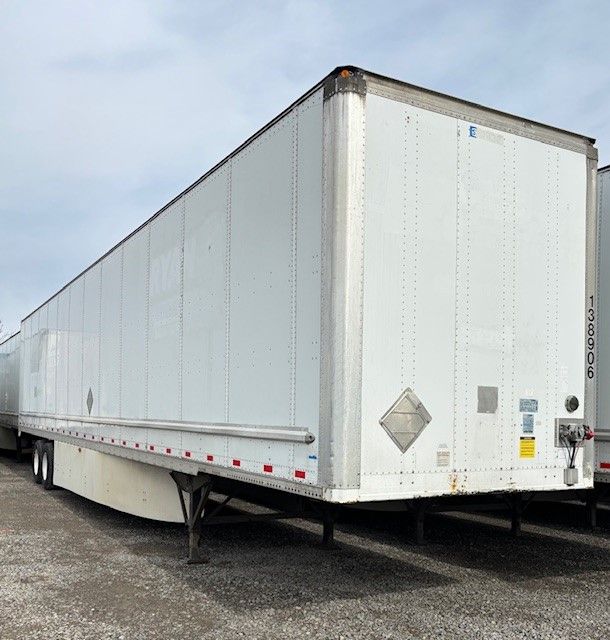
Shop Stoughton van trailers for sale in Ohio. Compare dry van specs, Z-Plate construction, dimensions, suspension, and cargo features.
Learn more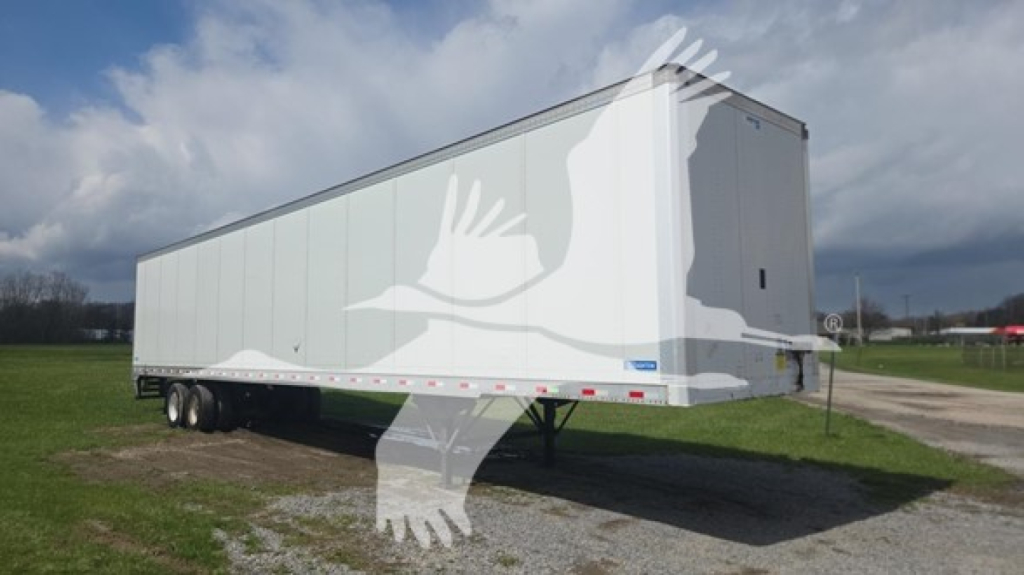
Have stoughton van trailer to sell? List it here to reach thousands of buyers.
About Stoughton Van Trailers in Ohio
A serious buyer should look closely at interior dimensions and cargo control details before comparing price alone. Many Stoughton vans offer inside heights around 103 to 110 inches, which can affect cube utilization depending on the freight mix. Logistic posts, scuff liners, plywood or plate side lining, translucent or aluminum roofs, and swing rear doors are all common specs in this class. If the trailer will live at a dock or handle mixed LTL-style freight, check for dock bumpers, threshold plate condition, floor wear, rear frame material, and damage around the door opening. Stainless or galvanized rear components can be a plus in Ohio and other rust-prone states where winter road treatment takes a toll on the back end of a van.
Under the trailer, suspension type and running gear condition deserve as much attention as the box itself. Stoughton dry vans commonly show up with air ride or spring ride suspensions, 49-inch tandem slider settings, 36-inch kingpin settings, two-speed landing gear, and standard 22.5 low-profile or 295/75R22.5 tires. Air ride is often preferred for higher-value or damage-sensitive freight, while spring ride can still make sense for simpler applications or storage use. Tire age, brake percentage, wheel type, crossmember spacing, and slider rail condition all affect true operating cost after purchase. A van that looks clean on the outside can still need floor work, suspension work, or rear door repairs before it is ready for daily road service.
Stoughton van trailers also appear regularly in secondary roles such as drop trailer pools and storage trailers. Some older 48-foot units are best suited for on-site storage rather than over-the-road use, so inspection status and current roadworthiness should be verified carefully. For active freight service, buyers typically want a current FHWA or annual inspection, solid floor structure, usable lining, and straight rear frame geometry. If the goal is general dry freight, retail, packaged goods, paper products, or palletized warehouse moves, a properly spec'd Stoughton dry van can be a practical, familiar platform with broad serviceability and strong fleet acceptance.
Frequently Asked Questions
What is a Stoughton Z-Plate van trailer?
A Stoughton Z-Plate van trailer is a dry van built with Stoughton’s Z-Plate sidewall design, which uses formed plate construction to improve strength while keeping trailer weight competitive. Buyers often look at Z-Plate models when they want a durable general freight trailer with good payload potential and a reputation for structural integrity in fleet service.
Are Stoughton van trailers good for over-the-road freight?
Yes, many Stoughton van trailers are well suited for over-the-road dry freight, especially 53-foot tandem axle models with air ride, logistic posts, sound flooring, and current inspection status. The key is to evaluate the individual trailer’s suspension, brakes, tires, floor condition, rear frame, and door operation, because those factors determine how road-ready the trailer really is.
What specs matter most when buying a used Stoughton dry van?
The most important specs usually include trailer length, inside height, suspension type, tandem setting, kingpin setting, floor material and wear, sidewall construction, lining, rear door style, and overall running gear condition. In practical terms, buyers should also check brake life, tire size and remaining tread, crossmember spacing, landing gear operation, and signs of corrosion or impact damage around the rear frame and threshold plate.
Can an older Stoughton van trailer be used for storage only?
Yes, older Stoughton van trailers are often used as storage trailers when they are no longer ideal for regular highway service. A storage-only trailer can still offer useful enclosed space, but buyers should confirm roof condition, floor integrity, door functionality, and whether the trailer has any inspection or structural issues that limit road use.
Is air ride better than spring ride on a Stoughton van trailer?
Air ride is generally preferred for smoother cargo protection, better ride quality, and broader acceptance in many freight applications. Spring ride can still be workable for lower-cost operations, storage use, or less sensitive freight, but most buyers looking for a road trailer for general dry van work place a premium on air ride when all else is equal.