
Used Yale Trucking Equipment For Sale
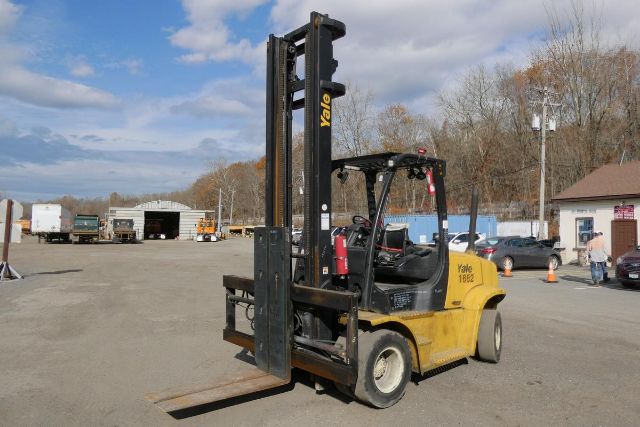
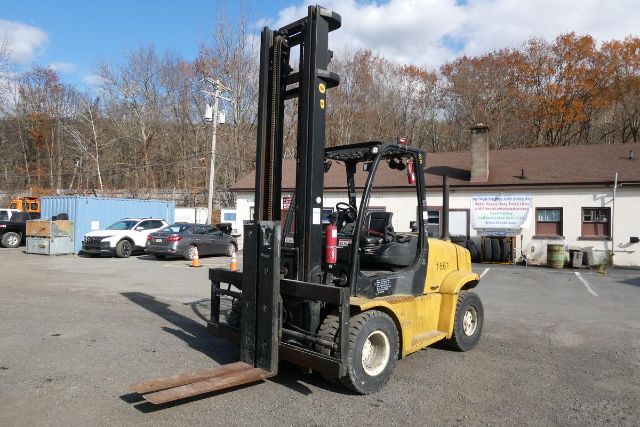
Browse used Yale trucking equipment, including heavy-capacity forklifts with propane power, side shift, fork positioners, and durable industrial specs.
Learn moreBrowse Yale Trucking Equipment by Category
Have used yale trucking equipment to sell? List it here to reach thousands of buyers.
About Used Yale Trucking Equipment
One of the first buying decisions is capacity and mast configuration. Heavy Yale forklifts in this class can fall into the mid-capacity to high-capacity range, and that changes everything from tire size to turning radius to trailer access. A buyer should confirm the rated lift at the actual load center, not just the headline capacity. Mast type, lowered height, maximum lift height, and free lift all affect how the unit will work inside trailers, under dock doors, or in warehouse aisles. Common features that add real value on a used Yale unit include hydraulic side shift, fork positioners, auto level functions, tilt control, telematics, and solid pneumatic or cushion-style industrial tires depending on the application. Fork length, fork thickness, carriage width, and attachment condition should also be reviewed closely because those details directly affect usability and replacement cost.
Powertrain choice is another major factor. Many Yale forklifts on the secondary market use LPG or propane engines, which are popular in mixed indoor-outdoor operations because refueling is quick and engine performance is consistent under heavy load. Buyers should still pay close attention to hour meter readings, cold start behavior, hydraulic response, transmission engagement, steer axle wear, mast chain condition, carriage rollers, and signs of leakage around lift cylinders and hose routing. On larger used forklifts, service history matters just as much as appearance. A unit that has clean mast rails, tight pins and bushings, smooth lift under load, and predictable brake response will usually tell you more than fresh paint.
For trucking and freight operations, the best used Yale equipment is the one matched to the exact work cycle. A yard that unloads steel, bundled products, or dense pallet freight may need a high-capacity pneumatic-tire forklift with a robust two-stage mast and strong visibility from the operator compartment. A warehouse-focused operation may care more about maneuverability, indoor emissions compliance, and attachment versatility. Transport dimensions also matter if the forklift itself will be hauled between locations, since overall weight, mast height, and width affect trailer selection and permitting. Buyers comparing used Yale trucking equipment should focus on capacity at working height, attachment package, fuel type, and overall mechanical condition before looking at cosmetic details.
Frequently Asked Questions
What should I check first when buying used Yale trucking equipment?
Start with the rated capacity at the actual load center, then verify mast height, lowered height, and attachment setup. After that, inspect the forklift’s mechanical condition by checking hydraulic leaks, mast chain wear, carriage movement, transmission engagement, steering response, brake feel, and tire condition. On used Yale equipment, service records and evidence of regular maintenance often matter more than cosmetic appearance.
Are propane Yale forklifts a good choice for trucking and freight operations?
Propane Yale forklifts are a common fit for freight terminals and mixed indoor-outdoor work because they refuel quickly and usually provide steady power for repeated loading cycles. They are especially useful where diesel restrictions or indoor air considerations rule out other fuel types. Buyers should still confirm engine condition, fuel system integrity, and local operating requirements before choosing LPG over diesel or electric alternatives.
Why do side shift and fork positioners matter on a used Yale forklift?
Side shift and hydraulic fork positioners can significantly improve productivity when handling varied pallet sizes, machinery, or irregular freight. Side shift helps the operator align loads without repositioning the whole truck, while fork positioners allow spacing adjustments from the seat. On a used unit, these options should be tested under operation because cylinder wear, hose issues, and uneven movement can create expensive repairs.
How important are mast specifications on a used Yale forklift?
Mast specifications are critical because they determine where and how the forklift can actually work. Lowered mast height affects trailer entry and doorway clearance, while maximum lift height and free lift affect stacking and dock use. A forklift with the wrong mast can be inefficient or unusable even if the capacity looks right on paper, so mast configuration should always be matched to the jobsite and load profile.
What makes a heavy-capacity used Yale forklift different from a standard warehouse forklift?
A heavy-capacity Yale forklift is built for denser loads, larger attachments, wider chassis dimensions, and tougher outdoor or industrial handling cycles. These machines often have larger tires, heavier counterweights, stronger masts, and more robust hydraulic systems than standard warehouse units. That makes them better suited for freight yards, lumber, machinery, steel, and similar applications, but it also means buyers need to pay closer attention to transport weight, turning space, and component wear.