
Yale Trucking Equipment For Sale
Browse Yale trucking equipment for sale, including heavy-duty Yale forklifts with industrial capacities, mast options, and material handling features.
Learn moreBrowse Yale Trucking Equipment by Category
Have yale trucking equipment to sell? List it here to reach thousands of buyers.
About Yale Trucking Equipment
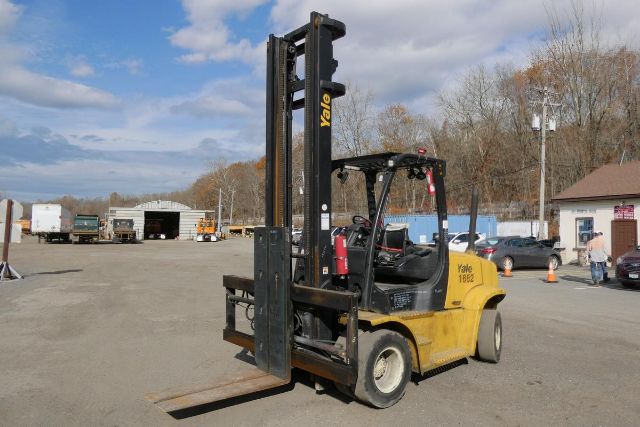
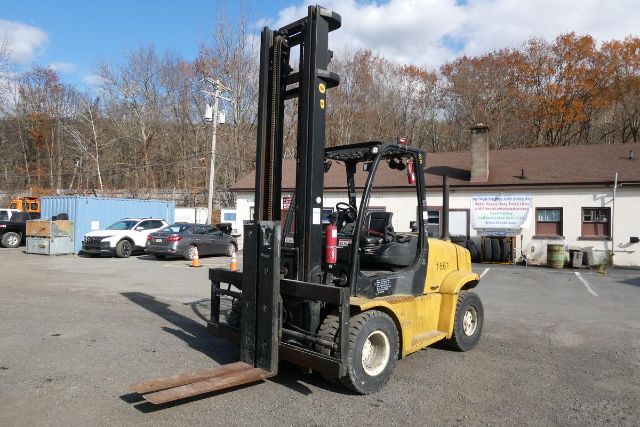
For buyers comparing Yale forklifts, capacity and mast configuration matter more than the badge on the hood. A truck in the 13,000 to 15,000 lb class is a very different machine from a common 5,000 lb warehouse forklift. You need to check the actual data plate, load center, lowered mast height, maximum lift height, and attachment impact on usable capacity. Features like hydraulic side shift, fork positioners, auto level functions, and duplex or triplex mast setups can make a major difference in daily productivity, especially when handling mixed freight, flatbed-transferred cargo, or irregular loads. Solid rubber tires are common on some industrial Yale units and hold up well in rougher paved environments, while pneumatic setups may be better for broken surfaces or outdoor yards.
Powertrain choice should match the jobsite and duty cycle. LP gas Yale forklifts are common in mixed indoor-outdoor service because they refuel quickly and avoid some of the runtime limitations tied to battery equipment. On larger internal combustion Yale units, buyers should pay attention to transmission engagement, steer axle wear, mast pin and chain condition, hydraulic response, and any signs of carriage or fork heel wear. Hour meter readings help, but maintenance history, leak inspection, cold-start behavior, and brake performance usually tell you more about remaining service life than hours alone. On newer or better-equipped trucks, telematics and onboard diagnostics can also help with fleet management and maintenance planning.
A good Yale forklift purchase comes down to matching the machine to the heaviest real load, the narrowest travel path, and the highest rack or trailer work you actually do. Overall width, truck weight, fork length, and mast height all affect transport planning and site suitability. If the forklift will be used around semi-trailers, pipe yards, precast products, or equipment loading, pay close attention to ground conditions, turning radius, visibility through the mast, and attachment needs. Yale remains a recognized name in industrial material handling, and for trucking-related applications, the right unit is usually the one with the correct rated capacity, mast geometry, and hydraulic options for your freight profile.
Frequently Asked Questions
What should I check first when buying a used Yale forklift for trucking or yard work?
Start with rated capacity, load center, mast type, and lift height, because those determine whether the truck can safely handle your actual freight. After that, inspect the mast channels, chains, carriage, forks, hydraulic cylinders, steer axle, brakes, and transmission engagement. A used forklift may run well unloaded and still have wear that shows up only when lifting heavy material, so buyers should evaluate lift performance under load if possible and verify that any side shift or fork positioner functions correctly.
Are Yale LP gas forklifts a good fit for mixed indoor and outdoor use?
Yes, LP gas Yale forklifts are often a practical choice for operations that move between warehouses, loading docks, and outdoor yards. Propane units refuel quickly and typically suit longer shifts better than battery charging cycles when uptime is critical. The main consideration is ventilation for indoor use, along with making sure the engine, fuel system, and emissions-related components are in proper working order.
How important is mast configuration on a Yale forklift?
Mast configuration is critical because it affects lowered height, maximum lift height, visibility, and the forklift's ability to work inside trailers, under doors, or into racking. A duplex mast may offer simplicity and strength for certain applications, while a triplex mast can provide more lift height with a lower collapsed profile. Buyers should compare the mast setup to their dock doors, trailer clearances, and stacking requirements before making a decision.
Do attachments reduce a Yale forklift's lifting capacity?
Yes, attachments such as side shifters, fork positioners, clamps, and specialty carriages usually reduce effective lifting capacity because they add weight and can change the load center. That is why the data plate matters so much on an equipped forklift. Buyers should confirm the truck's rated capacity in its current configuration rather than relying on the base model rating.
What makes a heavy-capacity Yale forklift different from a standard warehouse forklift?
A heavy-capacity Yale forklift is built with a larger chassis, heavier counterweight, stronger mast components, and higher-capacity hydraulics to handle substantially heavier loads. These machines are commonly used in industrial yards, freight terminals, metal service centers, and equipment handling applications rather than light warehouse pallet work. They also require more attention to operating space, floor conditions, and transport logistics because machine weight and dimensions increase significantly with capacity.