
Used Trucks For Sale in Kansas
Kansas used trucks, professionally spec'd for payload, floor strength, thermal integrity, low tare weight, and corrosion resistance across routes.
Learn morePopular Trucks Categories
8 Listings
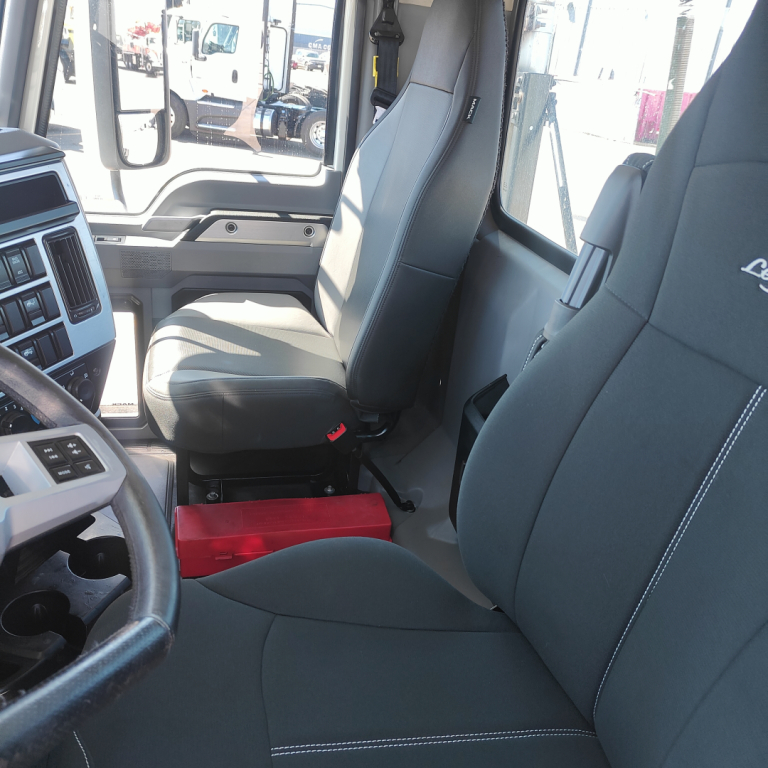
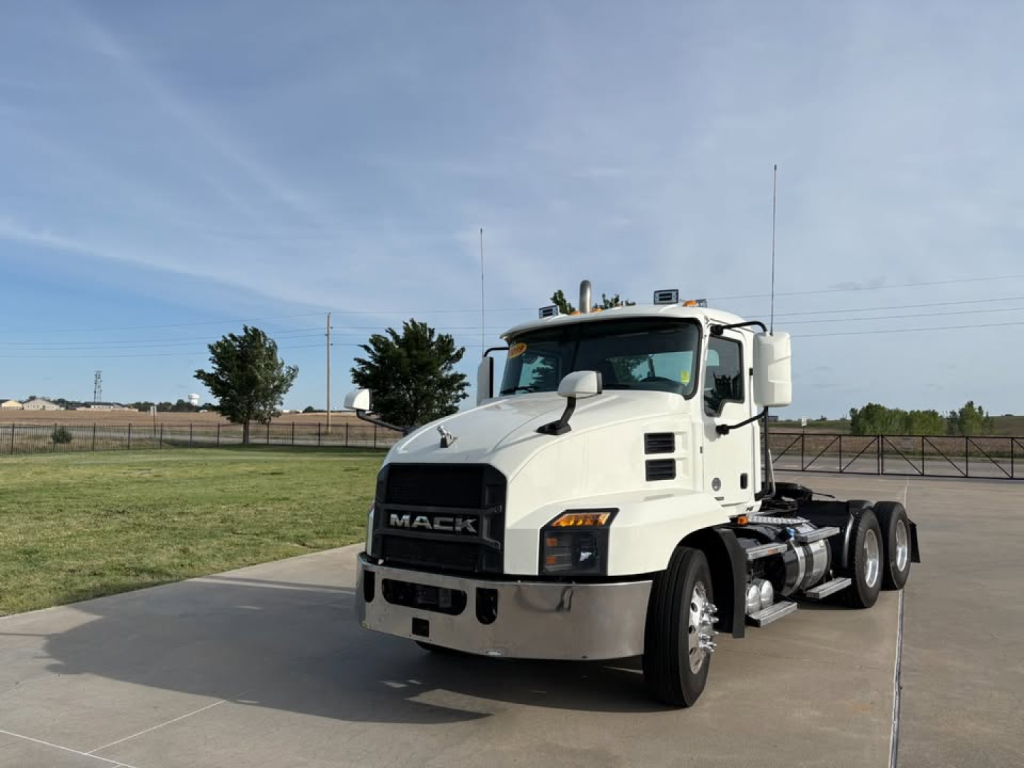
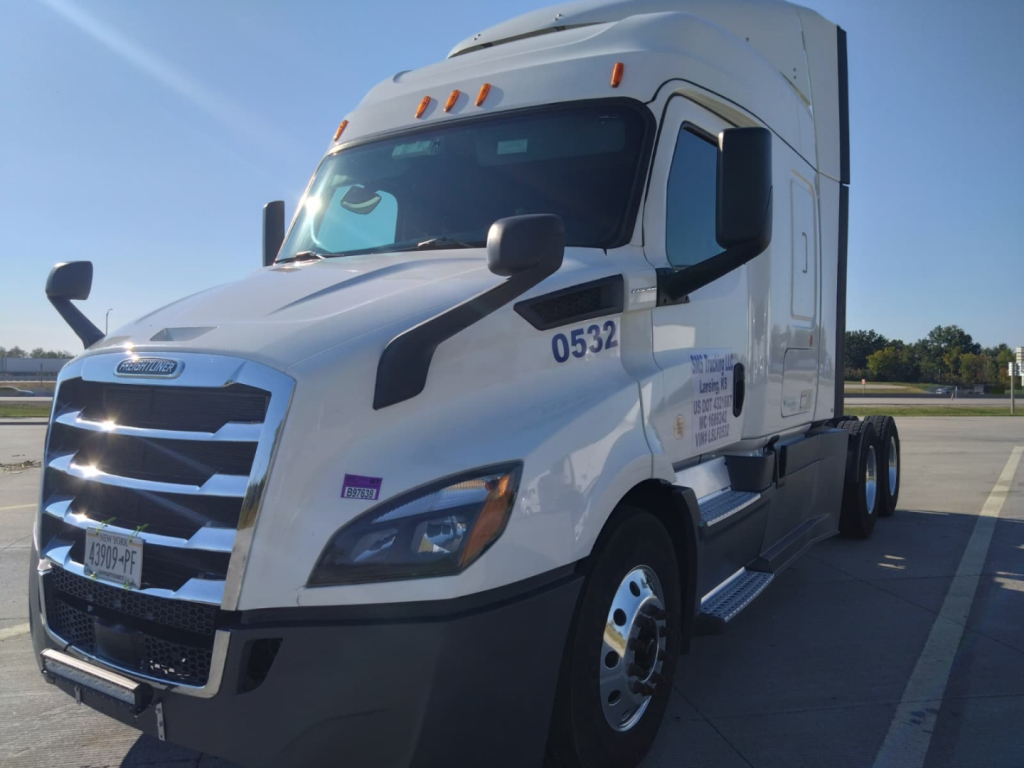
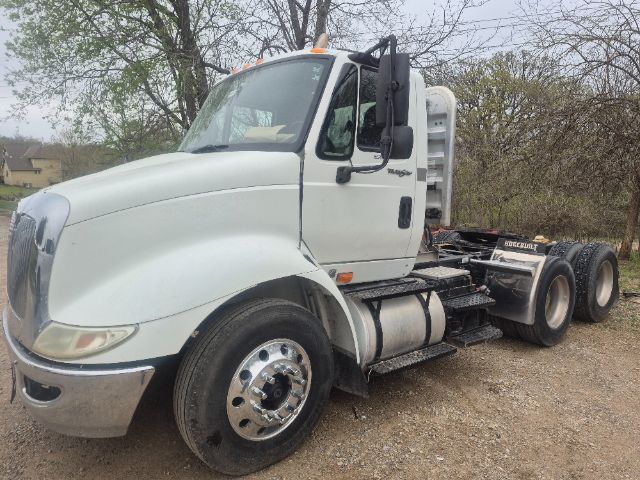
Have used truck to sell? List it here to reach thousands of buyers.
About Used Trucks in Kansas
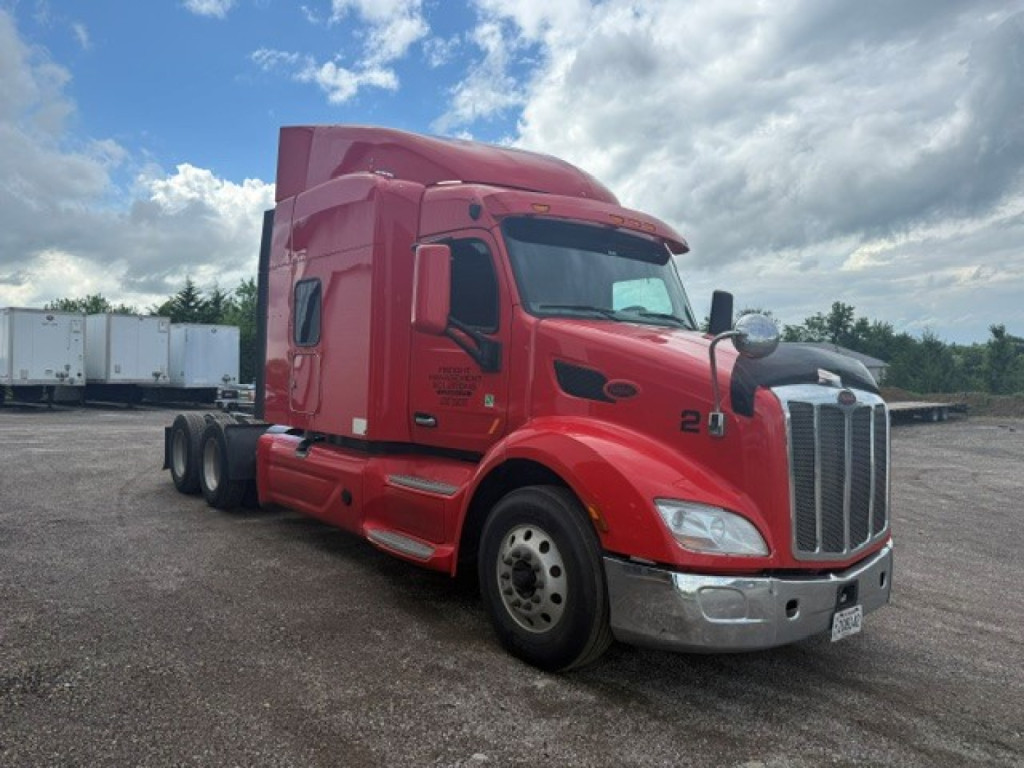
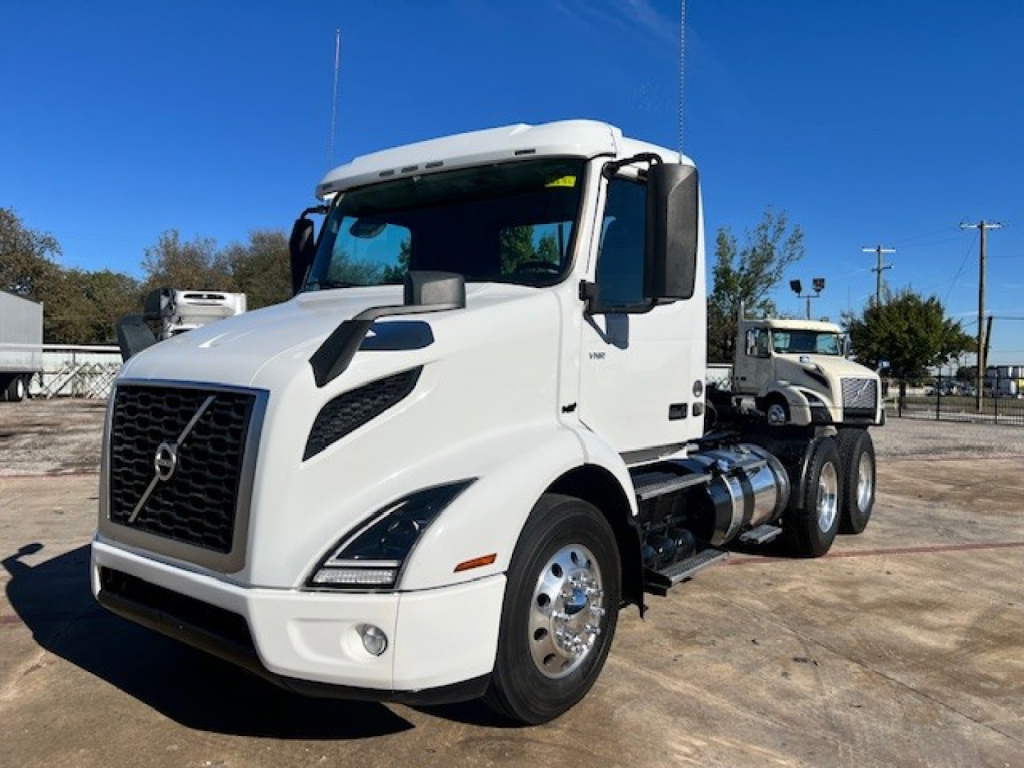
Used trucks in Kansas serve long I 70 linehaul, farm to elevator shuttles, and metro delivery in Kansas City, Wichita, and Topeka. Match axle ratings, wheelbase, and suspension to route and payload, and verify bridge compliance for county roads and grain facilities. For tractors, confirm fifth wheel height and slide travel to pair with local trailer fleets, and verify PTO prep if pulling end dumps or walking floors.
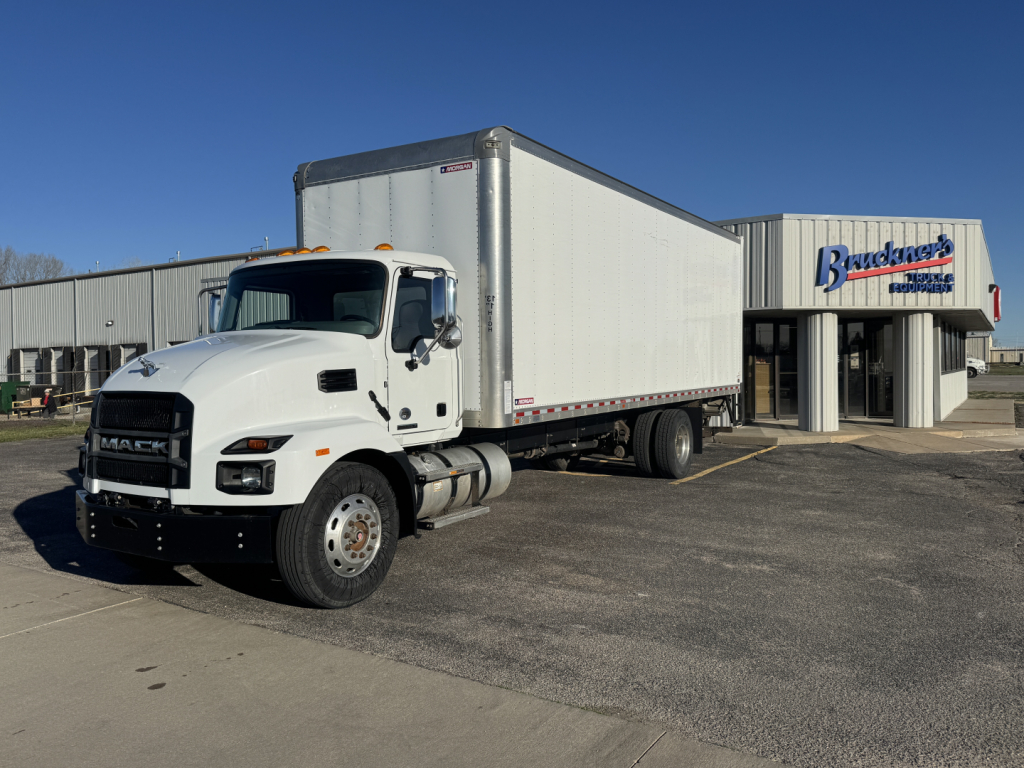
For van and reefer straight trucks, floor strength drives uptime. Look for hardwood or aluminum floors with 12 inch crossmember spacing, 6k to 10k forklift ratings, and full length scuff liners that protect uprights and logistics posts. Reefer thermal integrity depends on foam thickness and continuity, door gasket compression, hinged or roll up fit, and ducted floors that maintain return air. Check unit brand, hours, service records, and that setpoint recovery is consistent in Kansas summer heat.
Tare weight affects payload and fuel burn. Lightweight specs such as aluminum wheels, hubs, air tanks, and battery boxes, a 6x2 axle set where appropriate, and disc brakes can remove hundreds of pounds, but balance weight savings with traction and durability on field approaches and job sites. Choose power and gearing for terrain and speed, for example 2.47 to 3.36 rears with automated manuals for highway, deeper ratios with Allison automatics for dumps and refuse. Verify axle ratings, lift axle controls on vocational frames, suspension type, and tire size to make full legal weight without overloading a single group.
Corrosion resistance matters in a brine treated Midwest. Inspect frame rails, crossmembers, spring perches, brake chambers, air tanks, aftertreatment hangers, DEF tanks, battery trays, and harness connectors for rust, swelling, or delamination. Aluminum cabs, e coated frames, stainless hardware, sealed wiring, and underbody coatings slow corrosion; look for clean fasteners that can still be serviced. Review oil samples, overhead set history, and aftertreatment data including DPF ash load, DOC condition, SCR fault counts, and forced regen frequency. Road test for alignment and vibration, check TPMS or tire inflation systems if fitted, and confirm body equipment like liftgates, hoists, and PTOs operate under load.
For van and reefer straight trucks, floor strength drives uptime. Look for hardwood or aluminum floors with 12 inch crossmember spacing, 6k to 10k forklift ratings, and full length scuff liners that protect uprights and logistics posts. Reefer thermal integrity depends on foam thickness and continuity, door gasket compression, hinged or roll up fit, and ducted floors that maintain return air. Check unit brand, hours, service records, and that setpoint recovery is consistent in Kansas summer heat.
Tare weight affects payload and fuel burn. Lightweight specs such as aluminum wheels, hubs, air tanks, and battery boxes, a 6x2 axle set where appropriate, and disc brakes can remove hundreds of pounds, but balance weight savings with traction and durability on field approaches and job sites. Choose power and gearing for terrain and speed, for example 2.47 to 3.36 rears with automated manuals for highway, deeper ratios with Allison automatics for dumps and refuse. Verify axle ratings, lift axle controls on vocational frames, suspension type, and tire size to make full legal weight without overloading a single group.
Corrosion resistance matters in a brine treated Midwest. Inspect frame rails, crossmembers, spring perches, brake chambers, air tanks, aftertreatment hangers, DEF tanks, battery trays, and harness connectors for rust, swelling, or delamination. Aluminum cabs, e coated frames, stainless hardware, sealed wiring, and underbody coatings slow corrosion; look for clean fasteners that can still be serviced. Review oil samples, overhead set history, and aftertreatment data including DPF ash load, DOC condition, SCR fault counts, and forced regen frequency. Road test for alignment and vibration, check TPMS or tire inflation systems if fitted, and confirm body equipment like liftgates, hoists, and PTOs operate under load.